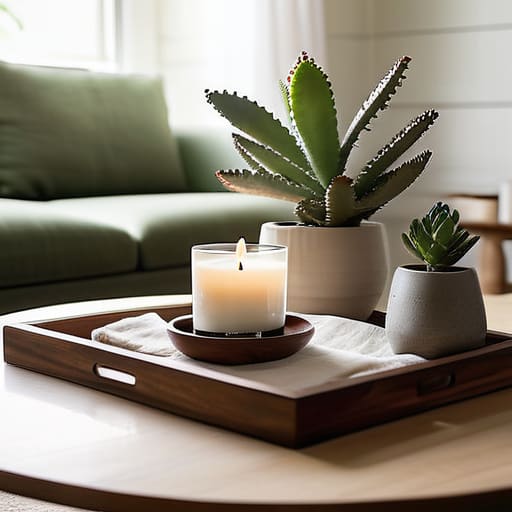
I’ve spent thirty years watching shipments move through warehouses, and if there is one thing I learned, it’s that most modern manufacturing is designed to fail. Every time I walk into a big-box store, I see aisles overflowing with “must-have” gadgets that are essentially expensive landfill waiting to happen. People get caught up in the hype of setting up a house, rushing to buy every shiny bit of plastic they see on social media, only to find themselves replacing those same items six months later. When you’re looking for new home essentials, you shouldn’t be looking for what’s trending; you should be looking for what’s built to endure.
In this list, I’m cutting through the noise to show you exactly where to put your hard-earned money. I’ve narrowed it down to five specific items that strike the perfect balance between utility and longevity. I won’t waste your time with decorative nonsense that serves no purpose; instead, I’m going to show you how to select foundational pieces that will actually stand the test of time. If you want to build a home that functions as well as it looks, pay close attention to these five essentials.
Table of Contents
Cast Iron Skillet
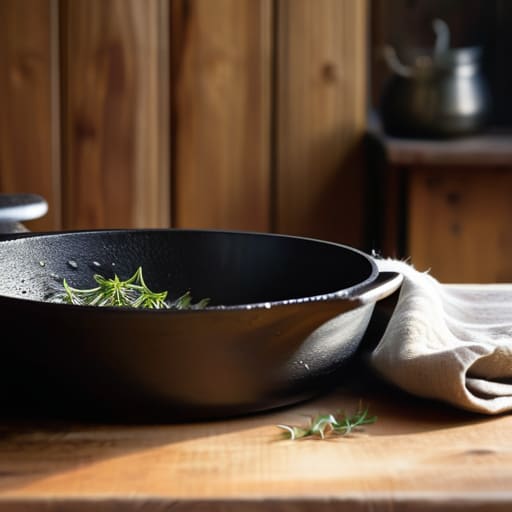
Most people today think they need a drawer full of non-stick pans that’ll be in a landfill within eighteen months. That’s a logistical nightmare and a waste of hard-earned cash. If you want to cook properly, get yourself a heavy-duty cast iron skillet. It’s a tool that doesn’t rely on chemical coatings that flake off into your food; it relies on a seasoned surface that actually gets better with age.
Solid Wood Cutting Boards
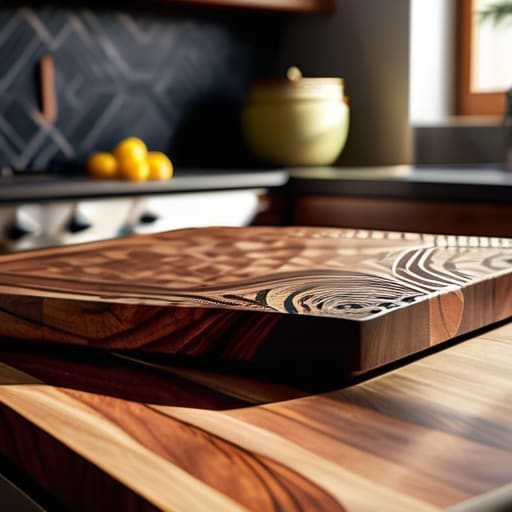
I see these flimsy, plastic boards in every big-box store these days, and frankly, they drive me up the wall. They warp, they stain, and they end up in the trash the moment they get a deep scratch. If you’re serious about your kitchen, you need a thick, end-grain wood cutting board. It’s a matter of both durability and protecting your knives, which are also an investment you shouldn’t cheap out on.
High-Quality Cotton Linens
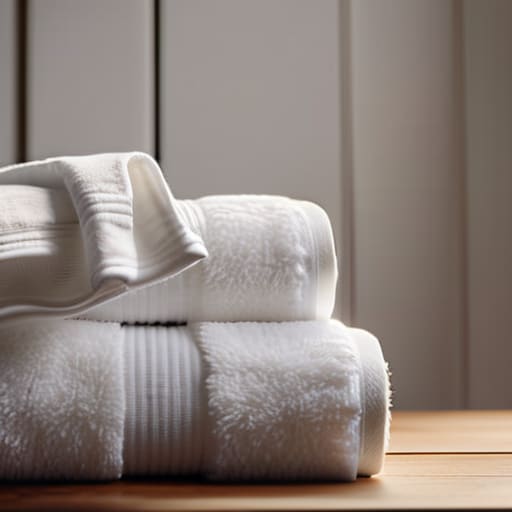
There is a massive trend toward “performance fabrics” and synthetic blends that feel like wearing a plastic bag. Don’t fall for it. When it comes to towels and bed linens, you should be looking for 100% long-staple cotton. It’s breathable, it’s absorbent, and most importantly, it doesn’t shed microplastics into your washing machine every time you run a cycle.
Mechanical Kitchen Timer
We live in an era where every single task requires a smartphone app or a Bluetooth connection. It’s ridiculous. You don’t need a “smart” kitchen; you need a kitchen that works. A simple, heavy-duty mechanical timer is one of the most underrated essentials you can own. It doesn’t need a software update, it doesn’t need a battery, and it certainly won’t stop working because your Wi-Fi went down.
Full-Tang Chef's Knife
A kitchen is only as good as its tools, and a dull, cheap knife is a safety hazard waiting to happen. Most “starter sets” you see online are a joke; they use stamped metal and cheap handles that snap under pressure. You need a single, high-carbon steel chef’s knife with a full tang—meaning the metal runs all the way through the handle.
The Bottom Line
Stop chasing the latest social media trends; if it doesn’t have a clear purpose and a solid build, it doesn’t belong in your house.
Always look past the shiny marketing to check the materials and the packaging—if it’s built to break or wrapped in excessive plastic, walk away.
Prioritize the “buy once” mentality by investing more upfront in quality pieces that will still be working twenty years from now.
The Cost of Cheapness
A new home isn’t a showroom for fleeting trends; it’s a foundation. If you fill it with disposable junk just because it’s convenient today, you’ll be paying for it twice by next year. Buy for utility, buy for durability, and for heaven’s sake, buy things that are actually worth keeping.
Hugo Steenkamp
The Bottom Line on Building a Real Home
At the end of the day, setting up a new home isn’t about filling every empty corner with whatever’s currently trending on social media. It’s about making smart, calculated decisions. Whether you are investing in heavy-duty cookware that can withstand a lifetime of heat, or choosing sturdy, reliable tools that won’t snap the first time you use them, the goal remains the same: durability over decoration. I’ve spent my career looking at supply chains and seeing exactly how much junk is pumped into the market every single day. Don’t let yourself become another statistic by buying things that are designed to fail. If you focus on these essentials, you aren’t just buying “stuff”—you are investing in stability.
My advice is simple: slow down. When you feel that urge to click “buy” on a cheap, plastic gadget just because it looks convenient, stop and ask yourself if that item will be in a landfill in two years. A home should be a sanctuary of things that work, things that have weight, and things that tell a story of quality. Build your space with intention and purpose. If you do it right the first time, you won’t have to spend your weekends replacing broken junk. Buy it once, buy it well, and let your home be a testament to things that actually endure.
Frequently Asked Questions
How can I tell if a piece of furniture is actually solid wood or just cheap veneer disguised as the real thing?
Look, don’t let a fancy finish fool you. The easiest way to tell is to look at the edges or where the grain meets a joint. If you see a repetitive pattern or a thin layer peeling at the corner, it’s just a sticker over particle board. I always check the weight, too; real wood has heft. If it feels light as a feather, it’s likely hollow junk. Check the underside—real wood has character, even on the bottom.
Is it worth paying a premium for high-end kitchenware, or can I get the same durability from mid-range brands?
Look, I spent thirty years in logistics; I know exactly how much a “premium” price tag can be inflated by fancy marketing. But there’s a difference between paying for a logo and paying for metallurgy. With kitchenware, you aren’t just buying a pan; you’re buying heat distribution and structural integrity. Don’t buy the ultra-luxury stuff just because it’s shiny, but stay away from the cheap sets. Aim for mid-range brands that prioritize heavy-gauge materials. Buy once, cook well.
Where should I start if I'm trying to furnish a house from scratch without falling into the trap of buying useless clutter?
Start with your bones, not your decor. You don’t need a designer coffee table if you don’t have a decent sofa to sit on. Focus on the high-use essentials first: a solid dining table, quality bedding, and reliable kitchen tools. If an item doesn’t serve a daily purpose or won’t stand the test of time, leave it on the showroom floor. Build your foundation with utility in mind, and the rest will follow.
