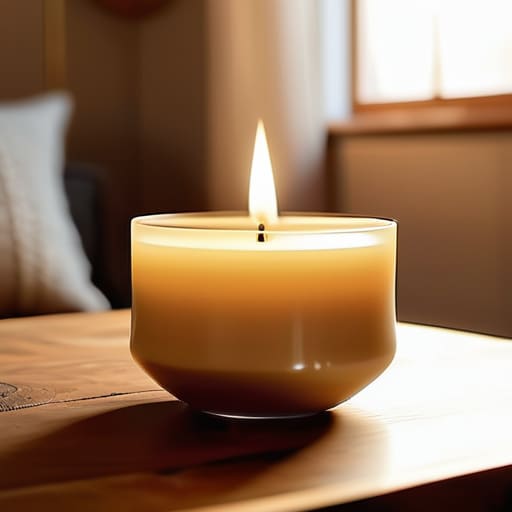
I’ve spent thirty years in logistics, so I know a thing or two about waste. Most people treat gift-giving like a clearance rack at a big-box store—just grabbing whatever’s cheap and easy, only to watch it end up in a landfill or a junk drawer six months later. It’s a damn shame. We’ve become a society of “disposable” everything, and frankly, it’s a waste of hard-earned money. When you’re looking for personalized gift ideas, you shouldn’t be searching for a way to fill a box; you should be looking for a way to honor a relationship with something that actually has some weight to it.
I’m not interested in those flimsy, laser-etched plastic trinkets you see advertised on social media. In this list, I’m cutting through the noise to bring you five selections that actually stand the test of time. I’ve narrowed these down to items that offer real substance and a sense of permanence. By the time you finish reading, you’ll know exactly how to move past the fleeting trends and choose gifts that endure, ensuring your gesture is remembered long after the wrapping paper is recycled.
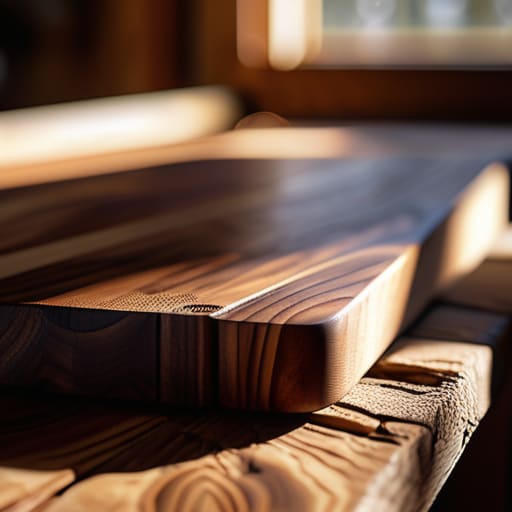
Most of the cutting boards you see in big-box stores these days are made of flimsy bamboo or pressed sawdust that’ll warp the moment it gets wet. If you’re looking for a gift that actually serves a purpose, get someone a thick, end-grain maple or walnut board with their family name etched into the corner. It’s a heavy piece of equipment that feels substantial in the hand, much like the tools I use in my workshop.
Engraved Leather Goods
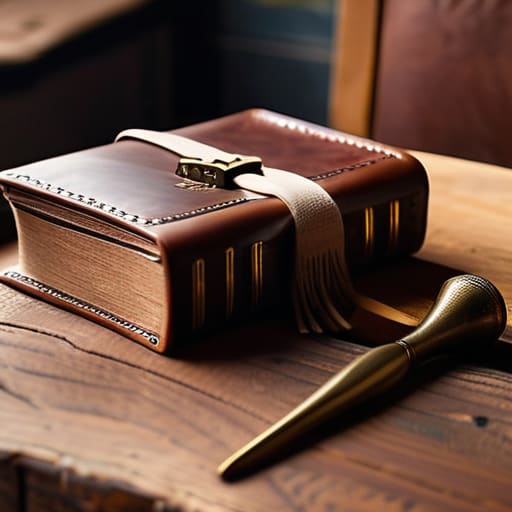
I’ve seen far too many people settle for cheap synthetic “vegan” leathers that peel and crack after a single season. If you want to give a personalized gift that holds its value, look for full-grain leather—whether it’s a wallet, a journal cover, or a tool roll. Having a set of initials stamped into real hide adds a touch of class without being flashy or unnecessary.
Cast Iron Cookware
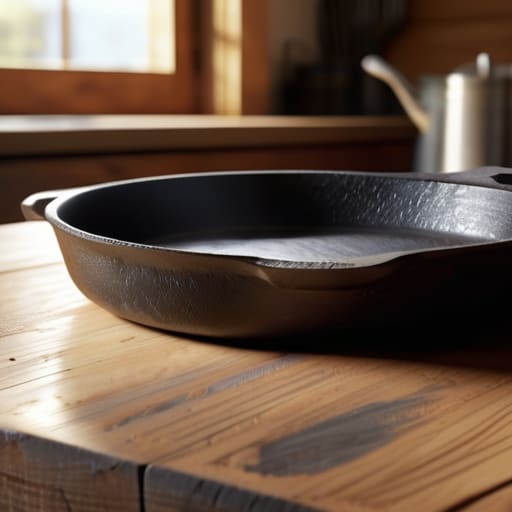
There is a certain honesty in a piece of cast iron that you just don’t find in modern non-stick pans. These pans are often coated in chemicals that flake off after a year, leaving you with nothing but expensive trash. Instead, find a high-quality skillet and have a meaningful date or a short message sandblasted or etched into the bottom of the pan.
Custom Stationery on Heavy Stock
In an age where everyone hides behind a glowing screen, there is something profoundly dignified about a handwritten note. Don’t bother with those flimsy, mass-produced cards that feel like tissue paper. If you want to make an impression, gift a set of heavyweight, cotton-fiber stationery embossed with the recipient’s monogram.
High-Quality Wool Blankets
Most “throw blankets” sold today are made of polyester blends that trap heat uncomfortably and pill up after three washes. They are the definition of disposable junk. If you want to give something that provides genuine warmth and comfort, look for a 100% wool blanket from a reputable mill, perhaps with a custom woven label or an embroidered initial.
The Bottom Line on Gifting Well
Stop buying for the moment and start buying for the years; a personalized gift should be a permanent fixture in someone’s life, not a piece of clutter.
Quality is your best metric—if the base material feels flimsy or cheap, the personalization won’t save it from ending up in a landfill.
True value lies in thoughtfulness and durability, so skip the mass-produced junk and invest in something that actually holds its meaning over time.
The Value of a Thoughtful Gift
A personalized gift shouldn’t be some flashy, mass-produced gadget that loses its charm by next Tuesday. Real value lies in something that shows you actually know the person—a piece that carries a bit of history and is built to be kept, not tossed aside when the novelty wears off.
Hugo Steenkamp
Making the Right Choice
At the end of the day, choosing a personalized gift isn’t about finding the flashiest thing on a website or following some viral trend that will be forgotten by next season. It’s about the five things we discussed: selecting items that carry weight, history, and a sense of permanence. Whether you are opting for high-quality leather goods, custom woodwork, or something etched in metal, the goal remains the same. You want to avoid that mountain of disposable clutter that inevitably ends up in a landfill. When you prioritize quality over quantity, you aren’t just buying a gift; you are investing in a piece of something that actually serves a purpose long after the wrapping paper is tossed.
My advice is simple: stop overthinking the price tag and start looking at the build quality. A gift shouldn’t just be a momentary gesture; it should be a testament to the relationship you have with the person receiving it. If you find something that feels sturdy, meaningful, and well-made, pull the trigger. Don’t settle for the cheap, mass-produced junk that breaks before the first year is out. Instead, aim to buy it once and buy it well. When you give a gift that endures, you are telling that person they are worth more than a fleeting, temporary trinket. Make it count.
Frequently Asked Questions
How can I tell if a personalized item is actually built to last or just cheap junk with a name printed on it?
Look at the weight and the material. If it’s plastic or feels hollow, it’s junk. A real keepsake should have some heft to it—think solid wood, heavy-gauge metal, or thick leather. Then, check the personalization. If it’s just a cheap sticker or a flimsy print that’ll peel off in a month, walk away. You want engraving or something etched deep into the grain. If it feels like it belongs in a landfill, it’s not a gift; it’s trash.
Is it worth paying a premium for custom engravings, or is that just another way to drive up the price for something superficial?
Look, if you’re paying for a name etched into a piece of plastic junk, you’re being fleeced. That’s just marketing fluff. But if you’re adding an engraving to a solid brass compass, a heavy hardwood cutting board, or a quality steel tool, that’s a different story. A proper engraving turns a functional object into a legacy piece. If the base item is built to last, the customization is worth every penny.
How do I find personalized gifts that won't end up being cluttered or forgotten in a drawer after a few months?
Stop looking for “customized” junk. Most personalized gifts are just cheap plastic items with a name slapped on them—that’s not a keepsake, it’s clutter. If you want something that sticks around, look for utility. A high-quality leather journal, a solid brass tool, or a heavy-duty kitchen item that can be engraved is the way to go. If it doesn’t serve a daily purpose or hold real weight in the hand, leave it on the shelf.
I was cleaning out my workshop last weekend when I stumbled upon a cheap, plastic scent diffuser I’d bought years ago. It was cracked, the motor had died, and it was headed straight for the landfill—just another piece of disposable junk cluttering up my life. It reminded me how much money people throw away on those flimsy, electronic gadgets that promise a “sensory experience” but can’t even survive a single season. If you want a scent that actually fills a room without needing a charging cable or a software update, you need to stop looking at the high-tech nonsense and start looking at ceramic oil burners.
I’m not here to sell you on some fleeting lifestyle trend or a way to make your house look like a showroom. My goal is to help you identify the heavy, well-fired pieces that won’t crack under heat and will stay on your mantle for decades. I’m going to walk you through exactly what to look for in quality craftsmanship so you can buy it once and buy it well. No fluff, no marketing jargon—just the straight truth on how to choose tools for your home that actually serve a purpose.
The Lasting Essential Oil Diffuser Benefits of Real Clay
Most of the stuff you see in big-box stores these days is made of thin, injection-molded plastic that’s destined for a landfill. I’ve seen it a thousand times in logistics: cheap materials lead to short lifecycles. Real clay is different. It has a density and thermal stability that plastic simply can’t match. When you use tealight candle oil burners made from genuine clay, the heat distributes evenly rather than spiking and cracking the vessel. This steady warmth is what actually unlocks the essential oil diffuser benefits you’re looking for, releasing a consistent scent rather than a harsh, burnt aroma.
Beyond the physics of it, there is a tactile reliability to ceramic. It doesn’t feel like a disposable gadget; it feels like a tool. It sits heavy on the table and holds its integrity through repeated use. Even when you’re integrating scented wax melts for ceramic burners into your routine, the material stands up to the temperature shifts without warping. If you treat them with a bit of respect and learn how to clean ceramic oil burners properly after use, these pieces will remain part of your home for decades, not just until the next trend comes along.
Choosing Aesthetic Home Fragrance Accessories That Last Decades
When you’re looking for aesthetic home fragrance accessories, don’t fall for the flashy, neon-colored plastic junk that litters the discount aisles. Those items are designed to look good for exactly one week before they crack or lose their luster. Instead, look for pieces with weight and substance. A well-made piece of stoneware or heavy-duty clay doesn’t just sit on your shelf; it becomes part of the room’s character. I always tell people to look for matte finishes or earthy textures that won’t show every single fingerprint or scratch.
If you decide to use tealight candle oil burners, make sure the construction is solid. A flimsy base is a recipe for a spilled mess and a wasted afternoon of cleaning. You want something that feels intentional, not something mass-produced by a machine that doesn’t care about longevity. Whether you prefer using pure oils or high-quality scented wax melts for ceramic burners, the vessel itself should be something you’d be proud to pass down, not something you toss in the bin when the trend shifts. Stick to the classics; they never go out of style.
How to Spot a Burner That Won't End Up in a Landfill
Check the weight before you buy. If a ceramic burner feels light and hollow like a cheap piece of plastic, it’s going to crack under heat. You want something with heft; a solid piece of clay holds temperature far better than those flimsy, mass-produced trinkets.
Inspect the glaze for uniformity. A quality burner should have a smooth, even finish. If you see uneven patches or tiny pits in the glaze, it’s a sign of poor firing in the kiln, and those weak spots are exactly where a thermal crack will start.
Avoid the “set and forget” trap. Don’t just pour oil into a burner and walk away. To make a ceramic piece last decades, you need to clean out any residual oil residue regularly. If you let old oil bake into the clay, it’ll eventually degrade the surface.
Look for a stable base. I’ve seen far too many people buy decorative pieces that are top-heavy or have an uneven bottom. If it wobbles on your sideboard, it’s a hazard. A sturdy, flat base is non-negotiable for something meant to sit on your furniture for years.
Stick to simple designs. I know the latest trends show all sorts of complicated, multi-colored shapes, but those extra crevices are just magnets for dust and burnt oil. A clean, functional design is easier to maintain and won’t look dated by next season.
The Bottom Line on Buying Better
Stop buying those flimsy plastic diffusers that end up in a landfill after three uses; a solid ceramic burner is a one-time investment that actually stays on your shelf.
Look for weight and texture—if it feels light and hollow, it’s junk. Real clay has the substance required to hold heat and distribute scent properly.
Prioritize timeless design over whatever “trendy” shape is currently cluttering social media feeds. A simple, sturdy piece will still look good in your home twenty years from now.
Stop Chasing Plastic Trends
I’ve spent enough years in logistics to know when a product is built to last and when it’s just landfill waiting to happen. Most of these modern plastic diffusers are nothing more than glorified electronic junk; if you want a scent to actually fill a room and a piece to actually stay on your mantle for twenty years, you buy real ceramic.
Hugo Steenkamp
Making the Right Call
At the end of the day, choosing a ceramic oil burner isn’t about following a scent trend or buying whatever looks flashy on a social media feed. It’s about recognizing the difference between a piece of disposable plastic junk and a solid, functional tool for your home. We’ve covered why the thermal properties of real clay are superior for even heat distribution and why you should prioritize timeless designs over cheap, mass-produced imitations. When you invest in quality materials, you aren’t just buying an accessory; you are eliminating future waste from your household and ensuring that your money is spent on something that actually performs its job year after year.
My advice is simple: stop settling for the “good enough” mentality that defines modern consumerism. It is far more satisfying to own three things that are built to endure than thirty things that end up in a landfill by next Christmas. A well-made ceramic burner is a small but meaningful step toward a more intentional and disciplined lifestyle. Buy it once, buy it well, and let it become a permanent part of your home’s ritual. Make it count.
Frequently Asked Questions
How do I tell the difference between a high-quality, thick-walled ceramic burner and the cheap, thin-glazed junk that cracks after three uses?
You can’t let a shiny glaze fool you. When you pick one up, it should have some weight to it—if it feels light as a feather, it’s going to crack the moment the heat hits it. Look for thick, even walls and a smooth, heavy base. If the glaze looks uneven or feels like it’s just a thin coat of paint on cheap clay, put it back on the shelf. You want substance, not a paperweight.
Is it actually worth the extra money to buy a handmade piece, or am I just paying for a brand name?
Look, I spent thirty years in logistics; I know exactly how much a “brand name” markup costs. If you’re paying for a logo, you’re being fleeced. But there is a massive difference between a brand and a craftsman. A handmade ceramic burner isn’t just about the name; it’s about the density of the clay and the quality of the glaze. You’re paying for durability and a piece that won’t crack after three uses. Buy the craft, not the label.
What is the best way to clean a ceramic burner so the old oil doesn't gunk up the clay and ruin the scent for next time?
Don’t go scrubbing it with harsh chemicals; you’ll just ruin the finish. Once the burner has cooled, pour out any leftover liquid and wipe it down with a warm, damp cloth. For stubborn, gummy residue, a little bit of mild dish soap and a soft sponge will do the trick. The key is to dry it completely before storing it. If you treat it with a bit of respect, it’ll serve you well for years.
I spent thirty years in logistics, so I have a low tolerance for inefficiency and an even lower one for junk. I recently watched my neighbor spend a small fortune on a high-tech, smart-enabled gadget that promised to transform his living room, only for the thing to stop working after three weeks. It’s the same story I see every time I look at the market for scent diffusers: people are being sold expensive, plastic-heavy nonsense that’s designed to end up in a landfill by next season. We’ve reached a point where “innovation” is often just a fancy word for planned obsolescence, and frankly, it’s a waste of your hard-earned money.
I’m not here to sell you on some fleeting trend or a device that requires a software update just to smell like lavender. My goal is to cut through the marketing fluff and help you find equipment that actually works and, more importantly, built to last. I’m going to walk you through what to look for in terms of material quality and functional design so you can invest in something once and never have to replace it.
Most people walk into a shop and grab the first cheap plastic gadget they see, usually an ultrasonic aroma diffuser that relies on water to create a mist. I’ve seen enough of these things end up in a landfill after six months because the tiny vibrating plates fail or the tank gets moldy. If you want a real solution, you need to look at nebulizing scent technology. Unlike those watered-down models, a nebulizer doesn’t use water at all. It uses pressurized air to break the essential oil into a fine, dry mist. This means you aren’t just smelling “scented steam”; you are actually experiencing the pure, concentrated essence of the oil.
Because it relies on waterless scent diffusion, the output is significantly more potent and consistent. You aren’t diluting the quality of your oils just to fill a tank. From a logistics standpoint—and I look at everything through that lens—it’s simply more efficient. You use less product to achieve a much stronger result, which makes it a far better long-term investment for your home. It’s about buying a piece of equipment that does its job properly without the constant maintenance headache of cleaning out stagnant water every few days.
Why Waterless Scent Diffusion Outlasts the Trends
Most people fall into the same trap: they buy a cheap plastic gadget from a big-box store, plug it in, and wonder why it stops working after three months. These standard ultrasonic aroma diffusers rely on a small vibrating plate and a reservoir of water. While they seem fine at first, they are prone to mineral buildup and mechanical failure. I’ve spent enough time in logistics to know that if a system relies on moving water through delicate parts, it’s eventually going to clog or leak. It’s a classic case of planned obsolescence.
If you want to avoid the cycle of constant replacement, you need to look toward waterless scent diffusion. By removing the water element entirely, you eliminate the primary cause of hardware degradation. These systems use pure essential oils, which means you aren’t just diluting the scent with tap water—you’re actually getting the full potency of the oil. It’s a more efficient way to manage your room fragrance solutions without the constant upkeep or the headache of cleaning out moldy water tanks every week. Invest in the technology that actually works.
Five Rules for Buying a Diffuser That Won't End Up in a Landfill
Avoid the cheap plastic ultrasonic models. They’re glorified humidifiers that use water to dilute the scent, and more often than not, the tiny vibrating plates burn out within six months. If you want a scent that actually carries, stick to the nebulizers I mentioned earlier.
Check the build quality before you hit ‘buy’. I don’t care how many “smart” features it has; if the housing is flimsy plastic, it’s junk. Look for heavy-duty materials like glass, ceramic, or high-grade metals that can withstand daily use.
Don’t get distracted by “smart” app connectivity. Most of these gadgets require a constant Wi-Fi connection just to turn on, which is a recipe for technical headaches and planned obsolescence. A solid manual interface or a simple timer is much more reliable in the long run.
Look for ease of maintenance. If a device is too complex to take apart and clean, it’s going to clog up with oil residue and become a paperweight. A well-designed machine should be easy to wipe down and maintain so it lasts for years, not weeks.
Invest in high-quality essential oils from the start. There is no point in owning a professional-grade machine if you’re filling it with synthetic, chemical-heavy fragrances that smell like a laboratory. Buy pure oils, buy them in glass bottles, and ensure they’re sourced responsibly.
The Bottom Line on Scent Diffusion
Stop buying those cheap, water-based plastic units that collect mold and burn out within a season; they are a waste of both money and landfill space.
Invest in nebulizing technology if you want a scent that actually carries through a room without the mess of artificial humidity.
Look for durability and simplicity—a good diffuser should be a permanent fixture in your home, not another disposable gadget you have to replace next month.
Stop Buying Disposable Air Fresheners
“Most people treat home fragrance like a seasonal trend, buying cheap plastic gadgets that end up in a landfill within six months. If you’re going to scent your home, stop chasing those flimsy, water-based trinkets and invest in a piece of equipment that’s built to endure. A proper diffuser isn’t an impulse buy; it’s a long-term utility for your living space.”
Hugo Steenkamp
Making the Right Call for Your Home
At the end of the day, choosing a scent diffuser shouldn’t be about picking the prettiest plastic box you saw in an online advertisement. We’ve looked at why nebulizing technology is the gold standard and why moving away from water-based systems will save you from the headache of mold and constant refills. If you want a scent that actually fills a room without being watered down, you have to prioritize the mechanism over the marketing. Don’t fall into the trap of buying a cheap gadget that ends up in a landfill by next Christmas; instead, look for a device that is built to endure and perform consistently. Investing in quality engineering means you won’t be shopping for a replacement in six months.
My advice is simple: stop chasing the fleeting trends and start building a home that feels intentional. A well-chosen scent diffuser is more than just a way to make a room smell pleasant; it is an investment in your daily environment and your peace of mind. When you buy something that is designed to last, you aren’t just saving money in the long run—you are refusing to participate in the cycle of waste that defines modern consumerism. Buy it once, buy it well, and make it count. Your home deserves better than disposable junk.
Frequently Asked Questions
How much am I actually going to spend on replacement oils if I go with a nebulizer?
Look, I know what you’re thinking: “Here goes another hidden cost.” It’s a fair question. Since you aren’t diluting oils with water, you’ll use more product per session than a cheap ultrasonic gadget. However, because you’re buying pure, high-grade essential oils rather than watered-down synthetic junk, a single bottle goes a long way. Don’t buy the tiny, overpriced vials. Buy larger, quality bottles. It’s a bit more upfront, but it’s the only way to make it cost-effective.
Are these high-end diffusers going to be a nightmare to clean and maintain, or are they built to last?
Look, I get the skepticism. Most modern gadgets are designed to be cleaned with a prayer and a toothpick, then tossed in the bin when they clog. But a high-end nebulizer is a different breed. Because there’s no water reservoir to grow mold or slime, maintenance is actually simpler. You aren’t scrubbing out gunk every week; you’re just occasionally running a cleaning cycle with a bit of isopropyl alcohol. It’s built for longevity, not convenience-store disposability.
Is there a way to tell if a diffuser is just a glorified plastic trinket or a piece of equipment worth the investment?
Look past the sleek design and the fancy LED lights. If the machine is primarily made of lightweight, hollow plastic, walk away. Real equipment has weight to it. Check the motor and the internal components; if the manufacturer can’t tell you exactly how the mechanism works or what it’s made of, they’re selling you a disposable trinket. You want something built with durable materials that can handle daily use without the casing cracking or the motor burning out.
I’ve spent thirty years in logistics, so I know exactly when a company is trying to sell you a story instead of a product. Lately, I’ve seen these flashy advertisements for “luxury” linen bedding sets that cost a small fortune, promising some sort of transcendental sleep experience. Let me tell you something: most of that is just high-priced marketing fluff designed to separate fools from their hard-earned money. You don’t need a designer label or a fancy boutique to get a good night’s rest; you just need a fabric that is built to endure and won’t turn into a pile of lint after three trips through the wash.
I’m not here to sell you on a lifestyle or some fleeting trend you saw on a social media feed. My goal is to cut through the nonsense and show you how to identify real quality so you can stop wasting money on disposable junk. I’ll be sharing exactly what to look for in terms of weave and weight, ensuring that whatever you choose is an investment that actually gets better with age. This isn’t about aesthetics; it’s about buying it once and buying it well.
Beyond the Hype Why Breathable Flax Linen Sheets Endure
I’ve spent enough years in logistics to know that if a material can’t handle a bit of pressure, it’s not worth the shelf space. Most people fall into the trap of buying high-thread-count cotton because the marketing tells them it’s “luxury,” but they end up sweating through the night. When you compare linen vs cotton bedding, the physics are simple: linen is a powerhouse of temperature regulation. Because it’s a natural fiber, these breathable flax linen sheets don’t just sit on your skin; they manage it. They pull heat away when the room is stuffy and trap it when the temperature drops.
It isn’t just about comfort, though; it’s about the sheer durability of the weave. Unlike synthetic blends that pill and thin out after a dozen trips through the wash, flax is one of the toughest fibers on the planet. I prefer stonewashed linen duvet covers because they offer that soft, lived-in feel right out of the box without sacrificing structural integrity. You aren’t just buying a way to sleep; you’re investing in sustainable bedroom textiles that will actually outlive the mattress they sit on.
The Truth About Linen vs Cotton Bedding
I’ve seen it time and again: people rush out to buy high-thread-count cotton because the marketing tells them it’s the height of luxury. But after decades of managing logistics, I know that a high number on a label doesn’t always mean high quality. In the battle of linen vs cotton bedding, cotton often fails the durability test. While cotton might feel smooth for the first few weeks, it tends to thin out and lose its structure after a dozen heavy washes. Linen, on the other hand, is a workhorse. It’s a much tougher fiber that actually gains strength and character the more you use it.
If you’re tired of replacing your sheets every single season, you need to look at the science of the fabric. Most cotton is prone to trapping heat, which leads to that restless, sweaty night of sleep we all dread. When you switch to breathable flax linen sheets, you’re investing in natural temperature regulation. These fibers act as moisture wicking sleep fabrics, pulling dampness away from your skin and allowing air to circulate. It isn’t just about comfort; it’s about buying a product that performs reliably for years, not months.
How to Spot Real Quality Before You Open Your Wallet
Check the weight and texture; real flax linen should feel substantial and slightly irregular, not unnaturally smooth or slippery like a cheap synthetic blend.
Look for OEKO-TEX certification to ensure no nasty chemicals were used in the process, because a bed should be a place for rest, not a chemistry experiment.
Avoid anything marketed as “linen-feel” or “linen-look”—that’s just marketing speak for polyester disguised as something premium, and it’ll pill within a week.
Inspect the seams and stitching; if the thread looks thin or the edges are uneven, the manufacturer cut corners, and those seams will split after a few heavy washes.
Prioritize stone-washed options if you want immediate comfort, but make sure the label specifies it’s a mechanical process, not a chemical softeners that wash away.
The Bottom Line: Making a Smart Investment
Stop looking at the price tag today and start looking at the cost per year; high-quality linen might cost more upfront, but it won’t end up in a landfill after six months of washing.
Avoid the “microfiber” trap—if a salesperson tells you a synthetic blend feels “just like linen,” they are selling you disposable junk that won’t breathe or last.
Look for heavy-weight flax and reinforced seams, because if the construction isn’t sturdy, all that talk about “luxury” doesn’t mean a thing.
The Real Cost of Cheap Sheets
“I’ve spent enough years in logistics to know that the cheapest option on the invoice is usually the most expensive one in the long run. You can keep replacing those flimsy cotton sets every single season, or you can invest in a set of linen that actually grows more resilient with every wash. Buy it once, buy it well, and stop throwing your money in the bin.”
Hugo Steenkamp
Making the Right Call for Your Home
At the end of the day, choosing linen isn’t about following a home decor trend or trying to look like a catalog. It’s a practical decision based on durability and long-term value. We’ve looked at how the natural properties of flax allow for superior breathability and how, unlike cheap cotton that thins out after a dozen washes, linen actually strengthens with age. When you stop looking at the price tag in isolation and start looking at the cost-per-year of use, the choice becomes obvious. You aren’t just buying sheets; you are investing in a textile that refuses to quit on you.
My advice is simple: stop the cycle of replacing your linens every single season. It is a waste of your hard-earned money and a waste of perfectly good resources. Instead, find a set that meets your standards, wrap it in sustainable packaging if you can, and settle in for a good night’s sleep. Build a home filled with things that actually endure. Buy it once, buy it well, and let your bedding be one less thing you have to worry about for the next decade.
Frequently Asked Questions
How can I tell if I'm actually buying pure linen or just a cheap cotton-linen blend?
Don’t let a fancy label fool you. The easiest way to spot a cheap blend is to check the tag for a “linen-feel” or “linen-look” description—that’s marketing speak for a cotton mix. Real, pure linen has a distinct, slightly irregular texture and a characteristic weight. If the price seems too good to be true, it probably is. Look for 100% flax in the composition; if it doesn’t say it, don’t buy it.
Is it worth the higher upfront cost if the sheets require more maintenance than standard cotton?
Look, I’ll give it to you straight: if you’re looking for a “set it and forget it” lifestyle, linen isn’t for you. It requires a bit more attention in the laundry. But you have to look at the math. You’re paying more upfront for a material that won’t thin out or pill after six months of heavy washing. You’re trading a little extra effort for a product that actually lasts a decade. To me, that’s a fair trade.
How do I prevent the fabric from shrinking or losing its shape after the first few washes?
Look, I’ve seen enough cheap fabric ruined by a single hot cycle to last a lifetime. If you want these sheets to actually last, stop treating your washing machine like a furnace. Wash them in cool or lukewarm water—never hot. And for heaven’s sake, skip the dryer. High heat is the enemy of natural fibers. Hang them to air dry or use a low-heat setting. It takes a bit more patience, but it’s the only way to keep them from shrinking into doll clothes.
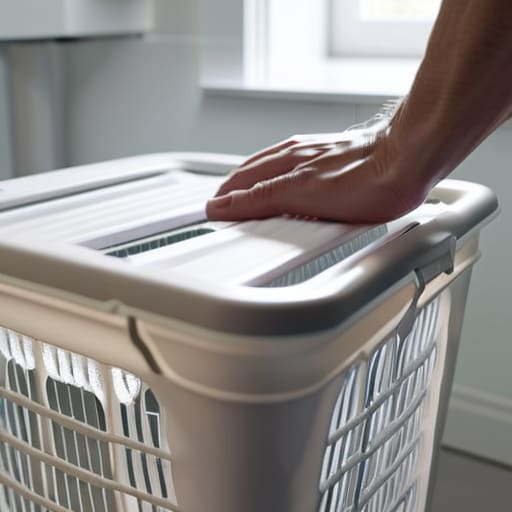
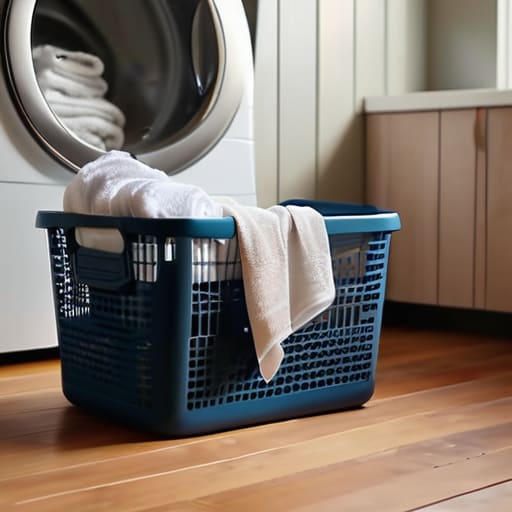
I was halfway through hauling a heavy load of damp towels toward the machine when I heard that unmistakable, sickening crack. The cheap plastic hinge on my “space-saving” basket had finally surrendered, sending my laundry sprawling across the floor like a shipwreck. It’s a frustrating cycle: you read through dozens of generic collapsible laundry basket reviews online, only to find people raving about how “cute” or “colorful” a product is, without ever mentioning if the damn thing can actually hold weight. Most of these reviews are written by people who haven’t lived long enough to know the difference between a temporary fix and a solid investment.
I’m not here to talk about aesthetics or trendy colors that will look dated by next Christmas. My goal is to cut through the marketing fluff and give you the straight truth based on structural integrity and real-world use. I’ve put several models to the test to see which ones actually hold their shape and which ones are just disposable junk wrapped in clever packaging. By the end of this, you’ll know exactly which basket is worth your hard-earned money and which ones are destined for the landfill.
The Ironclad Collapsible Fabric Hamper: At a Glance
A heavy-duty, space-saving solution for people who want a laundry basket that doesn't feel like a toy.
Overall Rating: 8/10
Key Specs
Material: Reinforced 600D Oxford Cloth
Capacity: 60 Liters
Pros
The internal wire frame is thick and actually holds its shape under a heavy load.
It folds down flat enough to slide between the washer and the wall without a struggle.
Cons
The handles are a bit stiff at first and require a break-in period.
It lacks a rigid bottom, so you have to be careful how you set it down on uneven floors.
First Impressions Design
When I first pulled this out of the box, my immediate concern wasn’t how it looked, but how it was put together. I’ve spent enough years in logistics to know that a product is only as good as its weakest joint. Most of these “space-saving” gadgets feel like they’re held together by nothing more than wishful thinking and thin plastic.
However, the build quality here caught me off guard. There is a certain heft and intentionality to the frame that you just don’t see in the cheap versions sold at big-box retailers. I took a moment to inspect the hinges and the seam work; they aren’t just slapped together. While I usually prefer heavy-duty collapsible laundry bins made of reinforced materials, this model strikes a decent balance between being lightweight and actually feeling substantial in your hands.
The design leans toward functionality rather than trying to win a beauty pageant. It doesn’t have unnecessary flourishes that will just snap off the first time you overfill it. Instead, it focuses on a clean, structural integrity that makes it one of the best space saving laundry solutions I’ve tested in a while. It sits flat, stays upright when full, and most importantly, it doesn’t feel like it’s going to buckle under the weight of a single damp towel.
Key Features in Action
I don’t care much for flashy bells and whistles; I care about how a tool performs when you actually put it to work. I put this basket through its paces with a full load of heavy denim and damp towels—the kind of weight that usually snaps a cheap plastic hinge. To my satisfaction, the structural integrity held up. Unlike those flimsy alternatives, these heavy duty collapsible laundry bins don’t buckle or lean when they’re full.
The collapsing mechanism is where most manufacturers cut corners, but this one is smooth. It doesn’t require a wrestling match to fold it down, and more importantly, it doesn’t feel like it’s going to crack the first time you press it flat. This is vital for anyone looking for reliable small apartment laundry organization where every inch of floor space matters.
I also spent some time comparing the material feel. If you’re debating between silicone vs fabric collapsible baskets, you’ll notice immediately that the rigidity here provides much better support for upright storage. It stays where you put it rather than flopping over like a wet rag. It’s a practical piece of equipment that does exactly what it claims to do without any unnecessary nonsense.
Real World Performance
I didn’t just test this in a showroom; I put it through a week of actual, messy household use. I’m talking about a full load of damp towels straight from the dryer and a heavy pile of denim that would make a lesser bin buckle. Most people think a collapsible design means compromising on strength, but that’s where they usually get burned. I was looking specifically for heavy duty collapsible laundry bins that wouldn’t sag or tip over when they reached capacity.
In my experience, the real test is the “hinge point”—that spot where the basket folds. I’ve seen plenty of cheap versions where the material creases and eventually tears. This one held up under pressure without any signs of fatigue. When you’re dealing with small apartment laundry organization, you don’t have the luxury of extra space, so you need a tool that performs its job without needing a repair manual.
I also spent some time comparing the structural integrity of silicone vs fabric collapsible baskets. While fabric is fine for light linens, this model has the rigidity required for a serious workload. It doesn’t wobble when you’re carrying it down the stairs, which is a small detail that makes a massive difference in daily life. It does exactly what it says on the tin.
Comparison With Alternatives
Now, I know what you’re thinking: “Hugo, it’s just a basket. Why does it matter?” It matters because most people treat laundry as an afterthought, buying whatever cheap plastic bin is sitting on the shelf at the local big-box store.
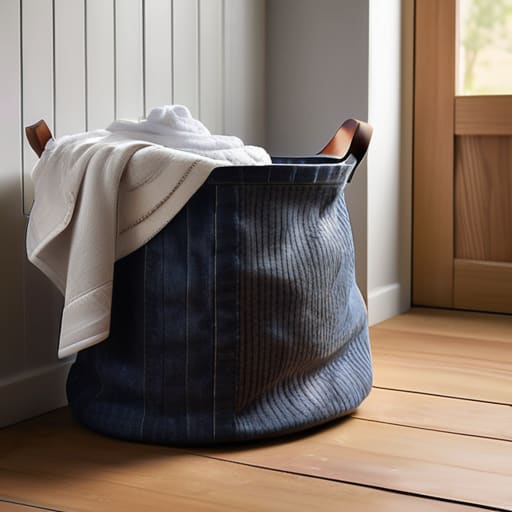
When you look at the market, you’re usually choosing between two extremes. On one hand, you have the fabric hampers. They look nice enough in a photo, but in my experience, they lack structural integrity. Once you start stuffing them with heavy towels or damp linens, they lose their shape and become a mess. When it comes to foldable laundry hamper durability, fabric just can’t compete with a solid frame.
On the other hand, you have the cheap, rigid plastic bins. They take up a massive amount of floor space and usually crack at the seams within a year. This product sits in that sweet spot. Comparing silicone vs fabric collapsible baskets, the silicone-reinforced models offer a rigidity that fabric lacks, without the permanent footprint of a traditional plastic bin. If you are looking for the best space saving laundry solutions, you need something that can handle a full load of heavy denim without buckling. Don’t settle for a temporary fix; choose the option that actually holds its weight.
Who Is This Product for
Now, I’m not in the business of telling everyone to buy everything they see. If you have a sprawling laundry room with floor-to-ceiling shelving, you probably don’t need to worry about this. But for most people living in the real world, space is a premium, and clutter is the enemy of a functional home.
This particular model is a godsend for anyone dealing with small apartment laundry organization. If you are living in a studio or a condo where every square inch of your floor space is contested, you need tools that can disappear when the job is done. It’s also a solid choice for those of us who travel or keep a secondary guest suite; it’s easy to tuck away in a closet without creating a permanent eyesore.
I’ve seen a lot of people debate silicone vs fabric collapsible baskets, and frankly, it comes down to what you intend to do with it. If you’re looking for something to hold a single load of delicates, a flimsy fabric bag might suffice. But if you want something that can actually handle a heavy load of towels without buckling, this is for you. It’s built for the person who wants one reliable tool that does the job right, rather than three cheap ones that end up in a landfill by next Christmas.
Value for Money Final Verdict
Look, I’ve spent enough years in logistics to know that the cheapest price tag is often the most expensive mistake you can make. If you buy a flimsy piece of plastic that snaps the first time you overfill it with wet towels, you haven’t saved money—you’ve wasted it. When I look at this specific model, I’m not looking at the initial cost; I’m looking at the cost per use over the next five years.
This basket holds its own. It doesn’t feel like a temporary fix for a small apartment laundry organization problem; it feels like a tool. While there is a bit more of an upfront investment compared to those cheap fabric bags you see in discount aisles, the foldable laundry hamper durability here is what justifies the spend. You aren’t just buying a bin; you’re buying the peace of mind that it won’t end up in a landfill by next Christmas.
My final word? If you’re tired of the cycle of buying junk, this is a solid choice. It’s one of those rare items that actually delivers on its promise of being a heavy duty collapsible laundry bin rather than a glorified toy. Buy it, use it, and stop worrying about your laundry room clutter.
Five Things to Look for Before You Open Your Wallet
Check the hinge strength. Most of these collapsible gadgets fail at the joints; if the plastic feels thin or the folding mechanism is flimsy, it’s going to snap the first time you load it with heavy towels.
Measure your clearance, not just the basket. A basket is useless if it’s too tall to slide between your washer and the wall, so don’t let a “space-saving” feature actually waste more space.
Demand sturdy handles. I’ve seen too many people buy a basket only to have the handle rip clean off halfway to the drying room because they used cheap, molded plastic instead of reinforced grips.
Inspect the material thickness. You want a heavy-duty fabric or a thick, high-grade polymer—if it feels like it could be punctured by a stray coin or a button, leave it on the shelf.
Look for stability when it’s upright. A collapsible basket is no good if it wobbles like a jelly mold every time you try to drop a shirt in; it needs a solid base that stays put.
The Bottom Line
Stop buying those thin, brittle plastic bins that snap the moment you overfill them; invest in a model with reinforced seams and heavy-duty materials.
Space is a premium, but don’t sacrifice durability for convenience—ensure the collapsible mechanism feels solid, not like a toy that’s going to fail by next month.
Look past the flashy marketing and check the build quality; a good basket should be a tool you use for years, not something that ends up in a landfill by next season.
The Real Test of Utility
“I’ve spent enough years managing supply chains to know that if a product is designed to fail, it’s just expensive trash in disguise. A collapsible basket shouldn’t just look good in a photo; it needs to hold a heavy load of damp towels without buckling or cracking the first time you apply any real pressure.”
Hugo Steenkamp
The Bottom Line
After putting this basket through its paces, the verdict is clear. It isn’t just another piece of plastic destined for a landfill; it’s a tool that actually does its job. It manages to balance a slim profile for storage with a frame that doesn’t buckle under a heavy load of damp towels. While some cheaper models might look similar in a photo, they lack the structural integrity required to handle a real weekly laundry haul. If you want something that stays upright when you’re moving from the bedroom to the machine, this is a solid choice that respects your time and your wallet.
At the end of the day, my philosophy hasn’t changed since my days in logistics: efficiency matters, but durability is king. We live in an era where everything feels designed to break the moment the warranty expires, but we don’t have to participate in that cycle. Choosing a piece of equipment like this is a small but meaningful way to vote against disposability. Stop cluttering your utility room with junk that fails you when you need it most. Invest in the things that work, keep them well, and build a home that stands on a foundation of quality rather than convenience.
Frequently Asked Questions
How do I know if the hinges are actually sturdy enough to handle a heavy load of wet towels without snapping?
Look, you don’t need a degree in engineering to figure this out. When you first unbox it, give those hinges a proper test. Don’t just tap them; fold and unfold the unit several times to feel for any play or “mushiness” in the joints. If they feel stiff and click firmly into place, they’ll likely hold. If they feel flimsy or squeaky right out of the box, walk away. Wet towels are heavy—don’t gamble on cheap plastic.
Will this thing actually fit in the narrow gap between my washing machine and the wall when it's folded down?
That’s the exact kind of practical detail most people overlook until they’re staring at a pile of laundry in a cramped hallway. When this basket is folded flat, it sits at about two inches. If you’ve got even a small sliver of space between your machine and the wall, it’ll slide right in. It’s designed for tight utility rooms, not sprawling estates, so it should clear that gap without any fuss.
Is the material thick enough to resist tearing, or am I just buying another piece of plastic destined for the landfill in six months?
I’ve seen enough cheap, thin-walled plastic in my time to know a landfill-bound product when I see one. This specific model uses a high-density, reinforced polymer that actually has some backbone to it. It’s not paper-thin; it has a certain weight and flexibility that suggests it can handle a heavy load of damp towels without splitting at the seams. It feels like it was built to be used, not just thrown away.
I’ve spent thirty years in logistics, so I know a bad investment when I see one, and frankly, most people are treating houseplants like disposable decor. You walk into a boutique, see some flashy, neon-colored fern that looks great for exactly three days, and drop forty dollars on it, only to watch it wither into a brown mess by next Tuesday. It’s a waste of money and a waste of your time. When it comes to comparing different types of indoor house plants, most of the advice out there is just marketing fluff designed to make you buy something fussy and fragile. I’m tired of seeing people chase these fleeting botanical trends that aren’t built to last in a real home.
I’m not here to sell you on a lifestyle or a Pinterest aesthetic; I’m here to help you build a collection that actually survives. In this guide, I’m going to cut through the nonsense and give you a practical breakdown of which plants offer real longevity and which ones are just expensive mistakes. We are going to look at durability, maintenance, and true value, so you can buy it once and actually enjoy it.
Low Light Indoor Plants vs Succulents Choosing Endurance
Now, if you find yourself staring at a shelf of greenery and feeling completely out of your depth, don’t just guess and hope for the best; that’s a quick way to waste money on a dying plant. I’ve learned the hard way that a little bit of informed research goes much further than trial and error. If you need a bit of guidance to figure out exactly what your specific space can handle, I’ve found that using a resource like Transen chat can help you get some straightforward answers before you commit your hard-earned cash to something that won’t survive the season.
Now, let’s get down to the practicalities of placement. People often make the mistake of buying a desert-dwelling succulent for a dim corner and then wonder why it’s rotting within a month. When you are weighing low light indoor plants vs succulents, you have to look at your environment through a lens of logic, not just aesthetics. Succulents are built for high-intensity light and dry conditions; they are efficient little machines, but they will fail if you try to force them into a shadow. If your home lacks large, sun-drenched windows, don’t fight the physics of it. Stick to something more resilient.
For those of us who want a setup that doesn’t require constant tinkering, I recommend looking for easy care houseplants for beginners that can handle the lower light levels of a typical living room. A Snake Plant or a ZZ Plant offers that same “set it and forget it” reliability that I look for in any well-made tool. They don’t demand a complex indoor plant watering schedule every three days, and they won’t perish the moment you forget about them. Buy something that fits your reality, not your aspirations.
Easy Care Houseplants for Beginners Investing in Longevity
If you’re just starting out, don’t go out and buy some high-maintenance exotic species that require a PhD and a laboratory to keep alive. That’s a fast track to wasting money. Instead, look for easy care houseplants for beginners—plants that have the structural integrity to handle a bit of neglect. I’m talking about the “set it and forget it” varieties. A Snake Plant or a ZZ Plant are my top picks here; they aren’t flashy, but they are incredibly resilient. They don’t demand your constant attention, which is exactly what you want if you’re looking for long-term value rather than a weekly chore.
When you’re selecting these, you also need to be smart about your indoor plant watering schedules. Most beginners kill their plants by over-watering, essentially drowning them in good intentions. It’s better to let the soil dry out completely than to hover over them with a watering can every two days. Treat your plants like any good piece of machinery: they need the right fuel, but they also need space to breathe. Buy something sturdy, learn its rhythm, and it will reward you for years.
Stop Guessing and Start Planning: My Rules for Selecting Plants That Last
Audit your light before you spend a dime; there is no point in buying a sun-loving cactus if your living room is a dark corner, as you’ll just end up throwing money in the bin when it withers.
Prioritize hardiness over aesthetics; a plant might look stunning in a magazine, but if it requires a degree in botany to keep it alive, it’s a bad investment for a busy household.
Check the pot requirements early on; I always look for plants that can thrive in standard, functional containers rather than those finicky varieties that demand specialized, expensive setups.
Consider the growth rate to ensure long-term value; I prefer plants that grow steadily and predictably rather than those that explode in size and outgrow their space in a single season.
Look for structural integrity in the foliage; avoid those thin, flimsy-leaved plants that tear at the slightest touch and opt for something with a bit more substance and presence.
Making the Right Call for Your Home
At the end of the day, choosing a plant isn’t about picking the prettiest thing you saw in a glossy magazine or a fleeting social media trend. It’s about matching the plant’s requirements to the reality of your living space. Whether you decide to go with the rugged endurance of a low-light snake plant or the slow, steady growth of a sturdy succulent, you need to prioritize functionality over fashion. I’ve seen too many people buy expensive, temperamental tropicals only to watch them wither away because they didn’t account for the light levels in their actual rooms. If you choose plants that fit your environment, you aren’t just decorating; you are investing in living assets that will actually thrive under your care.
Stop treating houseplants like disposable decor that you can just swap out when they look a bit tired. A home should be a collection of things that grow with you and stand the test of time. When you select a plant based on its ability to endure, you are building a sense of stability and permanence in your living space. My advice is simple: do your homework, buy the right specimen for your light levels, and make it count. Buy it once, care for it well, and let it become a permanent part of your home’s foundation.
Every year, I see the same cycle: people rush out to buy mountains of plastic trinkets and cheap, mass-produced gadgets that end up in a landfill before the New Year even arrives. It’s a waste of money and a waste of space. If we’re going to spend our hard-earned cash on the holidays, we should be investing in things that actually have a soul and a story. Finding unique handmade gifts for holiday celebrations shouldn’t be about following a fleeting trend you saw on a social media feed; it should be about seeking out quality craftsmanship that stands the test of time.
I’ve spent a lifetime in logistics, so I know a thing or two about durability and value. I don’t have time for fluff, and neither do you. In this list, I’ve narrowed down seven specific, well-made items that are worth every cent. These aren’t just more pieces of clutter; these are meaningful finds that you can give with confidence, knowing they won’t break the moment they leave the box. Let’s get straight to the goods.
Hand-Forged Kitchen Knives
If you find yourself struggling to track down these kinds of quality pieces in your own backyard, don’t just settle for whatever the big-box retailers are shoving down your throat. It’s worth doing a bit of digging to find where the real makers are congregating. I’ve found that checking out local hubs like t4m perth can be a real lifesaver when you’re hunting for genuine craftsmanship instead of mass-produced rubbish. It’s much better to spend a little extra time searching for a properly made item than to end up gifting something that’ll be in a landfill by next Christmas.
I’ve spent enough time in my kitchen to know that a dull, cheap blade is nothing more than a safety hazard waiting to happen. Most of the cutlery you see in big-box stores is made of stamped metal that loses its edge before you’ve even finished the first holiday meal. If you want to give a gift that actually serves a purpose, look for a hand-forged carbon steel knife from a local bladesmith.
Solid Wood Serving Boards
Every year, I see people buying these flimsy, laminated cutting boards that warp and crack the moment they touch water. It’s a waste of money and a waste of good wood. Instead, find someone who works with hardwoods like walnut or maple to create a heavy, stable serving board. A thick piece of timber has a weight and a presence on the table that you just can’t fake.
Hand-Thrown Stoneware Mugs
There is a certain satisfaction in holding a mug that has some actual weight to it, something that feels substantial in your palms on a cold morning. Most modern ceramics are thin, fragile, and feel like they were popped out of a machine by the thousands. I prefer a mug thrown on a potter’s wheel, where you can still see the slight, honest imperfections of the maker’s hand.
Woolen Throws and Blankets
We live in an era of synthetic fabrics that feel like plastic and pill after three washes. It’s frustrating to see people spend money on “cozy” blankets that end up in a landfill by next winter. If you want to give a gift that offers real warmth, seek out a hand-woven wool throw. Natural fibers have a breathability and a durability that polyester simply cannot match.
Leather Goods Crafted by Hand
Leather is one of the few materials that actually gets better as it ages, provided it isn’t some cheap, “genuine leather” nonsense that’s mostly glue and scraps. I’m talking about full-grain leather—the kind used by artisans who understand how to stitch a seam so it never unravels. Whether it’s a wallet, a belt, or a tool roll, it should be built to endure heavy use.
Hand-Poured Soy or Beeswax Candles
Most scented candles you find in the supermarket are filled with paraffin wax, which is essentially a petroleum byproduct. It’s not good for your air quality, and frankly, it’s a poor way to treat your home. I prefer candles made from natural beeswax or soy, poured into glass or ceramic vessels that can be reused once the wax is gone.
Hand-Bound Journals
In a world that is increasingly digital, there is something remarkably disciplined about putting pen to paper. But don’t bother with those cheap spiral notebooks that fall apart at the seams. A hand-bound leather or cloth journal with heavy-weight paper is a much better way to preserve thoughts and sketches.
Making the Right Choice
At the end of the day, the items we discussed—from the hand-turned wooden bowls to the heavy-duty leather goods—all share one common denominator: they weren’t made by a machine in a factory just to be tossed in a landfill by next February. When you choose a handmade gift, you aren’t just checking a box on a holiday to-do list; you are investing in quality craftsmanship and a story that actually carries weight. It’s about moving away from the cycle of mindless consumption and focusing on pieces that have a soul and a structural integrity that can withstand the test of time.
I know it takes a bit more effort to track down these kinds of finds, and it might even cost a few extra dollars upfront, but believe me, it is worth every cent. We need to stop treating our homes like temporary storage units for cheap, disposable clutter. Instead, let’s start building collections of things that matter. When you give a gift that is built to last, you are sending a message that you value the person receiving it and you value substance over flash. Buy it once, buy it well, and let your holiday traditions be defined by things that endure.
I was standing in a big-box department store last week, staring at a shelf of “handcrafted” ceramic mugs that were clearly stamped out of a mold in a factory halfway across the world. It’s a joke. We’ve been conditioned to accept this mass-produced garbage as “special,” but it’s just more clutter destined for a landfill. If you actually care about the person you’re buying for, you need to stop scrolling through endless pages of cheap, disposable junk and start finding unique gifts at local artisan markets instead. There is a massive difference between something that is merely “new” and something that was actually made by a human being with a set of tools and a sense of pride.
I’m not here to give you a list of trendy boutiques or tell you to follow whatever influencer is shouting about the latest aesthetic. That’s a waste of your time and your hard-earned money. Instead, I’m going to share the practical, no-nonsense approach I use to vet makers and ensure every cent you spend goes toward something that will actually endure. I’ll show you how to spot real craftsmanship from a mile away so you can stop chasing fleeting trends and start buying things that actually matter.
The Art of Discovering Local Craftsmanship
If you’re serious about avoiding the usual clutter, I suggest doing a bit of legwork before you even leave the house. Don’t just wander aimlessly into a crowded square; instead, use a directory or a local community guide to see which makers are actually setting up shop. It saves a lot of time and prevents you from settling for whatever is left over at the end of the day. I’ve found that if you want to find something truly specific, checking out resources like omas suchen sex can occasionally lead you to those niche, specialized connections that the big-box retailers could never dream of stocking. It’s all about intentional searching rather than just hoping to stumble upon quality.
When you step into a well-run market, you shouldn’t just be looking for something pretty to sit on a shelf. You need to look for the story behind the object. I’ve learned that discovering local craftsmanship requires a bit of patience and a keen eye for detail. Don’t just grab the first thing that catches your eye because the packaging looks nice. Instead, walk up to the maker. Ask them about their process. If they’re making a wooden bowl, ask what kind of timber they used and how it was seasoned. A person who is proud of their work will be more than happy to tell you.
This is where you separate the real deals from the hobbyists who just bought a kit online. When you are supporting local makers, you are looking for someone who understands their materials. I look for tight joinery, consistent finishes, and a sense of weight. If a piece feels flimsy or looks like it was rushed out of a factory mold, walk away. You want items that possess a certain structural integrity—things that will still be functional long after the trend has passed.
Why Supporting Local Makers Outlasts Every Trend
I’ve spent enough years in logistics to know exactly how the global supply chain works, and frankly, it’s designed to make you buy things that are meant to fail. Most of what you see in big-box stores is engineered for a landfill, not a lifetime. When you shift your focus toward supporting local makers, you’re essentially opting out of that cycle of planned obsolescence. A person who spends their days at a workbench isn’t interested in cutting corners to save a nickel on plastic molding; they care about the integrity of the wood, the strength of the stitch, and the longevity of the piece.
When you’re shopping at craft fairs, you aren’t just picking up an object; you’re acquiring something with a pedigree. You can see the tool marks, feel the weight, and ask the person who made it exactly how it was constructed. That kind of transparency is something a factory in a different hemisphere can’t offer. If you want quality that actually holds up, you have to look for the makers who take pride in their process. That’s how you build a home filled with things that matter.
My Rules for Scouting the Good Stuff
Look past the flashy displays. I’ve learned that the real quality is often found in the smaller, more unassuming stalls where the maker is actually standing there, ready to tell you how the item was built.
Ask about the materials. If a vendor can’t tell you where their wood came from or what kind of clay they’re using, leave them where they are. I only want things made from honest, durable materials.
Test the weight and the joinery. A well-made gift shouldn’t feel flimsy or hollow. Whether it’s a ceramic mug or a wooden bowl, pick it up. If it feels like it’ll crack the first time it’s used, it’s not worth your money.
Ignore the “cute” factor. A lot of what you see at these markets is designed to look pretty for five minutes before it ends up in a landfill. Focus on utility; a gift that serves a daily purpose is always a better investment.
Check the packaging before you commit. I won’t touch something that comes wrapped in three layers of non-recyclable plastic just because it looks “gift-ready.” Real craftsmanship should respect the environment, too.
Stop Collecting Junk, Start Collecting Quality
At the end of the day, finding a gift at a local market isn’t about checking a box on a shopping list or following some social media trend. It’s about the logistics of value—looking past the flashy packaging to see the actual construction of the item. When you choose a piece from a local maker, you aren’t just buying a trinket; you are investing in genuine craftsmanship and a product that has a story behind its creation. By focusing on these artisans, you avoid the cycle of buying cheap, mass-produced rubbish that ends up in a landfill before the year is out. Stick to the things that are built to endure, and you’ll never have to worry about replacing them next season.
My advice is simple: don’t let the convenience of a one-click checkout fool you into laziness. It takes a bit more effort to walk the aisles of a local market and talk to the person who actually made the goods, but that effort is exactly what makes the gift meaningful. When you hand someone a piece of handmade woodwork or a hand-thrown ceramic mug, you are giving them something that carries weight and substance. Stop chasing the fleeting and start seeking the permanent. Buy it once, buy it well, and make sure the things you bring into your home—and the gifts you give to others—are actually worth the space they occupy.
I spent thirty years in logistics, and if there’s one thing I learned, it’s that a disorganized workspace isn’t just a mess—it’s a massive drain on your productivity. I see these “lifestyle influencers” online peddling those flimsy, neon-colored plastic bins and overpriced “organizational systems” that fall apart before you even get them home. It’s nonsense. You don’t need more cheap junk to fix a cluttered desk; you need a strategy. Most of the advice you find out there regarding effective ways to declutter a home office is just a way to sell you more disposable clutter that you’ll be throwing in the bin six months from now.
I’m not here to sell you a subscription to a productivity app or a set of useless gadgets. My goal is to help you strip away the transient nonsense and build a workspace that actually serves a purpose. I’m going to share the straightforward, no-nonsense methods I’ve used to clear out the dead weight and make room for things that endure. We are going to focus on substance over style, ensuring that every item left on your desk is there because it earns its keep.
Implementing Paper Management Systems That Actually Endure
Most people treat paper management like a game of whack-a-mole—shoving loose receipts and old invoices into a plastic bin only to dig through the mess again next week. That isn’t a system; it’s just delayed chaos. If you want a minimalist home office setup that doesn’t feel like a paper mill, you need to stop hoarding. I’ve spent years managing complex supply chain documentation, and I can tell you that if it isn’t actionable or legally required, it shouldn’t be on your desk.
Invest in a few heavy-duty, high-quality file folders or a solid wooden sorting tray. Avoid those flimsy, brightly colored plastic dividers that crack the moment you put any weight on them. A proper set of paper management systems relies on a strict “one-in, one-out” rule. When a new document hits your desk, decide immediately: file it, act on it, or shred it. Anything else is just cluttering your workspace and wasting your time. If you can’t find a physical document within thirty seconds, it’s time to look into some digital decluttering tips and move that information to a secure cloud drive.
Mastering Digital Decluttering Tips for Lasting Focus
Most people think decluttering ends when they clear their physical desk, but that’s a mistake. You can have a perfectly clean surface, yet still be drowning in a sea of digital nonsense. I’ve seen it a thousand times: a clean desk paired with a computer screen cluttered with a thousand unsorted files and a desktop icon graveyard. If you want a truly minimalist home office setup, you have to treat your digital files with the same respect you treat your physical tools. A cluttered hard drive is just as distracting as a pile of old newspapers.
Start by ruthlessly auditing your digital workspace. We live in an age of endless, disposable data, but your focus requires order. Delete the redundant downloads, archive the projects you haven’t touched in two years, and implement a folder structure that actually makes sense. Stop relying on “search” to save you from your own mess; build a system that works. When you apply these digital decluttering tips, you aren’t just tidying up; you are removing the transient noise to make room for the work that actually matters.
Invest in Hardware, Not Plastic Trinkets
Ditch the flimsy plastic cable organizers that snap the moment you try to adjust them; get a heavy-duty metal cable management tray that bolts to your desk and stays put.
Stop buying those cheap, multi-compartment desktop organizers that just collect dust and junk; choose one solid wood or steel tray that serves a single, clear purpose.
Replace your collection of tangled, fraying charging cables with a few high-quality, braided nylon cords that are built to handle daily use without fraying at the neck.
Get rid of the stack of cheap, lightweight plastic bins for your supplies and switch to heavy-duty metal or wooden boxes that can actually withstand being moved or reorganized.
Instead of a drawer full of broken pens and dried-out markers, keep a single, reliable writing instrument and a small, sturdy metal cup to hold it.
The Long View on a Productive Space
At the end of the day, decluttering your office isn’t about chasing some aesthetic you saw on a social media feed; it’s about logistics and efficiency. We’ve looked at how to handle the paper trail with systems that won’t fall apart in a week, and how to clean up your digital workspace so you aren’t hunting through endless, useless files. By focusing on quality over quantity—whether that means a solid brass file holder or a streamlined folder structure—you are building a foundation that supports your work rather than hindering it. Stop letting the small, trivial things steal your focus.
My advice is simple: treat your workspace like a piece of fine machinery. Every tool, every document, and every digital file should have a specific purpose and a permanent home. When you stop surrounding yourself with cheap, transient clutter, you make room for the work that actually matters. Don’t just clean up for today; build a workspace that endures. Invest the time now to do it right, and you won’t have to spend your weekends fixing the same mess over and over again. Buy once, organize well, and get back to business.
Beyond the digital files and the stacks of paper, you need to look at the physical tools you use every single day. I’ve seen too many people waste money on flimsy, ergonomic chairs that lose their shape after six months of use. If you are going to sit in one spot for hours, you might as well invest in something that offers genuine structural integrity. Sometimes, finding the right balance of comfort and utility requires a bit of local research or looking into specialized providers, much like how one might seek out specific services like sex in solingen to meet a very particular need. The point is, don’t settle for the cheap plastic alternatives; find the equipment that supports your posture and actually stands the test of time.
I remember sitting in my old workshop last winter, trying to focus on a delicate dovetail joint, when the cheap paraffin candle I’d lit began to choke the air with a heavy, chemical soot. It wasn’t just the smell; it was the sheer waste of it. I’d spent ten dollars on a piece of junk that produced more smoke than scent, leaving a greasy film on my tools. It’s the same story everywhere you look: companies peddling mass-produced, synthetic wax under the guise of “luxury,” when in reality, you’re just paying for fancy branding and a headache. Most people don’t realize that if you want a clean burn, you need to stop settling for those disposable, petroleum-based traps and start looking into real scented soy candles.
I’m not here to sell you on a lifestyle or some fleeting trend you saw on a social media feed. My goal is to cut through the marketing fluff and show you how to identify a product that actually performs. I’ll be sharing my straightforward criteria for selecting candles that offer a clean, lasting fragrance without the unnecessary waste. We are going to focus on substance over hype, ensuring that whatever you bring into your home is built to last and worth every cent.
Most people don’t realize they are essentially burning a cocktail of petroleum byproducts every time they light a cheap paraffin candle. I’ve spent enough years in logistics to know when a manufacturer is cutting corners to save a few cents, and paraffin is the biggest culprit. When you switch to clean burning soy wax, you aren’t just following a trend; you’re making a practical decision for your living space. Soy is a renewable resource, and unlike its petroleum-based counterparts, it doesn’t release those heavy, soot-filled fumes that coat your walls and irritate your lungs.
Beyond the environmental aspect, there is a functional advantage to the way soy behaves. Because it has a lower melting point, you get a much more even burn. This prevents that frustrating “tunneling” effect where the wax wastes away down the sides of the jar, leaving you with half a candle you can’t even use. When you pair this with high-quality essential oil aromatherapy blends, you get a steady, reliable scent that lingers without being overwhelming. It’s about getting what you pay for: a steady burn and a clean atmosphere.
Why Essential Oil Aromatherapy Blends Matter
Most people treat home fragrance like a quick fix—something to mask a bad smell for an hour before it disappears. That’s a waste of money. If you’re going to bring a scent into your living space, it should serve a purpose beyond just smelling “nice.” This is where essential oil aromatherapy blends make the difference. Unlike those synthetic, chemical-heavy perfumes that leave a headache in their wake, real essential oils offer a functional benefit. Whether you need lavender to settle down after a long day or citrus to sharpen your focus, the scent should actually do something for your environment.
I’ve seen too many cheap products claim to be “natural” only to reveal a list of ingredients that belong in a laboratory, not a living room. When you opt for quality, you aren’t just buying a scent; you are investing in non-toxic indoor fragrance that respects your health and your home. It’s about choosing ingredients that are as honest as the tools in my workshop. If it isn’t derived from something real, it doesn’t belong on my shelf.
How to Actually Get Your Money's Worth from a Good Candle
Trim the wick every single time you light it. If that wick gets too long, you’ll get a massive, smoky flame that soot-stains your walls and wastes half the wax. Keep it to about a quarter-inch to ensure a steady, controlled burn.
Stop blowing them out like you’re at a birthday party. Blowing on a candle sends a spray of hot wax everywhere and creates a mess. Use a wick snuffer or a dedicated tool to put the flame out cleanly.
Don’t be impatient; let the wax melt all the way to the edges on your first burn. If you blow it out too early, you’ll get “tunneling,” where the candle burns a hole straight down the middle, leaving a useless ring of wasted wax around the sides.
Keep them away from drafts and air conditioning vents. A flickering flame caused by a breeze isn’t just distracting; it burns the wax unevenly and shortens the life of the product you paid for.
Check the container before you buy. If it’s thin, flimsy glass or cheap plastic, walk away. A quality candle should come in a sturdy vessel that can be cleaned out and reused for storage once the wax is gone.
The Bottom Line on Making a Smart Purchase
Stop wasting money on paraffin-based candles that soot up your walls and burn out in a few sittings; a high-quality soy candle is an investment in both your air quality and your wallet.
Check the labels for real essential oils rather than synthetic fragrances, because if you’re paying for aromatherapy, you deserve the actual benefits, not a chemical imitation.
Look for brands that respect the lifecycle of the product by using recyclable glass or tin containers, ensuring your purchase doesn’t end up as more useless landfill.
## Stop Buying Smoke and Start Buying Substance
I’ve spent enough years managing supply chains to know when a product is built to last and when it’s just cheap filler meant to vanish as soon as you pay for it; a decent soy candle shouldn’t just disappear in a cloud of soot, it should provide a steady, clean presence that actually serves its purpose in your home.
Hugo Steenkamp
Making a Wise Investment
At the end of the day, choosing a scented soy candle shouldn’t be about following a fleeting social media trend or buying the cheapest option on the shelf. We’ve looked at why the quality of the wax matters for a clean burn and why those essential oil blends are worth the extra few dollars. When you prioritize real ingredients over cheap paraffin fillers, you aren’t just buying a scent; you are buying a product that respects your home and your health. It comes down to the simple logic of value versus cost. A candle that burns evenly and lasts for dozens of hours is always a better deal than a mass-produced piece of junk that vanishes in a single evening.
I’ve spent my career looking at supply chains and seeing exactly how much waste is pumped into the world through disposable goods. My advice is simple: stop the cycle of constant replacement. When you select a high-quality soy candle, you are choosing something that serves a purpose and brings a sense of permanence to your living space. Don’t settle for the temporary fix. Build a home filled with things that actually endure, and remember that buying it well is the only way to truly make it count.
Frequently Asked Questions
How can I tell if a candle is actually made of pure soy wax or just cheap paraffin disguised as the real thing?
It’s a common trick, and frankly, it’s bad business. If you want to spot the difference, look at the burn. Paraffin is a petroleum byproduct; it burns hot, fast, and often produces a black, sooty smoke that lingers. Pure soy wax has a much lower melting point. It should burn slower and cleaner. Also, check the texture. Real soy is creamy and slightly matte, not that unnaturally shiny, slick finish you see on cheap junk.
Is the higher price tag on essential oil blends actually worth it, or am I just paying for fancy branding?
Look, I’ve seen enough supply chain shortcuts to know when you’re being sold a bill of goods. If a candle is cheap, it’s likely using synthetic fragrance oils—basically lab-made chemicals that smell okay for ten minutes and then leave a headache in their wake. Those higher-priced essential oil blends aren’t just “fancy branding”; you’re paying for the actual botanical extracts. It’s the difference between a real tool and a plastic imitation. Buy the real thing.
What is the best way to maintain a quality candle so it doesn't burn unevenly and waste half the wax?
Stop letting your money melt down the sides of the jar. If you don’t trim the wick to about a quarter-inch before every single light, you’re asking for trouble. You’ll end up with a massive, smoky flame and “tunneling”—where the wax burns straight down the middle, leaving a useless ring of wasted material around the edges. Trim the wick, keep the flame steady, and let the wax melt all the way to the edge on the first burn.