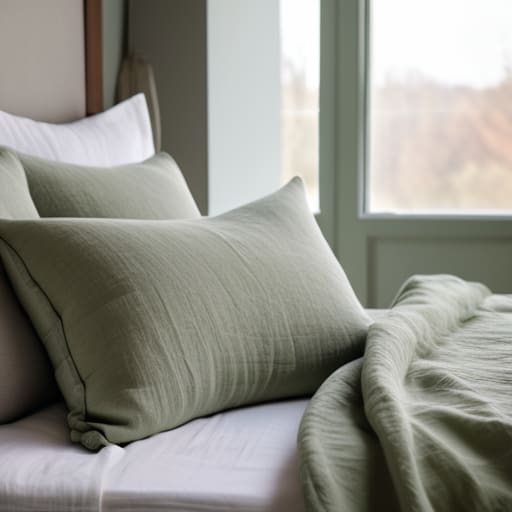
Most people think that the more stars a product has on a website, the better it is, but that’s a load of nonsense. I’ve spent enough years in logistics to know that a high rating often just means someone’s marketing budget is working harder than the actual quality control. When I started looking into linen bedding reviews, I was met with a sea of glowing, superficial comments that told me nothing about how the fabric actually holds up after six months of heavy use. The truth is, most of those “top-rated” sets are nothing more than glorified cotton blends masquerading as luxury, designed to look good in a photo but fall apart after a handful of washes.
I’m not here to sell you on a lifestyle or a trend; I’m here to tell you what’s worth your hard-earned money. In this guide, I’m cutting through the fluff to give you my honest, no-nonsense take on which linens actually possess the durability and substance they claim to have. I’ll show you how to spot the difference between a piece that will last you a decade and the disposable junk that belongs in a landfill.
Table of Contents
Premium European Flax Linen Bedding Set: At a Glance
A heavy-duty, long-lasting bedding set that prioritizes natural durability over the flashy, soft-washed feel of cheap synthetic blends.
Key Specs
- Material: 100% Organic European Flax
- Weight: 180 GSM (Medium-Heavy)
- Packaging: 100% Recyclable Cardboard
Pros
- Exceptional longevity that improves with every single wash
- Superior breathability for year-round temperature regulation
Cons
- Requires a bit of a "break-in" period to soften the initial stiffness
- Higher upfront cost compared to disposable department store sets
First Impressions Design
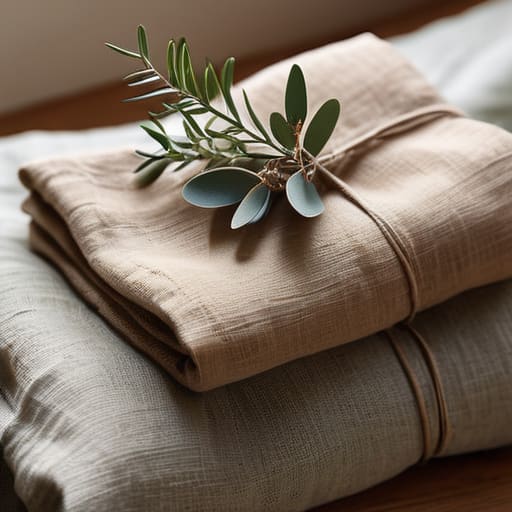
When I first pulled these out of the box, I wasn’t looking for a “lifestyle aesthetic”—I was looking for substance. Most modern bedding arrives in layers of unnecessary plastic, but these were packed in a way that actually respected the environment, which earned my respect immediately.
The first thing you notice is the weight. There is a distinct difference between these and the flimsy, mass-produced sets you see in big-box stores. When you compare linen vs cotton bedding, the structural integrity of the linen is immediately apparent. It doesn’t feel thin or fragile; it feels substantial. The texture has that characteristic, slightly irregular weave that tells you it’s made from real, honest materials rather than a synthetic imitation.
The design is intentionally understated. There are no flashy patterns or ridiculous embroidery that will look dated by next season. Instead, the beauty lies in the stonewashed linen bedding quality, which gives the fabric a soft, lived-in drape right out of the package. It doesn’t look like it’s trying too hard to be “luxury.” It just looks like a set of sheets that is built to endure. If you are tired of things that look perfect on day one and fall apart by day thirty, this kind of functional, timeless design is exactly what you should be looking for.
Key Features in Action
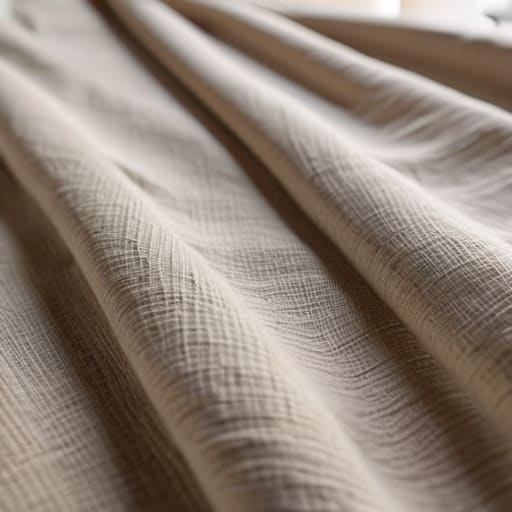
When I first laid these sheets out, I wasn’t looking for a fancy aesthetic; I wanted to see if the material actually performed under pressure. The first thing you notice is the weight. Unlike those thin, flimsy cotton sets that feel like paper, these breathable flax linen sheets have a substantial, honest heft to them.
I spent a few nights testing how they handle temperature. If you’re someone who tosses and turns because you’re running hot, this is where the investment pays off. I’ve spent years managing logistics where efficiency is everything, and frankly, the way linen regulates heat is the most efficient way to sleep. It doesn’t trap moisture like a cheap synthetic blend; it breathes.
The texture is another matter. Because of the stonewashed linen bedding quality, there isn’t that scratchy, stiff feeling you get with lower-end brands. It’s soft right out of the box, but more importantly, it feels like it has structural integrity. You can tell it’s built to endure. While people often debate linen vs cotton bedding, the real difference becomes clear after a few wash cycles. Instead of thinning out and pilling, these fibers seem to settle in and actually get more supple. They aren’t just a purchase; they’re a long-term asset for your bedroom.
Real World Performance
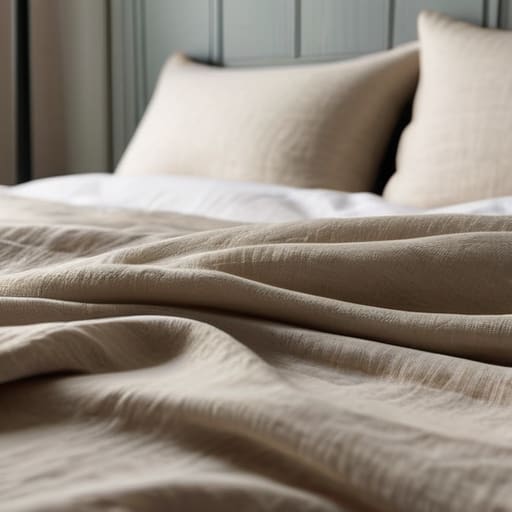
I didn’t put these sheets on my bed just to look at them; I put them there to sleep in them. After two weeks of regular use, the most obvious takeaway is how they handle temperature. If you’re used to those synthetic blends that trap heat like a greenhouse, you’ll notice the difference immediately. These breathable flax linen sheets do exactly what they claim—they regulate your temperature throughout the night, preventing that mid-sleep sweat that usually forces you to kick the covers off.
In terms of texture, I’ve learned that you can’t judge linen the moment it comes out of the box. Some people complain that it feels “rough,” but that’s just a lack of patience. I’ve put these through a few wash cycles, and the stonewashed linen bedding quality is evident in how the fabric softens without losing its structural integrity. Unlike cheap cotton that pills and thins out after a dozen washes, this material actually feels more substantial as it settles in.
When you compare linen vs cotton bedding, the real test is how the fabric holds up to a life of actual use. These haven’t frayed at the seams or lost their shape. They feel like they were built to last, not just to pass a cursory inspection at the store.
Comparison With Alternatives
Now, let’s talk about why you’d actually bother with linen in the first place. Most people I talk to are used to the standard cotton routine, but when you look at linen vs cotton bedding, the difference isn’t just about feel—it’s about longevity.
Cotton is fine for a season or two, but it tends to thin out and lose its structural integrity after a few dozen trips through the wash. I’ve spent enough time in logistics to know that material fatigue is real. Cotton is a consumable; linen is an investment. These breathable flax linen sheets I’ve been testing have a much higher tensile strength. While a cheap cotton set starts looking ragged and pilled within six months, this linen set actually looks better as it ages.
You also have to consider the “disposable” trap of synthetic blends. I see plenty of “luxury” sets online that are actually just polyester masquerading as high-end fabric. They trap heat, they don’t breathe, and they’ll end up in a landfill by next year. If you’re looking for sustainable bedding options, you want something that survives a decade, not a trend cycle. If you buy the cheap stuff, you’re just paying for the privilege of replacing it again in twelve months. Buy it once, and do it right.
Who Is This Product for
I don’t believe in one-size-fits-all solutions, and neither should you. After years of managing logistics, I learned that the right tool is only “good” if it actually fits the job at hand. The same applies to your bedroom.
If you are someone who is constantly chasing the latest synthetic fabric or a flashy pattern you saw in a social media ad, this isn’t for you. This set is for the person who values substance over style. It’s for the sleeper who is tired of waking up in a sweat because their current sheets feel like they’re wrapped in plastic. If you’ve spent years debating linen vs cotton bedding, you likely already know that linen offers a level of temperature regulation that cotton simply can’t match.
I’d recommend these specifically to the “buy it once” crowd—people who want to invest in sustainable bedding options that won’t end up in a landfill next season. Because of the way these are constructed, they are perfect for those who appreciate a lived-in, relaxed aesthetic rather than a stiff, hotel-perfect look. If you want a bed that looks better after five years of use than it did on day one, you’ve found your match. But if you want something that stays perfectly smooth and wrinkle-free every single morning, keep looking.
Value for Money Final Verdict
When I look at the price tag on a set of high-quality linen, I don’t see an expense; I see an investment. Most people make the mistake of comparing linen vs cotton bedding based solely on the initial cost, but that is a rookie error. If you buy cheap cotton sheets that thin out and pill after a single season, you’re essentially throwing money into the bin.
With these breathable flax linen sheets, you are paying for the longevity of the fibers. I’ve spent my career looking at supply chains and material lifecycles, and I can tell you that the stonewashed linen bedding quality here is built to endure years of heavy use and frequent washing. You aren’t just buying a way to sleep; you’re buying the fact that you won’t have to shop for this again in twelve months.
My final verdict is simple: if you are tired of the cycle of buying disposable, low-grade textiles, this is the way out. It’s a premium price, yes, but it’s a sensible purchase for anyone who values substance over flash. Stop chasing the cheap stuff. Buy this set, take care of it, and let it do its job for a decade.
What to Look for Before You Open Your Wallet
- Check the weight, not the brand. Don’t get distracted by fancy labels; look for the GSM (grams per square meter). You want something with enough substance to feel substantial, not a thin, wispy sheet that feels like it’ll tear if you toss and turn.
- Demand 100% European Flax. I’ve seen too many “linen-blend” scams lately. They mix in cheap cotton or polyester to drive the price down, and you end up with a product that pills and loses its shape. If it doesn’t say 100% linen, walk away.
- Inspect the weave for consistency. When you’re looking at reviews or the product itself, look for a tight, even weave. If the slubs (those little natural bumps) look messy or uneven, it’s a sign of poor manufacturing and a short lifespan.
- Prioritize stone-washed finishes. Real linen can be stiff as a board right out of the box. A quality set should be pre-washed to ensure it’s soft from day one and won’t shrink into a useless square the first time it hits your washing machine.
- Look for longevity in the reviews, not just “softness.” Anyone can write that a sheet feels nice for five minutes. I want to read about people who have had these sets for two or three years and still find them holding up. That’s the only metric that matters.
The Bottom Line
Stop buying cheap, thin cotton sets that lose their shape after three washes; this linen is a long-term investment that actually improves with age.
The breathability isn’t just a marketing gimmick—it’s a functional necessity for anyone tired of waking up in a sweat.
It’s a higher upfront cost, but when you factor in the durability, you’re saving money by not replacing disposable bedding every single season.
The Cost of Cheap Comfort
Stop chasing those flimsy, high-thread-count cotton blends that pill after three washes; if you want bedding that actually respects your hard-earned money, buy real linen—it’s the only thing that gets better the more you use it.
Hugo Steenkamp
The Bottom Line
After putting these linen sheets through their paces, the verdict is clear. You aren’t just paying for a bit of fabric; you are investing in a material that actually respects your time and your wallet in the long run. Unlike those flimsy, synthetic blends that pill and lose their shape after three washes, this linen holds its ground. It breathes when the room gets warm, it stays sturdy when you move, and most importantly, it actually improves with age. If you can get past the initial investment, you’ll find that the durability-to-cost ratio is far superior to the endless cycle of replacing cheap cotton sets every single year.
At the end of the day, my philosophy hasn’t changed since my days in logistics: efficiency and longevity are everything. We live in a world that tries to trick you into buying more junk, but your home shouldn’t be a showroom for disposable trends. Choose pieces that have a bit of soul and a lot of grit. When you stop chasing the latest cheap fad and start choosing quality, you stop wasting money and start building a life of substance. Buy it once, buy it well, and let your home be a place of lasting comfort rather than a graveyard of broken promises.
Frequently Asked Questions
How do I know if the linen is actually high-quality or just marketing fluff?
Look, don’t let a fancy label fool you. Most companies use “linen” as a buzzword to charge extra for cheap blends. First, check the weight; real linen has a substantial, slightly irregular texture—it shouldn’t feel unnaturally smooth like polyester. Second, look for “OEKO-TEX” certification to ensure it isn’t riddled with chemicals. Finally, if the price seems too good to be true, it is. High-quality flax isn’t cheap to harvest, so expect to pay for durability.
Is it worth the extra cost if I have to wash it more frequently than cotton?
Look, I’ve spent my life looking at cost-per-use rather than just the sticker price. Yes, linen might require a bit more attention in the laundry, but you have to look at the long game. You aren’t just paying for fabric; you’re paying for durability. While cheap cotton thins out and pills after a few dozen washes, quality linen actually strengthens. If you treat it right, you’re buying years of use, not just a season.
How do I prevent these sheets from looking like a wrinkled mess after the first wash?
Look, if you want perfectly crisp, hotel-style sheets, you’re buying the wrong product. Linen is a natural fiber; it’s supposed to have character. If the wrinkles bother you, don’t overdry them. Pull them out of the machine while they’re still slightly damp and smooth them out by hand over the bed. A quick tumble on low heat for ten minutes can also settle them. Embrace the texture—it’s a sign of quality, not neglect.
