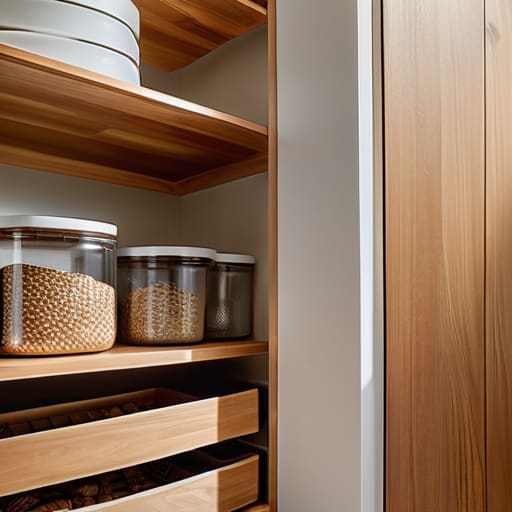
I was looking at a display of those flimsy, clear plastic organizers at the local big-box store the other day, and frankly, it made my blood boil. They’re selling you a lie wrapped in thin, brittle polymer that’s destined for a landfill before the season even changes. Most people think they need a dozen different specialized organizing bins to fix a messy pantry or a cluttered garage, but what they actually need is substance. I spent thirty years in logistics, and if there is one thing I learned, it’s that a system is only as good as the containers holding it together. If you buy into the trend of cheap, disposable storage, you aren’t organizing your home; you’re just delaying the inevitable clutter.
I’m not here to show you a Pinterest-perfect lifestyle that requires a second mortgage to maintain. Instead, I’m going to give you the straight truth on how to select storage that actually performs. I’ll show you which materials stand up to real-world use and how to pick a few sturdy, versatile options that will serve you for decades rather than months. We are going to focus on utility over aesthetics, ensuring every cent you spend results in a home that stays orderly because the foundation is built to last.
Table of Contents
The Wisdom of Clear Storage Bins for Visibility
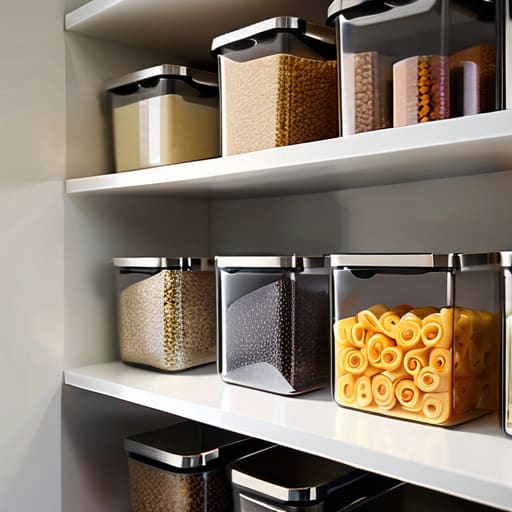
There is no sense in buying a container if you can’t actually see what’s inside it. I’ve spent enough years in warehouses to know that “out of sight” usually means “out of mind,” which leads to you buying a second version of something you already own. That is a waste of hard-earned money. Using clear storage bins for visibility solves this problem immediately. When you can see the contents through the side of the bin, you maintain an instant inventory without having to dig through a mountain of clutter.
If you are working with limited square footage, I suggest looking into stackable container solutions. These allow you to utilize vertical space effectively, which is essential in a cramped pantry or a busy laundry room. However, don’t just grab the flimsy, thin-walled plastic sets you see in those flashy advertisements. Look for something with a bit of heft—something that won’t buckle under the weight of the bottom layer. A well-organized space shouldn’t just look tidy; it should be built to withstand daily use without falling apart.
Invest in Heavy Duty Storage Tubs That Endure
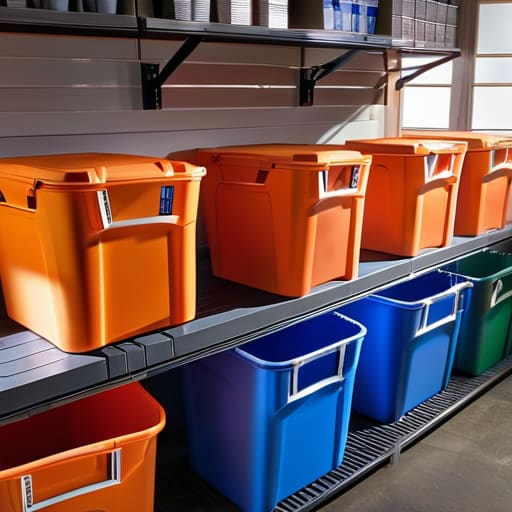
If you’ve ever tried to move a stack of those flimsy, thin-walled plastic bins from one side of the garage to the other, you know exactly what I’m talking about. They buckle under their own weight, the lids pop off, and eventually, they end up in a landfill. I spent three decades in logistics, and I can tell you that if a container isn’t built to withstand the pressure of its own contents, it isn’t a solution—it’s just more future trash. When you are looking for long-term storage, you need to prioritize heavy duty storage tubs made from high-density polyethylene. These are the workhorses that can actually handle the weight of tools, seasonal gear, or hardware without cracking.
I always look for a design that offers structural integrity through reinforced walls and secure, latching lids. You want something that stays sealed even if it’s being moved around. While some people swear by stackable container solutions for saving space, make sure those containers have recessed lids. This prevents the bottom bin from sliding out from under the stack when you reach for something. It’s about buying gear that serves you for twenty years, not twenty days.
Five Rules for Buying Bins That Won't End Up in a Landfill
- Stop buying by the dozen just because they’re cheap. It’s better to buy three high-quality, thick-walled containers that can handle the weight of your tools or linens than twenty flimsy ones that warp the moment you stack them.
- Check the lid integrity before you head to the checkout. A bin is only as good as its seal; if the lid is thin or doesn’t snap firmly into place, you’re just buying a glorified, open-top box that’ll spill your contents the moment you move it.
- Measure twice and buy once. There is nothing more frustrating than spending money on a set of organizers only to find they don’t fit your shelf space. Measure your cupboard or garage shelving with a real tape measure, not your eyes.
- Prioritize materials that actually last. I avoid those thin, brittle plastics that crack when the temperature changes. Look for reinforced corners and heavy-duty polymers that feel substantial in your hands.
- Avoid the “aesthetic” trap. Don’t buy a bin just because it looks pretty in a social media photo. If it doesn’t serve a specific functional purpose in your home, it’s just more clutter you’ll eventually have to throw away.
Summary: Stop Buying Junk, Start Organizing for Good
Stop chasing the cheap, flimsy plastic sets from big-box retailers that crack the moment you overfill them; if it isn’t sturdy enough to stack, it isn’t worth the shelf space.
Prioritize visibility by choosing clear bins for frequently used items, so you aren’t wasting time digging through opaque clutter like a person looking for a lost tool in a dark shed.
Look for materials that actually last and packaging that doesn’t end up in a landfill—investing in quality bins is a one-time expense that saves you money and headache in the long run.
The Cost of Cheap Plastic
I’ve spent enough time in logistics to know that if you buy a bin that’s too flimsy for the job, you aren’t saving money—you’re just paying for the privilege of buying it again next season.
Hugo Steenkamp
Making the Right Investment
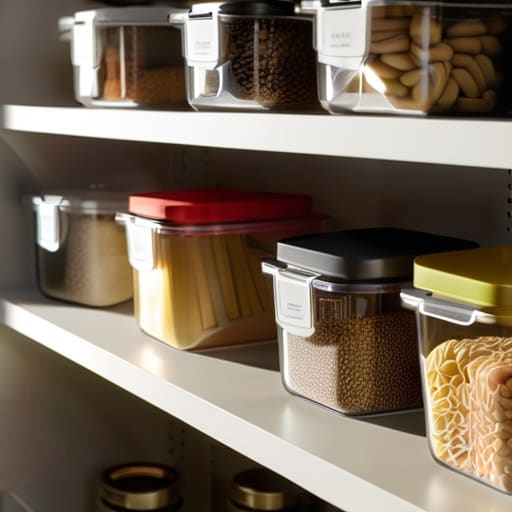
At the end of the day, organizing your space isn’t about following a Pinterest trend or buying every gadget that hits the market. It’s about efficiency and longevity. Whether you decide to go with clear bins so you can actually see your inventory at a glance, or you opt for those heavy-duty tubs that can withstand a real load without buckling, the goal remains the same: stop the cycle of waste. Don’t fall into the trap of buying a dozen flimsy plastic containers just because they’re cheap; they’ll be in a landfill before you’ve even finished your next seasonal reorganization. Focus on durability and utility, and you’ll find that your home stays much more manageable.
I’ve spent my career watching how things move through a system, and I can tell you that a disorganized space is just a broken supply chain in your own living room. When you invest in quality storage, you aren’t just tidying up; you are reclaiming your time and your peace of mind. Stop settling for the disposable culture that tells you everything is replaceable. Instead, build a home filled with tools and organizers that serve a purpose and endure. Buy it once, buy it well, and let your belongings work for you rather than against you.
Frequently Asked Questions
How can I tell if a plastic bin is actually heavy-duty or just cheap marketing fluff?
Don’t let a “heavy-duty” label on a shiny box fool you. I always check the gauge of the plastic first; if it feels thin or flimsy like a takeout container, put it back. Give the sides a firm squeeze—if they flex or creak easily, it’s junk. Real quality has a bit of weight to it and a matte, slightly textured finish. If it looks like it belongs in a landfill after one move, it isn’t heavy-duty.
Is it worth spending more on stackable bins, or will they just buckle under the weight of my tools?
If you’re storing tools, don’t bother with those flimsy, stackable plastic trays you see in big-box aisles. They’ll buckle the moment you put a heavy wrench or a mallet in them. You have to pay more upfront for reinforced walls and a structural rim designed to take weight. It’s a simple math problem: spend more now on a rigid, stackable bin that holds its shape, or spend twice as much later replacing a pile of crushed plastic.
What's the best way to organize these bins so I'm not constantly digging through them every time I need something?
Stop treating your storage like a junk drawer. If you’re constantly digging, you haven’t organized; you’ve just relocated the mess. Label everything—and I mean clearly, with a permanent marker or a sturdy tag—so you know exactly what’s inside without cracking the lid. Group items by frequency of use. The things you grab every week stay front and center; the seasonal stuff goes in the back. If you can’t see it, you’ll forget it exists.
