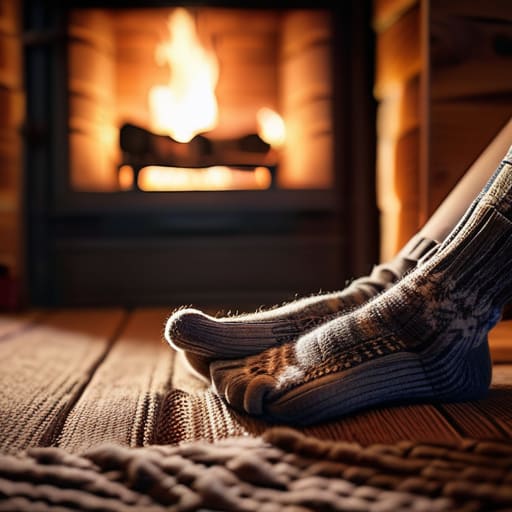
I spent thirty years in logistics, so I know exactly what happens when a company prioritizes flashy marketing over actual structural integrity. Lately, it seems like every brand is trying to sell you “high-performance” footwear that’s nothing more than a glorified pile of cheap synthetic fibers wrapped in a fancy label. You see these ads for “revolutionary” hiking gear, but most of it is just disposable junk designed to end up in a landfill by next season. If you’re tired of buying a pack of socks only to have them develop holes before you’ve even finished your first real walk, then you need to stop chasing the trends and look at the material science. Real quality starts with merino wool socks, and frankly, if they aren’t built to last, they aren’t worth your hard-earned money.
I’m not here to give you a sales pitch or drone on about “advanced moisture-wicking technology” like some marketing brochure. I’m going to give you the straight truth based on what actually survives a season of heavy use. I’ll show you how to spot the difference between a solid investment and a total waste of cash, so you can buy them once and finally stop worrying about your feet.
Table of Contents
Why Breathable Natural Fabrics Outlast Every Passing Fad
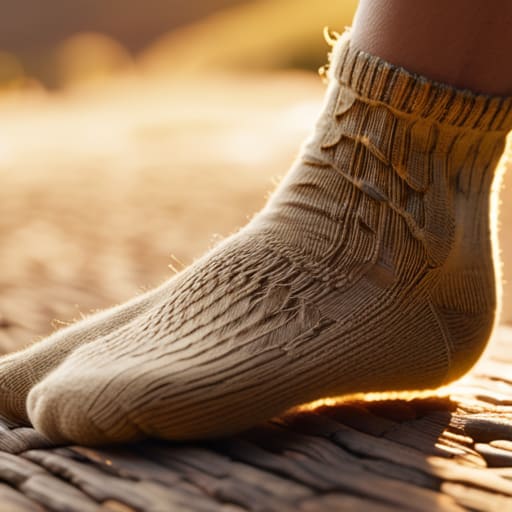
I’ve spent enough years in logistics to know that when a material fails, the whole system breaks down. The same applies to what you wear. Most people today are content with cheap, synthetic blends that feel fine for ten minutes but turn your feet into a swamp the moment you start moving. These plastics don’t breathe; they just trap heat and moisture, leading to blisters and discomfort. I always tell my friends: stop chasing the convenience of disposables.
When you look at breathable natural fabrics, you’re looking at a superior engineering feat that no factory-made polyester can match. Merino wool, for instance, offers incredible temperature regulation that works with your body rather than against it. It keeps you warm when the frost hits and cool when the sun is high. Plus, the natural odor-resistant properties mean you aren’t washing them into oblivion every single day. If you want gear that actually performs and survives years of heavy use, you have to stop settling for the cheap stuff and invest in materials that were built to endure.
Thermal Insulation for Feet That Truly Endures
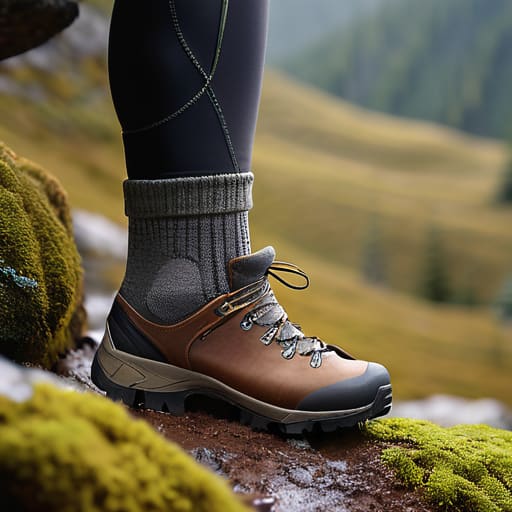
Most people make the mistake of thinking “warmth” just means thickness. They grab those bulky, oversized synthetic socks that feel like walking on stuffed pillows, only to find their feet are sweating and clammy twenty minutes later. That’s not insulation; that’s a recipe for discomfort. Real thermal insulation for feet comes from the fiber’s ability to manage heat, not just trap it.
Merino wool is different because it excels at temperature regulation. It works with your body rather than against it. When it’s cold, the fibers trap air to keep you warm; when you step into a heated office or start walking uphill, they release that excess heat. Unlike cotton, which holds onto moisture and turns into a cold, soggy mess, these natural fibers utilize their moisture wicking properties to keep your skin dry. In my thirty years in logistics, I learned that efficiency is everything—and there is nothing inefficient about a sock that can’t handle a change in environment. If you want gear that performs from the morning frost to the afternoon sun, stop settling for cheap imitations.
How to Spot Real Quality Before You Open Your Wallet
- Check the blend, not the marketing. If the label shows a massive percentage of nylon or polyester, walk away. You want high-percentage merino wool to ensure the fabric actually performs the way it’s supposed to.
- Look for reinforced heels and toes. In my years managing logistics, I learned that the weakest link is always where the most stress occurs. A quality sock should have extra cushioning in those high-wear zones to prevent holes.
- Avoid the “ultra-thin” trap. Some brands try to sell paper-thin socks as a premium feature, but they lack the structural integrity needed for daily wear. You want a medium weight that offers substance without being bulky.
- Inspect the stitching. If the seam feels scratchy or uneven in the packaging, it’s going to irritate your skin within an hour of walking. A well-constructed sock should feel seamless and sturdy from the jump.
- Verify the manufacturer’s durability claims. Don’t just take their word for it; look for brands that offer a solid guarantee or have a reputation for longevity. If they aren’t willing to stand behind the product, I’m not willing to buy it.
The Bottom Line on Your Footwear Investment
Stop buying those cheap synthetic blends that lose their shape after three washes; a proper pair of merino wool socks is a long-term utility, not a disposable expense.
Look for density and fiber quality over flashy branding, because a sock that can’t manage moisture or temperature is just a waste of your hard-earned money.
Treat your socks like any other tool in your kit—invest in the best version you can afford so you aren’t constantly replacing junk every few months.
Stop Buying Disposable Footwear
I’ve spent enough years in logistics to know the difference between a product built to last and one built to be replaced; stop throwing your money away on cheap synthetic blends that lose their shape in a week and just invest in a proper pair of merino socks that will actually stand the test of time.
Hugo Steenkamp
Making the Right Call for Your Feet
At the end of the day, choosing the right socks comes down to a simple calculation of value versus waste. We’ve looked at how the natural breathability of merino wool keeps your feet dry, and how its ability to regulate temperature makes it far superior to those flimsy, synthetic blends that lose their shape after three washes. When you stop looking at the price tag on a cheap multipack and start looking at the cost-per-wear, the math becomes clear. A solid pair of merino wool socks isn’t just a purchase; it is a sensible investment in your own comfort and a refusal to participate in the cycle of buying junk that ends up in a landfill by next season.
I’ve spent my career watching how things move through a supply chain, and I can tell you that the most efficient system is the one where you don’t have to keep replacing what you already have. Don’t let the marketing departments convince you that you need a new drawer full of disposable fabric every few months. Build a wardrobe of items that serve a real purpose and possess the grit to endure the elements. Buy them once, buy them well, and let your gear be something you can actually rely on. That is how you build a home and a life that lasts.
Frequently Asked Questions
How do I tell if a pair is actually high-quality merino or just a cheap blend with a tiny bit of wool thrown in for marketing?
Don’t let the marketing fool you; if the label says “merino blend” and lists nylon or polyester first, walk away. You’re looking for a high percentage of wool—ideally 70% or more. Check the weight, too. Cheap socks feel thin and flimsy, like they’ll develop holes by next Tuesday. A quality pair should have a substantial, dense feel and a tight knit that holds its shape even after you pull them out of the drawer.
Are these socks actually durable enough for daily wear, or will I be replacing them every few months like those synthetic junk brands?
Look, I’ve spent enough time in logistics to know that if a product is built with cheap materials, it’s destined for a landfill. Most of those synthetic brands use thin, plastic-based fibers that fray and thin out after a dozen washes. Real merino wool, when it’s high-quality, is a different beast entirely. If you treat them right and don’t over-wash them, these aren’t “every few months” socks; they’re years-long investments.
How on earth do I wash these without ruining them or making them shrink into something useless?
Look, I’ve seen too many people treat quality gear like old rags, and that’s how you end up with useless scraps. Don’t go throwing these in a hot wash with your heavy denim; that’s a recipe for disaster. Use cold water, a gentle cycle, and for heaven’s sake, stay away from the dryer. Lay them flat to air dry. It takes a bit more patience, but it’s the only way to ensure they actually last.
