Category: Home Goods

  • Creating Ambiance With Taper Candles

    Creating Ambiance With Taper Candles

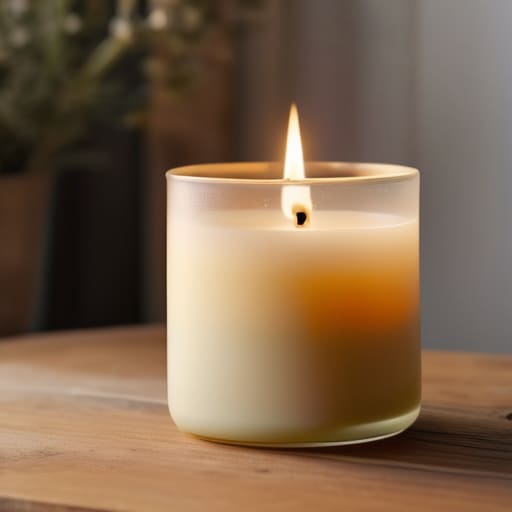
    I was sitting in my workshop last Tuesday, cleaning out an old drawer, when I found a box of those flimsy, paraffin-filled taper candles I’d bought on a whim from a big-box retailer years ago. They were a disaster—warped, smelled like a chemical plant, and left a greasy, soot-covered mess on my dining table that took an hour to scrub off. It’s the same nonsense I see everywhere lately: people spending a fortune on “designer” labels only to realize they’ve purchased disposable junk that performs worse than a cheap tea light. If you’re looking for a way to light a room, don’t let the flashy marketing fool you into buying wax that’s mostly filler and fake fragrance.

    I’m not here to sell you on a lifestyle or some fleeting interior design trend. My goal is simple: I want to show you how to identify real, high-quality taper candles that actually burn clean and hold their shape from the first light to the very end. I’ll tell you exactly what to look for in terms of wax composition and weight, so you can buy it once and stop wasting your hard-earned money on rubbish.

    Table of Contents

    Understanding Wax Candle Types and Quality

    Understanding Wax Candle Types and Quality guide.

    When you start looking at the shelves of a big-box retailer, you’ll see a mountain of cheap, paraffin-based sticks that look fine under fluorescent lights but perform poorly the moment you light them. Most of that stuff is just petroleum byproduct, and it burns fast, smoky, and messy. If you want to do this right, you need to understand wax candle types and quality before you open your wallet. I always steer clear of the low-grade paraffin; it lacks the structural integrity needed for a clean burn. Instead, look for beeswax or high-quality soy. Beeswax is the gold standard in my book—it’s natural, it burns longer, and it doesn’t release those nasty chemicals into your living room.

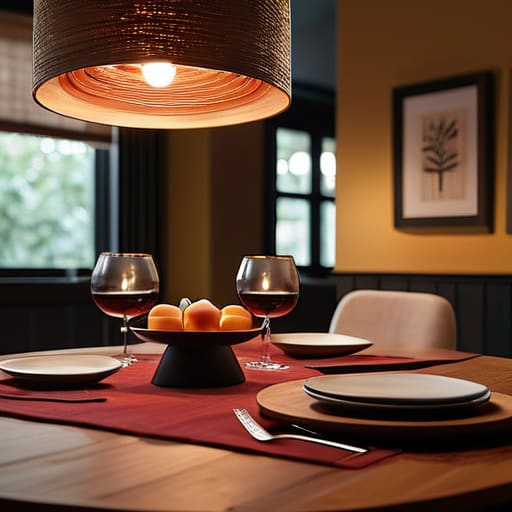
    If you’re setting a table for a proper meal, I highly recommend opting for unscented taper candles for dining. There is no sense in having a heavy artificial jasmine scent competing with the aroma of a well-cooked roast. You want the atmosphere to be warm, not perfumed like a department store. Stick to solid, heavy-weight options that won’t wilt or lean as the temperature rises. It’s about substance over style, every single time.

    The Practical Benefits of Dripless Taper Candles

    The Practical Benefits of Dripless Taper Candles

    Look, I’ve spent enough time cleaning hardened wax off mahogany dining tables to know that cheap candles are a liability, not a luxury. When you opt for quality, the dripless taper candles benefits become immediately apparent. You aren’t just buying a light source; you’re buying peace of mind. A well-made, high-quality wax column holds its structural integrity as it burns, rather than collapsing into a puddle of mess. It’s the difference between a tool that works as intended and a piece of junk that creates more work for you.

    Beyond the lack of cleanup, there is a practical side to how these affect your environment. If you are setting the table for a proper meal, I always suggest sticking to unscented taper candles for dining. There is no sense in having a heavy, artificial jasmine scent competing with the aroma of a good roast or a well-prepared stew. You want the ambiance to be subtle, not overwhelming. When you invest in candles that actually behave themselves, you can focus on the conversation and the meal, rather than hovering over the table with a paper towel.

    Five Rules for Buying Taper Candles That Aren't a Waste of Time

    • Check the weight before you buy. A quality candle should feel substantial in your hand. If it feels light and hollow like a piece of plastic, it’s likely filled with cheap fillers that will burn unevenly and leave you with a mess.
    • Stick to natural waxes like beeswax or high-grade soy. I don’t care how much they smell like a department store; paraffin is a petroleum byproduct that soot-stains your walls and produces more smoke than light.
    • Look for a straight, consistent pour. If you see air bubbles or uneven edges on the candle itself, the manufacturing process was rushed. A poorly made candle will lean or tip as it burns, which is a safety hazard you don’t need in your home.
    • Invest in proper brass or heavy ceramic holders. Using flimsy, lightweight holders is a recipe for a tipped candle. You want something with enough heft to stay anchored on the table, no matter how much the wick burns down.
    • Avoid the “scented” trap. Most mass-market scented tapers use synthetic fragrances that overwhelm the room and burn off too quickly. If you want atmosphere, use real beeswax—it has a natural, subtle honey scent that actually lasts.

    The Bottom Line on Buying Tapers

    Stop buying those cheap, paraffin-heavy candles that soot up your ceilings and burn out in an hour; look for high-quality beeswax or soy if you want a clean, steady burn.

    If you’re tired of cleaning up wax puddles on your dining table, spend the extra few dollars on genuine dripless tapers—it’s a small investment that saves a massive amount of cleanup time.

    Always check the weight and thickness of the candle before you buy; a flimsy, lightweight taper is just more disposable junk that’s going to lean and snap before the night is over.

    ## The Cost of Cutting Corners

    “I’ve spent enough years in logistics to know that if a product is priced too low to be true, you’re paying for it later in waste and frustration. A cheap, soot-heavy candle isn’t a bargain; it’s just a mess waiting to happen. Buy a real wax taper that burns clean and steady—it’s better for your lungs, your furniture, and your wallet in the long run.”

    Hugo Steenkamp

    Making the Right Call

    Making the Right Call with quality candles.

    At the end of the day, choosing the right taper candle comes down to looking past the fancy packaging and focusing on what’s actually inside. You’ve learned that the type of wax matters immensely—whether it’s the clean, steady burn of beeswax or the reliable performance of a high-quality paraffin. You also know that opting for a dripless variety isn’t just about tidiness; it’s about the practical reality of not spending your evening scrubbing wax off your dining table. Don’t fall into the trap of buying those cheap, thin sticks from the discount aisle that gutter out halfway through dinner. If you take the time to invest in quality wax and sturdy construction, you’re buying a better experience for every meal and gathering you host.

    My advice is simple: stop treating home essentials like they are disposable. A well-chosen candle isn’t just a piece of decor; it is a way to set a mood that lasts. When you buy things that are built to perform, you aren’t just spending money—you are rejecting the culture of waste that defines so much of modern life. Find the candles that burn clean, stay straight, and serve their purpose without a fuss. Buy them once, use them well, and let them bring a bit of timeless stability to your home.

    Frequently Asked Questions

    How can I tell if a candle is made from real beeswax or just cheap paraffin disguised with scents?

    Don’t let a fancy label fool you; most retailers love hiding cheap paraffin behind “natural” marketing. Here’s the shortcut: smell it. Real beeswax has a distinct, subtle honey aroma that lingers even without added oils. If it smells like a chemical factory or nothing at all, it’s paraffin. Also, check the weight and color. Genuine beeswax is heavier and has a natural, warm golden hue that doesn’t look uniform or “perfect.”

    What is the best way to store my candles so they don't warp or lose their shape in a warm room?

    Keep them out of the sun and away from any heat vents. I’ve seen too many people leave their candles on a windowsill, only to find them slumped and useless by noon. If your house gets particularly warm, store them in a cool, dark cupboard or even the refrigerator. It sounds extreme, but keeping them in a stable, temperature-controlled environment ensures they stay straight and ready for when you actually need them.

    Are there specific types of holders I should look for to ensure a heavy-duty taper doesn't tip over?

    Look for holders with a wide, weighted base—nothing flimsy or top-heavy. If the base is lightweight brass or thin glass, it’s a disaster waiting to happen. You want something substantial that sits firmly on the table. Ideally, find solid metal or heavy ceramic. A sturdy base isn’t just about aesthetics; it’s about stability. If the holder can’t anchor a heavy-duty candle, it’s just more cheap junk destined for the bin.

  • Elevating Your Sink With Ceramic Soap Dispensers

    Elevating Your Sink With Ceramic Soap Dispensers

    I was cleaning out my workshop the other day when I found a graveyard of cracked plastic bottles—the kind you buy in those cheap, multi-packs that feel like they’ll disintegrate if you look at them wrong. It’s the same nonsense happening in most bathrooms today; people are constantly replacing flimsy, disposable junk because it’s “convenient.” Honestly, it’s a massive waste of money. If you want to stop that cycle of endless replacement, you need to look toward ceramic soap dispensers. They aren’t just a design choice; they are a sensible investment in something that actually has the heft and durability to stay on your counter for years rather than weeks.

    I’m not here to sell you on some overpriced, gold-plated trinket that looks pretty but breaks the first time it slips. My goal is to cut through the marketing fluff and show you how to identify a piece of stoneware that is built to last. I’ll be sharing my straightforward criteria for finding ceramic soap dispensers that offer real value, from the quality of the pump mechanism to the weight of the base. We’re going to focus on buying it once and buying it well.

    Table of Contents

    Ceramic vs Plastic Soap Dispensers Choosing Endurance Over Convenience

    Ceramic vs Plastic Soap Dispensers Choosing Endurance Over Convenience

    I’ve spent decades looking at supply chains, and I can tell you one thing for certain: plastic is designed to fail. Most of those flimsy, brightly colored bottles you see in big-box stores are built on a cycle of planned obsolescence. They crack under pressure, the pumps seize up after three weeks, and eventually, they’re tossed into a landfill. When you weigh ceramic vs plastic soap dispensers, the choice isn’t just about looks; it’s about whether you want to shop for the same item every six months or finally be done with it.

    If you opt for handcrafted pottery soap bottles, you’re investing in weight and stability. A solid ceramic piece stays put on a wet surface, whereas a light plastic bottle slides around like it’s on ice. Beyond the durability, there is a certain dignity in using something that feels substantial in your hand. These aren’t just vessels for soap; they are tools for a functional home that don’t feel like disposable junk. Stop settling for convenience that costs you more in the long run.

    The Lasting Charm of Handcrafted Pottery Soap Bottles

    The Lasting Charm of Handcrafted Pottery Soap Bottles

    There is something to be said for an object that has a soul. When you look at mass-produced plastic, you see a factory line; when you look at handcrafted pottery soap bottles, you see the thumbprints of a person who actually cared about the work. I’ve spent enough time in workshops to know that anything made by hand carries a weight and a texture that machines simply cannot replicate. These pieces don’t just sit on your sink; they anchor the space.

    Beyond the tactile feel, there is a practical permanence here. Unlike those flimsy, branded bottles that crack if you look at them sideways, a well-fired piece of stoneware is built to endure. Whether you are looking for minimalist kitchen countertop accessories or something to steady a cluttered sink, these pieces offer a sense of order. They turn a mundane chore—like washing your hands—into a moment of substance. If you are going to clutter your home with items, at least make sure they are worth looking at.

    How to Pick a Dispenser That Won't Let You Down

    • Check the pump mechanism before you buy. I’ve seen enough cheap hardware to know that a heavy ceramic base means nothing if the pump is made of thin, brittle plastic that snaps after three weeks of use. Look for something with a sturdy, metal-spring pump.
    • Avoid overly complicated designs. If the dispenser has intricate carvings or deep crevices, you’re just asking for a headache when it comes time to clean it. You want smooth surfaces that you can wipe down in seconds without a specialized tool.
    • Look for weight and stability. A lightweight ceramic piece is going to slide all over your countertop every time you try to press the pump. You want a thick-walled, heavy-duty piece that stays exactly where you put it.
    • Inspect the glaze for imperfections. A quality piece should have a consistent, high-quality finish. If the glaze looks thin or uneven, it’s likely a mass-produced piece of junk that will chip the first time it hits the edge of the sink.
    • Think about the refill process. Don’t get stuck with a narrow-necked bottle that requires a funnel just to add more soap. A wide opening makes refilling a simple task rather than a messy chore that wastes product.

    The Bottom Line on Your Sinkside Setup

    Stop the cycle of buying cheap plastic bottles every few months; investing in a heavy ceramic dispenser is a one-time cost that pays for itself in durability.

    Look for weight and texture—a quality ceramic piece should feel substantial in your hand, not like a flimsy piece of molded junk.

    Choose timeless designs over trendy colors so your bathroom stays functional and dignified for years, rather than looking dated by next season.

    The True Cost of Cheap Plastic

    “I’ve spent enough years managing supply chains to know that if you buy a piece of flimsy plastic today, you’re just paying for the privilege of buying it again in six months. A solid ceramic dispenser isn’t an indulgence; it’s a decision to stop participating in the cycle of disposable junk.”

    Hugo Steenkamp

    Making the Right Call for Your Home
    Making the Right Call for Your Home.

    At the end of the day, choosing a ceramic soap dispenser isn’t just about how it looks on your countertop; it’s about a fundamental shift in how you manage your household. We’ve looked at why ditching that flimsy, cracked plastic for something substantial makes sense, and why the weight and texture of handcrafted pottery offer a level of character that mass-produced junk simply cannot replicate. When you opt for ceramic, you are choosing a product that stands its ground against daily wear and tear, ensuring you won’t be heading back to the store to replace a broken pump in six months. It is a simple decision, but it is one that favors endurance over temporary convenience.

    I’ve spent my career looking at supply chains and seeing exactly how much waste is generated by products designed to fail. My advice is simple: stop treating your home like a testing ground for disposable trends. When you invest in a solid, well-made piece of stoneware, you are making a statement that you value quality over quantity. Buy something that feels heavy in your hand and looks just as good five years from now as it does today. Do yourself a favor and buy it once, buy it well, and let your home be filled with things that actually last.

    Frequently Asked Questions

    How do I know if the ceramic is high-quality enough to handle daily use without cracking?

    Look, don’t just grab the first pretty thing you see on a shelf. You want weight. If a ceramic dispenser feels hollow or light like a cheap trinket, put it back. You’re looking for high-fired stoneware or porcelain; these are denser and far more resilient to the bumps and scrapes of a busy sink. Give it a gentle tap—it should sound solid, not thin. If it feels flimsy, it’ll crack. Buy the heavy stuff.

    Are these dispensers easy to clean, or will soap scum build up in the crevices?

    Look, I’ve seen enough cheap, molded plastic to know that grime finds a way into every tiny crevice. That’s why I prefer ceramic. Most quality pieces have a smooth, glazed finish that makes soap scum slide right off with a quick wipe. Just avoid those overly ornate, “fussy” designs with too many deep grooves; they’re a headache to scrub. Stick to something with clean lines, and you’ll spend less time cleaning and more time enjoying a tidy sink.

    Can I actually find decent ceramic options that don't come wrapped in a mountain of non-recyclable plastic?

    It’s a valid concern. I’ve seen too many “premium” goods arrive buried in layers of useless bubble wrap and polystyrene. It’s a logistical nightmare and a slap in the face to anyone trying to live responsibly. Look for independent potters or small-batch studios—they usually understand the value of paper-based, recyclable packaging. If you’re buying from a big-box retailer, check the shipping details first. If it’s all plastic, walk away. Don’t settle for waste.

  • Using Amber Glass Bottles for Organization

    Using Amber Glass Bottles for Organization

    I was cleaning out my workshop the other day when I stumbled upon a stack of old, mismatched plastic spray bottles, all of them cracked, leaking, or looking like absolute rubbish. It hit me right then: we’ve been conditioned to accept this cycle of buying cheap, disposable junk that ends up in a landfill before the year is out. Most people think they need a cupboard full of specialized, branded plastic containers for every little household liquid, but that’s just expensive nonsense. If you want to stop the clutter and actually protect what you’re storing, you need to switch to amber glass bottles. They aren’t just a trend; they are a practical tool for anyone tired of wasting money on things that don’t last.

    I’m not here to sell you on some lifestyle aesthetic or tell you how “pretty” your pantry will look for a social media post. I’m going to give you the straight truth on why these bottles are a superior investment for your home. I’ll walk you through the durability, the UV protection benefits, and exactly what to look for so you buy it once and buy it well.

    Table of Contents

    Protecting Light Sensitive Liquids From Fleeting Damage

    Protecting Light Sensitive Liquids From Fleeting Damage

    Protecting Light-Sensitive Liquids from Fleeting Damage

    Most people don’t realize that sunlight is a silent killer for the things they spend good money on. Whether it’s high-end essential oils or a quality botanical serum, exposure to light triggers a chemical breakdown that turns a premium product into useless sludge. I’ve seen too many folks throw away perfectly good oils simply because they left them sitting in a clear plastic bottle on a sunny windowsill. By using refillable glass containers in a dark tint, you aren’t just being fancy; you are actively protecting light-sensitive liquids from degrading before they can do their job.

    It’s a matter of simple preservation. When you opt for amber, you’re creating a shield that blocks the harmful rays that cause oxidation. This isn’t about following some fleeting trend; it’s about the practical reality of UV protection for essential oils and other delicate compounds. If you want your supplies to actually work the way the manufacturer intended, you need to house them in something that offers real defense. Stop wasting money on products that expire because of poor storage.

    Refillable Glass Containers the End of Disposable Waste

    Refillable Glass Containers the End of Disposable Waste

    I’ve spent enough years in logistics to know that the “buy-use-toss” cycle is a massive drain on both your wallet and the planet. Every time you buy a new plastic bottle of soap or oil, you’re paying for the packaging twice—once when you buy it, and again when you pay the environmental cost of disposing of it. Switching to refillable glass containers isn’t just a trend; it’s a sensible way to break that cycle. Once you have a decent set of glass vessels, you stop being a consumer of trash and start being a curator of your own supplies.

    There is a certain satisfaction in seeing a shelf lined with uniform, high-quality glass rather than a mismatched collection of neon plastic. It moves you away from the clutter and toward a more minimalist bathroom aesthetic that actually feels organized. Plus, these bottles are built to endure. You can wash them, reuse them, and rely on them year after year. If you want to stop throwing money into the bin every time you run out of something, this is the simplest change you can make.

    Five Rules for Making the Most of Your Glassware

    • Stop buying the cheapest ones you find. If you’re going to commit to glass, make sure the walls are thick and the glass feels substantial in your hand. Thin, cheap glass will crack the moment you drop it or even when you tighten a lid too hard.
    • Get the right seal. There is no point in having a sturdy bottle if the lid is a piece of flimsy plastic that leaks everywhere. Look for bottles with high-quality gaskets or metal screw caps that actually create a vacuum seal.
    • Use them for what they were meant for. Don’t just use amber glass for aesthetics. Use it for your essential oils, tinctures, or anything that reacts to sunlight. If you aren’t using the UV protection, you’re just wasting money on the color.
    • Label things properly and permanently. Since you aren’t going to be throwing these bottles away every month, you need a labeling system that lasts. Use something more durable than a cheap sticker that peels off in a week; use a glass marker or high-quality, water-resistant labels.
    • Clean them right to ensure they last. If you’re reusing these for different liquids, don’t just rinse them with water. Use a proper brush and a bit of vinegar or mild soap to strip away any residue. A clean bottle is a functional bottle, and you want to avoid any contamination in your next batch.

    The Bottom Line on Amber Glass

    Stop throwing money away on single-use plastic; glass is a one-time investment that pays for itself every time you refill.

    Protect your expensive oils and soaps from spoiling by using amber glass to block out the UV rays that degrade quality.

    Choose durability over convenience—a sturdy glass bottle won’t crack or leach chemicals, making it a sensible addition to any permanent home.

    A Lesson in Longevity

    I’ve spent enough years watching supply chains move cheap, flimsy plastic around the world to know a bad investment when I see one. If you want to stop throwing money down the drain, stop buying single-use containers and invest in amber glass; it’s one of the few things left that actually does its job without needing to be replaced every few months.

    Hugo Steenkamp

    Making the Switch for Good

    Making the Switch for Good to amber.

    When you step back and look at the big picture, switching to amber glass isn’t just about tidying up a shelf; it’s about making a sensible logistical decision for your household. We’ve covered how these bottles shield your expensive oils and tinctures from UV damage and how they provide a sturdy, reliable alternative to the endless cycle of single-use plastics. Instead of constantly managing a mountain of trash and buying flimsy replacements, you are investing in a system that works. It’s about choosing durability over convenience and realizing that a little bit of upfront quality saves you a massive headache—and a lot of money—down the road.

    At the end of the day, I want my home to be a place of substance, not a collection of temporary fixes. Every time you reach for a glass bottle instead of a cheap plastic one, you are casting a vote for a more intentional way of living. Stop letting the marketing machines convince you that you need something new every single month. Find the tools and containers that can stand the test of time, and build a home that reflects that kind of stability. Buy it once, buy it well, and let the quality speak for itself.

    Frequently Asked Questions

    Are these bottles sturdy enough to handle being moved around, or will they shatter the moment they clink together?

    Look, I’ve spent enough time in warehouses to know that durability isn’t just a marketing buzzword—it’s a requirement. If you’re buying high-quality amber glass, they’ve got some decent heft to them. They aren’t fragile like a wine glass, but you shouldn’t be tossing them around like pebbles. If you pack them carefully and don’t treat them like cheap plastic, they’ll stand up to daily use without breaking a sweat.

    How do I properly clean and sanitize them to make sure nothing grows inside between refills?

    Don’t just rinse them with water and call it a day; that’s how you end up with mold. I always use a bottle brush to scrub the interior thoroughly. For a real sanitize, a quick soak in a solution of warm water and white vinegar works wonders. If you’re dealing with something oily, a bit of dish soap and some coarse salt can act as a natural abrasive. Clean them well, dry them completely, and then you’re good to go.

    Is there a significant difference in price between these and the cheap plastic stuff, and is the long-term value actually there?

    Look, I’ll be blunt: yes, you’ll pay more upfront. A pack of amber glass will cost more than a bag of cheap plastic spray bottles. But if you look at the math, the plastic is a scam. You buy it, it cracks or the pump fails, and you’re back at the store in three months. With glass, you buy it once, refill it, and it stays on your counter for years. That’s real value.

  • The Comfort of Merino Wool Socks

    The Comfort of Merino Wool Socks

    I spent thirty years in logistics, so I know exactly what happens when a company prioritizes flashy marketing over actual structural integrity. Lately, it seems like every brand is trying to sell you “high-performance” footwear that’s nothing more than a glorified pile of cheap synthetic fibers wrapped in a fancy label. You see these ads for “revolutionary” hiking gear, but most of it is just disposable junk designed to end up in a landfill by next season. If you’re tired of buying a pack of socks only to have them develop holes before you’ve even finished your first real walk, then you need to stop chasing the trends and look at the material science. Real quality starts with merino wool socks, and frankly, if they aren’t built to last, they aren’t worth your hard-earned money.

    I’m not here to give you a sales pitch or drone on about “advanced moisture-wicking technology” like some marketing brochure. I’m going to give you the straight truth based on what actually survives a season of heavy use. I’ll show you how to spot the difference between a solid investment and a total waste of cash, so you can buy them once and finally stop worrying about your feet.

    Table of Contents

    Why Breathable Natural Fabrics Outlast Every Passing Fad

    Why Breathable Natural Fabrics Outlast Every Passing Fad

    I’ve spent enough years in logistics to know that when a material fails, the whole system breaks down. The same applies to what you wear. Most people today are content with cheap, synthetic blends that feel fine for ten minutes but turn your feet into a swamp the moment you start moving. These plastics don’t breathe; they just trap heat and moisture, leading to blisters and discomfort. I always tell my friends: stop chasing the convenience of disposables.

    When you look at breathable natural fabrics, you’re looking at a superior engineering feat that no factory-made polyester can match. Merino wool, for instance, offers incredible temperature regulation that works with your body rather than against it. It keeps you warm when the frost hits and cool when the sun is high. Plus, the natural odor-resistant properties mean you aren’t washing them into oblivion every single day. If you want gear that actually performs and survives years of heavy use, you have to stop settling for the cheap stuff and invest in materials that were built to endure.

    Thermal Insulation for Feet That Truly Endures

    Thermal Insulation for Feet That Truly Endures

    Most people make the mistake of thinking “warmth” just means thickness. They grab those bulky, oversized synthetic socks that feel like walking on stuffed pillows, only to find their feet are sweating and clammy twenty minutes later. That’s not insulation; that’s a recipe for discomfort. Real thermal insulation for feet comes from the fiber’s ability to manage heat, not just trap it.

    Merino wool is different because it excels at temperature regulation. It works with your body rather than against it. When it’s cold, the fibers trap air to keep you warm; when you step into a heated office or start walking uphill, they release that excess heat. Unlike cotton, which holds onto moisture and turns into a cold, soggy mess, these natural fibers utilize their moisture wicking properties to keep your skin dry. In my thirty years in logistics, I learned that efficiency is everything—and there is nothing inefficient about a sock that can’t handle a change in environment. If you want gear that performs from the morning frost to the afternoon sun, stop settling for cheap imitations.

    How to Spot Real Quality Before You Open Your Wallet

    • Check the blend, not the marketing. If the label shows a massive percentage of nylon or polyester, walk away. You want high-percentage merino wool to ensure the fabric actually performs the way it’s supposed to.
    • Look for reinforced heels and toes. In my years managing logistics, I learned that the weakest link is always where the most stress occurs. A quality sock should have extra cushioning in those high-wear zones to prevent holes.
    • Avoid the “ultra-thin” trap. Some brands try to sell paper-thin socks as a premium feature, but they lack the structural integrity needed for daily wear. You want a medium weight that offers substance without being bulky.
    • Inspect the stitching. If the seam feels scratchy or uneven in the packaging, it’s going to irritate your skin within an hour of walking. A well-constructed sock should feel seamless and sturdy from the jump.
    • Verify the manufacturer’s durability claims. Don’t just take their word for it; look for brands that offer a solid guarantee or have a reputation for longevity. If they aren’t willing to stand behind the product, I’m not willing to buy it.

    The Bottom Line on Your Footwear Investment

    Stop buying those cheap synthetic blends that lose their shape after three washes; a proper pair of merino wool socks is a long-term utility, not a disposable expense.

    Look for density and fiber quality over flashy branding, because a sock that can’t manage moisture or temperature is just a waste of your hard-earned money.

    Treat your socks like any other tool in your kit—invest in the best version you can afford so you aren’t constantly replacing junk every few months.

    Stop Buying Disposable Footwear

    I’ve spent enough years in logistics to know the difference between a product built to last and one built to be replaced; stop throwing your money away on cheap synthetic blends that lose their shape in a week and just invest in a proper pair of merino socks that will actually stand the test of time.

    Hugo Steenkamp

    Making the Right Call for Your Feet

    Making the Right Call for Your Feet.

    At the end of the day, choosing the right socks comes down to a simple calculation of value versus waste. We’ve looked at how the natural breathability of merino wool keeps your feet dry, and how its ability to regulate temperature makes it far superior to those flimsy, synthetic blends that lose their shape after three washes. When you stop looking at the price tag on a cheap multipack and start looking at the cost-per-wear, the math becomes clear. A solid pair of merino wool socks isn’t just a purchase; it is a sensible investment in your own comfort and a refusal to participate in the cycle of buying junk that ends up in a landfill by next season.

    I’ve spent my career watching how things move through a supply chain, and I can tell you that the most efficient system is the one where you don’t have to keep replacing what you already have. Don’t let the marketing departments convince you that you need a new drawer full of disposable fabric every few months. Build a wardrobe of items that serve a real purpose and possess the grit to endure the elements. Buy them once, buy them well, and let your gear be something you can actually rely on. That is how you build a home and a life that lasts.

    Frequently Asked Questions

    How do I tell if a pair is actually high-quality merino or just a cheap blend with a tiny bit of wool thrown in for marketing?

    Don’t let the marketing fool you; if the label says “merino blend” and lists nylon or polyester first, walk away. You’re looking for a high percentage of wool—ideally 70% or more. Check the weight, too. Cheap socks feel thin and flimsy, like they’ll develop holes by next Tuesday. A quality pair should have a substantial, dense feel and a tight knit that holds its shape even after you pull them out of the drawer.

    Are these socks actually durable enough for daily wear, or will I be replacing them every few months like those synthetic junk brands?

    Look, I’ve spent enough time in logistics to know that if a product is built with cheap materials, it’s destined for a landfill. Most of those synthetic brands use thin, plastic-based fibers that fray and thin out after a dozen washes. Real merino wool, when it’s high-quality, is a different beast entirely. If you treat them right and don’t over-wash them, these aren’t “every few months” socks; they’re years-long investments.

    How on earth do I wash these without ruining them or making them shrink into something useless?

    Look, I’ve seen too many people treat quality gear like old rags, and that’s how you end up with useless scraps. Don’t go throwing these in a hot wash with your heavy denim; that’s a recipe for disaster. Use cold water, a gentle cycle, and for heaven’s sake, stay away from the dryer. Lay them flat to air dry. It takes a bit more patience, but it’s the only way to ensure they actually last.

  • Growing Potted Herbs in Your Kitchen

    Growing Potted Herbs in Your Kitchen

    I walked into the local supermarket last week and saw a display of “designer” herb kits—tiny, flimsy plastic pots filled with half-dead basil that cost more than a decent steak. It’s a ridiculous way to spend money. Most people treat potted herbs like a temporary decoration, buying these cheap, disposable scraps that wither the moment you get them home. They follow the trend, throw them in the bin a month later, and wonder why they can’t grow a single sprig of rosemary. To me, that’s just bad logistics and even worse spending.

    I’m not here to teach you how to follow some complicated, aesthetic gardening trend you saw on a screen. Instead, I want to show you how to do this right by investing in quality vessels and hardy plants that actually serve a purpose in your kitchen. I’ll walk you through the essential gear and the specific varieties that offer real value, ensuring you buy it once and buy it well. If you want a kitchen that functions with efficiency rather than just looking pretty for a week, listen up.

    Table of Contents

    Mastering Container Gardening for Beginners and Longevity

    Mastering Container Gardening for Beginners and Longevity

    If you’re just starting out, don’t make the mistake of grabbing those flimsy, thin-walled plastic pots you see at the big-box stores. They crack under temperature shifts and hold moisture poorly, which is a recipe for root rot. If you want to get into container gardening for beginners, invest in heavy-duty terracotta or thick ceramic. These materials breathe and have the weight to stay put. When it comes to the foundation, skip the cheap garden soil from a bag that looks more like dirt than anything useful. You need a high-quality potting mix for culinary herbs that is well-draining and aerated; if the soil stays sodden, your investment is dead within a month.

    Once you have the right vessels, the real work is consistency. Most people kill their plants by being either too neglectful or too overzealous with the tap. I’ve found that the secret isn’t a complex system, but rather observing the soil texture before you reach for the watering can. If it’s bone dry an inch down, give it a soak. If it’s damp, leave it alone. Don’t let a little bit of guesswork ruin a good setup.

    Finding the Best Herbs for Windowsill Utility

    Finding the Best Herbs for Windowsill Utility

    If you’re going to dedicate space on your windowsill, don’t clutter it with half-dead sprigs from a grocery store plastic clamshell. You need plants that actually provide a return on your investment. For most folks, I recommend starting with the heavy hitters: rosemary, thyme, and sage. These are hardy, woody perennials that can handle a bit of neglect and actually reward you with flavor that lasts. If you want something more delicate for daily cooking, basil is the standard, but be warned—it’s a bit of a temperamental beast compared to the others.

    The real secret to success here isn’t some fancy gadget; it’s the foundation. You need a high-quality potting mix for culinary herbs that drains well. If your soil stays soggy, your roots will rot before the month is out, and you’ll be back at the store wasting more money. Also, pay attention to your indoor herb garden lighting. Most of these plants crave as much sun as they can get, so if your window is facing north, you might be fighting a losing battle. Pick plants that suit your light, or don’t bother at all.

    Five Rules for Keeping Your Herbs Productive, Not Disposable

    • Stop buying those flimsy plastic starter pots from the supermarket. They crack in the sun and the roots suffocate. Invest in real terracotta or heavy ceramic; they breathe better and won’t end up in a landfill by next month.
    • Drainage isn’t a suggestion; it’s a requirement. If your pot doesn’t have a proper hole at the bottom, you’re just brewing a graveyard for expensive plants. I’ve seen too many people drown their rosemary because they wanted a “pretty” decorative bowl with no exit for the water.
    • Don’t settle for cheap, generic potting soil. If you want these herbs to actually provide flavor for your cooking, you need soil with substance. Buy a high-quality organic mix that holds nutrients, rather than that dusty, peat-heavy nonsense that turns into a brick after three weeks.
    • Consistency is the key to longevity. Herbs hate being neglected one week and flooded the next. Set a schedule—check the soil with your finger every morning. If it’s dry, water it. If it’s damp, leave it be. Precision saves money and plants.
    • Prune for utility, not just for looks. If you let an herb like basil grow leggy and thin, it’s useless. Pinch off the tops regularly to encourage bushy, sturdy growth. It’s better to have a compact, productive plant than a tall, weak one that snaps at the first sign of a breeze.

    The Bottom Line on Building a Productive Herb Garden

    Stop buying those flimsy plastic starter pots; invest in quality ceramic or terracotta containers that provide proper drainage and won’t crack after one season.

    Prioritize herbs with high culinary utility—like rosemary or thyme—rather than chasing decorative varieties that serve no real purpose in your kitchen.

    View your herb garden as a long-term investment in your pantry, not a temporary decoration that you’ll throw away when the first leaf turns yellow.

    On Investing in Your Kitchen Garden

    Stop buying those flimsy, plastic-wrapped herb starter kits that die before you even get them home; buy a proper terracotta pot and a seed that actually has the grit to grow, because a kitchen is meant for utility, not for managing a graveyard of wilted greens.

    Hugo Steenkamp

    Investing in Your Own Kitchen Utility

    Investing in Your Own Kitchen Utility.

    At the end of the day, growing your own herbs isn’t about following some fancy lifestyle trend you saw on social media; it’s about practical efficiency. If you’ve followed my advice, you’ve moved past the idea of buying flimsy plastic pots that crack in a month and instead focused on sturdy, breathable containers and the right soil to sustain life. You’ve selected herbs that actually serve a purpose in your cooking, ensuring that when you reach for rosemary or thyme, you aren’t grabbing a wilted, overpriced supermarket scrap. By prioritizing quality materials and proper drainage, you are setting up a system that works for you, rather than a chore that you have to constantly fix.

    Stop looking for the quickest fix and start looking for the most sustainable one. A well-tended windowsill garden is a testament to the idea that we can provide for ourselves if we simply choose to invest in things that endure. It takes a little more effort upfront to pick the right ceramic pot or the right seedling, but the payoff is a kitchen that is functional, fragrant, and far more economical in the long run. Don’t just decorate your home; build a home that works. Buy the good tools, plant with intention, and enjoy the results of a job done right.

    Frequently Asked Questions

    How often do I actually need to replace the soil to keep these plants from dying off after a few months?

    Look, don’t fall into the trap of thinking soil is a permanent fixture. It’s a living medium, and eventually, it exhausts itself. For windowsill herbs, I find you should refresh the top few inches every season, but a full repotting with fresh, high-quality organic soil every twelve to eighteen months is the real way to ensure longevity. If the soil looks compacted or water just sits on top, it’s time to swap it out.

    Are there specific types of pots that hold moisture better without causing root rot?

    Look, if you want to avoid the headache of root rot, stay away from cheap plastic. It holds heat and traps moisture like a swamp. I always recommend unglazed terracotta. It’s porous, meaning it actually breathes and lets the soil dry out naturally between waterings. If you want something more substantial, go with heavy ceramic with a proper drainage hole. It’s an investment, but it keeps your plants alive instead of turning them into mush.

    What is the most cost-effective way to fertilize them without using those chemical-heavy sprays that come in single-use plastic?

    Skip those neon-colored chemical sprays in single-use plastic bottles; they’re a waste of money and bad for the soil in the long run. If you want real value, go with organic compost or a liquid seaweed fertilizer you can buy in bulk. Even better, save your kitchen scraps. A bit of crushed eggshells or used coffee grounds provides steady nutrients without the plastic waste. Feed the soil, not just the plant, and it’ll pay off.

  • Enhancing Your Dining Table With Linen Runners

    Enhancing Your Dining Table With Linen Runners

    I was sitting in my workshop last weekend, sanding down a piece of reclaimed oak, when I realized how much of the modern home is filled with nothing but disposable nonsense. I saw an ad for some cheap, polyester-blend “decor” that looked like it would fray if you even looked at it sideways. It reminded me of the sheer amount of money people waste on seasonal trends that end up in a landfill by next spring. If you’re looking for linen table runners, don’t fall for the marketing trap of buying thin, synthetic imitations that claim to be “linen-look.” If it doesn’t have the weight, the texture, and the durability to survive a decade of family dinners, it isn’t worth your hard-earned money.

    I’m not here to sell you on a lifestyle or show you some curated catalog of expensive fluff. My goal is simple: I want to help you identify real quality so you can buy it once and never have to think about it again. I’ll be breaking down exactly what to look for in the weave, how to spot genuine flax, and why a heavy, honest linen is the only sensible investment for your dining room.

    Table of Contents

    Beyond the Trend Choosing Sustainable Home Textiles

    Beyond the Trend Choosing Sustainable Home Textiles

    Most people fall into the trap of buying cheap, synthetic blends because they look decent under bright store lights. But those polyester-heavy fabrics are a waste of money; they pill, they fray, and they end up in a landfill before the year is out. If you want to do things right, look for sustainable home textiles made from flax. It’s a hardy plant that doesn’t require much water or pesticides, making it a sensible choice for anyone tired of the “throwaway” culture.

    When you’re comparing options, don’t get distracted by flashy patterns. I always look for washed linen textures because they offer a weight and durability that you simply won’t find in a standard cotton weave. In the long run, the comparison of linen vs cotton runners usually comes down to longevity; linen stands up to repeated heavy washing without losing its shape. You aren’t just buying a piece of fabric to cover a table; you are investing in a tool for your home that will serve you for decades.

    The Truth About Linen vs Cotton Runners

    The Truth About Linen vs Cotton Runners.

    I’ve seen enough “bargain” cotton runners end up in the landfill after a single season of heavy use. Cotton might feel soft at first, but it lacks the structural integrity required for a real dining table. Once it’s been through the wash a handful of times, it loses its shape, begins to pill, and frankly, starts looking ragged. If you’re looking for natural fabric table decor that actually stands up to a Sunday roast or a holiday gathering, cotton is rarely the answer. It’s a temporary fix for a permanent problem.

    Linen, on the other hand, is an investment in durability. When comparing linen vs cotton runners, the difference in longevity is night and day. Linen fibers are much stronger and actually become more supple and characterful with every wash. I prefer those washed linen textures because they don’t demand a perfect, stiff press to look decent; they have a natural weight that stays put on the table. You aren’t just buying a piece of cloth; you’re buying something that will likely outlast the very table it sits on.

    How to Spot Real Quality Before You Open Your Wallet

    • Check the weight of the fabric. If a linen runner feels thin and flimsy like a cheap tea towel, put it back on the shelf. You want a heavy, substantial weave that stays put on the table instead of sliding around every time someone reaches for the salt.
    • Look for stone-washed or pre-washed labels. I’ve learned the hard way that buying “raw” linen without proper treatment means you’ll be fighting shrinkage and uneven textures for the rest of your life. Buy something that’s already been through the ringer so it sits right from day one.
    • Inspect the hem stitching. A cheap manufacturer will skimp on the edges with loose, single-thread stitching that’ll fray after three washes. Look for a thick, reinforced hem. If the stitching looks rushed or uneven, the whole piece is going to fall apart within a year.
    • Avoid the “synthetic blend” trap. Some companies try to pass off polyester-linen mixes as high quality to save a buck. Don’t fall for it. A blend might be cheaper, but it won’t breathe or age the way pure flax does. If it’s not 100% linen, it’s just a disposable imitation.
    • Prioritize natural, muted colors. Bright, neon, or overly processed dyes are a sign of a product designed to look good in a single photo before being tossed. Stick to earthy tones—oatmeal, slate, or sage. These colors don’t go out of style, and they hide the natural character of the fabric much better.

    The Bottom Line on Buying Linen

    Stop looking at the price tag in isolation; a high-quality linen runner is a one-time investment that outlasts a dozen cheap cotton replacements.

    Check the weight and weave before you buy—if it feels flimsy or translucent, it won’t survive a single wash cycle, let alone years of use.

    Prioritize natural fibers and minimal processing to ensure the piece is both durable and easy on the environment.

    The Real Cost of Cheap Decor

    “I’ve spent enough years managing supply chains to know that if a product is priced like it’s disposable, it usually is. Don’t waste your money on flimsy cotton scraps that lose their shape after one wash; buy a heavy linen runner that can actually handle a lifetime of Sunday dinners.”

    Hugo Steenkamp

    The Bottom Line on Linen

    The Bottom Line on Linen durability.

    At the end of the day, choosing a linen table runner isn’t about following some interior design fad you saw on a social media feed. It’s about understanding the difference between a product that’s designed to be replaced and one that’s built to last. We’ve looked at why the durability of linen far outweighs the flimsy convenience of cheap cotton, and why opting for sustainable, high-quality textiles is a smarter move for both your wallet and the planet. When you stop looking at the price tag of a single season and start looking at the cost-per-year, you realize that investing in quality is the only way to shop.

    My advice is simple: stop the cycle of buying disposable goods that end up in a landfill before the year is out. Your home deserves pieces that carry a bit of weight and character—items that look just as good after five years of family dinners as they did the day you unboxed them. Build a home filled with things that have a purpose and a soul. Buy it once, buy it well, and let your belongings be a testament to a life lived with intention rather than a collection of clutter.

    Frequently Asked Questions

    How do I tell the difference between high-quality heavy linen and those thin, cheap blends that feel like paper?

    Don’t let a fancy label fool you. The easiest way to spot junk is the “light test.” Hold the fabric up to a window; if you can see the distinct outline of your hand through it, it’s thin, cheap nonsense. Real, heavy linen has a weight to it and a slightly irregular, slubby texture. If it feels unnaturally smooth or flimsy like tissue paper, it’s likely a low-grade blend that’ll fall apart after three washes.

    Is it actually practical to use linen for daily meals, or am I just going to spend my whole life ironing out wrinkles?

    Look, if you’re expecting a crisp, starched hotel look every single night, linen isn’t for you. But if you want something that works, listen to me: those wrinkles are part of the charm. They show the fabric is real. I stopped fighting the creases years ago. Just wash it, hang it, and let it be. It’s much more practical than a delicate cotton that shows every single spill and requires constant fussing.

    How should I be washing these to make sure they actually last for decades instead of fraying after three cycles?

    Look, if you treat linen like it’s disposable, it’ll act like it. Stop throwing these in with your heavy towels or rough denim; that friction is what kills the fibers. Wash them on a gentle cycle with cold water and a mild detergent. Most importantly, quit the high-heat dryer. It’s a slow death for good fabric. Air dry them, shake out the wrinkles, and give them a quick steam if you must. Do that, and they’ll outlive your cheap cotton alternatives.

  • Small Ceramic Salt Cellars for Your Kitchen

    Small Ceramic Salt Cellars for Your Kitchen

    I was standing in my kitchen last Tuesday, staring at a cracked plastic lid from one of those “smart” salt dispensers I bought on a whim last year. It was a complete waste of money. Why are we letting these companies convince us that we need gadgetry and flimsy, disposable junk just to season a piece of steak? Most of the stuff you see in those glossy lifestyle magazines is designed to look pretty for five minutes before it ends up in a landfill. If you want a tool that actually works, you need to stop looking at high-tech nonsense and start looking at ceramic salt cellars. They are simple, they are heavy, and they don’t have a single moving part that can break.

    I’m not here to sell you on some overpriced designer brand that’s all style and no substance. My goal is to cut through the marketing fluff and help you find properly made ceramic salt cellars that will sit on your countertop for the next thirty years. I’ve spent my life managing logistics and evaluating quality; I know the difference between a well-fired piece of stoneware and a cheap imitation. I’m going to show you exactly what to look for so you can buy it once and buy it well.

    Table of Contents

    The Enduring Value of Handcrafted Stoneware Salt Bowls

    The Enduring Value of Handcrafted Stoneware Salt Bowls

    I’ve spent enough years in logistics to know that mass-produced, injection-molded plastic is a scam. It’s designed to fail, and frankly, it’s a waste of space on your countertop. When you switch to handcrafted stoneware salt bowls, you aren’t just buying a dish; you’re investing in something that has weight, character, and a soul. These pieces aren’t made on a high-speed assembly line by a machine that doesn’t care about quality. They are shaped by hands, meaning the thickness of the walls and the glaze are consistent with durability in mind, not just cost-cutting.

    Beyond the sheer toughness, there is a practical logic to using these over a standard shaker. If you ask me, the difference between a salt cellar vs salt shaker comes down to control and accessibility. A shaker clogs up with humidity and spills half the contents every time you tip it. A proper stoneware bowl keeps your salt dry and ready at your fingertips. It’s one of those minimalist kitchen accessories that actually simplifies your workflow instead of adding clutter. If it doesn’t make the job easier or last longer, I don’t want it in my kitchen.

    Salt Cellar vs Salt Shaker Choosing Purpose Over Convenience

    Salt Cellar vs Salt Shaker Choosing Purpose Over Convenience

    I’ve seen enough flimsy plastic shakers end up in the landfill to last a lifetime. Most people reach for a standard shaker because it’s convenient, but if you actually care about the quality of your food, you need to reconsider the salt cellar vs salt shaker debate. Shakers are designed for speed, sure, but they often clog with humidity or restrict the flow of larger, high-quality sea salts. When you’re seasoning a meal, you want control, not a mechanical struggle with a tiny hole that gets jammed every other week.

    A proper cellar is one of those minimalist kitchen accessories that actually makes your workflow smoother. Instead of shaking a container and hoping for the best, you use your fingers to pinch exactly what you need. It’s a tactile, intentional way to cook that respects the ingredient. Whether you’re using handcrafted stoneware salt bowls or a simple open dish, you’re choosing a tool that works with you rather than against you. Stop settling for gadgets that prioritize a quick fix over long-term utility.

    How to Spot a Salt Cellar That Isn't Just Decorative Junk

    • Check the weight before you commit. If a ceramic piece feels light and hollow, it’s likely thin-walled and prone to cracking. You want something with a bit of heft that feels substantial in your hand.
    • Inspect the glaze for smoothness. In my experience, a poorly glazed interior can trap moisture or even flake off over time. You need a high-fired, non-porous finish so the salt stays dry and clean.
    • Look for a wide mouth, not a narrow one. I’ve seen too many “designer” bowls that are impossible to actually get your fingers into. If you can’t scoop easily, it’s a failure of design, plain and simple.
    • Avoid anything with overly intricate, fragile carvings. They look fine on a shelf, but in a working kitchen, those little details just catch salt and grime. Stick to clean, functional lines that are easy to wipe down.
    • Ensure the base is flat and stable. There is nothing more frustrating than a piece of stoneware that wobbles on your countertop. A steady base means it won’t tip over and waste your expensive sea salt.

    The Bottom Line on Buying Better

    Stop wasting money on flimsy plastic or cheap glass; invest in heavy-duty stoneware that can handle daily use without cracking.

    Prioritize accessibility and function over aesthetics; a wide-mouth cellar is a tool for cooking, not just a piece of countertop decor.

    Look for quality materials and sustainable packaging so you aren’t contributing to the cycle of disposable junk that ends up in a landfill.

    ## A Lesson in Kitchen Longevity

    “I’ve spent enough years in logistics to know that if a tool is built poorly, it’s just future landfill. A cheap plastic shaker is a nuisance that will crack by next season, but a heavy ceramic cellar? That’s an investment that sits on your counter for decades, serving its purpose without a single complaint.”

    Hugo Steenkamp

    Making the Right Choice

    Making the Right Choice: stoneware salt cellar.

    At the end of the day, choosing a ceramic salt cellar isn’t about following some kitchen gadget trend; it’s about understanding the difference between a tool and a toy. We’ve looked at why handcrafted stoneware offers a durability that mass-produced plastic simply cannot match, and why opting for an open cellar over a flimsy shaker is the smarter move for anyone who actually cooks. When you prioritize substance over convenience, you aren’t just organizing your countertop; you are investing in a piece of equipment that will handle the heat, the moisture, and the daily grind of a working kitchen without cracking or losing its utility.

    My advice is simple: stop settling for the disposable culture that tells you everything is replaceable. A good piece of ceramics should feel heavy in your hand and look just as good ten years from now as it does the day you unwrap it. When you buy something built to last, you aren’t just saving money in the long run—you are decluttering your life from the cycle of constant replacement. Buy it once, buy it well, and let your kitchen be filled with things that actually have the grit to endure.

    Frequently Asked Questions

    How do I know if the glaze is food-safe and won't leach anything into my salt?

    Look, I don’t care how pretty the pattern is if it’s poisoning my food. If you’re buying secondhand or from an artisan, don’t just take their word for it. Look for “food-safe” explicitly stated in the description. If it’s handmade, ask the potter directly if the glaze is lead-free and stable. Avoid anything with a dull, “crusty” texture that feels like it might flake off. If it looks cheap and mass-produced, it probably is.

    Are these heavy ceramic bowls actually easy to clean, or do they just trap salt residue in the cracks?

    That’s a fair question, and frankly, it’s the kind of thing people should ask before throwing money away. If you buy a cheap, mass-produced piece with uneven glazing or deep, decorative grooves, you’re asking for a headache. But a proper, high-fired stoneware bowl? It’s smooth as glass. Just give it a quick rinse with warm water and a bit of soap. No cracks, no salt buildup, and no scrubbing for twenty minutes. Simple.

    Will a ceramic cellar hold up if I accidentally knock it off the counter, or is it too fragile for daily kitchen use?

    Look, I’ll be blunt: it’s ceramic. If you drop it on a tile floor, it’s probably going to break. I’m not going to lie to you and say it’s indestructible like a piece of plastic junk. But there’s a difference between fragile and flimsy. A heavy, high-fired stoneware piece has real heft and stability. If you treat it with a bit of respect and keep it in a sensible spot, it’ll outlast anything else in your kitchen.

  • The Beauty of Handwoven Rugs

    The Beauty of Handwoven Rugs

    I was cleaning out my old workshop last weekend when I stumbled upon a scrap of wool from a rug my wife and I bought thirty years ago. It wasn’t some flimsy, factory-pressed piece of synthetic junk that sheds every time you walk on it; it was thick, honest, and practically indestructible. It made me realize how much the modern market has shifted toward disposability. Most people today are being sold “rugs” that are nothing more than glued-together fibers designed to look good for six months before they start fraying at the edges. If you’re looking at those mass-produced, machine-made options, you aren’t buying decor—you’re just buying future landfill. Real handwoven rugs are an entirely different breed of commodity, built with a level of structural integrity that most modern manufacturing has completely forgotten.

    I’m not here to sell you on some high-priced interior design fantasy or tell you which colors are “in” this season. My goal is to give you the straight truth on what actually constitutes quality craftsmanship. I’ll show you how to spot the difference between a genuine investment and a clever marketing gimmick, so you can buy it once and buy it well.

    Table of Contents

    Mastering Artisanal Rug Craftsmanship Over Fleeting Trends

    I’ve spent enough time in logistics to know the difference between a well-planned supply chain and a chaotic one. Most modern home decor follows the chaos. You see these cheap, machine-made rugs flooding the market, designed to look decent for six months before the edges start fraying and the pile goes bald. That isn’t decor; it’s landfill fodder. If you want to avoid that cycle, you have to look toward traditional weaving techniques that have survived centuries for a reason. When a person sits at a loom, they aren’t just making a floor covering; they are building something with structural integrity.

    Don’t get distracted by the flashiness of bohemian interior design trends that prioritize “the look” over the build. A rug shouldn’t just be a color splash for your living room; it should be an anchor. I always look for hand-knotted rug durability as my baseline. If the knots are tight and the tension is consistent, you’re looking at a piece that will actually hold its shape under foot traffic. Stop buying for the “aesthetic” of the moment and start buying for the reality of your home.

    Why Hand Knotted Rug Durability Outlasts Every Seasonal Fad

    Why Hand Knotted Rug Durability Outlasts Every Seasonal Fad

    I’ve spent enough time in logistics to know that if a product is built for speed and low cost, it’s built to fail. Most of what you see in big-box stores today is nothing more than glued-together scraps designed to look decent for six months before the edges start fraying. That’s not a floor covering; it’s landfill waiting to happen. When you look at hand-knotted rug durability, you’re looking at a completely different engineering standard. Each knot is tied by hand, creating a structural integrity that a machine simply cannot replicate. These pieces don’t just sit on your floor; they become part of the architecture of the room.

    Instead of chasing every new pattern in a bohemian interior design catalog, you should be looking at the foundation. Real quality comes from traditional weaving techniques and materials that can actually handle the weight of a life lived. When you invest in something built this way, you aren’t just buying decor—you’re buying the peace of mind that comes with knowing you won’t be replacing it again in two years. Stop the cycle of disposable shopping and buy something that actually holds its ground.

    How to Spot Real Quality Before You Open Your Wallet

    • Check the underside, not the marketing fluff. Flip the rug over and look at the knots; if the pattern on the back is just as clear as the front, you’re looking at a piece of craftsmanship, not a printed imitation.
    • Demand natural fibers. If a rug is made of synthetic polyester, it’s just glorified plastic that will shed and flatten within a year. Stick to wool or silk—materials that actually have the structural integrity to handle foot traffic.
    • Inspect the fringe. In a real handwoven rug, the fringe is an extension of the warp threads, not something sewn on at the end to hide a messy edge. If that fringe looks like an afterthought, walk away.
    • Don’t fear the weight. A quality hand-knotted rug should have some heft to it. If it feels light and flimsy like a bedsheet, it lacks the density required to stay in place and endure the years.
    • Look for slight imperfections. I spent years in logistics, and I know perfection is often a sign of mass-produced uniformity. A true artisanal rug has tiny variations in dye and weave that prove a human being actually made it.

    The Bottom Line on Investing in Handwoven Quality

    Stop viewing rugs as seasonal decor; a hand-knotted piece is a long-term asset that pays for itself by outlasting a dozen cheap, machine-made replacements.

    Prioritize material integrity over pattern trends—look for natural fibers and traditional knots that provide actual substance rather than just a fleeting aesthetic.

    Value the craftsmanship over the convenience; if it wasn’t built to endure a lifetime of foot traffic, it isn’t worth the space in your home or the money in your pocket.

    The Real Cost of Cheap Decor

    Most people think they’re saving money by picking up a cheap, machine-made rug every two years, but they’re actually just paying a subscription fee for junk. A handwoven rug isn’t an expense; it’s an investment in something that won’t end up in a landfill by next season.

    Hugo Steenkamp

    Making the Right Call

    Making the Right Call: Handwoven Rugs.

    At the end of the day, choosing a handwoven rug isn’t about following a decorator’s whim or matching a specific color palette you saw on a social media feed. It’s about understanding the difference between a temporary floor covering and a piece of genuine craftsmanship. We’ve looked at how the integrity of hand-knotted construction far surpasses the flimsy, machine-made alternatives that end up in a landfill after two years. When you invest in quality materials and traditional techniques, you aren’t just buying a rug; you are acquiring a durable asset that can withstand the heavy foot traffic of a real, lived-in home.

    Stop settling for the cycle of constant replacement. It is exhausting to keep spending money on cheap, disposable goods that lack soul and substance. Instead, take a breath, do your research, and select something that carries a sense of history and purpose. My advice is simple: buy it once, buy it well, and ensure it is something you will be proud to pass down to the next generation. A home should be a collection of things that endure, and a proper handwoven rug is exactly the kind of sensible investment that makes a house feel complete.

    Frequently Asked Questions

    How can I tell if a rug is actually hand-knotted or just a cheap machine-made imitation masquerading as artisanal?

    Don’t let a shiny showroom fool you; a machine can mimic a pattern, but it can’t mimic soul. Flip the rug over. If the back looks identical to the front—perfectly uniform and clinical—it’s a factory job. A real hand-knotted piece will have slight irregularities in the knotting and a distinct pattern on the underside. It should feel substantial, not flimsy. If it looks too perfect, it’s probably just expensive junk.

    Given the investment, what's the realistic maintenance routine to ensure these rugs actually last decades instead of just a few years?

    You don’t need a specialized crew to keep a quality rug standing, just some discipline. Vacuum it weekly—but for heaven’s sake, turn off the beater bar so you don’t fray the fibers. Every few years, get a professional deep clean, but avoid those harsh chemical treatments that strip the natural oils. If you spill something, blot it immediately; never rub. Treat it with respect, and it’ll respect your floor for decades.

    Are there specific natural fibers I should be looking for that offer the best balance of durability and ease of cleaning?

    Look, don’t get distracted by fancy marketing jargon. If you want something that can handle real life without falling apart, stick to wool. It’s naturally resilient, sheds dirt easily, and handles spills better than most synthetics. If you’re looking for something a bit more rugged for high-traffic areas, jute or sisal are solid, though they require more care with liquids. Avoid those cheap polyester blends; they’re just glorified plastic and won’t last a season.

  • The Elegance of a Glass Carafe

    The Elegance of a Glass Carafe

    I was sitting in my workshop last Tuesday, cleaning a set of vintage chisels, when I realized just how much junk we’ve allowed into our homes lately. I saw a neighbor unboxing some flimsy, designer-labeled “lifestyle” set, and it hit me: people are being sold a bill of goods. They’ll spend fifty dollars on a decorative glass carafe that’s so thin you’re afraid to even pour water into it, let alone wash it without it shattering. It’s a ridiculous waste of money. We’ve traded substance for style, and frankly, it makes my blood boil to see people paying premiums for items that aren’t built to endure.

    I’m not here to show you the prettiest thing on a showroom floor or tell you what’s trending on social media. My goal is to help you find a glass carafe that actually has some weight to it—something that feels substantial in your hand and won’t end up in a landfill by next Christmas. I’m going to walk you through exactly what to look for in terms of thickness, heat resistance, and build quality so you can buy it once and buy it well.

    Table of Contents

    Why Borosilicate Glass Drinkware Outlasts Flimsy Trends

    Most people walk into a big-box store and grab the first piece of glassware they see because it looks shiny and costs next to nothing. That’s a mistake. Most of that cheap soda-lime glass is brittle; one slight temperature change and you’re left cleaning up a mess of shards. If you want something that actually survives the rigors of a real kitchen, you need to look for borosilicate glass drinkware. Unlike the flimsy stuff, borosilicate contains boron trioxide, which makes it incredibly resistant to thermal shock. I’ve seen people ruin perfectly good sets by pouring hot tea into a cold vessel, but a quality piece won’t crack under the pressure.

    Investing in these tougher materials isn’t just about durability; it’s about sensible long-term value. When you choose a sturdy, refillable water pitcher made from this material, you aren’t just following a fleeting design trend—you’re building a collection of tools that work. It fits perfectly into any minimalist kitchen decor because it doesn’t need flashy, unnecessary ornamentation to look good. It just looks solid. Stop buying disposables and start buying things that are built to endure.

    Elevating Minimalist Kitchen Decor With Purposeful Objects

    Elevating Minimalist Kitchen Decor With Purposeful Objects

    Most people clutter their countertops with gadgets that serve one purpose and then sit gathering dust. That’s not how you build a home; that’s how you create a warehouse of junk. If you’re looking into minimalist kitchen decor, the secret isn’t about having fewer things, but about having the right things. A single, well-crafted vessel does more for a room than a dozen plastic organizers ever could.

    When I set a table, I don’t want to see a sea of mismatched, cheap containers. I want items that have weight and intention. Using a high-quality refillable water pitcher instead of reaching for a plastic bottle or a flimsy jug changes the entire feel of a meal. It’s one of those simple beverage presentation tips that makes a house feel like a home. It’s about choosing functional elegance—objects that look just as good sitting on your sideboard as they do during a Sunday roast. When you invest in pieces that are built to endure, you aren’t just decorating; you’re curating a space that values quality over quantity.

    How to Choose a Carafe That Won't End Up in a Landfill

    • Check the weight and thickness of the glass. If it feels light and hollow like a cheap soda bottle, put it back on the shelf; you want something with enough heft to feel substantial when you pour.
    • Look for a seamless construction. I’ve seen too many cheap models with messy seams that act as stress points, making them prone to cracking the moment they hit a temperature change.
    • Inspect the lid design closely. A poorly fitted lid is useless; ensure it sits flush and stays secure so you aren’t constantly fighting with it every time you want a drink.
    • Prioritize easy-to-clean shapes. Avoid anything with overly intricate carvings or narrow, winding necks that require specialized brushes to clean, or you’ll find yourself abandoning it for a plastic pitcher within a month.
    • Verify the thermal tolerance. If you plan on using it for hot tea or iced water, make sure the specs explicitly state it can handle temperature shifts without shattering—don’t take a gamble on unverified glass.

    The Bottom Line on Buying Better

    Stop buying cheap, thin glass that cracks the first time you pour something cold; invest in borosilicate so you only have to buy it once.

    A single, sturdy carafe serves more purposes and takes up less space than a cupboard full of plastic nonsense that ends up in a landfill.

    Look for weight and substance in your glassware—if it feels flimsy in your hand, it won’t last a season, let alone a lifetime.

    The Cost of Cheapness

    I’ve spent enough years managing supply chains to know that when a product is priced too low, you aren’t saving money—you’re just pre-paying for its replacement. Stop cluttering your cabinets with flimsy glass that cracks the moment things get serious; invest in a proper carafe that has enough weight to feel permanent and enough quality to actually stay on your table for decades.

    Hugo Steenkamp

    The Bottom Line on Your Next Purchase

    The Bottom Line on Your Next Purchase

    At the end of the day, choosing a glass carafe isn’t about following some kitchen design trend you saw on social media; it’s about making a smart, logistical decision for your home. We’ve covered why you should steer clear of thin, fragile glass and instead opt for the thermal resilience of borosilicate. We’ve also looked at how a single, well-designed piece can clear the clutter off your countertops and replace it with something that actually serves a purpose. When you stop buying those cheap, disposable items that end up in the landfill after three uses, you realize that investing in quality isn’t just a way to save money in the long run—it’s a way to simplify your life.

    My advice is simple: stop settling for mediocrity just because it’s convenient or cheap. Whether you are serving water at the breakfast table or decanting a drink in the evening, the tools you use should feel substantial and reliable. A good carafe should be a permanent fixture in your kitchen, something that works just as well ten years from now as it does today. Don’t just fill your house with stuff; fill it with things that have integrity and staying power. Buy it once, buy it well, and make it count.

    Frequently Asked Questions

    Is borosilicate glass actually more resistant to thermal shock, or is that just marketing talk?

    It’s not just marketing fluff; it’s basic physics. In my years managing logistics, I saw plenty of “innovative” products that were nothing more than clever labels, but borosilicate is the real deal. Because it has a much lower coefficient of thermal expansion, it doesn’t expand or contract violently when you hit it with hot water. You can pour boiling tea into it without the whole thing shattering in your hand. It’s built to endure.

    How do I know if a carafe is built to last or if it's just thin, cheap glass disguised as high-end?

    You can’t just look at the shine; you have to feel the weight. Pick it up. If it feels feather-light and skittish in your hand, it’s junk. Real, high-quality glass—especially borosilicate—has a substantial, balanced heft to it. Check the rim, too. It should be smooth and uniform, not jagged or uneven. If the glass looks thin enough to crack just by looking at it, put it back on the shelf.

    Are these glass carafes easy to clean, or am I going to struggle with narrow necks and hard-to-reach spots?

    Look, I’ve spent enough time cleaning out old industrial containers to know that a narrow neck is a recipe for frustration. If you buy a carafe that’s too slim, you’ll spend your afternoons wrestling with a bottle brush and half-hearted rinses. Aim for a design with a wider opening. It’s not about aesthetics; it’s about utility. If you can’t get a brush in there easily, it’s not a tool—it’s a chore.

  • Using Cork Coasters for Your Home

    Using Cork Coasters for Your Home

    I was sitting in my workshop last Tuesday, cleaning a set of vintage chisels, when I looked over at my coffee table and saw a ring of dried condensation on the wood. It was a reminder of the cheap, flimsy felt pads I’d bought online last month—the kind that fray after three uses and end up in a landfill before the season changes. It’s infuriating how much money people waste on “decorative” trinkets that have zero structural integrity. If you’re tired of replacing those flimsy coasters every time you host a guest, it’s time to stop chasing the aesthetic trends and start looking at cork coasters that actually serve a purpose.

    I’m not here to sell you on some fancy, designer brand that costs a fortune just because it has a minimalist logo. My goal is to cut through the marketing noise and show you how to identify real, high-density cork that can actually withstand heat and moisture without falling apart. I’ve spent my career managing logistics and evaluating durability; I know how to spot quality from a mile away. I’m going to give you my straightforward, no-nonsense guide to finding the last set of coasters you’ll ever need to buy.

    Table of Contents

    Leveraging Natural Cork Wood Properties for Longevity

    Leveraging Natural Cork Wood Properties for Longevity

    When I was managing logistics, I learned to look past the flashy marketing and focus on the raw material. That’s exactly how I approach home goods. You need to understand the cork wood properties to appreciate why this stuff is superior to the cheap, synthetic alternatives flooding the market. Cork is naturally cellular, which means it’s packed with tiny, air-filled pockets. This structure is what makes them excellent heat resistant coasters; they act as a thermal buffer, protecting your finished wood tables from a hot mug of coffee without warping or scorching.

    Beyond the temperature control, the material’s ability to handle moisture is its real selling point. It’s inherently water-resistant, which is vital for preventing water rings on your surfaces. Unlike those flimsy, porous paper mats that turn into a soggy mess after one use, these stay intact. Because the material is naturally resilient, it compresses and recovers rather than cracking under pressure. If you’re looking for biodegradable kitchenware that actually performs a job instead of just taking up space, you can’t beat a material that works with nature rather than against it.

    The Practicality of Heat Resistant Coasters

    The Practicality of Heat Resistant Coasters.

    I’ve spent enough time looking at ruined mahogany coffee tables to know that a coaster isn’t just a decorative afterthought; it’s a line of defense. Most of the cheap, synthetic mats you see online are useless when a hot mug of coffee hits them. They either warp or simply fail to insulate, leaving you with a permanent stain. That’s why I rely on heat resistant coasters made from real cork. Because of the natural cellular structure of the material, it acts as a built-in buffer, absorbing the temperature spike before it ever reaches your furniture.

    Beyond just the heat, you have to consider the moisture. I’ve seen too many people try to save a few cents on flimsy plastic mats, only to end up preventing water rings on nothing because the condensation just seeps right through. A solid cork mat handles that moisture effectively, keeping your surfaces dry and your wood intact. It’s a simple, functional solution that fits perfectly into any minimalist home styling without adding unnecessary clutter. If it doesn’t do the job it was designed for, it doesn’t belong in my house.

    How to Make Sure Your Coasters Actually Last

    • Look for solid, high-density cork rather than the cheap, compressed sawdust variety. If it feels light and crumbly in your hand, it’s just more future landfill.
    • Check the edges. A quality coaster should have clean, even cuts. If the edges look frayed or uneven, the manufacturer cut corners, and those edges will start peeling within weeks.
    • Avoid anything with heavy chemical glues or plastic coatings. I want to see the natural grain. If a company is hiding the cork under a layer of cheap lacquer, they’re just masking poor quality.
    • Keep them dry when you aren’t using them. Even though cork is moisture-resistant, leaving a stack of them in a damp sink is a quick way to invite mold. Treat them with a bit of respect.
    • Stick to simple designs. Don’t get distracted by those trendy, over-printed patterns that look great in a photo but fade after three washes. A plain, sturdy cork coaster is timeless and won’t look dated by next season.

    The Bottom Line on Cork

    The Bottom Line on Cork benefits.

    Stop wasting money on cheap, flimsy coasters that warp or crack; invest in solid cork that actually stands the test of time.

    Look for the natural heat resistance and moisture absorption that only real cork provides to protect your furniture properly.

    Prioritize sustainable, recyclable materials like cork so you aren’t just adding more plastic junk to a landfill.

    A Simple Standard for Your Table

    “I’ve spent enough years managing supply chains to know when a product is built to last and when it’s just landfill in waiting; a solid cork coaster isn’t a luxury, it’s a sensible decision to protect your furniture without the waste of cheap, disposable alternatives.”

    Hugo Steenkamp

    The Bottom Line on Cork

    At the end of the day, choosing cork isn’t about following some interior design trend you saw on a social media feed. It’s about common sense. When you look at the facts—the natural heat resistance, the ability to absorb moisture without rotting, and the fact that it won’t scratch up a decent tabletop—the choice is obvious. You aren’t just buying a small piece of wood; you are investing in a tool that protects your furniture and handles the daily grind of a busy kitchen. Stop wasting your hard-earned money on those flimsy, disposable mats that serve no real purpose and end up in a landfill by Christmas. Get something that actually does the job it was intended to do.

    My philosophy has always been simple: if it isn’t built to last, it isn’t worth owning. A set of solid cork coasters is a small example of how you can start applying that logic to your entire home. It is about moving away from the “buy cheap, buy twice” cycle that keeps people constantly spending. When you choose quality materials like natural cork, you are choosing durability over convenience. So, do yourself a favor. Stop chasing the latest plastic nonsense and start building a home filled with items that actually endure. Buy it once, buy it well, and let it stand the test of time.

    Frequently Asked Questions

    How do I clean these without them falling apart or getting moldy?

    Don’t go throwing them in the dishwasher; that’s a quick way to ruin them. Just use a damp cloth with a drop of mild dish soap to wipe away spills. If they get particularly stubborn, a light scrub with a soft brush works fine. The most important thing is to let them air dry completely before you stack them. If you trap moisture between them, you’re asking for mold. Keep it simple and keep them dry.

    Are these thick enough to actually protect my wooden dining table from moisture rings?

    Look, I’ve seen enough cheap, wafer-thin coasters to know they’re useless against a condensation-heavy glass. If you’re worried about moisture rings, you need density. These cork coasters have the heft required to absorb that moisture before it ever touches your tabletop. I wouldn’t trust a flimsy piece of foam to protect a decent dining table, but these are thick enough to act as a proper barrier. They do the job, plain and simple.

    Can I use them for heavy pots or just standard glassware?

    Look, I’m not suggesting you use a coaster as a makeshift trivet for a heavy cast-iron Dutch oven straight off the stove. Even the best cork has its limits when it comes to extreme, concentrated heat. These are designed for your glassware, mugs, and standard kitchenware. They’ll handle your morning coffee or a heavy whiskey tumbler without a problem, but keep the heavy-duty cooking pots for a proper trivet. Use the right tool for the job.