I was sitting in my workshop last Tuesday, cleaning a set of vintage chisels, when I saw another advertisement for “luxury” velvet decor on my tablet. It was the same old story: high-priced, flimsy fabric being sold as high-end style. Most of what you see online is nothing more than disposable junk wrapped in fancy marketing. I’ve spent thirty years in logistics, so I know exactly how much a product costs to make, and let me tell you, most of that “velvet” is a cheap synthetic nightmare that will look matted and pathetic before the first season is even over.
I’m not here to sell you on a fleeting trend or tell you how to make your living room look like a showroom. My goal is to show you how to identify actual quality so you don’t end up throwing money down the drain. I’m going to walk you through the weight, the weave, and the durability you should look for if you want velvet that actually stands the test of time. We’re going to focus on pieces that serve a purpose and endure, rather than things that just look good for a week on a screen.
Table of Contents
Mastering Moody Velvet Color Palettes for Depth
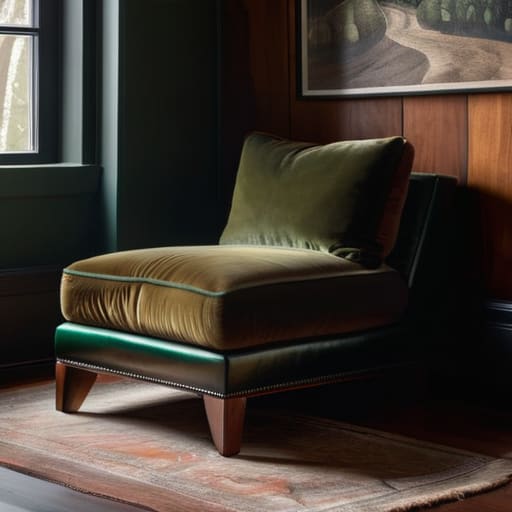
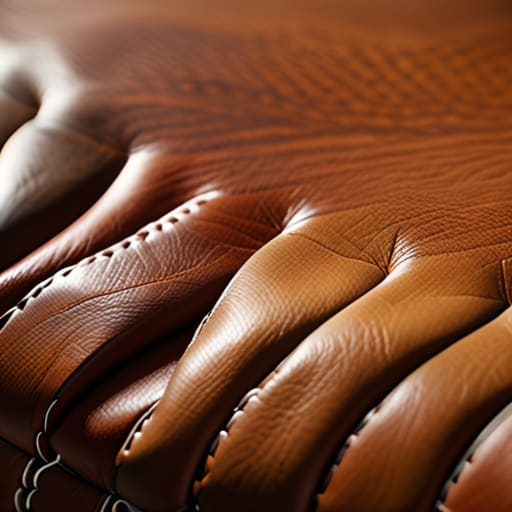
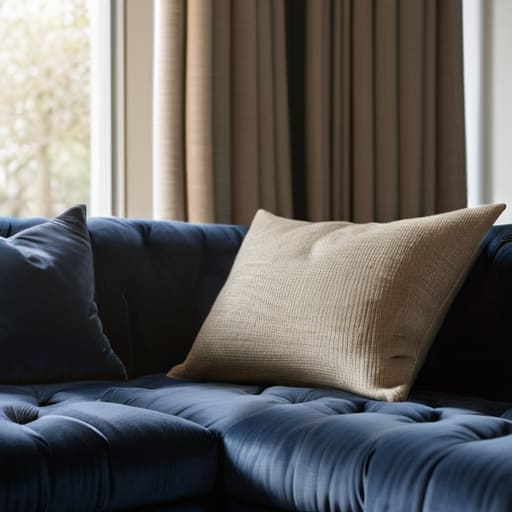
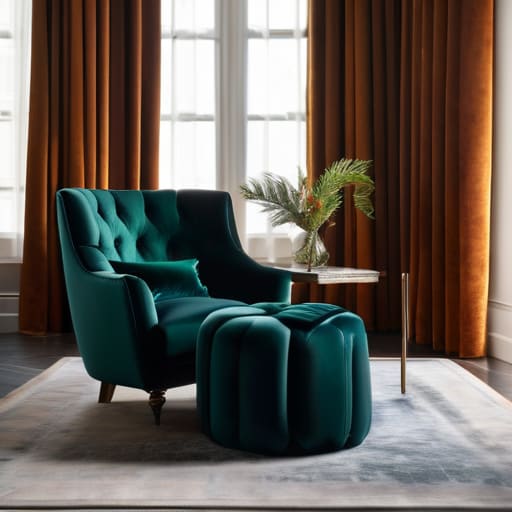
If you’re going to lean into deeper tones, don’t go halfway. When I look at moody velvet color palettes, I’m looking for colors that have weight—think forest greens, deep navy, or a burnt charcoal. These aren’t the flimsy, bright colors you see in those cheap fast-fashion catalogs; these are colors that anchor a room. The trick is to avoid making the space feel like a cave. You do that by mixing textures in living rooms to break up the visual heaviness. Pair a heavy velvet armchair with a smooth leather ottoman or a reclaimed wood coffee table. The contrast between the soft pile of the fabric and the hard, honest grain of the wood is what creates real depth.
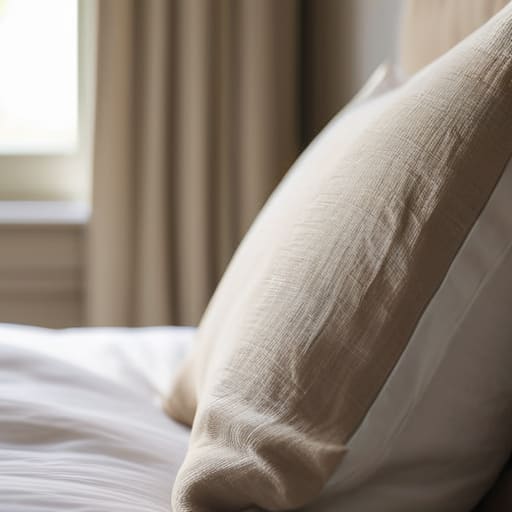
Don’t just throw a single dark pillow on a sofa and call it a day. If you want to do it right, think about layering. I’ve found that using different weights of fabric helps prevent the room from looking flat. For instance, combining heavy velvet drapery ideas with lighter linen curtains can add a sense of dimension that a single material just can’t achieve. It’s about building a space that feels intentional, not just following a trend.
Velvet Drapery Ideas That Stand the Test of Time
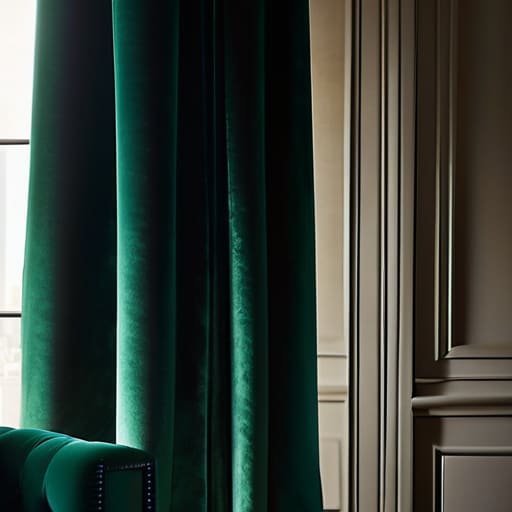
When it comes to window treatments, I’ve seen too many people opt for flimsy, synthetic fabrics that look nothing like the photos online. If you’re looking for real velvet drapery ideas, skip the lightweight polyester blends and look for a heavy, high-density cotton or silk-blend velvet. A substantial weight is what allows the fabric to hang with purpose, creating those deep, architectural folds that actually command a room. It’s not about following fleeting luxury interior design trends; it’s about choosing a material that provides genuine thermal insulation and light control.
Don’t make the mistake of hanging them too high or too short, either. To ensure they look timeless, the hem should just kiss the floor. This adds a sense of stability and permanence to the space. While some people worry about the maintenance, knowing how to clean velvet upholstery and drapery is simple enough if you stick to regular vacuuming with a soft brush attachment. If you invest in quality fabric now, you won’t be replacing these curtains in two years when the sun fades out the cheap stuff. Buy them once, and let them age gracefully.
Five Rules for Buying Velvet Without Regretting It
- Check the weight before you buy. If the fabric feels thin or flimsy in your hands, it’s going to look cheap and lose its shape within a season. You want a heavy, substantial pile that actually holds its structure.
- Avoid the “fast fashion” of home goods. Don’t be swayed by those brightly colored, synthetic velvet pillows from big-box retailers. They’re made of cheap polyester that traps heat and pills almost immediately. Look for high-quality blends that can handle a bit of real life.
- Test the nap. Run your hand across the fabric. A quality velvet should have a consistent, smooth direction to the fibers. If it feels scratchy or uneven, it’s a sign of poor manufacturing and won’t age well.
- Stick to classic colors. Trends change every six months, but a deep navy, forest green, or charcoal velvet is timeless. If you buy a neon or “trendy” shade just because it’s popular on social media, you’ll be replacing it by next year.
- Consider the maintenance. Velvet isn’t a “set it and forget it” fabric. If you aren’t prepared to occasionally brush the pile or spot-clean it properly, don’t put it on a high-traffic sofa. Buy something that fits your actual lifestyle, not an idealized version of it.
My Final Rules for Buying Velvet
Prioritize weight and density over a low price tag; if the fabric feels thin or flimsy in your hands, it won’t hold its shape or its dignity for long.
Stick to classic, deep tones rather than chasing whatever neon or pastel shade is trending on social media this week.
Check the construction of your velvet pieces—whether it’s a cushion or a curtain—to ensure the seams are reinforced and built to endure years of actual use.
## Quality Over Trends
“Most people treat velvet like a passing fashion whim, buying thin, synthetic scraps that lose their luster before the season is out; if you’re going to bring this fabric into your home, buy a heavy, high-density weave that has the weight to actually hold its shape for the next twenty years.”
Hugo Steenkamp
Making the Right Call
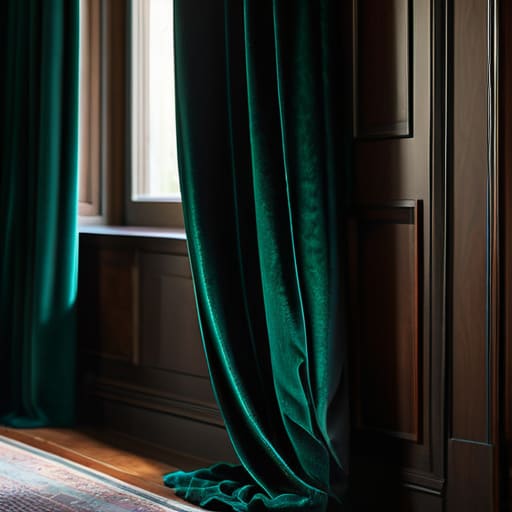
At the end of the day, decorating your home shouldn’t feel like a constant cycle of replacing things that have lost their luster. We’ve looked at how deep, moody colors can add a sense of permanence to a room and why heavy, well-made velvet drapery is a far better investment than those thin, synthetic curtains you see in big-box stores. If you focus on the weight and the weave of the fabric, you aren’t just buying a piece of decor; you are selecting a material that can handle the wear and tear of real life. Don’t get distracted by the cheap, shiny imitations that look good for a week but end up in a landfill by next season.
My advice is simple: look for quality that you can actually feel when you run your hand across the surface. A home is built on the things we choose to keep, not the things we discard when the next fad rolls around. When you choose velvet, choose it because it offers a timeless substance that serves your space for years to come. Stop chasing the temporary and start building a home that reflects stability and good taste. Buy it once, buy it well, and let your surroundings tell a story of quality rather than convenience.
Frequently Asked Questions
How do I tell the difference between high-quality velvet and that cheap, synthetic stuff that pills after one cleaning?
Look, don’t let a shiny catalog fool you. The easiest way to spot the junk is the “crush test.” Take your hand and firmly press into the fabric. High-quality velvet—especially silk or cotton blends—will spring back or show a deliberate, elegant change in sheen. That cheap, synthetic polyester stuff? It feels plastic-y, lacks weight, and won’t recover its shape. If it feels like it’s made of recycled soda bottles, leave it on the shelf.
Is velvet actually practical for a busy household, or is it just a high-maintenance headache?
Look, I’ll be blunt: if you buy that cheap, synthetic velvet from a big-box retailer, you’re asking for a headache. It traps dust and looks ragged within weeks. But if you invest in a high-quality, tight-weave cotton velvet, it’s surprisingly resilient. It handles a bit of wear better than most flimsy fabrics. Just don’t expect it to be indestructible. If you can handle a quick brush-down now and then, it’s worth the effort.
What's the best way to clean velvet without ruining the texture or the fabric's integrity?
Look, if you’ve invested in quality velvet, the last thing you want to do is scrub it like a kitchen floor. Never, and I mean never, soak it in water; that’s how you ruin the pile for good. Use a soft brush to lift dust, and if you have a spill, blot it gently with a dry cloth. For deeper cleans, steam it lightly or call a professional. Treat it with respect, and it’ll last decades.