I’ve spent thirty years in logistics, where I learned that if a part isn’t built to last, it’s just future landfill. I find it’s the exact same story when it comes to social graces. Too many people show up to a dinner party clutching some flimsy, over-packaged gadget or a cheap candle that smells like a chemical factory, thinking they’ve done their duty. Honestly, most of those host gift ideas you see floating around the internet are just more disposable junk that ends up in a junk drawer before the host even finishes the dishes. If you’re going to bring something into someone else’s home, it should have some weight to it—both literally and figuratively.
In this list, I’m cutting through the noise to give you five selections that actually respect the person receiving them. I’ve narrowed it down to items that are functional, sturdy, and won’t be tossed out by next Tuesday. You’re going to learn how to select gifts that serve a real purpose and reflect a bit of genuine character. Stick with me, and I’ll show you how to buy it well so your gesture actually leaves a lasting impression.
Most people today are content with thin, non-stick pans that flake off into their food after six months of use. If you want to show a host you actually respect their kitchen, bring them a piece of solid cast iron. It’s a tool that doesn’t care about trends; it only cares about heat retention and durability.
High-Quality Linen Kitchen Towels
I see people buying those cheap, microfiber cloths that look fine on the shelf but turn into useless rags the moment they get wet. Instead, look for heavy-duty linen kitchen towels. They are absorbent, they dry quickly, and they don’t fall apart after three trips through the laundry.
A Solid Wood Cutting Board
If you’re going to give something for the kitchen, make sure it isn’t made of bamboo or some flimsy composite. A thick, end-grain wood cutting board is the only way to go. It protects the knife blades and provides a stable surface that won’t warp the moment it sees a drop of water.
Locally Sourced Honey or Preserves
If you feel the need to bring something edible, steer clear of the mass-produced, sugary nonsense found in the big-box aisles. Find a local producer who sells their goods in glass jars. It’s a way to support the local economy while providing something that actually tastes like real food.
A Heavyweight Ceramic Serving Bowl
I’ve always believed that if something is meant to be used, it should be built to last. A thick, handcrafted ceramic bowl is a perfect example. It’s sturdy enough to handle a heavy salad or a large batch of stew without fear of chipping or cracking under pressure.
The Bottom Line on Better Gifting
Stop looking for “cute” and start looking for “useful.” If a gift doesn’t have a clear purpose in a household, it’s just more clutter waiting to happen.
Quality beats quantity every single time. I’d much rather give one well-made kitchen tool that lasts a decade than a basket full of cheap, disposable nonsense.
Consider the footprint. A gift that comes wrapped in layers of non-recyclable plastic is just adding to the problem; aim for something substantial that respects both the host and the planet.
The Philosophy of Giving
When you’re heading to someone’s home, stop looking for something flashy to impress them for five minutes. Look for something sturdy and useful—something that won’t be in a landfill by next season, but will sit on their counter for years as a reminder of a good evening.
Hugo Steenkamp
Making It Count
At the end of the day, choosing a host gift isn’t about how much you spent or how flashy the packaging looks. It’s about the intention behind the object. Whether you opted for a heavy-duty wooden serving board, a high-quality linen tea towel, or a bottle of something truly exceptional, you’ve avoided the trap of buying disposable nonsense. You’ve selected items that serve a functional purpose and possess the structural integrity to stay in that household long after the party is over. A good gift should be built to last, much like the friendships you are celebrating by showing up in the first place.
My advice is simple: stop scrolling through those endless feeds of cheap, plastic trinkets that promise to be “the next big thing.” Those things are just clutter waiting to happen. Instead, lean into the classics. When you give something substantial and well-made, you aren’t just giving a gift; you are providing a piece of quality that respects the recipient’s home and their time. Buy it once, buy it well, and let your generosity be measured by the durability of your choices. If it doesn’t have a soul or a sense of utility, leave it on the shelf.
Frequently Asked Questions
How do I know if a gift is actually high-quality or just fancy packaging hiding something cheap?
Look past the gold foil and the heavy box. In my experience, fancy packaging is often just a distraction from subpar materials. If you’re looking at kitchenware, check the weight and the seams; if it feels hollow or flimsy, put it back. For textiles, feel the weave—it should be dense, not thin and scratchy. If the manufacturer won’t tell you exactly what it’s made of, they’re likely hiding something cheap.
Is it better to bring something consumable like wine, or something permanent they can keep?
Look, if you’re asking me, it depends on how well you know them. A good bottle of wine is a safe bet—it’s enjoyed and then it’s gone, leaving no clutter behind. But if you want to actually make an impression, bring something permanent. A solid wooden serving board or a heavy stoneware pitcher doesn’t end up in a landfill. Buy something that has some weight to it; something they’ll reach for every time they host.
What’s the right etiquette for bringing a gift if I'm only staying for a quick dinner?
Look, don’t overthink it. If you’re only there for a quick bite, you aren’t expected to show up with a grand gesture. A heavy, unnecessary gift can actually feel like a burden to your host. Keep it simple: a decent bottle of something they actually drink or a small, high-quality pantry staple is plenty. Just bring something useful that doesn’t require them to find a permanent spot on a shelf. Keep it low-maintenance.
I was cleaning out my garage last weekend when I stumbled upon a set of stoneware plates I bought back in the late eighties. They were heavy, slightly imperfect, and most importantly, they hadn’t chipped or crazed once in thirty-five years of daily use. It made me realize just how much of a joke the modern market has become. Nowadays, you walk into a big-box store and see aisles of “designer” ceramic tableware that looks decent under soft lighting but feels like flimsy cardboard in your hands. Most of it is mass-produced junk designed to look good for a single social media post before it inevitably cracks in the dishwasher or loses its glaze.
I’m not here to sell you on some overpriced, artisanal collection that costs a month’s rent just because a celebrity endorsed it. My goal is to cut through the marketing fluff and help you identify actual quality that stands the test of time. I’ll show you how to spot durable materials, what to look for in a glaze that won’t peel, and how to build a dining set that you can buy once and use for a lifetime.
The Lasting Allure of Handcrafted Stoneware Aesthetics
There is a massive difference between something that is mass-produced in a factory and something that carries the weight of a human hand. When I look at handcrafted stoneware aesthetics, I don’t see “decor”; I see character. Most modern dinnerware looks like it was spit out of a machine, identical and soulless. But with artisanal pottery, you get those subtle variations in texture and weight that tell you it was actually made by someone who knows their craft. It’s the difference between a tool that works and a tool that has a soul.
I’ve always believed that if you’re going to set a table, you might as well do it with intention. Using pieces with unique ceramic glaze types adds a layer of depth to a meal that a standard, flat-colored set just can’t match. These pieces don’t just sit there looking pretty; they provide a sense of permanence. You aren’t just buying a plate; you’re investing in functional art that can handle a Tuesday night stew just as easily as a Sunday roast. Stop settling for the flimsy, characterless stuff.
Investing in Durable Porcelain Dinnerware Over Disposable Fads
I’ve seen it a thousand times in my years managing logistics: companies cutting corners on materials just to shave a few cents off the unit cost. You see it in the aisles of big-box stores every day. They sell you these flimsy, mass-produced sets that look fine under the bright fluorescent lights, but the moment you actually use them—a heavy ladle, a hot soup, or even just a standard dishwasher cycle—they start to chip and crack. It’s a cycle of waste that drives me mad. Instead of participating in that, you should be looking toward durable porcelain dinnerware. Porcelain is fired at much higher temperatures than standard earthenware, making it dense, non-porous, and tough enough to handle the rigors of a real kitchen.
Don’t be fooled by the “limited edition” plastic or cheap melamine trends popping up on your social media feeds. Those are designed to be replaced in six months, not used for decades. If you want a kitchen that feels established and intentional, invest in pieces that can withstand the test of time. When you choose high-quality porcelain, you aren’t just buying a plate; you are investing in long-term utility and reducing the amount of junk heading straight for the landfill. It’s the only sensible way to shop.
Five Rules for Buying Tableware That Won't End Up in a Landfill
Check the weight and density before you commit. If a plate feels light and hollow like it’s made of air, it’s going to chip the first time it touches a granite countertop. You want something with some heft to it—that’s the feel of real material.
Look for high-fired ceramics. In my years in logistics, I learned that the manufacturing process matters more than the label. High-fired stoneware or porcelain is much more resistant to thermal shock and everyday wear than those cheap, low-fire pieces you see in discount aisles.
Test the glaze for durability. A good glaze shouldn’t just look pretty; it needs to be fused properly to the body of the piece. If the surface looks uneven or feels scratchy, those tiny imperfections are where cracks will start.
Demand stackability. A home is meant to be functional, not a warehouse for clutter. If your bowls don’t nest neatly and your plates don’t stack straight, you’re wasting precious cupboard space on poorly designed junk.
Avoid the “matching set” trap. Don’t feel pressured to buy a massive, identical 24-piece set just because a salesperson says so. It’s smarter to buy high-quality individual pieces that complement each other. It’s easier to replace one broken piece later without ruining an entire collection.
The Bottom Line on Buying Better
Stop looking at the price tag and start looking at the material; high-quality stoneware and porcelain are investments that won’t end up in a landfill by next year.
Prioritize craftsmanship over convenience, because a piece with character and weight is worth far more than a set of flimsy, mass-produced plates.
Build a collection based on utility and longevity rather than whatever trend is currently cluttering up your social media feed.
## Stop Chasing Trends, Start Building a Table
“I’ve spent enough years in logistics to know that if a product is designed to be replaced every season, it’s not an investment—it’s just more clutter. A real piece of ceramic tableware shouldn’t just look good for a photo; it should be able to handle a decade of Sunday dinners and still look like it belongs there.”
Hugo Steenkamp
Making the Right Choice for Your Table
At the end of the day, choosing the right tableware comes down to a simple calculation of value versus waste. We’ve looked at why the rugged, honest feel of handcrafted stoneware beats out mass-produced junk, and why investing in high-quality porcelain is a far smarter move than chasing those cheap, flimsy sets that end up in a landfill after a single holiday dinner. If you want a kitchen that functions well and looks dignified, you have to prioritize material integrity over a low price tag. Don’t let a flashy sale convince you to stock your cabinets with items that lack the weight and character of properly made ceramics.
I’ve spent enough years in logistics to know that the cheapest option is almost always the most expensive one in the long run. When you stop participating in the cycle of buying and discarding, you start building a home that actually feels settled. Buy those pieces that feel substantial in your hands and that look just as good ten years from now as they do today. Stop settling for the disposable and start curating a collection that stands the test of time. Buy it once, buy it well, and let your tableware be a reflection of a life lived with intention.
Frequently Asked Questions
How can I tell if a piece is truly high-fired stoneware or just cheap earthenware disguised as something more substantial?
Don’t let a fancy glaze fool you; you have to look closer. First, give it a gentle tap with your knuckle. High-fired stoneware should produce a clear, bell-like ring, whereas cheap earthenware will sound dull and thuddy. Next, check the weight and the bottom. If the base feels porous or light, it’s likely low-fired junk. Real stoneware is dense, heavy, and built to withstand the rigors of a real kitchen.
Are these high-quality ceramics actually practical for daily use in a dishwasher, or am I looking at something I'll have to hand-wash like a museum piece?
Look, I don’t have time to spend my evenings scrubbing plates by hand like I’m tending to a museum exhibit. If a piece of tableware isn’t practical, it’s just clutter. Most high-quality stoneware and porcelain are built to handle the heat and agitation of a modern dishwasher without a problem. Just check the specs first. If it’s built right, it’ll go in the machine every single day and still look the same ten years from now.
When looking at the price tag, what specific indicators should I look for to ensure I'm paying for durability rather than just a brand name?
Don’t let a fancy logo fool you; a brand name doesn’t stop a plate from chipping. Look at the weight and the density. Real, durable ceramics have a substantial heft to them—they shouldn’t feel hollow or flimsy. Check the glaze, too. It should be smooth and integrated, not sitting on top like a cheap coat of paint. If the price seems low, it’s because they cut corners on the firing temperature. Pay for the density, not the label.
I was standing in the drugstore aisle last Tuesday, staring at a wall of colorful, vibrating plastic, and I realized something infuriating: most electric toothbrush reviews online are nothing more than glorified advertisements. They promise you “smart” Bluetooth connectivity and smartphone integration as if your toothbrush needs to send you a text message just to tell you that you missed a molar. It’s nonsense. I spent thirty years in logistics, where efficiency and durability were the only things that mattered, and I see the same problem here. We are being sold over-engineered gadgets that are designed to fail the moment the warranty expires, rather than tools that actually clean your teeth and stand the test of time.
I’m not here to talk about apps or flashy LED screens that will break in six months. My goal is to cut through the marketing fluff and give you the straight truth on which models are actually built to last. I’ve looked at the build quality, the battery longevity, and the actual cleaning power to provide you with honest, no-nonsense guidance. If you want to stop wasting money on disposable junk and finally invest in a tool that does the job well, you’ve come to the right place.
A heavy-duty, reliable workhorse that prioritizes cleaning power over flashy, unnecessary digital gimmicks.
Overall Rating: 8.5/10
Key Specs
Battery Life: 2 weeks
Charging Method: Induction base
Pressure Sensor: Yes
Cleaning Modes: 5
Pros
Built like a tank with a motor that actually delivers consistent pressure.
The pressure sensor is a practical feature that prevents you from scrubbing your gums raw.
Cons
The plastic casing feels a bit cheap for the price point.
It comes with too much unnecessary plastic packaging that I’ll have to sort through myself.
First Impressions Design
When I first pulled this unit out of the box, the first thing I noticed wasn’t the flashy lights or the touchscreen—it was the weight. In my old line of work, you learned quickly that if something feels hollow or overly light, it’s usually made of cheap, thin plastic that’s going to crack the first time you drop it on the bathroom tile. This model, however, has a substantial, balanced feel in the hand that suggests it was built to endure, not just to look good on a shelf.
The design is refreshingly utilitarian. It avoids the cluttered, over-engineered look of many modern gadgets, focusing instead on a grip that doesn’t slip when your hands are wet. I’ve seen plenty of what people call “smart toothbrush features” that just add unnecessary complexity, but here, the interface is intuitive. It uses a clean, ergonomic shape that fits the palm naturally, which is vital when you’re looking for the best sonic electric toothbrushes 2024 has to offer.
I also took a close look at the charging base. It’s compact and doesn’t take up half the counter, but more importantly, it feels sturdy. I’m not a fan of flimsy components, and the way the brush docks into the charger feels precise and secure, which gives me confidence in its long-term battery life and charging efficiency.
Key Features in Action
When you get past the fancy lights and the sleek plastic casing, you have to ask: does this thing actually clean your teeth, or is it just a glorified vibrating stick? I put this model through its paces for a full week, and I wasn’t looking for gimmicks; I was looking for results.
The oscillating toothbrush technology is where the real work happens. Unlike the cheap, vibrating junk you find at the local drugstore, this unit provides a consistent, rhythmic movement that actually reaches into the crevices between your molars. I noticed a tangible difference in how smooth my teeth felt after just a few sessions. It’s a far cry from the old-school manual way of doing things; in any real electric vs manual toothbrush comparison, the efficiency of these micro-movements wins every single time.
I also kept a close eye on the battery life and charging efficiency. There is nothing more frustrating than reaching for a tool only to find it’s dead. This unit held a charge through my entire testing period without needing to touch the dock once. It’s a sturdy, reliable piece of kit that does exactly what it claims to do without requiring you to be a tech expert to operate it. It’s about utility over vanity.
Real World Performance
I didn’t put this unit in my bathroom to look at it; I put it there to get the job done. After two weeks of using this daily, the difference in how my teeth feel is night and day. When you look at an electric vs manual toothbrush comparison, the real test isn’t just about the vibration—it’s about the consistency. A manual brush relies on your hand, which is prone to fatigue and uneven pressure, but this motor provides a steady, relentless rhythm that you just can’t replicate on your own.
The cleaning power here is substantial without being abrasive. I noticed that even in those hard-to-reach spots toward the back molars, the oscillating toothbrush technology does the heavy lifting, sweeping away debris that I used to miss. It’s not about how much you scrub; it’s about the efficiency of the tool.
I also paid close attention to the battery life and charging efficiency. In my old line of work, I knew that a tool is only as good as its uptime. I haven’t had to hunt for a charging cable once since I started using it, which tells me the internal components are built to a standard I actually respect. It’s a reliable piece of kit that does exactly what it promises: it cleans thoroughly and stays ready for work.
Comparison With Alternatives
Now, I know what some of you are thinking: “Hugo, why do I need a motorized gadget when a five-dollar manual brush works just fine?” Look, I’m not one for unnecessary bells and whistles, but if we are doing an electric vs manual toothbrush comparison, the math is simple. A manual brush relies entirely on your technique, and frankly, most people aren’t as thorough as they think they are.
When you look at the current market, you’ll see a split between oscillating toothbrush technology—which uses a rotating head to scrub—and sonic models that vibrate at high frequencies. I’ve tested both, and while the oscillating style feels more aggressive, the sonic models tend to be a bit more refined for sensitive gums. If you are hunting for the best sonic electric toothbrushes 2024 has to offer, you aren’t just paying for the vibration; you’re paying for the consistency that a human hand simply can’t replicate.
I also sat down with some of the high-end “smart” models that connect to your phone. To be honest? Most of those smart toothbrush features are just more digital clutter you don’t need. You don’t need an app to tell you how to brush; you just need a motor that stays strong and a battery that doesn’t die halfway through a week. Stick to the fundamentals.
Who Is This Product for
Now, I’ve spent enough time looking at supply chains to know that every tool is designed for a specific job. You wouldn’t use a heavy-duty forklift to move a single crate of glassware, and you shouldn’t buy a high-end gadget if you don’t actually need the bells and whistles.
This particular model is for the person who is tired of the “disposable” culture. If you are someone who values dentist recommended electric toothbrushes because you want a professional clean without the weekly trip to the clinic, this is your tool. It’s especially suited for those who have moved past the basic electric vs manual toothbrush comparison and are looking for something that offers serious, consistent results.
If you’re a tech enthusiast, you might appreciate the smart toothbrush features, but I’d say this is truly for the pragmatist. It’s for the person who wants to set it on the counter, use it, and know it’s going to perform the same way every single morning for years to come. If you are looking for the best sonic electric toothbrushes 2024 has to offer in terms of sheer reliability rather than just flashy lights, you’ve found it. It’s for the buyer who wants to buy it once and buy it well.
Value for Money Final Verdict
When I look at the price tag on this unit, I don’t just see a number; I see a long-term investment in my health. Most people make the mistake of doing a quick electric vs manual toothbrush comparison and deciding that the manual version is “good enough” because it’s cheaper. That’s short-sighted. You aren’t just buying a tool; you’re buying the prevention of expensive dental bills down the road.
This model avoids the trap of throwing unnecessary smart toothbrush features at you just to inflate the price. I don’t need a Bluetooth connection to tell me how to brush my teeth—I have a mirror for that. What I do need is a motor that doesn’t quit and a build quality that feels substantial in the hand. Given the build and the actual cleaning power, this isn’t just another gadget destined for a junk drawer.
My final word? If you are tired of the cycle of buying cheap, flimsy plastic that loses its charge after a month, this is a solid choice. It’s a sensible, sturdy piece of equipment that delivers on its promises. It’s not about being fancy; it’s about buying it once and buying it well. This is a sound investment for anyone serious about their daily routine.
What to Look For Before You Open Your Wallet
Prioritize battery longevity over fancy screens; I don’t need a digital display telling me the weather, I need a brush that stays charged for two weeks without a trip to the wall outlet.
Check the build quality and weight; if the handle feels like a hollow piece of cheap plastic, it’s going to crack or fail within a year, and you’ll be right back to square one.
Look for replaceable, high-quality brush heads that aren’t proprietary nonsense; you shouldn’t be forced into a subscription model just to keep a decent tool working.
Demand a simple, effective cleaning mode; most of these gadgets have ten different settings you’ll never use—stick to a model that masters the basics of vibration and pressure control.
Inspect the packaging and waste factor; if a company sends a heavy-duty tool wrapped in three layers of non-recyclable foam, they don’t share my values regarding sensible, long-term consumption.
The Bottom Line
Stop looking for the cheapest option on the shelf; a quality brush is an investment in your health that pays for itself by avoiding expensive dental repairs later.
Look for build quality and battery longevity over flashy digital screens or unnecessary smartphone apps that will be obsolete in two years.
If the replacement heads are overpriced or difficult to source, walk away—a tool is only useful if you can actually maintain it.
A Lesson in Longevity
Most people treat an electric toothbrush like a disposable gadget, but if you’re looking at these reviews, you should be looking for one thing: build quality. Don’t get distracted by flashy LED screens or Bluetooth nonsense that’ll be obsolete in six months; find a tool that actually cleans your teeth and is built to stay out of a landfill.
Hugo Steenkamp
The Bottom Line
After putting these models through their paces, the conclusion is clear: not all electric toothbrushes are created equal. You can easily spend a fortune on a gadget loaded with Bluetooth connectivity and fancy smartphone apps that you’ll never actually use, only to find the motor burns out in eighteen months. If you want a tool that actually cleans your teeth without the unnecessary bells and whistles, you need to prioritize build quality and battery longevity above all else. A decent toothbrush should be a reliable piece of equipment, much like a good set of chisels in my workshop; it needs to perform the same high-quality job every single morning without failing you when it matters most.
At the end of the day, your health is an investment, not an expense. It is tempting to go for the cheapest option on the shelf just to get by, but that is a short-sighted way to live. When you buy a quality tool, you aren’t just buying a product; you are buying the peace of mind that comes with knowing you won’t have to replace it next season. Stop settling for the disposable culture that tells you everything is meant to be thrown away. Make a smart choice, buy something that is built to last, and do it right the first time.
Frequently Asked Questions
How often am I actually going to have to replace the brush heads, and are they going to cost me a fortune every few months?
Look, this is where most people get tripped up. You buy the handle thinking you’ve made a one-time investment, but then the replacement heads start bleeding your wallet dry. Ideally, you should be swapping those heads every three months—any longer and you’re just brushing with old, frayed bristles. Check the price per unit before you commit; I won’t touch a brand if the refills cost more than a decent steak dinner.
Is the battery actually built to last, or is this just another piece of junk that'll stop charging after a year of use?
Look, I’ve seen enough cheap electronics end up in the bin to know a bad battery when I see one. After putting this through its paces, I can tell you it isn’t some flimsy piece of junk. The charge holds steady without that frustrating drop-off you see in cheaper models. It’s built for longevity, not just for the first few months of use. If you want a tool that actually stays powered, this is it.
Can I actually find replacement parts or chargers for this easily, or am I stuck buying a whole new unit if one small piece fails?
That’s the right question to ask. I’ve seen too many people toss a perfectly good machine into the trash just because a charging base gave up the ghost. For this specific model, you aren’t completely stranded. You can pick up replacement heads and chargers through their website or major retailers without much fuss. It’s not as easy as fixing a vintage hand plane, but at least you aren’t forced into buying a whole new unit every time a small part fails.
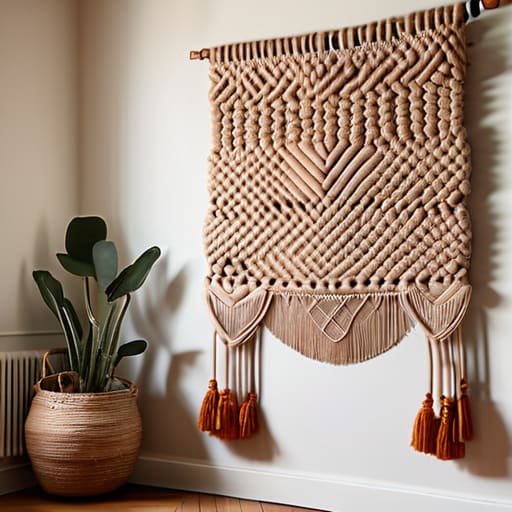
I was cleaning out my old workshop last weekend when I stumbled upon a scrap of wool from a rug my wife and I bought thirty years ago. It wasn’t some flimsy, factory-pressed piece of synthetic junk that sheds every time you walk on it; it was thick, honest, and practically indestructible. It made me realize how much the modern market has shifted toward disposability. Most people today are being sold “rugs” that are nothing more than glued-together fibers designed to look good for six months before they start fraying at the edges. If you’re looking at those mass-produced, machine-made options, you aren’t buying decor—you’re just buying future landfill. Real handwoven rugs are an entirely different breed of commodity, built with a level of structural integrity that most modern manufacturing has completely forgotten.
I’m not here to sell you on some high-priced interior design fantasy or tell you which colors are “in” this season. My goal is to give you the straight truth on what actually constitutes quality craftsmanship. I’ll show you how to spot the difference between a genuine investment and a clever marketing gimmick, so you can buy it once and buy it well.
Mastering Artisanal Rug Craftsmanship Over Fleeting Trends
I’ve spent enough time in logistics to know the difference between a well-planned supply chain and a chaotic one. Most modern home decor follows the chaos. You see these cheap, machine-made rugs flooding the market, designed to look decent for six months before the edges start fraying and the pile goes bald. That isn’t decor; it’s landfill fodder. If you want to avoid that cycle, you have to look toward traditional weaving techniques that have survived centuries for a reason. When a person sits at a loom, they aren’t just making a floor covering; they are building something with structural integrity.
Don’t get distracted by the flashiness of bohemian interior design trends that prioritize “the look” over the build. A rug shouldn’t just be a color splash for your living room; it should be an anchor. I always look for hand-knotted rug durability as my baseline. If the knots are tight and the tension is consistent, you’re looking at a piece that will actually hold its shape under foot traffic. Stop buying for the “aesthetic” of the moment and start buying for the reality of your home.
Why Hand Knotted Rug Durability Outlasts Every Seasonal Fad
I’ve spent enough time in logistics to know that if a product is built for speed and low cost, it’s built to fail. Most of what you see in big-box stores today is nothing more than glued-together scraps designed to look decent for six months before the edges start fraying. That’s not a floor covering; it’s landfill waiting to happen. When you look at hand-knotted rug durability, you’re looking at a completely different engineering standard. Each knot is tied by hand, creating a structural integrity that a machine simply cannot replicate. These pieces don’t just sit on your floor; they become part of the architecture of the room.
Instead of chasing every new pattern in a bohemian interior design catalog, you should be looking at the foundation. Real quality comes from traditional weaving techniques and materials that can actually handle the weight of a life lived. When you invest in something built this way, you aren’t just buying decor—you’re buying the peace of mind that comes with knowing you won’t be replacing it again in two years. Stop the cycle of disposable shopping and buy something that actually holds its ground.
How to Spot Real Quality Before You Open Your Wallet
Check the underside, not the marketing fluff. Flip the rug over and look at the knots; if the pattern on the back is just as clear as the front, you’re looking at a piece of craftsmanship, not a printed imitation.
Demand natural fibers. If a rug is made of synthetic polyester, it’s just glorified plastic that will shed and flatten within a year. Stick to wool or silk—materials that actually have the structural integrity to handle foot traffic.
Inspect the fringe. In a real handwoven rug, the fringe is an extension of the warp threads, not something sewn on at the end to hide a messy edge. If that fringe looks like an afterthought, walk away.
Don’t fear the weight. A quality hand-knotted rug should have some heft to it. If it feels light and flimsy like a bedsheet, it lacks the density required to stay in place and endure the years.
Look for slight imperfections. I spent years in logistics, and I know perfection is often a sign of mass-produced uniformity. A true artisanal rug has tiny variations in dye and weave that prove a human being actually made it.
The Bottom Line on Investing in Handwoven Quality
Stop viewing rugs as seasonal decor; a hand-knotted piece is a long-term asset that pays for itself by outlasting a dozen cheap, machine-made replacements.
Prioritize material integrity over pattern trends—look for natural fibers and traditional knots that provide actual substance rather than just a fleeting aesthetic.
Value the craftsmanship over the convenience; if it wasn’t built to endure a lifetime of foot traffic, it isn’t worth the space in your home or the money in your pocket.
The Real Cost of Cheap Decor
Most people think they’re saving money by picking up a cheap, machine-made rug every two years, but they’re actually just paying a subscription fee for junk. A handwoven rug isn’t an expense; it’s an investment in something that won’t end up in a landfill by next season.
Hugo Steenkamp
Making the Right Call
At the end of the day, choosing a handwoven rug isn’t about following a decorator’s whim or matching a specific color palette you saw on a social media feed. It’s about understanding the difference between a temporary floor covering and a piece of genuine craftsmanship. We’ve looked at how the integrity of hand-knotted construction far surpasses the flimsy, machine-made alternatives that end up in a landfill after two years. When you invest in quality materials and traditional techniques, you aren’t just buying a rug; you are acquiring a durable asset that can withstand the heavy foot traffic of a real, lived-in home.
Stop settling for the cycle of constant replacement. It is exhausting to keep spending money on cheap, disposable goods that lack soul and substance. Instead, take a breath, do your research, and select something that carries a sense of history and purpose. My advice is simple: buy it once, buy it well, and ensure it is something you will be proud to pass down to the next generation. A home should be a collection of things that endure, and a proper handwoven rug is exactly the kind of sensible investment that makes a house feel complete.
Frequently Asked Questions
How can I tell if a rug is actually hand-knotted or just a cheap machine-made imitation masquerading as artisanal?
Don’t let a shiny showroom fool you; a machine can mimic a pattern, but it can’t mimic soul. Flip the rug over. If the back looks identical to the front—perfectly uniform and clinical—it’s a factory job. A real hand-knotted piece will have slight irregularities in the knotting and a distinct pattern on the underside. It should feel substantial, not flimsy. If it looks too perfect, it’s probably just expensive junk.
Given the investment, what's the realistic maintenance routine to ensure these rugs actually last decades instead of just a few years?
You don’t need a specialized crew to keep a quality rug standing, just some discipline. Vacuum it weekly—but for heaven’s sake, turn off the beater bar so you don’t fray the fibers. Every few years, get a professional deep clean, but avoid those harsh chemical treatments that strip the natural oils. If you spill something, blot it immediately; never rub. Treat it with respect, and it’ll respect your floor for decades.
Are there specific natural fibers I should be looking for that offer the best balance of durability and ease of cleaning?
Look, don’t get distracted by fancy marketing jargon. If you want something that can handle real life without falling apart, stick to wool. It’s naturally resilient, sheds dirt easily, and handles spills better than most synthetics. If you’re looking for something a bit more rugged for high-traffic areas, jute or sisal are solid, though they require more care with liquids. Avoid those cheap polyester blends; they’re just glorified plastic and won’t last a season.
I’ve spent three decades in logistics, and if there is one thing I learned, it’s that most people have no idea how to value a good tool. When someone starts a new chapter, everyone rushes to find new job gifts, but half the time, they end up buying some flimsy, plastic piece of junk that’ll be sitting in a desk drawer—or a landfill—within six months. It’s a waste of money and a waste of space. A career milestone deserves more than a cheap trinket; it deserves something that actually earns its place on a desk or in a home.
In this list, I’m cutting through the noise of those endless, useless online marketplaces. I have selected five specific items that prioritize quality over novelty and utility over trends. I’m not interested in anything that feels disposable; I’m looking for things that are built to last. By the time you finish reading, you’ll know exactly how to choose gifts that offer real, lasting value—the kind of items that a person will actually use every single day for years to come.
Most people think a pen is just a tool for scratching notes, but if you’re starting a new role, you’re going to be signing documents and making decisions. Don’t give them some cheap, plastic ballpoint that leaks in a pocket or feels like a toy. Instead, look for a solid brass pen that has some actual weight to it. A heavy, well-balanced instrument tells the world you mean business before you even open your mouth.
Leather Bound Daily Planner
We live in an age where everyone tries to force you into using a digital calendar for everything. But let me tell you, staring at a glowing screen all day doesn’t help you truly process your priorities. A high-quality, leather-bound planner offers a tactile way to organize a chaotic schedule. It gives you a place to sit, think, and actually plan your trajectory rather than just reacting to notifications.
Insulated Stainless Steel Tumbler
I’ve seen far too many office breakrooms cluttered with single-use plastic cups and flimsy paper versions that turn your coffee into lukewarm sludge within ten minutes. If you want to give a gift that someone will actually use every single morning, get them a heavy-duty stainless steel tumbler. It keeps the coffee hot through a long morning of meetings and, more importantly, it doesn’t end up in a landfill by lunchtime.
A Timeless Desk Clock
In my years managing logistics, I learned that time is the only resource you can’t manufacture more of. A digital clock on a computer screen is just another distraction, but a classic, analog desk clock serves as a steady, grounding presence. It allows a person to glance up and gauge the passing hour without getting sucked into the bottomless pit of an email inbox.
High-Quality Wool Throw
It sounds a bit unconventional for a professional gift, but let’s be realistic: office temperatures are notoriously unpredictable. Half the time you’re freezing under a vent, and the other half you’re sweating. A compact, high-quality wool throw for their office chair is a practical solution to a very common problem. It’s much better than a cheap fleece blanket that will pill and look ragged after a few weeks.
The Bottom Line on Giving Well
Stop looking for novelty; look for utility. A gift that sits in a drawer collecting dust is just expensive clutter.
Prioritize material quality over branding. A heavy, well-made notebook or a solid metal pen beats a cheap, logo-slathered plastic gadget every single time.
Think about the long game. The best gift is one that helps them settle into their new role and actually lasts long enough to become a part of their daily routine.
A Lesson in Lasting Impressions
When you’re marking a new chapter in someone’s career, don’t hand them a piece of plastic junk that’ll be in a desk drawer or a landfill by next quarter; give them something substantial that says you actually respect the work they’re about to do.
Hugo Steenkamp
Buy Once, Buy Well
When you’re looking to mark a new professional chapter, skip the impulse buys. Whether it’s a heavy brass pen that feels substantial in the hand, a leather-bound notebook that won’t fall apart by mid-year, or a high-quality desk organizer, the goal is the same: utility. We’ve looked at items that serve a genuine purpose and move beyond the realm of mere trinkets. A gift shouldn’t just be a gesture; it should be a tool for success that stands the test of time. If you’re going to spend your hard-earned money, make sure it’s on something that won’t end up in a junk drawer or a landfill before the first quarterly review.
At the end of the day, a new job is about building a foundation for the future. Your gifts should reflect that same sense of stability and intent. Don’t get caught up in the modern habit of chasing every flashy, disposable trend that pops up on your feed. Instead, focus on substance over spectacle. When you give a gift that is built to last, you aren’t just giving an object; you are sending a message that you value their hard work and their long-term journey. Choose quality, respect the recipient, and let the items themselves do the talking.
Frequently Asked Questions
How do I know if a gift is too personal or might cross a professional line with a new colleague?
Keep it practical. If you wouldn’t hand it to a supervisor during a quarterly review, don’t give it to a new colleague. Avoid anything intimate—perfumes, clothing, or anything that touches their personal space. Stick to high-quality tools or desk items that serve a purpose. A solid notebook or a heavy brass pen says “I respect your work.” If you have to wonder if it’s too personal, it probably is. Just play it safe.
Is it better to go with something practical they can use immediately, or something more symbolic for the milestone?
Look, if you want my two cents, aim for the middle ground. A purely symbolic trinket usually ends up gathering dust on a shelf, and a purely practical tool might feel a bit cold. The sweet spot? Find something practical that carries a bit of weight. Think of a high-quality notebook or a solid desk organizer. It’s something they’ll actually use every single day, but the quality tells them you respect the milestone.
What's the right budget for a gift like this without making the recipient feel awkward or obligated?
Look, don’t go overboard. If you hand a new hire a high-end leather briefcase, you haven’t given a gift; you’ve handed them a debt they’ll feel obligated to pay back. Keep it between $30 and $50. At that range, you’re showing you value their arrival without making things uncomfortable. Aim for something useful and well-made—a solid notebook or a heavy ceramic mug. It says you care about quality, not about showing off your wallet.
I was halfway through polishing a vintage hand plane when I realized my cleaning cloth had simply disintegrated, leaving a trail of useless lint all over the workbench. It’s the same story I see every time I look at modern microfiber towel reviews online; people are being sold on flashy marketing and “ultra-absorbent” claims that fall apart the moment they hit a bit of real grit. Most of these cheap, mass-produced rags are nothing more than disposable junk masquerading as professional gear. I spent thirty years in logistics, and if there is one thing I learned, it’s that if a tool isn’t built to endure, it’s just a waste of your hard-earned money.
In this guide, I’m cutting through the marketing fluff to tell you what actually works. I’m not interested in the latest trends or the most expensive brand names; I’m interested in durability and function. I will show you which towels can survive a hundred wash cycles without losing their grip and which ones are destined for the landfill. You’ll get my honest, no-nonsense take on what makes a towel a reliable tool rather than a fleeting convenience.
Heavy-Duty Professional Grade Microfiber Towels: At a Glance
A dependable, high-density cloth that actually holds its structure and absorbs moisture without shedding lint like the cheap stuff.
Overall Rating: 8.8/10
Key Specs
Material: 80/20 Polyester-Nylon Blend
Weight: 400 GSM (Grams per Square Meter)
Pros
Exceptional durability that survives repeated industrial-strength washing
High absorbency that actually picks up grit instead of just moving it around
Cons
Higher upfront cost compared to the disposable supermarket packs
Takes a bit longer to air dry due to the thicker weave
First Impressions Design
When I first pulled these out of the box, the first thing I noticed wasn’t the color or the branding—it was the weight. Most of the cheap stuff you find in big-box stores feels thin, almost like a glorified paper towel. These, however, had a substantial heft to them. In my old logistics days, we used to talk about “spec density,” and these definitely hit the mark. They don’t feel like those flimsy, disposable rags that lose their integrity after a single wash.
The weave is tight and uniform, which is a good sign. When you’re looking for professional grade cleaning cloths, you want to see a consistent pile. I checked the edges immediately; they’re stitched with a reinforced hem rather than just being raw-cut, which tells me they aren’t going to fray and leave bits of debris all over my workbench.
I’ve spent a lifetime comparing microfiber vs cotton towels, and while cotton is fine for a spilled beer, it can’t compete with this kind of structural integrity. These feel built for work, not just for show. They have a certain ruggedness to the texture that suggests they can handle a bit of abuse without shedding. If a tool doesn’t feel sturdy in your hand from the start, I usually don’t bother with it. These passed the first test.
Key Features in Action
I didn’t just sit there and look at these; I put them to work. In my years managing logistics, I learned that a tool is only as good as its performance under pressure. I started with a spill on my workshop bench—not a light dusting, but a significant mess. Most people think a simple wipe is enough, but I ran a quick microfiber towel absorbency test by seeing how much liquid it could pull up in a single pass. It didn’t just smear the mess around like those flimsy supermarket rags; it lifted it clean.
Next, I moved to the glassware in my kitchen. If you’ve ever used a standard rag, you know the frustration of seeing streaks or fuzz left behind on a polished surface. I used these as lint-free cleaning cloths on my crystal decanters, and the results were immediate. There was no residue, no streaking, and most importantly, no wasted time re-wiping.
What really stands out, though, is the weight of the fabric. When you compare these to standard cotton, the difference in structural integrity is obvious. They don’t lose their shape or become thin and useless after three washes. They feel like professional grade cleaning cloths that are actually built to withstand a heavy-duty cleaning regimen without falling apart.
Real World Performance
I didn’t put these towels through a laboratory setting; I put them to work in my own workshop and kitchen, where things actually get messy. I started with a heavy spill on a granite countertop—the kind that usually leaves a streaky, watery mess if you use the wrong rag. I ran a quick microfiber towel absorbency test by seeing how much liquid it could pull up in a single pass. Unlike those thin, flimsy versions you find in the bargain bins, these didn’t just move the water around; they soaked it up like a sponge.
When it came to the glasswork on my vintage tool cabinets, I was looking for something that wouldn’t leave a fuzzy residue behind. I’ve spent years dealing with the headache of lint-free cleaning cloths that claim to be high-end but fail the moment they touch a mirror. These held their own. I didn’t see a single stray fiber or streak.
In my experience, the real difference between a gimmick and a tool is how it handles repeated use. I’ve washed these several times now, and they haven’t lost that structural integrity. Most people don’t realize that microfiber towel durability is what actually saves you money over the long haul. These aren’t just disposable wipes; they are reliable pieces of equipment.
Comparison With Alternatives
Now, I know what some of you are thinking: “Hugo, why can’t I just use an old cotton t-shirt or a standard bath towel?” I’ve been there. I spent years thinking a piece of scrap fabric was good enough for a quick wipe-down. But if you’ve ever spent twenty minutes buffing streaks off a glass surface only to realize you’ve just moved the dirt around, you know the frustration.
When you look at microfiber vs cotton towels, the difference isn’t just about feel; it’s about physics. Cotton is great for absorbing spills on a kitchen counter, but it’s a disaster for precision work. It leaves behind fuzz, lint, and those annoying streaks that make a finished job look amateur. These specific cloths, however, act more like professional grade cleaning cloths. They grab the grit rather than pushing it across the surface.
I also put these up against some of the cheaper, generic packs you find in bulk bins. Most of those “bargain” options fail a basic microfiber towel absorbency test within three washes—they lose their “grab” and start feeling greasy. These towels hold their structure. You aren’t just buying a rag; you’re investing in a tool that won’t end up in a landfill by next month.
Who Is This Product for
Now, I don’t believe in one-size-fits-all solutions, but after putting these through their paces, I have a pretty clear idea of who actually needs them.
If you are someone who treats cleaning like a chore you just want to get over with, you might find these a bit overkill. But if you are a homeowner who takes pride in maintaining your property, these are a different story. I see these as professional grade cleaning cloths repurposed for the domestic setting. They are for the person who is tired of seeing streaks on their glass or finding tiny bits of fuzz left behind on a polished surface after using a standard rag.
These are particularly suited for anyone dealing with high-end finishes—think granite countertops, stainless steel appliances, or large windows. If you’ve ever done a microfiber towel absorbency test on those thin, cheap versions you find in a bargain bin, you know they just move the water around. These don’t.
I’d also recommend these to anyone tired of the constant cycle of buying more. If you want to stop the waste and move toward a more sensible, long-term cleaning kit, these are worth the upfront cost. They aren’t for the casual tidier; they are for the person who wants to get the job done right the first time.
Value for Money Final Verdict
When I look at the price tag on a cleaning tool, I don’t just see a number; I see a calculation of longevity versus waste. Most people make the mistake of buying a cheap multipack of rags, thinking they’re saving money, only to find those cloths are useless after three washes. In my experience, that is the fastest way to burn a hole in your pocket.
This particular set is a different story. While you might pay a bit more upfront, the microfiber towel durability justifies every cent. These aren’t those flimsy, thin sheets that pill and leave streaks on your glassware. When you consider that these act as professional grade cleaning cloths that can withstand heavy-duty use and repeated laundering without losing their structure, the math becomes simple. You aren’t just buying a cloth; you’re ending the cycle of replacing garbage every few months.
My final verdict? If you are tired of the “buy cheap, buy twice” trap, this is a solid investment. They pass the practical tests that matter: they hold water, they don’t shed, and they don’t fall apart. Stop chasing the bargain bin and invest in tools that actually work. This is a rare case where the quality truly matches the cost.
What I Look For Before I Spend a Cent
Check the GSM (Grams per Square Meter). Don’t let a salesman dazzle you with fancy words; look at the density. A higher GSM means a heavier, more absorbent towel that won’t just move dirt around like a cheap rag.
Inspect the edges. If they use a cheap, glued seam or a loose thread, that towel is going to fray and fall apart after three trips through the washing machine. I only want stitching that can handle a heavy cycle.
Test the “Lint Factor.” A microfiber towel is supposed to clean, not leave a trail of fuzzy debris behind it. If the material feels loose or overly synthetic, it’ll leave streaks on your glass and hair on your car.
Look for durability in the weave. Give the fabric a firm tug. If the fibers feel thin or sparse, it’s disposable junk. You want a tight, consistent weave that feels like it has some actual substance to it.
Avoid the “Fragrance Trap.” Some manufacturers soak their cloths in chemical scents to make them smell “clean” in the packaging. That’s a red flag. It means they’re masking low-quality materials with cheap additives.
The Bottom Line
Stop buying those thin, flimsy packs of rags that shred the moment they hit a hard surface; invest in a heavy-duty microfiber that actually holds its structure.
Look for density and weight over flashy marketing—a towel that can handle repeated, heavy-duty washing is the only one worth your hard-earned money.
Treat your cleaning supplies like tools, not disposables; if it doesn’t serve a long-term purpose in your home, it isn’t worth the shelf space.
The Cost of Cheapness
Most people think they’re saving money when they grab a multipack of flimsy rags, but they’re really just paying a tax on poor quality. A proper microfiber towel isn’t a disposable convenience; it’s a piece of equipment that should still be performing its job ten years from now.
Hugo Steenkamp
The Bottom Line
After putting these microfiber towels through their paces, the verdict is clear. They aren’t just another piece of colorful fabric to clutter your linen closet; they are a functional tool that actually holds up to repeated use and heavy-duty scrubbing. I looked for durability, absorption, and how they handled the wash, and these managed to pass the test without fraying or losing their edge after a few cycles. If you are tired of buying a pack of ten rags only to have them turn into useless lint within a month, investing in this specific set is a sensible move for your wallet. It’s about finding that sweet spot where performance meets longevity, and these towels hit the mark.
At the end of the day, my philosophy hasn’t changed since my days in logistics: efficiency is born from quality. We live in a world that is obsessed with “more,” but I have always believed that less is more when what you own actually works. Don’t get caught up in the cycle of constant replacement and wasteful spending. Choose the items that serve a purpose, respect your hard-earned money, and stand the test of time. Buy it once, buy it well, and stop settling for the disposable junk that fills our landfills.
Frequently Asked Questions
How do I know if these are actually high-density microfiber or just cheap, thin fabric masquerading as the real thing?
It’s a fair question, and honestly, most of what you see online is just glorified lint. Here’s how you spot the difference: grab the towel and give it a good squeeze. High-density microfiber will feel substantial and spring back immediately; if it feels limp or paper-thin, walk away. Also, look at the weight in grams per square meter (GSM). Anything under 300 is likely junk. You want something heavy enough to actually hold water.
Can I wash these with my regular towels, or will the heat ruin the fibers and make them useless?
Listen, I’ve seen enough cheap gear end up in the landfill to know that how you treat your tools matters. Don’t just toss them in with your heavy cotton bath towels on a high-heat cycle; you’ll cook the fibers and lose that absorbency. Wash them on a gentle cycle with cold or lukewarm water. And for heaven’s sake, skip the fabric softener—it coats the fibers and makes them useless. Air dry if you can.
Are these towels going to leave lint or streaks behind on my glass and polished surfaces?
Look, I’ve spent enough time cleaning up messes caused by inferior tools to know the frustration of a streaky window. I put these to the test on my glass display cases and polished wood. Unlike those cheap, loose-weave rags that shed fibers like a shedding dog, these held their own. They wiped clean without leaving a trail of lint or those annoying cloudy streaks behind. If you want a clear finish, these actually deliver.
I spent thirty years in logistics, where I learned that if a part is cheap, it’s going to fail—and it’s going to fail when you need it most. Lately, I see the same mistake happening in bedrooms everywhere. People are being sold these flimsy, high-thread-count cotton blends that feel soft for a week before they turn into a wrinkled, pilling mess. They see a flashy advertisement and think they’ve found luxury, but they’re really just buying disposable junk. If you’re looking for a real linen bedding guide that actually tells you how to build a bedroom that lasts, you need to stop listening to the marketing departments and start looking at the fiber.
I’m not here to sell you on a lifestyle or a “sleep aesthetic” curated by someone who’s never worked a day in their life. My goal is simple: I want to show you how to identify genuine, heavy-weight linen that will actually get better with age rather than falling apart in the wash. I’ll walk you through what to look for, how to avoid the synthetic traps, and why buying quality once is the only sensible way to shop.

Flax Linen Benefits Why Durability Trumps Every Trend
I’ve spent enough years in logistics to know that the cheapest way to do something is usually the most expensive in the long run. Most people fall into the trap of buying mass-produced cotton sets because they look smooth on a store shelf, but they don’t last. When you compare linen vs cotton sheets, the difference in longevity is night and day. Cotton fibers eventually thin out and pill, but flax is a powerhouse of a plant. The fibers are incredibly strong, meaning your bedding won’t develop those annoying holes after a dozen washes.
Beyond just staying intact, there are real functional advantages to choosing flax. It has natural moisture wicking properties that keep you from waking up in a sweat, something no synthetic “performance” fabric can truly replicate. It breathes with you. I don’t care about fancy marketing jargon; I care about a product that performs its job for a decade, not a season. Investing in linen isn’t about chasing a luxury aesthetic; it’s about buying something once and knowing it’s going to hold up through years of use.
Linen vs Cotton Sheets Choosing Substance Over Fads
When you look at the comparison of linen vs cotton sheets, most people get distracted by how soft a high-thread-count cotton set feels in a showroom. But I didn’t spend thirty years in logistics by being swayed by surface-level appearances. Cotton is fine for a season, but it’s prone to thinning and pilling. Linen, on the other hand, is a workhorse. It’s made from the flax plant, which is naturally much tougher than the cotton plant. While cotton starts to degrade the moment you begin washing it, linen actually gains strength and character over time.
If you’re looking for sustainable bedding options that don’t require a replacement every two years, the choice is clear. Cotton often requires massive amounts of water and pesticides to produce, and much of it ends up in a landfill when the fibers break down. Linen is more efficient and, more importantly, it offers superior moisture wicking properties that cotton just can’t match. You aren’t just buying a sheet; you’re investing in a textile that handles temperature regulation far better than any trendy, synthetic blend. Stop settling for disposable fabrics.
Five Rules for Buying Linen Without Getting Ripped Off
Check the weight, not the marketing. Don’t let a fancy brand name fool you; look for a fabric weight that feels substantial in your hands. If it feels flimsy or translucent, it won’t survive a single season of heavy use.
Demand transparency on the source. Real linen comes from flax, and it should be clearly stated. If a company is being vague about where their material comes from, they’re likely hiding a blend of cheap synthetics.
Ignore the “wrinkle-free” lie. Real linen is supposed to have character. If a company claims their linen stays perfectly smooth like a hotel sheet, they’ve treated it with chemicals that ruin the fiber’s natural strength. Buy the wrinkles; they’re a sign of authenticity.
Inspect the stitching. I spent thirty years looking at how things are put together, and the seams tell the whole story. If the stitching looks thin or uneven, those sheets will unravel after three washes. Look for tight, reinforced seams.
Prioritize OEKO-TEX certification. I refuse to bring anything into my home that’s coated in unnecessary toxins. Ensure the linen is certified to be free from harmful substances—it’s better for your skin and better for the planet.
The Bottom Line on Linen
Stop wasting money on cheap cotton blends that thin out after a few months; invest in flax linen because it’s built to endure for years, not seasons.
Look past the flashy marketing and prioritize breathability and moisture management—real quality is measured by how a fabric performs, not how it looks in a staged photo.
View your bedding as a long-term utility rather than a disposable trend; buying high-quality linen is a one-time expense that pays dividends in comfort and longevity.
## The Cost of Cheap Comfort
“I’ve spent enough years managing supply chains to know when a product is built to last and when it’s just designed to end up in a landfill. Stop throwing your money at cheap, synthetic sheets that pill after three washes; buy real linen once, and you won’t have to shop for bedding again for a decade.”
Hugo Steenkamp
Making the Right Call for Your Home
Look, I’ve seen enough supply chain cycles to know when a product is built to last and when it’s just clever marketing. We’ve covered the ground here: linen isn’t just a luxury fad; it’s a superior material that outperforms cotton in temperature regulation and, more importantly, longevity. When you choose flax linen, you aren’t just buying sheets; you are investing in a textile that actually strengthens with age rather than thinning out after a dozen trips through the wash. Stop the cycle of buying cheap, synthetic blends that end up in a landfill by next season. Buy it once, buy it well, and stop wasting your hard-earned money on disposables.
At the end of the day, your home should be a sanctuary of things that serve a purpose and endure. There is a certain quiet satisfaction in knowing that the items you surround yourself with—from the tools in my workshop to the sheets on my bed—are built on a foundation of quality. Don’t let the constant noise of online trends dictate your spending. Choose the path of substance over flash. If you invest in real linen today, you won’t be back in the market searching for replacements in six months. You’ll be sleeping soundly, knowing you made a sensible, lasting decision.
Frequently Asked Questions
How do I tell the difference between high-quality flax linen and the cheap, thin stuff that's going to pill after three washes?
Look, don’t let a fancy marketing label fool you. To spot the real stuff, feel the weight. High-quality flax linen has a substantial, slightly irregular texture—that’s the strength of the fiber. If it feels unnaturally smooth, thin, or slippery like a cheap synthetic, put it back. Also, check the weave; if you can see gaps that look flimsy rather than structured, it’s junk. Real linen is heavy, honest, and built to last decades, not weeks.
Is it actually worth the higher upfront cost, or am I just paying for a fancy label?
Look, I’ve spent my career looking at cost-per-unit and long-term depreciation. If you’re buying cheap cotton, you’re just renting a bedsheet that’ll be in a landfill by next season. You aren’t paying for a fancy label; you’re paying for the structural integrity of the flax fiber. Yes, the upfront cost stings, but linen is an investment that pays dividends in durability. Buy it once, and you won’t be back at the store in six months.
What’s the best way to wash these sheets so they actually last for years instead of falling apart in the machine?
Treat these sheets with a little respect and they’ll serve you for decades. Forget those heavy-duty, scalding cycles; they’ll shred the fibers. Use cool or lukewarm water and a mild, liquid detergent. Whatever you do, stay away from bleach and fabric softeners—they’re just chemicals designed to coat fibers and break them down prematurely. Air dry them when you can, or tumble dry on low. It’s about preservation, not speed.
I’m tired of seeing those flashy, neon-colored plastic jugs cluttering up the supermarket shelves, promising some miracle cure for your clothes while they simultaneously choke our landfills. Most of what they call eco friendly laundry solutions these days is nothing more than clever marketing wrapped in expensive, over-scented packaging that falls apart the moment you try to recycle it. I spent thirty years managing supply chains, and I can tell you from experience: if the packaging is flimsy and the “green” claims are vague, you aren’t buying a solution, you’re just buying into a trend.
I’m not here to sell you on some high-priced, lifestyle-branded nonsense that requires a PhD to understand. My goal is to cut through the noise and show you how to manage your household chores with the same efficiency I used in the warehouse. I will provide you with a straightforward, no-nonsense guide to practical methods that actually work, save you money, and respect the planet. We are going to focus on tools and products that are built to last, ensuring you buy it once and buy it well.
Ditch the Chemicals for Biodegradable Laundry Soap
I’ve spent enough time in logistics to know that if a product is wrapped in three layers of non-recyclable plastic and filled with synthetic sludge, it’s a bad deal for your wallet and the planet. Most of those bright, neon-colored detergents you see on supermarket shelves are nothing more than glorified chemicals designed to smell strong while doing minimal actual work. They’re expensive, they’re harsh on your skin, and they’re a nightmare for the water supply. It’s time to stop falling for the marketing and switch to a high-quality biodegradable laundry soap.
When you make the move to something natural, you aren’t just being “green”—you’re being sensible. A solid, plant-based soap actually respects the integrity of your clothes rather than stripping the fibers away with aggressive surfactants. If you want to take it a step further, look into non-toxic laundry additives like distilled white vinegar. It works better than those overpriced, chemical-laden fabric softeners, and it won’t leave a film on your linens. It’s about buying products that perform their job without leaving a mess behind.
Stop the Shedding With Microplastic Reducing Wash Bags
Most people don’t realize that every time they toss a synthetic garment into the drum, they’re essentially sending a slow leak of tiny plastic fibers straight into the water supply. It’s a design flaw in modern textiles, and frankly, it’s a waste of good water. I’ve always believed in fixing the problem at the source rather than just managing the mess. That is where microplastic reducing wash bags come into play. They act as a physical barrier, catching those microscopic threads before they can escape into the drain.
It isn’t about being fancy or following some new-age trend; it’s about common-sense maintenance. Using these bags is a simple, mechanical solution to a massive environmental headache. If you are already investing in quality, biodegradable laundry soap to protect your clothes, it only makes sense to protect the ecosystem at the same time. It’s a small adjustment to your routine, but it’s a sensible way to ensure your laundry habits don’t leave a permanent, plastic footprint behind. Buy the bags once, use them for years, and stop contributing to the problem.
Five Ways to Stop Wasting Money and Water in Your Laundry Room
Stop running the machine for every single load. I spent years in logistics learning about efficiency, and it’s the same here: wait until you have a full load before you start the cycle. It saves water, electricity, and it keeps your machine from wearing out prematurely.
Turn the temperature down. Most of these modern detergents are designed to work in cold water, so there’s no reason to be heating up your pipes just to wash a few shirts. It’s a waste of energy and it’s hard on the fibers of your clothes.
Air dry when you can. Those electric dryers are energy hogs and they beat your clothes to death with heat and friction. If you’ve got the space, use a sturdy drying rack. It makes your clothes last twice as long and keeps your utility bill from creeping up.
Buy concentrated formulas. I won’t touch those massive, plastic-heavy jugs of diluted liquid. Look for concentrated soaps or powders that come in minimal, recyclable packaging. You get more cleaning power with less bulk and less waste.
Repair, don’t replace. Before you toss a garment because of a loose thread or a small tear, grab a needle and some thread. We’ve become a society that throws things away the second they show a bit of wear, but a little maintenance goes a long way in making a wardrobe last a lifetime.
The Bottom Line on Better Laundry
Stop throwing money down the drain on single-use plastic pods; switch to concentrated, biodegradable soaps that actually clean without the chemical hangover.
Protect your clothes and your plumbing by using microplastic filters or wash bags—it’s a small investment that keeps your gear from falling apart and keeps junk out of the water.
Buy for durability, not convenience; choosing quality tools and natural ingredients means you won’t be replacing your entire laundry setup every single year.
## The True Cost of Convenience
“Most people think they’re saving time with those cheap, single-use detergent pods, but they’re really just paying a premium to pollute their own water and fill up a landfill. If you want to do laundry right, buy a concentrated, biodegradable soap that actually cleans the fabric without destroying the planet in the process.”
Hugo Steenkamp
Making the Shift to Quality
At the end of the day, transitioning to an eco-friendly laundry routine isn’t about following some new-age fad; it’s about common sense. We’ve talked about swapping out those chemical-laden, plastic-heavy pods for biodegradable soaps that actually clean, and using microplastic bags to keep our waterways from becoming a dumping ground for synthetic fibers. It’s a simple matter of improving your supply chain right there in your own utility room. When you stop buying cheap, disposable single-use products and start investing in tools and detergents that respect both your clothes and the environment, you aren’t just saving the planet—you are stopping the cycle of waste that defines modern consumerism.
I’ve spent my life managing logistics, and if there is one thing I know, it’s that efficiency and longevity go hand in hand. Don’t let the marketing machines convince you that you need a new, plastic-wrapped solution every single week. Take a breath, look at what you’re actually using, and choose the path of durability and purpose. If you buy it once and buy it well, you’ll find that a sustainable home is a much more stable one. It’s time to stop chasing the cheap fix and start building a household that lasts.
Frequently Asked Questions
Will these natural soaps actually get out the heavy grease and grime, or am I just wasting my time?
Look, I get the skepticism. I’ve spent enough time in logistics to know that if a tool doesn’t perform, it’s just dead weight. But here’s the reality: if you buy a high-quality, plant-based soap concentrated with the right enzymes, it’ll tackle grease just fine. You don’t need harsh synthetics to break down dirt; you just need chemistry that actually works. Don’t settle for cheap, watered-down brands. Get the real stuff, and it’ll do the job.
Are those microplastic bags actually durable enough to last more than a few dozen washes?
Look, I’ve seen enough cheap gadgets break within a month to be skeptical. If you buy the flimsy, mesh-style bags from some bargain bin, they’ll tear before you even finish your first load of towels. But if you invest in a heavy-duty, high-density microfiber bag, they’ll hold up for years. Don’t go for the cheapest option; buy a sturdy one that’s built to withstand the agitation of a real washing machine.
How much more am I going to have to shell out upfront to switch to these better, long-lasting options?
Look, I’ll be straight with you: yes, you’ll pay more at the register today. A good, concentrated soap or a sturdy microplastic bag isn’t going to be the cheapest thing on the shelf. But don’t let that initial price tag fool you. You aren’t just buying soap; you’re buying fewer loads and less waste. If you buy the cheap junk, you’re paying for it every single month. Buy it once, buy it well.
Every time I see a student dorm room or a shared apartment, I see the same thing: a mountain of cheap, plastic junk that’s destined for a landfill before the semester is even over. Most people approach student gift ideas by looking for the flashiest, most trend-driven gadget on a social media feed, but that’s a recipe for wasting hard-earned money. If you’re looking to help a young person succeed, you shouldn’t be gifting them disposable clutter that breaks the moment they actually need it.
I’ve spent my career managing logistics, so I know the difference between something that is merely “new” and something that is truly built to last. In this list, I’m cutting through the noise to bring you five essential items that prioritize utility and durability over temporary hype. I am going to show you how to select meaningful essentials that will actually serve them through their studies and beyond. If you want to give a gift that offers genuine value rather than just more clutter, you’ve come to the right place.
I see students these days scribbling away on cheap, disposable plastic pens that leak in their bags and run out of ink within a week. It’s a waste of money and a waste of resources. If they are going to be taking serious notes for their degree, they might as well use a tool that feels substantial in the hand. A high-quality fountain pen or a heavy-duty rollerball is something they can actually rely on during long lecture sessions.
Heavyweight Cotton Canvas Backpack
Most of the backpacks I see on campus these days look like they were made from glorified grocery bags. They’re thin, they rip at the seams, and they offer zero protection for the expensive textbooks or laptops inside. If you want to give a gift that actually serves a function, look for something made from thick, heavy-duty canvas. It needs to be able to take a beating without the straps fraying after a single semester.
Insulated Stainless Steel Flask
I cannot tell you how much plastic waste I see from students buying bottled water every single day. It’s inefficient and, frankly, it’s bad business. A high-grade, double-walled stainless steel flask is a far more sensible way to stay hydrated. It keeps coffee hot through a three-hour seminar and keeps water cold during a summer walk across campus, all without the need for single-use containers.
A Quality Hardcover Planner
Digital calendars are fine for reminders, but they don’t help you focus. There is a certain discipline that comes from physically writing down your schedule and your goals. I’ve always found that a sturdy, hardcover planner helps a person organize their thoughts much more effectively than a flickering screen ever could. It’s a tactile way to manage a heavy workload.
An Ergonomic Metal Desk Lamp
Most dorm rooms and student apartments have terrible lighting, which is a recipe for eye strain and headaches. Instead of some trendy, colorful LED strip that will be obsolete by next year, get them a classic, adjustable desk lamp made of metal. It needs to be heavy enough to stay put on a desk and have a solid mechanism for directing light exactly where it’s needed.
The Bottom Line on Student Gifting
Stop buying clutter; if a gift doesn’t serve a practical daily purpose, it’s just future landfill.
Prioritize quality over quantity—one solid, well-made item is worth more than a box of cheap plastic gadgets.
Invest in durability so they aren’t forced to replace these items every time they move to a new dorm or apartment.
A Lesson in Value
Most people treat student gifts like a temporary distraction—something cheap and flashy to get through a semester. But if you want to actually help them, stop buying them clutter; buy them tools and essentials that can survive the rigors of real life and stay useful long after graduation.
Hugo Steenkamp
Buy Once, Buy Well
When you look back at the list we’ve gone through, the pattern is clear. Whether it’s a heavy-duty notebook, a reliable desk lamp, or a tool that actually helps them organize their life, the goal is the same: avoid the clutter. Most people fall into the trap of buying “dorm essentials” that are nothing more than cheap, brightly colored plastic destined for a landfill before the first semester is even over. By choosing items that prioritize utility and durability, you aren’t just giving a gift; you are providing a foundation. You are giving them something they can actually rely on when the stress of exams hits and they don’t have time to worry about a broken gadget or a flimsy piece of equipment.
At the end of the day, being a student is hard enough without having to deal with poorly made junk. My advice is simple: stop chasing the flashy, trendy gadgets that look good in a social media post but fall apart in a week. Instead, aim for substance over style. A gift that lasts is a sign of respect for the recipient and their hard work. If you invest in quality now, you’re helping them build a life centered around things that work. Let’s teach the next generation that value isn’t found in how much you spend, but in how much a thing can endure.
Frequently Asked Questions
How do I find quality items for a student on a tight budget without falling into the trap of buying cheap junk?
Look, you don’t need a massive bank account to avoid the junk pile; you just need a bit of discipline. Stop looking at the price tag and start looking at the materials. Avoid anything made of flimsy plastic or “mystery” alloys. I always look for single-purpose tools—a heavy steel thermos, a solid brass pen, or a thick cotton canvas bag. If it’s built to be repaired rather than replaced, it’s worth the extra few dollars.
Are there any specific materials I should avoid to ensure these gifts don't just end up in a dorm room landfill after one semester?
Steer clear of anything made from lightweight, brittle plastics or cheap composite woods. If it feels hollow or suspiciously light in your hand, it’s going to crack the first time it’s bumped in a crowded dorm hallway. Avoid those “fast-fashion” style desk organizers made of flimsy acrylic, too. Look for metal, solid wood, or heavy-duty canvas. If the material can’t stand up to a bit of rough handling, it isn’t worth the shelf space.
What are some practical essentials that a student actually needs, rather than just more clutter they'll never use?
Look, if you want to be helpful, stop buying them novelty mugs or plastic desk organizers that’ll snap in a week. Focus on the basics that actually facilitate work. A high-quality, heavy-duty power bank for long days in the library, a solid insulated water bottle that won’t leak in a backpack, or even a sturdy, reliable desk lamp. These aren’t “fun,” but they’re tools. Give them something that solves a problem, not more clutter.
I was sitting in my workshop last Tuesday, cleaning a set of vintage chisels, when I realized just how much junk we’ve allowed into our homes lately. I saw a neighbor unboxing some flimsy, designer-labeled “lifestyle” set, and it hit me: people are being sold a bill of goods. They’ll spend fifty dollars on a decorative glass carafe that’s so thin you’re afraid to even pour water into it, let alone wash it without it shattering. It’s a ridiculous waste of money. We’ve traded substance for style, and frankly, it makes my blood boil to see people paying premiums for items that aren’t built to endure.
I’m not here to show you the prettiest thing on a showroom floor or tell you what’s trending on social media. My goal is to help you find a glass carafe that actually has some weight to it—something that feels substantial in your hand and won’t end up in a landfill by next Christmas. I’m going to walk you through exactly what to look for in terms of thickness, heat resistance, and build quality so you can buy it once and buy it well.
Most people walk into a big-box store and grab the first piece of glassware they see because it looks shiny and costs next to nothing. That’s a mistake. Most of that cheap soda-lime glass is brittle; one slight temperature change and you’re left cleaning up a mess of shards. If you want something that actually survives the rigors of a real kitchen, you need to look for borosilicate glass drinkware. Unlike the flimsy stuff, borosilicate contains boron trioxide, which makes it incredibly resistant to thermal shock. I’ve seen people ruin perfectly good sets by pouring hot tea into a cold vessel, but a quality piece won’t crack under the pressure.
Investing in these tougher materials isn’t just about durability; it’s about sensible long-term value. When you choose a sturdy, refillable water pitcher made from this material, you aren’t just following a fleeting design trend—you’re building a collection of tools that work. It fits perfectly into any minimalist kitchen decor because it doesn’t need flashy, unnecessary ornamentation to look good. It just looks solid. Stop buying disposables and start buying things that are built to endure.
Elevating Minimalist Kitchen Decor With Purposeful Objects
Most people clutter their countertops with gadgets that serve one purpose and then sit gathering dust. That’s not how you build a home; that’s how you create a warehouse of junk. If you’re looking into minimalist kitchen decor, the secret isn’t about having fewer things, but about having the right things. A single, well-crafted vessel does more for a room than a dozen plastic organizers ever could.
When I set a table, I don’t want to see a sea of mismatched, cheap containers. I want items that have weight and intention. Using a high-quality refillable water pitcher instead of reaching for a plastic bottle or a flimsy jug changes the entire feel of a meal. It’s one of those simple beverage presentation tips that makes a house feel like a home. It’s about choosing functional elegance—objects that look just as good sitting on your sideboard as they do during a Sunday roast. When you invest in pieces that are built to endure, you aren’t just decorating; you’re curating a space that values quality over quantity.
How to Choose a Carafe That Won't End Up in a Landfill
Check the weight and thickness of the glass. If it feels light and hollow like a cheap soda bottle, put it back on the shelf; you want something with enough heft to feel substantial when you pour.
Look for a seamless construction. I’ve seen too many cheap models with messy seams that act as stress points, making them prone to cracking the moment they hit a temperature change.
Inspect the lid design closely. A poorly fitted lid is useless; ensure it sits flush and stays secure so you aren’t constantly fighting with it every time you want a drink.
Prioritize easy-to-clean shapes. Avoid anything with overly intricate carvings or narrow, winding necks that require specialized brushes to clean, or you’ll find yourself abandoning it for a plastic pitcher within a month.
Verify the thermal tolerance. If you plan on using it for hot tea or iced water, make sure the specs explicitly state it can handle temperature shifts without shattering—don’t take a gamble on unverified glass.
The Bottom Line on Buying Better
Stop buying cheap, thin glass that cracks the first time you pour something cold; invest in borosilicate so you only have to buy it once.
A single, sturdy carafe serves more purposes and takes up less space than a cupboard full of plastic nonsense that ends up in a landfill.
Look for weight and substance in your glassware—if it feels flimsy in your hand, it won’t last a season, let alone a lifetime.
The Cost of Cheapness
I’ve spent enough years managing supply chains to know that when a product is priced too low, you aren’t saving money—you’re just pre-paying for its replacement. Stop cluttering your cabinets with flimsy glass that cracks the moment things get serious; invest in a proper carafe that has enough weight to feel permanent and enough quality to actually stay on your table for decades.
Hugo Steenkamp
The Bottom Line on Your Next Purchase
At the end of the day, choosing a glass carafe isn’t about following some kitchen design trend you saw on social media; it’s about making a smart, logistical decision for your home. We’ve covered why you should steer clear of thin, fragile glass and instead opt for the thermal resilience of borosilicate. We’ve also looked at how a single, well-designed piece can clear the clutter off your countertops and replace it with something that actually serves a purpose. When you stop buying those cheap, disposable items that end up in the landfill after three uses, you realize that investing in quality isn’t just a way to save money in the long run—it’s a way to simplify your life.
My advice is simple: stop settling for mediocrity just because it’s convenient or cheap. Whether you are serving water at the breakfast table or decanting a drink in the evening, the tools you use should feel substantial and reliable. A good carafe should be a permanent fixture in your kitchen, something that works just as well ten years from now as it does today. Don’t just fill your house with stuff; fill it with things that have integrity and staying power. Buy it once, buy it well, and make it count.
Frequently Asked Questions
Is borosilicate glass actually more resistant to thermal shock, or is that just marketing talk?
It’s not just marketing fluff; it’s basic physics. In my years managing logistics, I saw plenty of “innovative” products that were nothing more than clever labels, but borosilicate is the real deal. Because it has a much lower coefficient of thermal expansion, it doesn’t expand or contract violently when you hit it with hot water. You can pour boiling tea into it without the whole thing shattering in your hand. It’s built to endure.
How do I know if a carafe is built to last or if it's just thin, cheap glass disguised as high-end?
You can’t just look at the shine; you have to feel the weight. Pick it up. If it feels feather-light and skittish in your hand, it’s junk. Real, high-quality glass—especially borosilicate—has a substantial, balanced heft to it. Check the rim, too. It should be smooth and uniform, not jagged or uneven. If the glass looks thin enough to crack just by looking at it, put it back on the shelf.
Are these glass carafes easy to clean, or am I going to struggle with narrow necks and hard-to-reach spots?
Look, I’ve spent enough time cleaning out old industrial containers to know that a narrow neck is a recipe for frustration. If you buy a carafe that’s too slim, you’ll spend your afternoons wrestling with a bottle brush and half-hearted rinses. Aim for a design with a wider opening. It’s not about aesthetics; it’s about utility. If you can’t get a brush in there easily, it’s not a tool—it’s a chore.