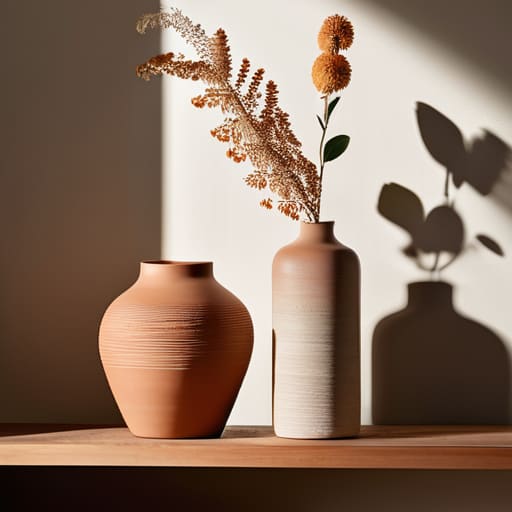
I remember clearing out my late mother’s sideboard last spring, and it struck me just how much junk we let accumulate over the years. Amidst a sea of cheap, mass-produced trinkets, I found a single, heavy stoneware piece that had sat there for forty years without a single chip. It made me realize that most people today treat ceramic flower vases like they’re disposable—buying some thin, hollow thing from a big-box retailer just because it’s cheap and matches a fleeting color trend. It’s a complete waste of money to buy something that’s destined for a landfill before the season even changes.
I’m not here to sell you on “aesthetic lifestyle trends” or tell you which vase will make your living room look like a magazine spread. What I intend to do is cut through the marketing fluff and show you how to identify ceramic flower vases that actually have some weight to them. I’ll be looking at glaze durability, material density, and structural integrity—the things that actually matter. My goal is simple: to help you buy it once and find pieces that truly belong in your home for the long haul.
Table of Contents
Investing in Handcrafted Stoneware Vases Over Cheap Trends
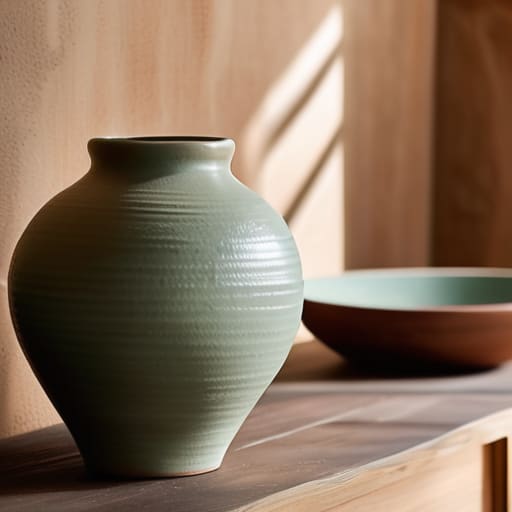
I’ve seen enough “bargain” decor in my time to know that a low price tag usually comes with a hidden cost: replacement. You go to a big-box retailer, grab a thin, mass-produced vessel, and three months later, it’s sitting in a landfill because the glaze is flaking or the base is uneven. I don’t have the patience for that kind of waste. If you’re going to clear space on your sideboard, you might as well do it right with handcrafted stoneware vases. These pieces have weight to them. They feel substantial in your hands, which is a telltale sign of quality construction.
When you opt for sculptural ceramic vessels made by a real person, you aren’t just buying an object; you’re buying a piece of functional art that won’t go out of style by next season. I prefer items that can transition from a fresh bouquet to a simple arrangement of dried stems without looking out of place. Trends come and go, but a well-fired piece of earthenware is a permanent fixture in a sensible home. Stop cycling through cheap plastic and hollow glass. Buy something that actually has some soul to it.
Sculptural Ceramic Vessels That Stand the Test of Time
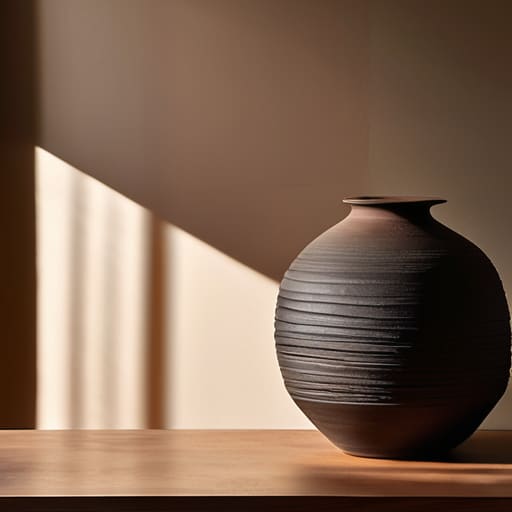
When I look at a piece of pottery, I don’t care if it’s “on-trend” for a season. I want to see something with weight and intention. Sculptural ceramic vessels shouldn’t just be containers for water; they should be objects of substance that hold their own even when they are empty. I’ve seen far too many mass-produced pieces that look like they’ll shatter if you look at them sideways. If you are going to clear a spot on your sideboard, make sure it’s for something that possesses a real sense of form and structural integrity.
A well-chosen minimalist ceramic centerpiece serves a dual purpose. It acts as a focal point for your dining table, but it also provides a sense of permanence to the room. You don’t need a dozen different trinkets cluttering your surfaces. Instead, find one or two pieces of modern pottery for interiors that feature clean lines and a rugged, honest texture. Whether you are using them for fresh blooms or simple dried flower vase styling, these pieces will still look as relevant ten years from now as they do today.
Five Rules for Buying a Vase That Isn't Just Expensive Trash
- Check the weight before you commit. A quality ceramic vase should have some heft to it; if it feels light and hollow like a cheap plastic imitation, it’s going to tip over the moment you add a single branch.
- Look for a narrow neck if you aren’t planning on buying professional floral arrangements. A wide, gaping opening is a recipe for a mess, whereas a tapered neck holds stems upright and keeps things looking tidy without constant fussing.
- Inspect the glaze for consistency. You want a finish that is smooth and properly fired, not one that looks like it was sprayed on in a rush. Cracks in the glaze aren’t “character”—they are structural weaknesses that will eventually leak.
- Avoid anything with excessive gold or glitter accents. Those “trendy” finishes are the first things to peel and fade. Stick to earth tones and honest textures that will look just as good in ten years as they do today.
- Ensure the base is perfectly flat. I’ve seen too many people buy beautiful pieces only to realize they wobble on the dining table. A stable base is the difference between a centerpiece and a disaster waiting to happen.
The Bottom Line on Buying Ceramics
Stop chasing seasonal patterns; look for weight, texture, and a solid base that ensures the piece won’t tip over or crack under normal use.
Prioritize material quality over price tags—a heavy, kiln-fired stoneware piece is a one-time purchase, whereas cheap, mass-produced glass is just future landfill.
Buy for purpose and longevity, choosing vessels that complement your space for decades rather than following a trend that will look dated by next year.
The Cost of Cheap Decor
I’ve spent enough years watching supply chains move cheap, mass-produced junk across the globe to know a bad investment when I see one; don’t clutter your home with flimsy glass that’ll be in a landfill by next season—buy a heavy, honest ceramic vase that actually has some weight to it and the character to last a lifetime.
Hugo Steenkamp
The Bottom Line on Your Next Purchase
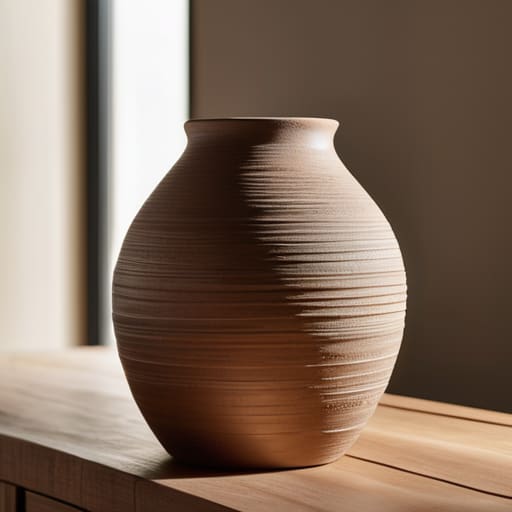
At the end of the day, choosing a ceramic vase isn’t about matching a color swatch in a catalog; it’s about recognizing the difference between a temporary decoration and a permanent fixture. We’ve looked at why heavy, handcrafted stoneware beats out mass-produced plastic every single time, and why investing in sculptural, high-quality vessels is a smarter use of your hard-earned money. When you opt for pieces that prioritize material integrity and craftsmanship, you aren’t just buying a container for flowers—you are rejecting the cycle of disposable consumerism that clutters our homes and our landfills.
My advice is simple: stop looking for the cheapest option and start looking for the one that will still look dignified on your sideboard twenty years from now. A home should be a collection of things that tell a story of quality and purpose, not a graveyard of broken, cheap glass. Take your time, feel the weight of the ceramic in your hands, and ensure it’s built to last. Buy it once, buy it well, and let your home reflect a standard of excellence that doesn’t need to shout to be noticed.
Frequently Asked Questions
How can I tell if a ceramic vase is actually high-quality stoneware or just cheap, mass-produced clay with a thin glaze?
Don’t let a shiny glaze fool you. Pick it up; a quality stoneware piece should have a reassuring heft to it. If it feels light or hollow, it’s likely cheap, mass-produced clay. Check the base, too. High-quality stoneware usually has a gritty, unglazed bottom that shows the true density of the material. If the glaze looks uniform and thin like plastic, walk away. You want something with character and substance.
Are these handcrafted pieces actually practical for everyday use, or are they too fragile to hold water and real flowers?
Look, I get the skepticism. After years in logistics, I know that if a tool isn’t functional, it’s just clutter. But don’t mistake “handcrafted” for “delicate.” A proper stoneware or heavy ceramic vase is built with density in mind. Unlike those thin, mass-produced glass pieces that crack if you look at them wrong, these pieces have the weight and structural integrity to hold water and heavy blooms without a problem. They’re built for use, not just for show.
What should I look for in terms of weight and base stability to ensure a heavy ceramic vase won't tip over easily?
When you’re picking out a vase, don’t be fooled by something that looks good but feels hollow. A quality piece should have some heft to it. You want a wide, flat base—not a tapered one—to keep the center of gravity low. If you’re planning on filling it with heavy, water-soaked stems, a lightweight vessel is just asking for a mess on your hardwood floors. If it feels flimsy in your hands, leave it on the shelf.
