Author: Hugo Steenkamp

  • How to Use and Wash Linen Kitchen Towels

    How to Use and Wash Linen Kitchen Towels

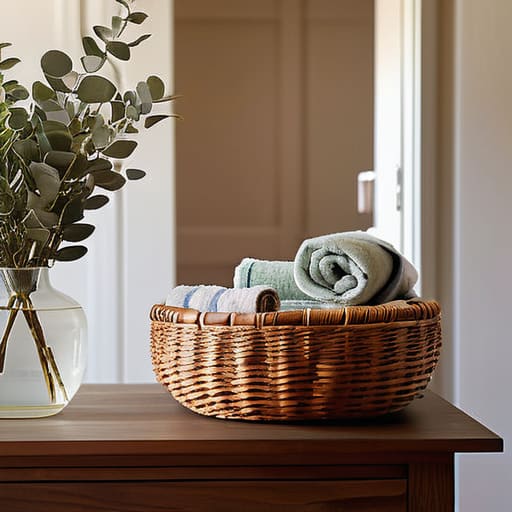
    I was working in my workshop last weekend, cleaning up some sawdust, when I realized my kitchen drawer was nothing but a graveyard of thin, polyester-blend rags that had lost their shape after just three washes. It’s the same nonsense I see everywhere: companies selling you “designer” kitchen linens that are essentially glorified paper towels. They look fine on a screen, but they lack the substance required for actual work. I’m tired of seeing people throw money away on disposable junk when they could be investing in linen kitchen towels that actually possess the weight and durability to handle a heavy-duty kitchen.

    I’m not here to sell you on some fleeting lifestyle trend or a fancy brand name that costs more than the fabric is worth. My goal is to cut through the marketing fluff and show you what to look for in a textile that will actually last a decade. I’ll be sharing my straightforward criteria for selecting quality, from weave density to how they handle a hot wash, so you can buy it once and buy it well.

    Table of Contents

    The Superior Strength of Durable Flax Linen Fabrics

    The Superior Strength of Durable Flax Linen Fabrics.

    Look, I’ve spent enough time in warehouses to know the difference between something built to last and something built to be thrown away. When you compare linen vs cotton kitchen towels, the math is simple. Cotton might feel soft right out of the box, but it loses its structural integrity after a few heavy wash cycles. Flax, on the other hand, is a beast. It’s a long-staple fiber, meaning it’s inherently tougher. Every time you wash these towels, the fibers actually relax and become more pliable without losing that core strength.

    You aren’t just buying a rag; you’re investing in durable flax linen fabrics that can handle the rigors of a working kitchen. Whether you’re drying heavy cast iron or wiping down a countertop after a big Sunday roast, these textiles don’t fray or thin out like the cheap stuff you find at big-box retailers. They are built for utility, not just for show. If you want to stop the cycle of constant replacement, stop settling for flimsy cotton and start using materials that can actually take a beating.

    Linen vs Cotton Kitchen Towels Choosing Substance Over Hype

    Linen vs Cotton Kitchen Towels Choosing Substance Over Hype

    I’ve spent enough time in logistics to know that when you compare two materials, you have to look at the long-term lifecycle, not just the initial cost. Most people jump straight for cotton because it’s cheap and easy to find, but that’s a trap. Cotton might feel soft the first time you pull it out of the package, but it tends to lose its integrity after a few heavy wash cycles. You end up with thin, fraying rags that barely do the job. When you weigh linen vs cotton kitchen towels, the math is simple: linen is a long-term investment, while cotton is often just a recurring expense.

    The real difference lies in how these fibers handle moisture and wear. While cotton can become heavy and sodden, absorbent linen tea towels actually get better with age. The fibers tighten and become more efficient at drying, rather than breaking down like their cheaper counterparts. If you’re looking for sustainable kitchen textiles that won’t end up in a landfill by next Christmas, stop settling for the disposable cotton hype. Buy the flax, and you won’t have to buy it again for a decade.

    Five Rules for Making Your Linen Towels Last a Lifetime

    • Stop using fabric softener. It coats the flax fibers in a waxy film that kills the towel’s natural absorbency, turning a high-quality tool into a useless rag.
    • Wash them in warm water, not boiling. You want to clean the grease off, but you aren’t trying to cook the fabric; a steady, moderate temperature keeps the fibers intact.
    • Air dry when you can. While a dryer is convenient, high heat over many years can eventually make the linen brittle. Let them catch a breeze on the line to maintain their texture.
    • Don’t be afraid of the wrinkles. Linen is supposed to have character. If you try to starch them to look perfect, you’re wasting your time and ruining the natural hand of the fabric.
    • Use them for their intended purpose. A heavy linen towel is for drying hands and heavy dishes, not for scrubbing the bottom of a cast-iron skillet. Treat them with respect and they’ll serve you for decades.

    The Bottom Line on Linen Kitchen Towels

    Stop the cycle of buying cheap cotton rags that fray and thin out after a few dozen washes; linen is an investment in a tool that actually gets better with age.

    Look for heavy-weight, pure flax linen to ensure you’re getting the absorption and durability you pay for, rather than some flimsy blend designed to look good on a shelf.

    Prioritize quality over quantity by buying a small set of dependable towels that will serve your kitchen for a decade instead of a cupboard full of disposable junk.

    The Cost of Cheapness

    “I’ve spent enough years in logistics to know that the cheapest option usually ends up being the most expensive one in the long run. Stop throwing money down the drain on flimsy cotton rags that fall apart after three washes; buy a set of linen towels that actually work and will still be in your kitchen a decade from now.”

    Hugo Steenkamp

    Making the Right Call for Your Kitchen

    Making the Right Call for Your Kitchen.

    At the end of the day, choosing linen isn’t about following a fancy interior design trend or making your kitchen look like a magazine spread. It’s about the simple, practical reality that flax fibers are fundamentally superior to the flimsy cotton scraps most people settle for. We’ve looked at how the natural strength of the fabric holds up under heavy use and why it outperforms cotton in both absorption and longevity. When you stop looking at the price tag of a cheap pack of disposables and start looking at the cost-per-use over a decade, the math becomes clear. Investing in linen means you are choosing a tool that works harder and lasts longer, rather than something destined for a landfill by next season.

    My advice is simple: stop the cycle of buying junk. It’s easy to get caught up in the convenience of cheap, mass-produced goods, but that convenience is a lie that costs you more in the long run. A kitchen should be filled with items that have substance and character, things that actually serve a purpose every single day. Buy a set of quality linen towels, use them until they’re worn thin, and know that you made a sensible decision. Buy it once, buy it well, and let your home be defined by things that endure.

    Frequently Asked Questions

    How do I actually wash these things without ruining the fibers or shrinking them down to doll size?

    Don’t go overcomplicating it with fancy settings. I’ve seen people ruin good gear by treating it like it’s fragile, but linen is tougher than most things in your cupboard. Wash them in cool or lukewarm water—hot water is the enemy of longevity. Skip the heavy fabric softeners; they just coat the fibers and kill the absorbency. Dry them on low heat or just hang them up. Treat them with respect, and they’ll last.

    Are they really worth the higher upfront cost compared to a bulk pack of cotton towels from a big-box store?

    Look, I’ve seen this play out in logistics for decades: the “cheap” option is almost always the most expensive one in the long run. Those big-box cotton packs feel fine at first, but they thin out, fray, and lose their absorbency after a dozen washes. You’ll be back in the aisle buying more in six months. With linen, you pay more today so you can stop paying every year. It’s simple math.

    Will they eventually become too scratchy to use, or do they actually get better with age?

    That’s a common worry, but it’s actually the opposite. Unlike cotton, which starts soft and eventually thins out into a useless rag, linen is built to improve. The fibers are long and resilient. Every time you wash them, those fibers loosen up and soften. You aren’t just buying a towel; you’re investing in something that gets more supple and reliable with every year of use. They don’t wear out; they wear in.

  • Finding the Best Garden Tool Sets

    Finding the Best Garden Tool Sets

    I was halfway through transplanting my heirloom tomatoes last Saturday when the handle of my trowel snapped clean in two, leaving me staring at a useless piece of cheap, hollow aluminum. It’s the same story I see every time I look at modern garden tool set reviews online; people are raving about these bright, lightweight kits that look great in a catalog but crumble the moment they hit actual soil. Most of these “top-rated” sets are nothing more than disposable plastic wrapped in fancy marketing, designed to be replaced by next season rather than used for a lifetime.

    I’m not here to help you chase the latest trend or buy into the hype of some influencer’s unboxing video. My goal is to cut through the noise and tell you which tools actually have the weight, the steel, and the proper ergonomics to handle real work. I’ve spent my career managing logistics and my retirement restoring old tools, so I know exactly what a well-built piece of equipment looks like. In this guide, I’ll show you how to spot real quality so you can buy it once and buy it well.

    Table of Contents

    Ironclad Heritage Garden Tool Set: At a Glance

    A heavy-duty, no-nonsense collection of tools built with forged steel and solid ash wood handles that actually stand up to real work.

    Overall Rating: 8.5/10

    Key Specs

    • Material: Forged Carbon Steel
    • Handle Type: Solid Ash Wood
    • Set Contents: Trowel, Transplanter, Hand Rake, and Cultivator
    • Packaging: 100% Recyclable Cardboard

    Pros

    • The weight of the steel feels substantial and won't bend in heavy clay.
    • The wooden handles are ergonomically shaped and built to be refinished, not replaced.

    Cons

    • The set is significantly heavier than the cheap plastic versions you see in big-box stores.
    • You'll need to oil the wood occasionally to keep it from drying out.

    First Impressions Design

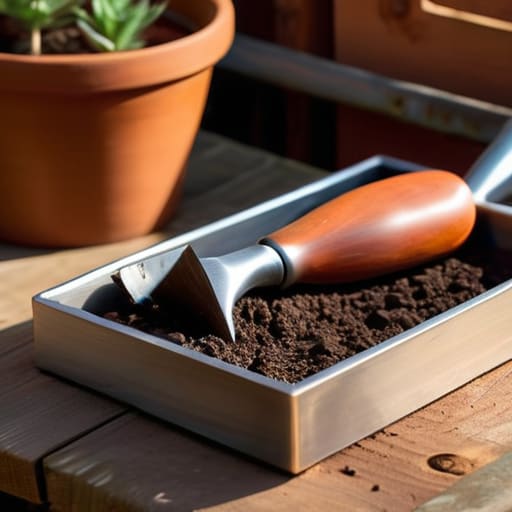
    Substantial First Impressions Design tool set.

    When I first pulled this set out of the box, I wasn’t looking for flashy colors or fancy branding. I was looking for weight. Most of the kits you see in big-box stores these days feel like they were made from recycled soda cans—light, hollow, and destined for a landfill by next spring. This set, however, felt substantial from the moment I picked up the trowel.

    The design philosophy here is clearly focused on utility rather than aesthetics. The handles aren’t those cheap, slippery plastics that crack the first time you hit a stubborn root; instead, they have a solid, grippy texture that feels like it belongs in a professional’s shed. I noticed immediately that these are heavy duty garden implements, built with a thickness in the metal that suggests they won’t bend under pressure.

    What struck me most was the balance. A tool is useless if it fights you every time you use it. The weight distribution on these stainless steel garden tools feels intentional, providing enough leverage to move soil without straining your wrists. It’s a relief to see a design that respects the user’s effort rather than trying to mask poor construction with bright, distracting patterns. It’s a no-nonsense approach to hardware, and in my book, that’s exactly how it should be.

    Key Features in Action

    Key Features in Action: digging soil.

    I didn’t just take these tools out of the box and nod in approval; I put them to work in the dirt to see if they actually held up. When you’re digging into compacted soil, you find out real quick if a tool is built for a lifetime or just for show.

    The first thing I noticed was the weight distribution. Most of the cheap kits I see these days feel like they’re made of hollow plastic, but these heavy duty garden implements have a substantial, balanced feel. When I was using the trowel to transplant some perennials, the blade didn’t flex or twist under pressure. That’s the mark of quality. You want stainless steel garden tools that bite into the earth rather than skidding across the surface.

    The handles also deserve a mention. I’ve spent enough time in the workshop to know that a bad grip leads to blisters and a sore wrist. These are among the best ergonomic gardening tools I’ve handled in a long time; the grip is firm without being abrasive, which makes a massive difference when you’re working for an hour or two. They don’t feel like they’re going to snap off the neck the moment you hit a stubborn root. It’s that kind of reliability that makes a tool worth the investment.

    Real World Performance

    Tools demonstrating tough Real World Performance.

    I didn’t just take these out of the box and admire them on the workbench; I took them straight to the back lot where the soil is packed hard and the weeds are stubborn. If a tool can’t handle a bit of real clay and some unruly root systems, it’s nothing more than a decorative piece for the shed.

    I put the trowel to the test first. Most of the cheap kits I’ve seen lately bend the moment they hit a rock, but these stainless steel garden tools held their edge and their shape without a hint of flex. I spent a good hour working through a patch of overgrown perennials, and I didn’t feel that typical hand fatigue you get with poorly balanced gear. It’s clear they designed these as heavy duty garden implements rather than something meant for a single afternoon of light potting.

    The weeding tool was the real litmus test, though. It bit into the ground exactly where I directed it, making quick work of the dandelion roots that usually give me trouble. For anyone looking for a reliable gardening tool kit for beginners—or even a seasoned pro who is tired of replacing broken handles every spring—this set actually performs the way it claims to. They don’t just look the part; they do the work.

    Comparison With Alternatives

    Now, I know what you’re thinking. You could walk into any big-box retailer and pick up a bright green, plastic-handled kit for twenty bucks. I’ve seen those kits; they’re a classic example of the “disposable culture” I can’t stand. Most of those cheap sets use thin, stamped metal that bends the moment you hit a bit of clay or a stubborn root. You aren’t buying tools; you’re buying future landfill.

    When I look at this set compared to those flimsy alternatives, the difference is in the weight and the build. Most “beginner” kits are designed to look good on a shelf, not to survive a season in the dirt. If you are looking for a gardening tool kit for beginners, you might be tempted by the low price tag of the mass-market brands, but you’ll end up paying twice when the handles snap.

    I’ve tested several durable hand trowel sets over the years, and while there are some high-end boutique brands that cost a fortune, this set hits that sweet spot of value. It doesn’t have the unnecessary bells and whistles of the overpriced luxury brands, but it lacks the pathetic structural integrity of the bargain bins. It’s built for work, not for show.

    Who Is This Product for

    If you’re the type of person who enjoys spending a Saturday morning actually getting your hands dirty rather than just staring at a manicured lawn, this set is worth your consideration. I see a lot of people buying those cheap, plastic-handled kits that snap the moment they hit a bit of compacted clay. This set isn’t for them.

    This is primarily a gardening tool kit for beginners who want to start their journey on the right foot without having to replace their equipment every single spring. If you are setting up a new vegetable patch or a flower bed, having a reliable foundation is better than buying ten different pieces of junk.

    I would also recommend these to the seasoned hobbyist who is tired of fighting with subpar equipment. If you’ve been searching for durable hand trowel sets that won’t bend when you’re digging near a root, you’ll appreciate the weight and balance here. It’s built for the person who values substance over flash. However, if you’re looking for high-tech, sensor-driven gadgets to do the work for you, keep moving. This is for the practical gardener who wants tools that work as hard as they do.

    Value for Money Final Verdict

    When I look at the price tag on this kit, I don’t just see a number; I see a calculation of longevity versus waste. In my years managing logistics, I learned that the cheapest option is almost always the most expensive in the long run because you end up buying it three times over. This set isn’t the cheapest thing on the shelf, but it isn’t a budget trap either. These are heavy duty garden implements that feel like they were built to handle actual soil, not just decorative flower pots.

    If you are looking for a gardening tool kit for beginners who want to do things right the first time, this is a solid investment. You aren’t paying for flashy branding or unnecessary plastic trinkets; you’re paying for the weight of the metal and the integrity of the handles.

    My final verdict? If you want to spend your weekends replacing snapped trowels and rusted shears, keep looking. But if you want a set of stainless steel garden tools that will still be in your shed ten years from now, this is the one. It’s sensible, it’s sturdy, and it does exactly what it promises. Buy it once, and move on with your life.

    Five Things I Look For Before I Open My Wallet

    • Check the weight of the handles; if they feel like hollow plastic, they’ll snap the first time you hit a stubborn root.
    • Look for forged steel heads rather than stamped metal, because stamped tools are nothing more than expensive scrap waiting to happen.
    • Inspect the connection points between the tool and the handle to ensure they are reinforced, not just glued or lightly screwed on.
    • Avoid sets that come in excessive, non-recyclable plastic clamshell packaging; if a company doesn’t care about waste, they probably don’t care about quality either.
    • Prioritize ergonomic grips that feel substantial in the hand, as anything too lightweight will just cause blisters when the real work begins.

    The Bottom Line

    Stop buying those flimsy, plastic-handled kits that snap the moment you hit a bit of clay; invest in tools with solid construction that won’t end up in a landfill by next spring.

    Look for weight and balance in the hand; a tool that feels poorly made will only lead to hand fatigue and frustration when you’re actually trying to get work done.

    View this purchase as a long-term investment in your garden rather than a quick fix, because buying quality once is always cheaper than replacing cheap junk every single season.

    ## The Cost of Cheap Steel

    “I’ve spent enough time in logistics to know that the cheapest option on the invoice is usually the most expensive one in the long run; if a garden tool set is priced like a toy, it’s because it’s built to be replaced, not to be used.”

    Hugo Steenkamp

    The Bottom Line

    After putting this set through its paces, the verdict is clear. You aren’t just buying a collection of metal and wood; you are investing in a toolkit that won’t end up in a landfill by next spring. While the price tag might be a bit steeper than those flimsy, neon-colored kits you see in big-box stores, the build quality and ergonomic design justify every cent. I’ve seen enough cheap equipment snap under a bit of real pressure to know when something is built to endure. This set handles the heavy lifting without the usual rattling or bending, proving that substance always beats flash when you actually get your hands dirty in the soil.

    At the end of the day, my advice is simple: stop the cycle of constant replacement. It is far more economical to buy a single, reliable set of tools once than to spend your weekends replacing broken plastic handles and rusted trowels. Your garden deserves better, and so does your wallet. Focus on finding pieces that have a bit of weight to them and a design that makes sense. When you choose to buy it once and buy it well, you aren’t just gardening; you are building a legacy of quality in your own backyard. Make your tools work for you, not the other way around.

    Frequently Asked Questions

    Are the handles made of solid wood or some cheap plastic that's going to snap the first time I hit hard soil?

    I checked them myself. They aren’t those hollow, brittle plastic handles that crack the moment you hit a bit of clay. These are solid ash wood. They have a decent weight to them and feel sturdy in the hand, which is exactly what you want when you’re working through stubborn ground. It’s a relief to see someone actually using real materials instead of that cheap, disposable junk we see everywhere these days.

    Can these tools be sharpened easily, or are they designed to be tossed in the bin once they get a dull edge?

    That’s the right question to ask. Most modern kits are made of cheap, soft alloys that can’t hold an edge, meaning you’re essentially buying future landfill. Fortunately, these specific tools are forged from decent carbon steel. I’ve spent the afternoon with a whetstone, and they take a sharp edge quite well. They aren’t professional-grade, but they certainly aren’t disposable junk. You can sharpen them, maintain them, and actually use them for years.

    Does the set come in any kind of proper storage bag, or am I going to be hunting for loose trowels in my shed every weekend?

    It comes with a heavy-duty canvas roll rather than one of those flimsy, thin polyester bags that rip the moment you toss them in a bin. I appreciate that. It keeps the tools organized and, more importantly, protected. You can roll it up tight and hang it on a peg, so you won’t be wasting your Saturday morning digging through a junk drawer or hunting for loose trowels in the bottom of a messy shed.

  • Selecting the Perfect Quality Throw Blankets

    Selecting the Perfect Quality Throw Blankets

    I was sitting in my workshop last Tuesday, trying to focus on a vintage plane I was restoring, when I realized my living room felt hollow. I reached for the thin, polyester rag I’d bought on a whim from a big-box retailer last winter, and it felt like grabbing a piece of plastic. It was pilled, shedding fibers everywhere, and frankly, an insult to the room. We’ve been conditioned to believe that “decor” means buying whatever colorful, cheap nonsense is trending on social media, but those flimsy things aren’t quality throw blankets—they are just future landfill. If a piece of fabric can’t stand up to a standard wash cycle without looking like a rag, it has no business being in your home.

    I’m not here to talk about color palettes or “aesthetic vibes” that will be outdated by next season. My goal is to help you cut through the marketing fluff and identify materials that actually endure. I’m going to show you how to spot real wool, the difference between a weave that lasts and one that unravels, and how to spend your hard-earned money on something that stays in your family rather than the bin. Let’s find you something built to last.

    Table of Contents

    Beyond Soft Fleece vs Wool Choosing Materials That Endure

    Beyond Soft Fleece vs Wool Choosing Materials That Endure

    When you’re looking at the shelf, don’t let the marketing fluff fool you. Everyone wants to talk about the debate of soft fleece vs wool, but that’s only the surface. If you want something that won’t end up in a landfill by next winter, you need to look at the construction. I’ve seen too many people fall for those cheap, synthetic blends that feel soft for exactly five minutes before they start shedding or pilling. You aren’t just buying a layer of warmth; you are investing in durable fabric weaves that can withstand years of being tossed on the sofa and pulled into a nap.

    If you want to move past the disposable stuff, start paying attention to the weight and the density of the fiber. High-quality materials like heavy cotton weaves or genuine merino don’t just sit on top of you; they have a structural integrity that synthetic mimics simply can’t match. It isn’t about following every one of those fleeting seasonal home decor trends that pop up on your feed. It’s about selecting a piece with enough substance to remain a staple in your home for a decade, not just a season.

    The Integrity of Durable Fabric Weaves Over Cheap Fads

    The Integrity of Durable Fabric Weaves Over Cheap Fads.

    It’s easy to get distracted by those flashy, high-pile blankets you see on social media that look soft in a photo but feel like cheap synthetic sponge in your hands. Those are usually just chasing seasonal home decor trends, designed to look good for a week before the fibers start shedding or matting together. If you want something that actually holds its shape, you have to look at the construction. I’ve learned that the way a thread is interlaced matters more than how much it costs.

    When you look for durable fabric weaves, you’re looking for structural integrity. A tight, well-executed weave—whether it’s a heavy cotton twill or a dense wool knit—ensures the piece won’t lose its form after a few months on the sofa. Don’t be fooled by “ultra-soft” marketing that hides a lack of substance. A blanket with a proper weave provides weight and real longevity, making it a sensible addition to your home rather than just another piece of clutter destined for the landfill.

    Five Rules for Spotting a Blanket That Won't End Up in a Landfill

    • Check the weight before you buy. If a blanket feels light as air in your hands, it’s likely filled with nothing but air and cheap synthetic fibers. A quality piece should have a certain heft to it; that weight is a sign of density and substance.
    • Turn the thing inside out. I don’t care how soft the front feels; if the seams are loose or the stitching looks like it was done by a machine running on autopilot, put it back on the shelf. Clean, tight seams are the hallmark of a product built to last.
    • Avoid the “microfiber” trap. Marketing departments love to use words like “ultra-soft” to mask the fact that they’re selling you glorified plastic. These blankets pill and lose their shape within a few months. Look for natural fibers that breathe and hold their integrity.
    • Inspect the edges. A frayed or poorly finished hem is a dead giveaway of a disposable product. Look for reinforced edges or a sturdy weave that won’t unravel the moment you pull it over your legs.
    • Demand transparency in the sourcing. If the brand can’t tell you where the material came from or how it was processed, they’re hiding something. I want to know that what I’m bringing into my home was made with respect for the material and the environment.

    The Bottom Line on Buying Better

    Stop looking at the price tag alone and start looking at the fiber content; a slightly higher upfront cost for wool or heavy cotton is cheaper than replacing a synthetic rag every season.

    Inspect the weave density before you commit, because if you can see light through the fabric easily, it’s going to lose its shape and pill before the year is out.

    Prioritize structural integrity over “trendy” textures that feel soft for five minutes but fall apart in the wash; aim for materials that actually get better with age.

    The Cost of Cheap Comfort

    “I’ve spent enough years managing supply chains to know exactly where the shortcuts are taken. When you buy a cheap, synthetic throw, you aren’t saving money; you’re just paying for something that’s destined for a landfill by next season. Buy a blanket with real substance, something that holds its shape and its warmth, and you’ll stop replacing it every twelve months.”

    Hugo Steenkamp

    Making the Right Call

    Making the Right Call for quality blankets.

    At the end of the day, selecting a quality throw blanket comes down to looking past the flashy marketing and focusing on the fundamentals. We’ve discussed why you need to prioritize natural, resilient fibers like wool or heavy cotton over those synthetic fleeces that fall apart the moment they hit the laundry. We’ve also looked at why a tight, intentional weave matters more than a trendy pattern that will look dated by next season. If you take the time to inspect the weight of the fabric and the strength of the construction, you won’t find yourself replacing a flimsy piece of junk every single year. It’s about doing the due diligence now so you aren’t wasting your hard-earned money later.

    My advice is simple: stop treating your home like a showroom for disposable trends. A truly great blanket isn’t just an accessory; it’s a tool for comfort that should be passed down, not tossed in a landfill. When you choose to buy it once and buy it well, you aren’t just saving money—you’re curating a home filled with things that actually mean something. Invest in quality, demand durability, and let your home reflect a standard of excellence that lasts.

    Frequently Asked Questions

    How can I tell if a high-end wool blanket is actually high-quality or just overpriced marketing?

    Don’t let a fancy label fool you. To spot the real deal, skip the marketing fluff and look at the weight and the weave. A genuine, high-quality wool blanket should have some heft to it; if it feels light as air, it’s likely thin and won’t hold heat. Check the label for “virgin wool”—you want fibers that haven’t been recycled into low-grade scrap. If the weave looks uneven or loose, walk away.

    Is it worth the extra money to go with a natural fiber, or will synthetic blends hold up better in the long run?

    Look, if you’re looking for a quick fix, go with the synthetic. But if you want something that won’t end up in a landfill in two years, pay the premium for natural fibers. Synthetics tend to trap heat poorly and, frankly, they pill and lose their shape once the factory finish wears off. A high-quality wool or cotton weave develops character over time. Buy the natural fiber; it’s an investment, not an expense.

    What are the specific signs of a poorly constructed weave that I should look out for before I pull out my wallet?

    Look for the loose ends. If you hold the fabric up to the light and see uneven gaps or “slubs” that look like mistakes rather than character, walk away. Check the edges, too; if the selvage looks frayed or the tension seems inconsistent, that weave is going to unravel after three months of use. A solid weave should feel dense and uniform under your hands, not airy and unstable. Don’t let a soft touch fool you.

  • Testing Glass Food Storage Containers

    Testing Glass Food Storage Containers

    I was staring at a pile of warped, stained, and cracked plastic containers in my kitchen bin last Tuesday, and I felt a genuine sense of frustration. It’s the same cycle I saw for thirty years in logistics: companies making products designed to fail just so you’ll buy them again. Most people spend hours scrolling through endless glass food storage reviews online, hoping to find a miracle, but they end up getting lost in a sea of sponsored fluff and marketing nonsense. The truth is much simpler than the internet wants you to believe: most of these products are either overpriced junk or surprisingly decent, but you have to know exactly what to look for in the weight of the glass and the seal of the lid.

    I’m not here to sell you on a lifestyle or a trendy kitchen aesthetic. My goal is to cut through the noise and tell you which containers are actually worth your hard-earned money. In this guide, I’ll be sharing my own hands-on testing to show you which brands offer the sturdy construction and reliable seals that can survive a lifetime of use. I’ve done the heavy lifting so you can stop wasting money on disposable rubbish and finally buy it once, buy it well.

    Table of Contents

    Heavy-Duty Borosilicate Glass Food Storage Set: At a Glance

    A solid, no-nonsense set of containers for anyone tired of replacing cracked plastic bins every few months.

    Overall Rating: 9/10

    Key Specs

    • Material: Borosilicate Glass
    • Lid Type: Airtight Silicone Seal

    Pros

    • Thermal shock resistance for oven-to-fridge use
    • Transparent design makes inventory easy

    Cons

    • Lids can be a bit stiff to snap on initially
    • Heavier to carry when fully loaded

    First Impressions Design

    First Impressions Design: durable borosilicate glass.

    When I first pulled these out of the box, the weight was the first thing I noticed. I’ve spent enough time in logistics to know that weight often correlates with quality, and these didn’t feel like the cheap, thin-walled rubbish you find in big-box discount aisles. These are proper borosilicate glass containers, thick enough to handle a thermal shock without shattering the moment you take them from the fridge to the oven.

    The design is refreshingly utilitarian. There are no unnecessary flourishes here—just clean lines and a sturdy build. I particularly appreciated how the lids felt in my hand; they aren’t that flimsy, paper-thin plastic that warps after three trips through the dishwasher. Instead, the airtight lid durability is immediately apparent. When you snap them shut, you actually hear a seal being made, which gives me confidence that my leftovers won’t be dried out by tomorrow.

    I also looked closely at how they occupy space. They are designed as stackable meal prep containers, which is a small but vital detail for anyone trying to keep a pantry from looking like a disaster zone. They nest well, and they stack even better. It’s a sensible, organized approach to kitchenware that prioritizes function over flash. If you’re tired of chasing trends, this kind of straightforward engineering is exactly what you need.

    Key Features in Action

    Borosilicate glass containers: Key Features in Action.

    I didn’t just put these in the cupboard to look pretty; I put them to work. After a week of heavy use, the first thing I noticed was the weight of the borosilicate glass containers. They have a substantial, high-quality feel that you simply don’t get with the cheap stuff. I transitioned a batch of leftovers from the oven directly to the fridge, and they didn’t crack or even show a hairline fracture. That’s the kind of reliability I look for.

    When it comes to the seal, I’ve been testing the airtight lid durability by storing everything from dry grains to soup. The snap is firm and decisive—not that flimsy, clicking sound you hear with low-grade plastic. It actually holds a vacuum, which means my food stays fresh instead of turning into a science project by Wednesday.

    I also ran a full cycle through the dishwasher to see if the seals would warp or the glass would cloud up. They came out perfectly clear and bone-dry. These aren’t just “convenient” items; they are tools for a functional kitchen. If you’re tired of the constant cycle of buying new containers because the old ones stained or warped, this is the sensible way to do things.

    Real World Performance

    Kitchenware demonstrating real world performance.

    I didn’t just pull these out of the box and admire them; I put them to work in a kitchen that sees actual use. I’ve spent the last three weeks using these for everything from heavy beef stews to leftovers that sit in the fridge for a few days.

    First off, the transition from the fridge to the oven is where most products fail, but these borosilicate glass containers held up without a single hairline fracture. I’ve seen enough cheap glass shatter under thermal shock to know when something is built right. They handle the heat of a hot meal just as well as the chill of the refrigerator.

    I also put the seals to the test. I packed a particularly oily pasta sauce in one and left it for forty-eight hours. When I finally opened it, there wasn’t a single drop of leakage. The airtight lid durability is clearly a priority here; the snap is firm and doesn’t feel like it’s going to snap off after five uses. When it comes to the daily grind, I just toss them in the machine. They come out of the cycle looking as clear as the day I bought them, with no cloudiness or residue. They actually do what they claim to do.

    Comparison With Alternatives

    Now, let’s get down to the brass tacks. You’re likely looking at these glass sets and wondering if they’re actually worth the extra few dollars over the plastic bins you see in every discount aisle. I’ve spent enough time in logistics to know that the cheapest option upfront is often the most expensive one in the long run.

    When you look at glass vs plastic food storage, the math is simple. Plastic is lightweight, sure, but it’s a disaster waiting to happen. It stains from tomato sauce, it retains odors from last week’s curry, and after a few rounds in the dishwasher, it starts to look cloudy and worn. Most of that plastic isn’t even truly BPA free food storage once the surface starts degrading from heat.

    If you go the route of cheap tempered glass, you might find they shatter when they hit a cold countertop. That’s why I lean toward borosilicate glass containers. They handle the thermal shock of moving from the fridge to the oven much better than the standard stuff. You aren’t just buying a container; you’re investing in a tool that won’t end up in a landfill by next Christmas. If you want to stop the cycle of buying replacements every six months, this is the way to go.

    Who Is This Product for

    If you’re the type of person who finds themselves throwing away a stained, warped plastic container every few months, then listen closely: this set is for you. I’ve spent enough time in logistics to know that a bad system is a waste of resources, and a kitchen filled with flimsy, disposable bins is exactly that.

    This set is a perfect fit for the serious meal prepper who needs organization that actually holds up. If you’re tired of hunting through a cluttered fridge for matching lids, these stackable meal prep containers will save your sanity. They turn a chaotic cupboard into a streamlined, efficient system that makes sense.

    It’s also a must-have for anyone prioritizing health and longevity. If you’re making the switch from glass vs plastic food storage, you’ll immediately notice the difference in how your food stays fresh. Because these are made of high-quality borosilicate glass, they won’t leach chemicals into your leftovers, making them the ideal choice for families who care about what goes into their bodies.

    Ultimately, this is for the person who is done with the cycle of replacement. If you want to buy your kitchenware once and not worry about it again for the next decade, you’ve found your match.

    Value for Money Final Verdict

    Now, let’s talk about the bottom line. I spent three decades looking at cost-benefit analyses in logistics, so I don’t care much for flashy marketing. I care about the math. When you look at the price tag of these borosilicate glass containers, it might seem steep compared to a cheap plastic set from a big-box store. But you have to ask yourself: how many times are you going to replace those stained, warped, and cracked plastic bins before you realize you’re actually losing money?

    This isn’t a purchase you make every year; it’s an investment in your kitchen. Between the airtight lid durability and the fact that these won’t leach chemicals into your leftovers, the cost-per-use drops significantly over time. You are paying for the peace of mind that comes with knowing your food stays fresh and your containers won’t shatter the moment they hit a temperature change.

    My final verdict? If you’re tired of the endless cycle of buying disposable junk, buy these once and stop worrying about it. They serve their purpose, they are built to endure, and they do exactly what they claim to do. For anyone serious about sensible shopping and reducing waste, this is a solid, worthwhile investment.

    What to Look for Before You Open Your Wallet

    • Check the seal, not just the lid. A glass container is useless if the silicone ring is thin or prone to warping; you need a tight, airtight seal that won’t fail the moment you put it in the fridge.
    • Demand tempered glass. Don’t settle for cheap, thin glass that shatters the second it hits a slightly cold surface; look for borosilicate or heavy-duty tempered glass designed for thermal shock.
    • Inspect the lid material. If it’s a flimsy plastic that’s going to stain from tomato sauce or crack in the dishwasher, walk away. I prefer high-quality, BPA-free materials that can actually withstand a cleaning cycle.
    • Look for stackability that makes sense. If the containers don’t nest properly or the lids don’t lock securely when stacked, they’re just going to create a cluttered mess in your pantry.
    • Verify the packaging. I won’t recommend a product if it arrives wrapped in three layers of non-recyclable styrofoam; look for brands that respect the environment as much as they respect durability.

    The Bottom Line

    Stop throwing money away on plastic sets that warp and stain; these glass containers are built to endure years of heavy use.

    The airtight seal is no gimmick—it actually keeps food fresh, which means less waste and more sense for your grocery budget.

    While the upfront cost is higher than the cheap junk you find at big-box retailers, you’re paying for quality that doesn’t need replacing every six months.

    The Cost of Cheap Plastic

    “I’ve spent thirty years watching supply chains move cheap, disposable junk across the globe, and quite frankly, I’m tired of seeing it clutter our kitchens. If you’re going to buy food storage, stop looking at the price tag and start looking at the material; a heavy-duty glass container might cost more today, but it won’t end up in a landfill by next Tuesday.”

    Hugo Steenkamp

    The Bottom Line

    Look, I’ve seen enough cheap, plastic containers end up in a landfill to last a lifetime. After putting these glass sets through the ringer, the verdict is clear: they are built to withstand the daily grind of a busy kitchen. You aren’t just paying for a way to keep leftovers from smelling; you are investing in a material that won’t leach chemicals into your food or crack the moment you pull it from the oven. While the initial cost might give you pause compared to those flimsy supermarket bins, the durability and long-term value make them the only logical choice for anyone tired of replacing their kitchenware every single year.

    At the end of the day, my philosophy hasn’t changed since my days in logistics: stop buying things that are designed to fail. A well-run home relies on tools that perform their job without constant supervision or replacement. When you choose quality over convenience, you aren’t just tidying up your pantry; you are making a conscious decision to live more intentionally. Stop chasing the cheap thrills of disposable goods and start building a kitchen that actually lasts. Buy it once, buy it well, and let your gear work as hard as you do.

    Frequently Asked Questions

    Won't these glass containers shatter if I pull them straight out of a cold refrigerator?

    Look, I get the concern. I’ve seen enough cheap glass crack under a bit of pressure to know why you’re asking. These specific containers are made from borosilicate glass, not that thin, standard stuff. It’s designed to handle thermal shock, meaning it can take the temperature swing from the fridge to the counter without a fight. Just use common sense—don’t take a frozen block straight from the freezer and toss it into a screaming hot oven.

    Are the lids actually airtight, or am I going to find soggy leftovers by Tuesday?

    Look, I’ve seen enough cheap plastic lids to know they usually fail when you actually need them. I put these to the test with some heavy leftovers and a bit of moisture. The seal is solid. They use a thick silicone gasket that actually bites into the glass rim, creating a real vacuum. You won’t be dealing with soggy salad or leaking soups by Tuesday. If it says airtight, it actually is.

    Can I actually put these in the dishwasher without the seals warping or the glass clouding up?

    I’ve put these through my dishwasher more times than I can count, and they’ve held up fine. The glass stays crystal clear—no of that annoying clouding you get with cheaper sets. As for the seals, they haven’t warped or lost their grip yet. My only advice? Don’t go cranking the heat to the highest setting; a standard cycle is plenty. Treat them with a bit of respect, and they’ll last.

  • Modern Smart Home Gift Ideas

    Modern Smart Home Gift Ideas

    I’ll be the first to admit that when I hear the term “smart home,” I usually think of a pile of plastic junk that’ll be sitting in a landfill by next Christmas. Most people treat technology like fashion—something to be chased, used, and discarded when the next shiny thing comes along. But if you’re looking for smart home gifts that actually serve a purpose, you have to look past the gimmicks. There is a massive difference between a gadget that just looks cool on a shelf and a tool that actually improves the way a household functions on a daily basis.

    I’ve spent my career managing supply chains, so I have a low tolerance for inefficiency and poorly made products. I don’t want to see you wasting your hard-earned money on electronic clutter that breaks the moment the warranty expires. In this list, I’ve narrowed it down to five specific items that meet my standards for utility and durability. I’m going to show you which pieces of technology are worth the investment and which ones you should steer clear of. If you want to buy something that truly lasts, keep reading.

    Table of Contents

    Smart Thermostats That Actually Save You Money

    Smart Thermostats That Actually Save You Money

    Most people think “smart” just means being able to control things from a phone while sitting on the couch, but if a device doesn’t improve your bottom line, it’s just a toy. I look for a thermostat that uses intelligent scheduling to optimize heating and cooling without you having to fiddle with it every single day. You want something that learns your patterns and adjusts accordingly, ensuring you aren’t burning money to heat an empty house.

    Quality Smart Lighting for Practical Use

    Quality Smart Lighting for Practical Use.

    I’ve seen plenty of cheap, flickering LED bulbs that claim to be “smart” but end up being a headache within a month. If you’re going to gift smart lighting, steer clear of the bargain-bin stuff that relies on flimsy, proprietary hubs. Instead, look for systems that use standardized protocols like Zigbee or Matter. This ensures that the lights will actually work with the existing ecosystem in the home and won’t become obsolete bricks the moment a company changes its mind about support.

    Robust Smart Locks for Peace of Mind

    Robust Smart Locks for Peace of Mind.

    A door lock is the most fundamental piece of security in any home, so I don’t take “smart” upgrades lightly. I won’t recommend a plastic gadget that feels like it could be snapped off with a firm tug. You need to find a smart lock that features a heavy-duty deadbolt and a solid metal construction. If the hardware feels cheap in your hand, it’s going to fail when it actually matters, and that’s a risk no one should take with their home security.

    Smart Plugs That Don't Overcomplicate Life

    Now, don’t get me wrong, I’m usually skeptical of anything that requires an internet connection just to turn on a lamp. However, a well-made smart plug can be a workhorse for efficiency. They are excellent for automating older, high-quality appliances that aren’t “smart” by design. Instead of throwing away a perfectly good coffee maker or a vintage floor lamp, you can plug them into a sturdy smart outlet to manage their power usage.

    High-End Smart Speakers for Home Utility

    Most people treat smart speakers like glorified jukeboxes, but if you want to buy something that lasts, look for a device that acts as a centralized command hub. A good speaker should be able to manage your calendar, set timers for your cooking, and control your other smart devices with clear, accurate voice recognition. It shouldn’t just be about playing music; it should be about streamlining your daily routine so you spend less time fumbling with gadgets and more time getting things done.

    Buy for Utility, Not for Hype

    Stop chasing every shiny new gadget that promises to solve a problem nobody actually has; if it doesn’t serve a practical purpose in a daily routine, it’s just more clutter.

    Prioritize build quality and longevity over clever software, because a smart device is useless if it’s made of cheap plastic and breaks before the warranty even expires.

    Look for products that offer genuine value and seamless integration, ensuring your gift is a lasting addition to a home rather than a fleeting tech trend.

    On the Value of Modern Gadgets

    Most people treat smart home tech like a toy—something to play with until the next version comes out. If you’re going to spend your hard-earned money on a gift, don’t buy a novelty; buy a tool that actually streamlines a task and is built with enough quality to stay relevant for more than one season.

    Hugo Steenkamp

    Making the Right Choice

    At the end of the day, choosing a smart home gift shouldn’t feel like a gamble on the next big tech fad. We’ve looked at everything from security systems that actually provide peace of mind to lighting that serves a genuine purpose, and the common thread is clear: utility must come before novelty. If you follow my advice, you won’t be handing over a box of plastic junk that ends up in a landfill by next Christmas. Instead, you’ll be giving something that integrates seamlessly into their daily routine and offers a tangible return on the investment. Remember, the best gifts aren’t the ones that flash the brightest or have the most bells and whistles; they are the ones that solve a real problem without requiring a degree in computer science to operate.

    I know it’s tempting to just click “buy now” on whatever shiny gadget is trending on your feed, but I’m asking you to slow down. A home is a sanctuary, not a showroom for disposable electronics. When you shop with intention, you’re teaching the people you care about to value quality over quantity. Stop chasing the temporary high of a new trend and start looking for tools that will stand the test of time. Buy things that work, buy things that endure, and most importantly, buy it once and buy it well.

    Frequently Asked Questions

    How do I know if these smart gadgets will actually work with the systems I already have at home?

    Look, don’t just take a salesperson’s word for it. Before you hand over your hard-earned cash, check the box for “compatibility.” You’re looking for specific protocols like Matter or Thread, or at least a clear mention of whether it works with the hub you already own—be it Alexa, Google, or Apple. If the packaging is vague about which ecosystem it plugs into, leave it on the shelf. If it doesn’t talk to your current setup, it’s just expensive scrap metal.

    Is it worth spending more on a premium brand, or am I just paying for a fancy name?

    Look, I’ve spent thirty years in logistics; I know exactly how much a “brand name” costs to move through a supply chain. Most of the time, you’re paying for a marketing budget and a shiny logo. But there’s a difference between paying for prestige and paying for quality. If that premium price tag covers better materials, superior engineering, and a warranty that actually means something, pull the trigger. If it’s just a fancy label on cheap plastic? Walk away.

    What happens to all this technology once it becomes obsolete in a couple of years?

    That’s the real problem with this industry, isn’t it? Most of these gadgets are designed with a shelf life shorter than a carton of milk. When the software stops updating or the hardware fails, they end up in a landfill, adding to the mountain of electronic waste. It’s a logistical nightmare and a complete waste of resources. If you can’t find something with modular parts or long-term support, you aren’t buying a tool—you’re buying future trash.

  • Selecting the Perfect Ceramic Vase for Flowers

    Selecting the Perfect Ceramic Vase for Flowers

    I remember clearing out my late mother’s sideboard last spring, and it struck me just how much junk we let accumulate over the years. Amidst a sea of cheap, mass-produced trinkets, I found a single, heavy stoneware piece that had sat there for forty years without a single chip. It made me realize that most people today treat ceramic flower vases like they’re disposable—buying some thin, hollow thing from a big-box retailer just because it’s cheap and matches a fleeting color trend. It’s a complete waste of money to buy something that’s destined for a landfill before the season even changes.

    I’m not here to sell you on “aesthetic lifestyle trends” or tell you which vase will make your living room look like a magazine spread. What I intend to do is cut through the marketing fluff and show you how to identify ceramic flower vases that actually have some weight to them. I’ll be looking at glaze durability, material density, and structural integrity—the things that actually matter. My goal is simple: to help you buy it once and find pieces that truly belong in your home for the long haul.

    Table of Contents

    Investing in Handcrafted Stoneware Vases Over Cheap Trends

    I’ve seen enough “bargain” decor in my time to know that a low price tag usually comes with a hidden cost: replacement. You go to a big-box retailer, grab a thin, mass-produced vessel, and three months later, it’s sitting in a landfill because the glaze is flaking or the base is uneven. I don’t have the patience for that kind of waste. If you’re going to clear space on your sideboard, you might as well do it right with handcrafted stoneware vases. These pieces have weight to them. They feel substantial in your hands, which is a telltale sign of quality construction.

    When you opt for sculptural ceramic vessels made by a real person, you aren’t just buying an object; you’re buying a piece of functional art that won’t go out of style by next season. I prefer items that can transition from a fresh bouquet to a simple arrangement of dried stems without looking out of place. Trends come and go, but a well-fired piece of earthenware is a permanent fixture in a sensible home. Stop cycling through cheap plastic and hollow glass. Buy something that actually has some soul to it.

    Sculptural Ceramic Vessels That Stand the Test of Time

    Sculptural Ceramic Vessels That Stand the Test of Time

    When I look at a piece of pottery, I don’t care if it’s “on-trend” for a season. I want to see something with weight and intention. Sculptural ceramic vessels shouldn’t just be containers for water; they should be objects of substance that hold their own even when they are empty. I’ve seen far too many mass-produced pieces that look like they’ll shatter if you look at them sideways. If you are going to clear a spot on your sideboard, make sure it’s for something that possesses a real sense of form and structural integrity.

    A well-chosen minimalist ceramic centerpiece serves a dual purpose. It acts as a focal point for your dining table, but it also provides a sense of permanence to the room. You don’t need a dozen different trinkets cluttering your surfaces. Instead, find one or two pieces of modern pottery for interiors that feature clean lines and a rugged, honest texture. Whether you are using them for fresh blooms or simple dried flower vase styling, these pieces will still look as relevant ten years from now as they do today.

    Five Rules for Buying a Vase That Isn't Just Expensive Trash

    • Check the weight before you commit. A quality ceramic vase should have some heft to it; if it feels light and hollow like a cheap plastic imitation, it’s going to tip over the moment you add a single branch.
    • Look for a narrow neck if you aren’t planning on buying professional floral arrangements. A wide, gaping opening is a recipe for a mess, whereas a tapered neck holds stems upright and keeps things looking tidy without constant fussing.
    • Inspect the glaze for consistency. You want a finish that is smooth and properly fired, not one that looks like it was sprayed on in a rush. Cracks in the glaze aren’t “character”—they are structural weaknesses that will eventually leak.
    • Avoid anything with excessive gold or glitter accents. Those “trendy” finishes are the first things to peel and fade. Stick to earth tones and honest textures that will look just as good in ten years as they do today.
    • Ensure the base is perfectly flat. I’ve seen too many people buy beautiful pieces only to realize they wobble on the dining table. A stable base is the difference between a centerpiece and a disaster waiting to happen.

    The Bottom Line on Buying Ceramics

    Stop chasing seasonal patterns; look for weight, texture, and a solid base that ensures the piece won’t tip over or crack under normal use.

    Prioritize material quality over price tags—a heavy, kiln-fired stoneware piece is a one-time purchase, whereas cheap, mass-produced glass is just future landfill.

    Buy for purpose and longevity, choosing vessels that complement your space for decades rather than following a trend that will look dated by next year.

    The Cost of Cheap Decor

    I’ve spent enough years watching supply chains move cheap, mass-produced junk across the globe to know a bad investment when I see one; don’t clutter your home with flimsy glass that’ll be in a landfill by next season—buy a heavy, honest ceramic vase that actually has some weight to it and the character to last a lifetime.

    Hugo Steenkamp

    The Bottom Line on Your Next Purchase

    The Bottom Line on Your Next Purchase

    At the end of the day, choosing a ceramic vase isn’t about matching a color swatch in a catalog; it’s about recognizing the difference between a temporary decoration and a permanent fixture. We’ve looked at why heavy, handcrafted stoneware beats out mass-produced plastic every single time, and why investing in sculptural, high-quality vessels is a smarter use of your hard-earned money. When you opt for pieces that prioritize material integrity and craftsmanship, you aren’t just buying a container for flowers—you are rejecting the cycle of disposable consumerism that clutters our homes and our landfills.

    My advice is simple: stop looking for the cheapest option and start looking for the one that will still look dignified on your sideboard twenty years from now. A home should be a collection of things that tell a story of quality and purpose, not a graveyard of broken, cheap glass. Take your time, feel the weight of the ceramic in your hands, and ensure it’s built to last. Buy it once, buy it well, and let your home reflect a standard of excellence that doesn’t need to shout to be noticed.

    Frequently Asked Questions

    How can I tell if a ceramic vase is actually high-quality stoneware or just cheap, mass-produced clay with a thin glaze?

    Don’t let a shiny glaze fool you. Pick it up; a quality stoneware piece should have a reassuring heft to it. If it feels light or hollow, it’s likely cheap, mass-produced clay. Check the base, too. High-quality stoneware usually has a gritty, unglazed bottom that shows the true density of the material. If the glaze looks uniform and thin like plastic, walk away. You want something with character and substance.

    Are these handcrafted pieces actually practical for everyday use, or are they too fragile to hold water and real flowers?

    Look, I get the skepticism. After years in logistics, I know that if a tool isn’t functional, it’s just clutter. But don’t mistake “handcrafted” for “delicate.” A proper stoneware or heavy ceramic vase is built with density in mind. Unlike those thin, mass-produced glass pieces that crack if you look at them wrong, these pieces have the weight and structural integrity to hold water and heavy blooms without a problem. They’re built for use, not just for show.

    What should I look for in terms of weight and base stability to ensure a heavy ceramic vase won't tip over easily?

    When you’re picking out a vase, don’t be fooled by something that looks good but feels hollow. A quality piece should have some heft to it. You want a wide, flat base—not a tapered one—to keep the center of gravity low. If you’re planning on filling it with heavy, water-soaked stems, a lightweight vessel is just asking for a mess on your hardwood floors. If it feels flimsy in your hands, leave it on the shelf.

  • Using Decorative Trays to Organize Surfaces

    Using Decorative Trays to Organize Surfaces

    I was cleaning out my workshop last weekend when I stumbled upon a set of flimsy, gold-painted resin trays I’d bought years ago on a whim. They were meant to be “elegant,” but the finish was peeling, the weight was practically nothing, and they looked like absolute rubbish sitting on my workbench. It’s the same nonsense I see everywhere now—people spending hard-earned money on decorative trays that are essentially glorified landfill, designed to look good in a photo but fall apart the moment you actually use them. If a piece doesn’t have a bit of heft to it, it’s probably not worth the space it occupies.

    I’m not here to sell you on some fleeting interior design trend or tell you that you need ten different pieces to “complete a look.” My goal is to help you cut through the marketing fluff and identify the few pieces that are actually built to last. I’ll show you how to spot real materials like solid oak, stone, or heavy brass, and explain why investing in quality now will save you from buying the same thing twice. Let’s get down to business and find something that actually earns its place in your home.

    Table of Contents

    The Enduring Appeal of Quality Wooden Tray Decor

    The Enduring Appeal of Quality Wooden Tray Decor

    I’ve spent enough time in warehouses to know that material matters. When you’re looking at wooden tray decor, you aren’t just buying a surface to hold your keys; you’re investing in a piece of craftsmanship that won’t warp or crack the moment it sees a bit of moisture. I’ve seen too many people fall for those flimsy, mass-produced particle board pieces that look fine under a bright showroom light but fall apart within a year. A solid piece of walnut or oak has a weight and a grain that tells you exactly what you’re getting. It’s about substance, not just surface level looks.

    Once you have a piece that actually holds up, the utility follows naturally. Whether you’re using it for organizing entryway essentials or setting it down as a sturdy coffee table centerpiece decor, a real wood tray performs its job without constant maintenance. You don’t need a dozen different plastic bins to keep a room tidy. You just need one or two well-made items that serve a purpose and look better with age. Stop chasing the latest seasonal fad and just buy something that’s built to last.

    Minimalist Home Accessories That Defy Passing Trends

    I’ve seen enough “modern” home trends come and go to know that most of them are just expensive ways to clutter up a room. People buy these flimsy, neon-colored organizers thinking they’re being stylish, only to toss them in the bin when the next fad hits. If you want to avoid that cycle, look toward minimalist home accessories that rely on clean lines and honest materials. A simple, heavy-set tray in a neutral tone doesn’t shout for attention; it simply provides a structured place for your belongings to live.

    When it comes to organizing entryway essentials, for instance, don’t settle for a hollow plastic bin. I prefer a single, substantial piece—perhaps stone or matte metal—that can hold your keys and mail without sliding around the table. It serves a functional purpose while maintaining a sense of order. Whether you are looking for coffee table centerpiece decor or something for the sideboard, the rule remains the same: if it doesn’t have weight and a sense of permanence, it isn’t worth the shelf space. Buy something that looks as good in ten years as it does today.

    Five Rules for Buying a Tray That Won't End Up in a Landfill

    • Check the weight and the joinery. If a tray feels light and hollow like a cheap toy, it’s going to warp or crack within a year. Look for solid construction—whether it’s heavy stone or dense hardwood—that feels substantial in your hands.
    • Ignore the “seasonal” collections. I don’t care if a tray is painted in “this year’s trending pastel.” If the color or pattern is tied to a fleeting fad, you’ll be throwing it out in twelve months. Stick to natural finishes that look as good in a decade as they do today.
    • Verify the material’s utility. A tray shouldn’t just sit there looking pretty; it should serve a function. If you’re buying a metal tray, make sure it’s treated so it doesn’t rust the moment you set a damp glass on it. A tool is only useful if it works.
    • Demand better packaging. I won’t touch a product if it arrives wrapped in three layers of non-recyclable plastic foam. If a company doesn’t care enough to package their goods responsibly, they probably didn’t care much about the quality of the item inside, either.
    • Look for versatility over decoration. Don’t buy a tray that only works for one specific, useless purpose. A good tray should be able to move from the coffee table to the dining room to the entryway without looking out of place. Buy for utility, not for a single photo opportunity.

    Buying for Longevity, Not for Looks

    Ignore the cheap, flimsy plastic trays that look fine in a photo but crack the first time you actually use them; look for solid materials like oak, stone, or heavy metal.

    Focus on utility rather than trends, choosing a tray that serves a practical purpose in your daily routine rather than something that just collects dust.

    Prioritize craftsmanship and weight, because if a piece doesn’t feel substantial in your hands, it isn’t worth the space it takes up in your home.

    On the Utility of Ornament

    A tray shouldn’t just sit there looking pretty for a photo; it should be a solid piece of craftsmanship that holds your essentials without wobbling or warping the moment you put something of weight on it.

    Hugo Steenkamp

    Buying for the Long Haul

    Quality decorative trays: Buying for the Long Haul.

    At the end of the day, choosing a decorative tray isn’t about following a design fad you saw on social media that will be obsolete by next season. It’s about recognizing the difference between a piece of landfill-bound clutter and an item that actually serves a purpose. Whether you opt for the heavy, reliable grain of a solid wood tray or a sleek, minimalist metal piece that won’t chip after three uses, the goal remains the same: utility. Don’t let yourself be swayed by flashy, cheap materials that offer nothing but a temporary fix for a messy coffee table. If you focus on substance over style, you’ll find that these pieces become the quiet, dependable anchors of your living space.

    My advice is simple: look at every purchase through the lens of longevity. When you bring a new object into your home, ask yourself if it’s built to last or if it’s just more disposable junk destined for the bin. A well-chosen tray should be able to withstand the daily rigors of a busy household while maintaining its integrity for years to come. Stop chasing the quick fix and start investing in quality. It might cost a bit more upfront, but I promise you, buying it once and buying it well is the only way to truly build a home that matters.

    Frequently Asked Questions

    How can I tell if a wooden tray is made from solid timber rather than cheap, glued-together veneer?

    Look, don’t let a shiny finish fool you. The easiest way to spot the difference is to check the grain pattern. On a real, solid piece, the grain will flow naturally and even look slightly irregular; if the pattern repeats perfectly like a mirror image, you’re looking at a cheap veneer. Also, feel the weight and check the edges. If it feels suspiciously light or the edges look like thin paper, put it back on the shelf.

    Are there specific materials that are better suited for high-use areas like a kitchen or dining table?

    If you’re putting a tray in a high-traffic area like the kitchen, skip the delicate, unfinished woods. You need something that can handle a spill or a heavy ceramic mug without warping or staining. I always look for solid hardwoods like oak or maple, or better yet, stone and metal. A heavy slate or a powder-coated steel tray isn’t just sturdy; it’s practical. If it can’t survive a bit of daily wear, it doesn’t belong on your table.

    What should I look for in terms of weight and construction to ensure a tray isn't just a flimsy piece of decor?

    If a tray feels light as a feather, put it back on the shelf. I’ve spent enough time in logistics to know that weight often correlates with density and quality. Look for solid joinery—dovetails or mortise-and-tenon—rather than cheap staples or glue that’ll fail in a year. If the base is thin plywood instead of solid hardwood or heavy stone, it’s just more future landfill. A real tray should have some heft and structural integrity.

  • Enhancing Your Dining Table With Linen Runners

    Enhancing Your Dining Table With Linen Runners

    I was sitting in my workshop last weekend, sanding down a piece of reclaimed oak, when I realized how much of the modern home is filled with nothing but disposable nonsense. I saw an ad for some cheap, polyester-blend “decor” that looked like it would fray if you even looked at it sideways. It reminded me of the sheer amount of money people waste on seasonal trends that end up in a landfill by next spring. If you’re looking for linen table runners, don’t fall for the marketing trap of buying thin, synthetic imitations that claim to be “linen-look.” If it doesn’t have the weight, the texture, and the durability to survive a decade of family dinners, it isn’t worth your hard-earned money.

    I’m not here to sell you on a lifestyle or show you some curated catalog of expensive fluff. My goal is simple: I want to help you identify real quality so you can buy it once and never have to think about it again. I’ll be breaking down exactly what to look for in the weave, how to spot genuine flax, and why a heavy, honest linen is the only sensible investment for your dining room.

    Table of Contents

    Beyond the Trend Choosing Sustainable Home Textiles

    Beyond the Trend Choosing Sustainable Home Textiles

    Most people fall into the trap of buying cheap, synthetic blends because they look decent under bright store lights. But those polyester-heavy fabrics are a waste of money; they pill, they fray, and they end up in a landfill before the year is out. If you want to do things right, look for sustainable home textiles made from flax. It’s a hardy plant that doesn’t require much water or pesticides, making it a sensible choice for anyone tired of the “throwaway” culture.

    When you’re comparing options, don’t get distracted by flashy patterns. I always look for washed linen textures because they offer a weight and durability that you simply won’t find in a standard cotton weave. In the long run, the comparison of linen vs cotton runners usually comes down to longevity; linen stands up to repeated heavy washing without losing its shape. You aren’t just buying a piece of fabric to cover a table; you are investing in a tool for your home that will serve you for decades.

    The Truth About Linen vs Cotton Runners

    The Truth About Linen vs Cotton Runners.

    I’ve seen enough “bargain” cotton runners end up in the landfill after a single season of heavy use. Cotton might feel soft at first, but it lacks the structural integrity required for a real dining table. Once it’s been through the wash a handful of times, it loses its shape, begins to pill, and frankly, starts looking ragged. If you’re looking for natural fabric table decor that actually stands up to a Sunday roast or a holiday gathering, cotton is rarely the answer. It’s a temporary fix for a permanent problem.

    Linen, on the other hand, is an investment in durability. When comparing linen vs cotton runners, the difference in longevity is night and day. Linen fibers are much stronger and actually become more supple and characterful with every wash. I prefer those washed linen textures because they don’t demand a perfect, stiff press to look decent; they have a natural weight that stays put on the table. You aren’t just buying a piece of cloth; you’re buying something that will likely outlast the very table it sits on.

    How to Spot Real Quality Before You Open Your Wallet

    • Check the weight of the fabric. If a linen runner feels thin and flimsy like a cheap tea towel, put it back on the shelf. You want a heavy, substantial weave that stays put on the table instead of sliding around every time someone reaches for the salt.
    • Look for stone-washed or pre-washed labels. I’ve learned the hard way that buying “raw” linen without proper treatment means you’ll be fighting shrinkage and uneven textures for the rest of your life. Buy something that’s already been through the ringer so it sits right from day one.
    • Inspect the hem stitching. A cheap manufacturer will skimp on the edges with loose, single-thread stitching that’ll fray after three washes. Look for a thick, reinforced hem. If the stitching looks rushed or uneven, the whole piece is going to fall apart within a year.
    • Avoid the “synthetic blend” trap. Some companies try to pass off polyester-linen mixes as high quality to save a buck. Don’t fall for it. A blend might be cheaper, but it won’t breathe or age the way pure flax does. If it’s not 100% linen, it’s just a disposable imitation.
    • Prioritize natural, muted colors. Bright, neon, or overly processed dyes are a sign of a product designed to look good in a single photo before being tossed. Stick to earthy tones—oatmeal, slate, or sage. These colors don’t go out of style, and they hide the natural character of the fabric much better.

    The Bottom Line on Buying Linen

    Stop looking at the price tag in isolation; a high-quality linen runner is a one-time investment that outlasts a dozen cheap cotton replacements.

    Check the weight and weave before you buy—if it feels flimsy or translucent, it won’t survive a single wash cycle, let alone years of use.

    Prioritize natural fibers and minimal processing to ensure the piece is both durable and easy on the environment.

    The Real Cost of Cheap Decor

    “I’ve spent enough years managing supply chains to know that if a product is priced like it’s disposable, it usually is. Don’t waste your money on flimsy cotton scraps that lose their shape after one wash; buy a heavy linen runner that can actually handle a lifetime of Sunday dinners.”

    Hugo Steenkamp

    The Bottom Line on Linen

    The Bottom Line on Linen durability.

    At the end of the day, choosing a linen table runner isn’t about following some interior design fad you saw on a social media feed. It’s about understanding the difference between a product that’s designed to be replaced and one that’s built to last. We’ve looked at why the durability of linen far outweighs the flimsy convenience of cheap cotton, and why opting for sustainable, high-quality textiles is a smarter move for both your wallet and the planet. When you stop looking at the price tag of a single season and start looking at the cost-per-year, you realize that investing in quality is the only way to shop.

    My advice is simple: stop the cycle of buying disposable goods that end up in a landfill before the year is out. Your home deserves pieces that carry a bit of weight and character—items that look just as good after five years of family dinners as they did the day you unboxed them. Build a home filled with things that have a purpose and a soul. Buy it once, buy it well, and let your belongings be a testament to a life lived with intention rather than a collection of clutter.

    Frequently Asked Questions

    How do I tell the difference between high-quality heavy linen and those thin, cheap blends that feel like paper?

    Don’t let a fancy label fool you. The easiest way to spot junk is the “light test.” Hold the fabric up to a window; if you can see the distinct outline of your hand through it, it’s thin, cheap nonsense. Real, heavy linen has a weight to it and a slightly irregular, slubby texture. If it feels unnaturally smooth or flimsy like tissue paper, it’s likely a low-grade blend that’ll fall apart after three washes.

    Is it actually practical to use linen for daily meals, or am I just going to spend my whole life ironing out wrinkles?

    Look, if you’re expecting a crisp, starched hotel look every single night, linen isn’t for you. But if you want something that works, listen to me: those wrinkles are part of the charm. They show the fabric is real. I stopped fighting the creases years ago. Just wash it, hang it, and let it be. It’s much more practical than a delicate cotton that shows every single spill and requires constant fussing.

    How should I be washing these to make sure they actually last for decades instead of fraying after three cycles?

    Look, if you treat linen like it’s disposable, it’ll act like it. Stop throwing these in with your heavy towels or rough denim; that friction is what kills the fibers. Wash them on a gentle cycle with cold water and a mild detergent. Most importantly, quit the high-heat dryer. It’s a slow death for good fabric. Air dry them, shake out the wrinkles, and give them a quick steam if you must. Do that, and they’ll outlive your cheap cotton alternatives.

  • Organizing Your Kitchen With Spice Jars

    Organizing Your Kitchen With Spice Jars

    I was cleaning out my pantry last weekend and found myself staring at a graveyard of cheap, plastic containers that had all gone cloudy and cracked. It’s the same nonsense I see every time I walk into a big-box store: rows upon rows of flimsy, single-use junk masquerading as organization solutions. People spend a fortune on these trendy, mismatched sets, only to realize six months later that the lids don’t seal and the plastic has absorbed the scent of every garlic clove they’ve ever used. If you’re looking for those overpriced, aesthetic-only kits that fall apart the moment you try to actually use them, you’re wasting your hard-earned money. You need kitchen spice jars that are built with a purpose and designed to endure the daily grind of a real kitchen.

    I’m not here to sell you on some fleeting social media trend or a “must-have” gadget that will end up in a landfill by next year. My goal is simple: I want to help you buy it once and buy it well. I’m going to walk you through exactly what to look for in terms of material, seal integrity, and practical design so you can build a collection that actually lasts. We’re going to focus on substance over style, ensuring your pantry is organized by things that serve a function and won’t let you down.

    Table of Contents

    The Case for Airtight Spice Containers Over Cheap Plastic

    The Case for Airtight Spice Containers Over Cheap Plastic.

    I’ve seen it a thousand times in my career: companies cutting corners on materials to pad their margins, leaving the consumer with nothing but scrap. You see this constantly in the kitchen with those flimsy, clear plastic tubs. They look fine on the shelf for a week, but they’re useless for actual preservation. Plastic is porous; it lets air seep in, which means your expensive cardamom and cumin will lose their potency before you even finish the first jar. If you want your ingredients to actually taste like something, you need to invest in airtight spice containers made of glass or heavy-duty metal.

    Beyond just preserving the flavor, there is a practical matter of durability. Plastic lids warp, threads strip, and eventually, you’re tossing them into a landfill. When I set up my pantry, I look for uniform spice jar sets that feel substantial in the hand. Using glass allows you to see exactly what you have left without the guesswork, and it won’t leach chemicals into your seasonings. It’s a simple decision, but it’s the difference between a kitchen that functions and one that’s just a collection of disposable junk.

    Achieving Timeless Kitchen Pantry Aesthetics With Uniform Spice Jar Sets

    Achieving Timeless Kitchen Pantry Aesthetics With Uniform Spice Jar Sets

    Most people treat their pantry like a junk drawer, shoving mismatched plastic bottles and half-empty bags into the corners. It’s a mess, and frankly, it’s a waste of space. If you want to actually see what you have and stop buying duplicates, you need to commit to uniform spice jar sets. There is a certain logic to uniformity; when every container is the same height and shape, you aren’t fighting against visual clutter every time you reach for the cumin. It turns a chaotic shelf into a functional system that actually works for you.

    Beyond just looking tidy, investing in a cohesive set helps you implement proper spice jar labeling systems. I’ve always found that if you can’t identify the contents at a glance, the container has failed its primary purpose. Pair these matching jars with some sturdy bamboo spice organizers to keep them accessible, and you’ve built a pantry that serves you rather than one you have to manage. Stop chasing those flashy, trendy pantry makeovers you see online. Just get organized with tools that are consistent, durable, and easy to maintain.

    Five Rules for Buying Spice Storage That Won't End Up in a Landfill

    • Prioritize glass over plastic every single time. Plastic is porous, it absorbs odors, and eventually, it cracks or stains. Real glass is easy to sanitize, won’t leach chemicals into your seasonings, and—most importantly—it lasts decades instead of months.
    • Check the seal before you reach for your wallet. A spice jar is useless if it doesn’t actually keep air out. Look for heavy-duty silicone gaskets or screw-top lids that feel substantial. If the lid feels flimsy or “clicky” in a cheap way, leave it on the shelf.
    • Stick to uniform shapes and sizes. I’ve seen too many kitchens cluttered with a mismatched collection of half-used jars. Buying a cohesive set might cost a bit more upfront, but it saves you the headache of a disorganized pantry and ensures every container fits efficiently on your shelf.
    • Opt for wide-mouth openings. There is nothing more frustrating than trying to scoop a teaspoon of cinnamon out of a narrow-necked jar only to have it spill everywhere. You want a jar that allows for easy access and even easier cleaning.
    • Demand recyclable or reusable packaging. If you’re buying a set that comes wrapped in unnecessary layers of non-recyclable plastic film, you’re wasting your money and harming the environment. Look for brands that respect the materials they use.

    The Bottom Line on Your Spice Collection

    Stop throwing money away on flimsy plastic containers that warp and crack; invest in heavy-duty glass that actually keeps your spices fresh.

    Prioritize airtight seals over fancy designs, because a jar that doesn’t lock tight is just a waste of shelf space.

    Buy uniform sets once and do it right, rather than constantly replacing mismatched, low-quality junk that clutters your pantry.

    Stop Buying Disposable Plastic

    I’ve spent enough years managing supply chains to know when a product is designed to fail; if you’re still filling flimsy, thin-walled plastic jars with your expensive spices, you’re essentially throwing money into the bin every time the lid cracks or the seal fails.

    Hugo Steenkamp

    Making the Right Investment

    Making the Right Investment in glass spice jars.

    At the end of the day, choosing your spice storage shouldn’t be a decision you have to revisit every time a cheap plastic lid cracks or a label peels off. We’ve looked at why airtight glass is the only logical choice for preserving the potency of your seasonings, and why investing in a uniform set saves you the headache of a cluttered, disorganized pantry. It isn’t just about making your kitchen look like something out of a magazine; it’s about functional efficiency and reducing the sheer amount of waste we throw into the bin. When you opt for glass and metal over flimsy, single-use plastics, you are making a sensible economic decision that pays dividends in both flavor and longevity.

    My advice is simple: stop treating your kitchen like a showroom for temporary gadgets and start treating it like the heart of your home. A kitchen deserves tools and containers that possess a bit of gravity and substance. When you buy a set of quality jars, you aren’t just buying containers; you are buying the peace of mind that comes with knowing your supplies are protected and your workspace is orderly. Don’t get distracted by the latest “organizing hacks” that rely on cheap adhesives and thin materials. Buy it once, buy it well, and build a kitchen that stands the test of time.

    Frequently Asked Questions

    How do I know if the seal on these glass jars is actually airtight or just for show?

    Look, don’t just take the marketing’s word for it. I always do a quick field test. First, check the gasket; it should be a thick silicone ring, not some flimsy piece of rubber that feels like it’ll perish in a year. When you close the lid, you should feel a distinct resistance—a slight vacuum pull. If it closes as easily as a Tupperware lid, it’s just for show. It needs to be tight.

    Are there specific lid materials, like bamboo or stainless steel, that hold up better over years of heavy use?

    Look, if you want longevity, skip the cheap plastic lids that warp and crack. I’ve always leaned toward stainless steel for heavy use; it’s practically indestructible and won’t degrade. Bamboo is a fine, natural option for a timeless look, but you have to ensure the seal is high-quality. Just remember: a pretty lid is useless if it doesn’t keep the moisture out. Invest in metal or solid wood, and you won’t be replacing them next year.

    What's the best way to clean and sanitize these containers without risking cracks or damage to the seals?

    Don’t go throwing these into a high-heat dishwasher cycle; you’ll warp the glass or ruin those airtight seals I just told you to invest in. Instead, hand-wash them in warm, soapy water using a soft sponge. For sanitizing, a quick soak in a mild vinegar solution works wonders without the harsh chemicals that degrade rubber gaskets. Rinse them thoroughly and let them air dry completely before refilling. If there’s moisture left inside, your spices will clump.

  • Small Ceramic Salt Cellars for Your Kitchen

    Small Ceramic Salt Cellars for Your Kitchen

    I was standing in my kitchen last Tuesday, staring at a cracked plastic lid from one of those “smart” salt dispensers I bought on a whim last year. It was a complete waste of money. Why are we letting these companies convince us that we need gadgetry and flimsy, disposable junk just to season a piece of steak? Most of the stuff you see in those glossy lifestyle magazines is designed to look pretty for five minutes before it ends up in a landfill. If you want a tool that actually works, you need to stop looking at high-tech nonsense and start looking at ceramic salt cellars. They are simple, they are heavy, and they don’t have a single moving part that can break.

    I’m not here to sell you on some overpriced designer brand that’s all style and no substance. My goal is to cut through the marketing fluff and help you find properly made ceramic salt cellars that will sit on your countertop for the next thirty years. I’ve spent my life managing logistics and evaluating quality; I know the difference between a well-fired piece of stoneware and a cheap imitation. I’m going to show you exactly what to look for so you can buy it once and buy it well.

    Table of Contents

    The Enduring Value of Handcrafted Stoneware Salt Bowls

    The Enduring Value of Handcrafted Stoneware Salt Bowls

    I’ve spent enough years in logistics to know that mass-produced, injection-molded plastic is a scam. It’s designed to fail, and frankly, it’s a waste of space on your countertop. When you switch to handcrafted stoneware salt bowls, you aren’t just buying a dish; you’re investing in something that has weight, character, and a soul. These pieces aren’t made on a high-speed assembly line by a machine that doesn’t care about quality. They are shaped by hands, meaning the thickness of the walls and the glaze are consistent with durability in mind, not just cost-cutting.

    Beyond the sheer toughness, there is a practical logic to using these over a standard shaker. If you ask me, the difference between a salt cellar vs salt shaker comes down to control and accessibility. A shaker clogs up with humidity and spills half the contents every time you tip it. A proper stoneware bowl keeps your salt dry and ready at your fingertips. It’s one of those minimalist kitchen accessories that actually simplifies your workflow instead of adding clutter. If it doesn’t make the job easier or last longer, I don’t want it in my kitchen.

    Salt Cellar vs Salt Shaker Choosing Purpose Over Convenience

    Salt Cellar vs Salt Shaker Choosing Purpose Over Convenience

    I’ve seen enough flimsy plastic shakers end up in the landfill to last a lifetime. Most people reach for a standard shaker because it’s convenient, but if you actually care about the quality of your food, you need to reconsider the salt cellar vs salt shaker debate. Shakers are designed for speed, sure, but they often clog with humidity or restrict the flow of larger, high-quality sea salts. When you’re seasoning a meal, you want control, not a mechanical struggle with a tiny hole that gets jammed every other week.

    A proper cellar is one of those minimalist kitchen accessories that actually makes your workflow smoother. Instead of shaking a container and hoping for the best, you use your fingers to pinch exactly what you need. It’s a tactile, intentional way to cook that respects the ingredient. Whether you’re using handcrafted stoneware salt bowls or a simple open dish, you’re choosing a tool that works with you rather than against you. Stop settling for gadgets that prioritize a quick fix over long-term utility.

    How to Spot a Salt Cellar That Isn't Just Decorative Junk

    • Check the weight before you commit. If a ceramic piece feels light and hollow, it’s likely thin-walled and prone to cracking. You want something with a bit of heft that feels substantial in your hand.
    • Inspect the glaze for smoothness. In my experience, a poorly glazed interior can trap moisture or even flake off over time. You need a high-fired, non-porous finish so the salt stays dry and clean.
    • Look for a wide mouth, not a narrow one. I’ve seen too many “designer” bowls that are impossible to actually get your fingers into. If you can’t scoop easily, it’s a failure of design, plain and simple.
    • Avoid anything with overly intricate, fragile carvings. They look fine on a shelf, but in a working kitchen, those little details just catch salt and grime. Stick to clean, functional lines that are easy to wipe down.
    • Ensure the base is flat and stable. There is nothing more frustrating than a piece of stoneware that wobbles on your countertop. A steady base means it won’t tip over and waste your expensive sea salt.

    The Bottom Line on Buying Better

    Stop wasting money on flimsy plastic or cheap glass; invest in heavy-duty stoneware that can handle daily use without cracking.

    Prioritize accessibility and function over aesthetics; a wide-mouth cellar is a tool for cooking, not just a piece of countertop decor.

    Look for quality materials and sustainable packaging so you aren’t contributing to the cycle of disposable junk that ends up in a landfill.

    ## A Lesson in Kitchen Longevity

    “I’ve spent enough years in logistics to know that if a tool is built poorly, it’s just future landfill. A cheap plastic shaker is a nuisance that will crack by next season, but a heavy ceramic cellar? That’s an investment that sits on your counter for decades, serving its purpose without a single complaint.”

    Hugo Steenkamp

    Making the Right Choice

    Making the Right Choice: stoneware salt cellar.

    At the end of the day, choosing a ceramic salt cellar isn’t about following some kitchen gadget trend; it’s about understanding the difference between a tool and a toy. We’ve looked at why handcrafted stoneware offers a durability that mass-produced plastic simply cannot match, and why opting for an open cellar over a flimsy shaker is the smarter move for anyone who actually cooks. When you prioritize substance over convenience, you aren’t just organizing your countertop; you are investing in a piece of equipment that will handle the heat, the moisture, and the daily grind of a working kitchen without cracking or losing its utility.

    My advice is simple: stop settling for the disposable culture that tells you everything is replaceable. A good piece of ceramics should feel heavy in your hand and look just as good ten years from now as it does the day you unwrap it. When you buy something built to last, you aren’t just saving money in the long run—you are decluttering your life from the cycle of constant replacement. Buy it once, buy it well, and let your kitchen be filled with things that actually have the grit to endure.

    Frequently Asked Questions

    How do I know if the glaze is food-safe and won't leach anything into my salt?

    Look, I don’t care how pretty the pattern is if it’s poisoning my food. If you’re buying secondhand or from an artisan, don’t just take their word for it. Look for “food-safe” explicitly stated in the description. If it’s handmade, ask the potter directly if the glaze is lead-free and stable. Avoid anything with a dull, “crusty” texture that feels like it might flake off. If it looks cheap and mass-produced, it probably is.

    Are these heavy ceramic bowls actually easy to clean, or do they just trap salt residue in the cracks?

    That’s a fair question, and frankly, it’s the kind of thing people should ask before throwing money away. If you buy a cheap, mass-produced piece with uneven glazing or deep, decorative grooves, you’re asking for a headache. But a proper, high-fired stoneware bowl? It’s smooth as glass. Just give it a quick rinse with warm water and a bit of soap. No cracks, no salt buildup, and no scrubbing for twenty minutes. Simple.

    Will a ceramic cellar hold up if I accidentally knock it off the counter, or is it too fragile for daily kitchen use?

    Look, I’ll be blunt: it’s ceramic. If you drop it on a tile floor, it’s probably going to break. I’m not going to lie to you and say it’s indestructible like a piece of plastic junk. But there’s a difference between fragile and flimsy. A heavy, high-fired stoneware piece has real heft and stability. If you treat it with a bit of respect and keep it in a sensible spot, it’ll outlast anything else in your kitchen.