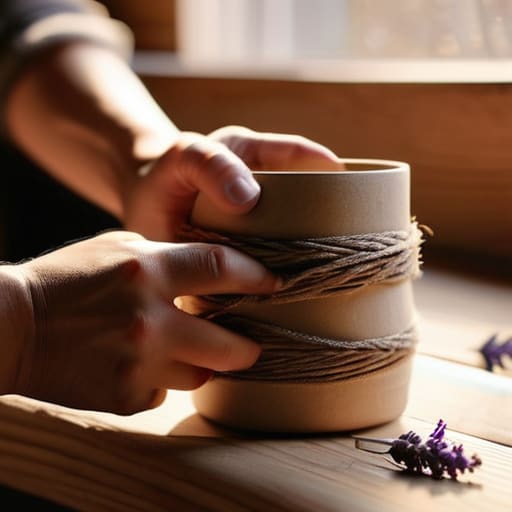
I’ve spent three decades in logistics, watching exactly how much useless, mass-produced rubbish flows through our supply chains every single day. Most people treat gift-giving like a chore, rushing to a big-box store to grab some plastic-wrapped gadget that’s destined for a landfill before the year is out. It’s a waste of money and a waste of spirit. If you’re tired of the cycle of disposability, you need to start looking toward handmade gift ideas that actually carry some weight. A gift shouldn’t just be a temporary distraction; it should be something that actually means something when it’s unwrapped.
In this post, I’m cutting through the noise to bring you five specific, high-quality options. I’m not interested in flimsy trinkets or fleeting trends that look good for five minutes on a screen. Instead, I’ve curated a list of items that prioritize substance and longevity. You’re going to learn which handcrafted pieces are worth your hard-earned money and how they can serve a real purpose in a home. Let’s stop the madness of mindless consumerism and focus on gifts that are built to last.
Table of Contents
Hand-Forged Kitchen Knives
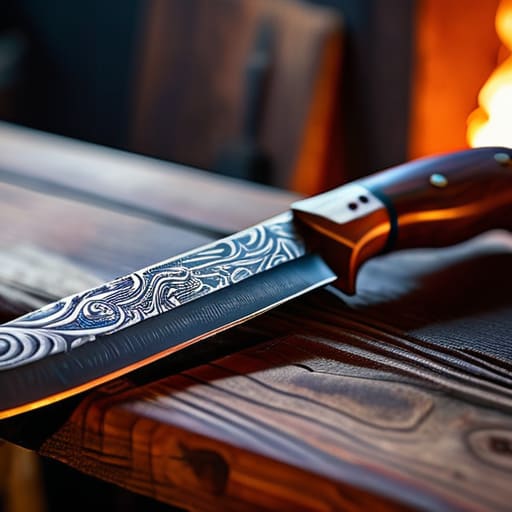
Most people today are perfectly content buying a set of dull, stamped-steel knives from a big-box retailer, only to throw them in the scrap heap within two years. That is a complete waste of money. If you want to give a gift that actually matters, look for a hand-forged carbon steel knife from a local bladesmith. These aren’t just tools; they are instruments designed to hold an edge and perform a job for decades.
Solid Wood Serving Boards
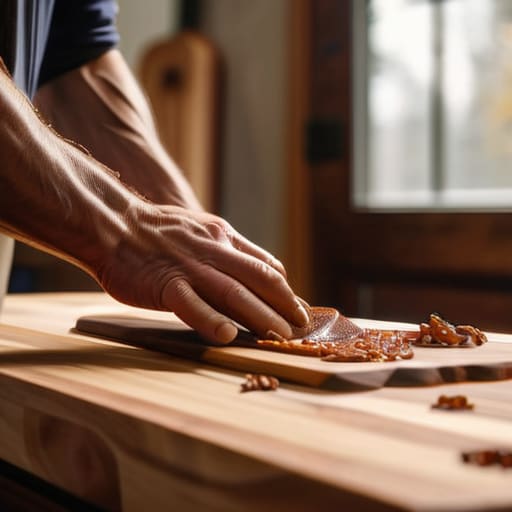
I see far too many “charcuterie boards” made of pressed sawdust and thin veneers that warp the moment they touch a drop of moisture. It’s ridiculous. Instead, seek out someone working with solid hardwoods like walnut, maple, or cherry. A real woodworker understands how to respect the grain and seal the piece with food-safe oils that actually penetrate the fibers.
Hand-Thrown Stoneware Pottery
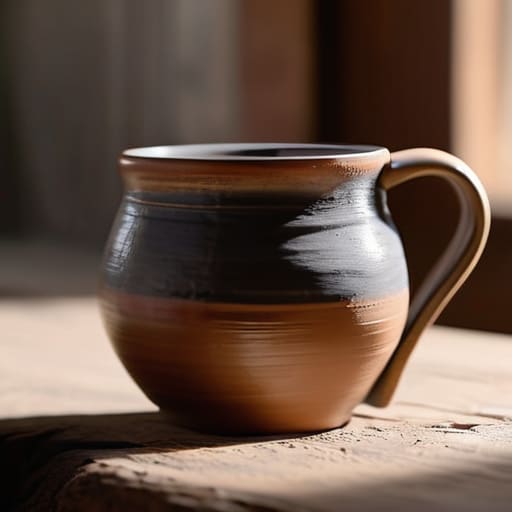
There is a massive difference between a ceramic mug that came off an assembly line and one that was shaped by human hands on a potter’s wheel. The mass-produced stuff feels hollow and fragile, like it might crack if you look at it wrong. A hand-thrown stoneware mug has a weight and a texture that feels right in your hands, making that morning cup of coffee feel like a proper ritual.
Hand-Woven Wool Blankets
We live in an era of polyester blends and synthetic fibers that feel like wearing a plastic bag. It’s a shame, really. If you want to give a gift that provides actual warmth and comfort, find a heavyweight wool blanket made by a weaver. Natural wool is a remarkable material—it breathes, it regulates temperature, and most importantly, it is incredibly durable.
Leather-Bound Journals
In a world where everything is digital and fleeting, there is something profoundly steady about a high-quality notebook. Skip the cheap, spiral-bound pads that tear at the edges after a week of use. Instead, look for a leather-bound journal with thick, acid-free paper. A real leather cover develops a patina over time, meaning the gift actually looks better with age.
The Bottom Line on Meaningful Gifting
Stop looking for the easiest option; look for the one that won’t end up in a junk drawer or a landfill within six months.
A gift’s value isn’t found in its price tag, but in the durability of its materials and the intent behind its creation.
When you choose something handmade, you are investing in quality over quantity—a principle that applies to everything from your tools to your home.
The Value of Intentionality
A gift shouldn’t be a piece of clutter that you’re polite enough to keep for a week; it should be something built with enough care and quality that it becomes a permanent fixture in a person’s life.
Hugo Steenkamp
Making It Count
At the end of the day, choosing a handmade gift isn’t about following some complicated craft trend or checking a box on a social media feed. It’s about moving away from the cycle of mindless consumption and focusing on items that actually hold weight. Whether you opted for a hand-turned wooden bowl, a sturdy leather goods piece, or a textile that won’t unravel after two washes, you’ve made a choice that favors substance over flash. These five ideas represent a shift in mindset: choosing to give something that has a soul and a lifespan, rather than just more clutter that will inevitably end up in a landfill.
I’ve spent enough years managing supply chains to know exactly how much waste is built into the modern economy, and frankly, I’m tired of seeing it. We need to get back to the basics of buying it well. When you give a gift that was crafted with intention and skill, you aren’t just handing over an object; you are passing on a standard of quality. Stop settling for the disposable and start looking for the enduring. If you invest your time and money into things that are built to last, you’ll find that your home—and your relationships—become much more meaningful.
Frequently Asked Questions
How can I tell if a handmade item is actually built to last or just a glorified craft project?
Look at the joinery and the weight. If it’s held together by hot glue or flimsy plastic fasteners, it’s a craft project, not a tool or a treasure. I always check the finishes, too—natural oils or waxes beat a thick, cheap lacquer any day. A real piece should feel substantial in your hand and show attention to the details you can’t see at first glance. If it feels like it’s made of nothing but “fluff,” walk away.
Is it worth paying a premium for handmade goods when mass-produced versions are so much cheaper?
Look, I spent thirty years in logistics. I know exactly how the math works on mass-produced goods, and the math is a lie. You aren’t saving money when you buy a cheap, factory-stamped piece of junk that ends up in a landfill six months later. You’re just paying for the privilege of replacing it. When you pay a premium for handmade, you’re paying for durability and real materials. Buy it once, buy it well.
How do I find reputable makers who actually care about using quality materials and sustainable packaging?
Look, don’t just take a flashy website at face value. I always dig into the “About” page first—if they can’t tell you exactly where their timber or clay comes from, walk away. Check their reviews for mentions of packaging; if people are complaining about mountains of plastic wrap, they aren’t serious. I also look for makers who show the process. Real craftsmen are proud of their materials and won’t hide how they ship them.
