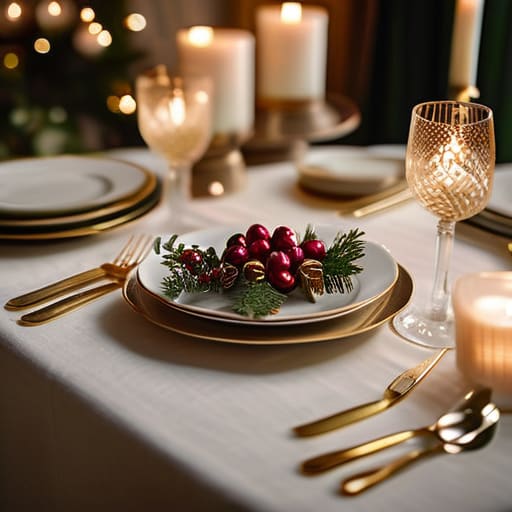
I remember sitting at my mother’s heavy oak table thirty years ago, passing around plates that had seen decades of Sunday dinners without a single chip or crack. Fast forward to today, and I see people sprinting to the big-box stores every November to buy flimsy, patterned sets of holiday tableware that are designed to look good for exactly one dinner before they end up in a landfill. It drives me mad. We’ve traded substance for seasonal convenience, and frankly, it’s a massive waste of hard-earned money.
I’m not here to tell you which trendy colors are currently plastered all over your social media feeds. Instead, I’m going to show you how to select pieces that actually have some weight to them. I’ll guide you through identifying quality materials—from stoneware to heavy-gauge silver—that can stand the test of time and repeated use. My goal is simple: I want to help you build a collection of pieces that aren’t just for show, but are built to be used, enjoyed, and eventually handed down to the next generation.
Table of Contents
Investing in Elegant Holiday Dinnerware Sets That Last
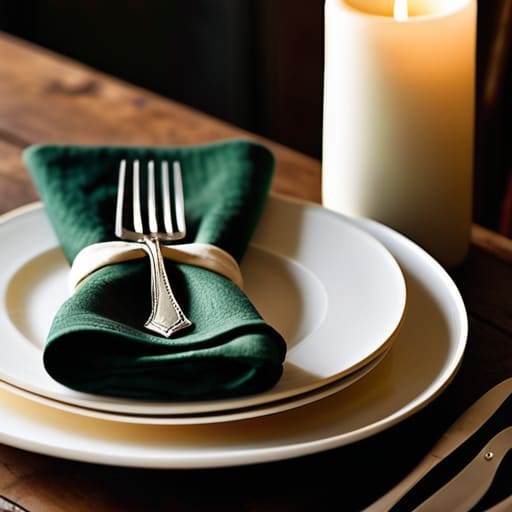
When I was managing logistics, I learned one thing very quickly: the cheapest option in the long run is usually the most expensive. The same logic applies to your dining room. I see people every year buying those flimsy, patterned plates that are meant to look festive for a single evening, only to have the glaze crack or the rim chip before the decorations are even back in the attic. If you want to do this right, skip the seasonal gimmicks and look for elegant holiday dinnerware sets made of heavy stoneware or fine bone china. You want pieces that have enough weight to feel substantial in your hand and a design that doesn’t rely on a specific holiday motif to look good.
A truly sensible approach means choosing a foundation that works year-round. You don’t need a different set of plates for every season; you just need a high-quality set that can be elevated with a few thoughtful touches. Instead of chasing every passing winter themed dinnerware trend, focus on solid colors and classic shapes. This allows you to swap out simple accents—like a bit of greenery or a few well-made napkin rings—to change the mood without needing to clear out your cupboards every January. It’s about buying once and buying well.
Modern Holiday Place Settings Built for Generations
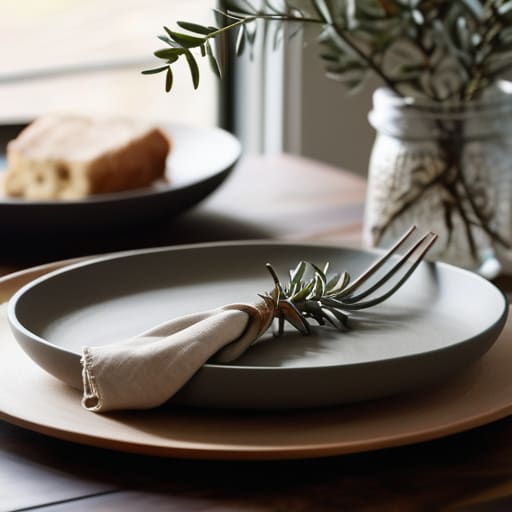
Now, if you aren’t interested in the heavy, ornate patterns of the past, you can still find quality without the fuss. I’ve seen a lot of people fall for those flimsy, mass-produced “modern” sets that look sleek in a photo but feel like paper in your hands. Don’t make that mistake. When looking for modern holiday place settings, look for clean lines in high-quality porcelain or matte stoneware. You want a design that feels contemporary today but won’t look like a dated relic in five years.
A good rule of thumb is to focus on texture and weight rather than loud, printed patterns. Instead of chasing every passing winter themed dinnerware trend, opt for solid colors or subtle, organic shapes. If you want to add a bit of flair, use simple, well-made accents like brass or dark wood. It’s about creating a look that is sophisticated but fundamentally built to endure the rigors of a busy family dinner. If it feels light or hollow, leave it on the shelf.
Five Rules for Buying Tableware That Won't End Up in a Landfill
- Prioritize weight and density; if a plate feels light and hollow like cheap porcelain, it’s going to chip the first time a guest sets it down a little too hard.
- Stick to classic materials like stoneware or bone china rather than trendy, patterned melamine that looks good for one season but cracks under heat.
- Check the edges and rims for durability; I always look for reinforced edges because that is where most “disposable” sets fail during a heavy holiday meal.
- Avoid overly intricate, fragile gold-leaf detailing that requires hand-washing every single time, or you’ll find yourself avoiding the good dishes altogether.
- Look for modularity in your sets; buy pieces that can be mixed and matched for everyday use so they don’t just sit in a dark cupboard gathering dust for eleven months of the year.
The Bottom Line on Holiday Tableware
Stop buying those flimsy, themed plastic sets that end up in a landfill by January; stick to high-quality stoneware or bone china that can handle the heat and the dishwasher.
Look for timeless designs over seasonal gimmicks—a solid, neutral pattern will serve you better for the next twenty years than a trendy print that’s out of style by next spring.
Prioritize material durability and weight; if a plate feels like cardboard in your hand, it’s not worth the shelf space, no matter how much “holiday cheer” the packaging promises.
Stop Chasing the Seasonal Trend
I’ve seen enough cheap, flimsy plates go straight from the holiday table to the landfill to know that ‘seasonal’ shouldn’t mean ‘disposable.’ If you’re buying tableware just to match a color trend for one night, you’re throwing money away; buy something with weight, something with character, and something that will still be sitting on your table twenty years from now.
Hugo Steenkamp
Making the Right Choice
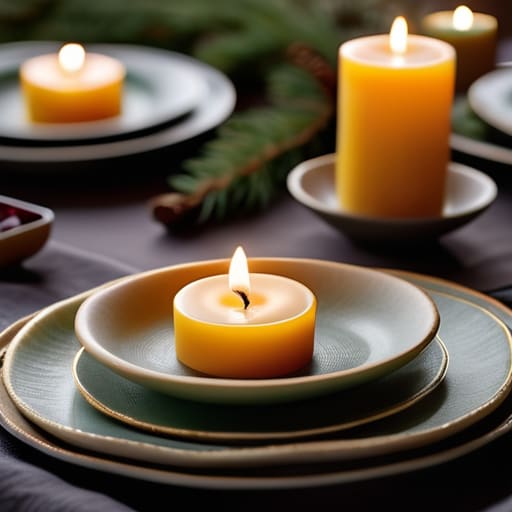
At the end of the day, setting a holiday table isn’t about following a color palette you saw on a social media feed that will be obsolete by February. It’s about the practical reality of what you’re putting in your cupboards. We’ve discussed why you should skip the flimsy, seasonal plastic sets and instead focus on solid stoneware and high-quality porcelain that can actually withstand a heavy roast and a dishwasher. Whether you choose a classic, elegant dinnerware set or a more modern, durable place setting, the goal remains the same: prioritize materials that possess weight, substance, and a sense of permanence. Don’t let your holiday budget vanish into a pile of disposable clutter that serves no purpose once the decorations come down.
My advice is simple: look at your table as an investment in your family’s future traditions. When you buy pieces that are built to endure, you aren’t just buying plates; you are preparing pieces that your children and grandchildren might one day use to host their own celebrations. It is much more rewarding to sit around a table of meaningful, well-made objects than a collection of cheap trinkets. Stop chasing the temporary and start building a collection that carries weight. Buy it once, buy it well, and let your tableware tell a story of quality that lasts far longer than any single holiday season.
Frequently Asked Questions
How can I tell if a stoneware set is actually durable enough for regular use or if it's just thin, cheap porcelain disguised as high-end?
Here is how you spot the difference: pick up a piece. If it feels feather-light, it’s likely cheap, thin porcelain masquerading as something substantial. Real stoneware should have some heft to it; it needs to feel grounded in your hand. Check the rim, too—it should be sturdy, not razor-thin. Finally, look at the bottom. If it’s unglazed and feels slightly coarse, that’s a good sign it was fired properly for durability.
Is it worth the extra cost to buy a full formal set, or should I just focus on high-quality individual pieces that I can mix and match?
Look, if you’re planning to host every single year, buy the full set. It ensures consistency and saves you the headache of hunting down matching pieces later when one inevitably breaks. However, if you aren’t a “grand banquet” type of person, don’t feel pressured to own a massive cabinet of plates you rarely use. Invest in a handful of high-quality, heavy-duty individual pieces. It’s better to have six excellent plates than twelve mediocre ones.
What are the best ways to store and maintain heavy dinnerware so it doesn't chip or crack in the cupboard over the years?
Stop stacking your plates like a game of Tetris. If you’ve invested in quality stoneware, treat it with respect. Never pile heavy plates directly on top of one another; the weight alone will cause micro-cracks over time. Use felt dividers or even thick paper towels between pieces to cushion the contact points. Store them on sturdy, level shelving—not a wobbly cupboard—and always keep the heaviest items at the bottom. Do it right, and they’ll last.
