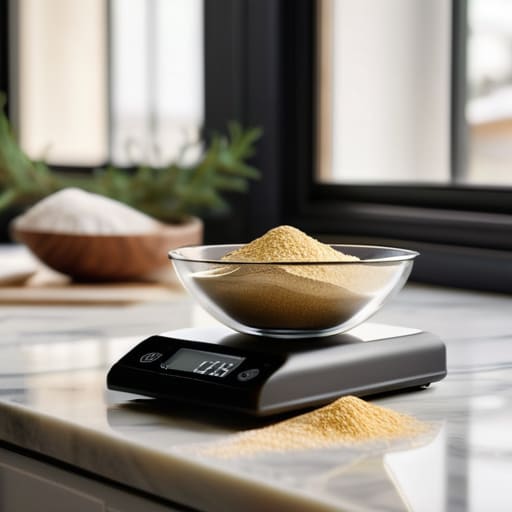
I remember standing in my old workshop, surrounded by precision calipers and measuring tools, and it hit me: why is it that people treat baking like a guessing game? I watched my daughter-in-law struggle through a sourdough recipe, squinting at faded lines on a plastic measuring cup, only to end up with a dough that was either a soup or a brick. It’s a ridiculous way to spend your time and ingredients. If you want consistency, you don’t need a fancy, touch-screen gadget that will die in two years; you need a solid, reliable kitchen scale. Stop pretending that “eyeballing it” is a skill when it’s really just a fast track to wasted money and a ruined dinner.
I’m not here to sell you on some over-engineered piece of plastic that requires a software update just to weigh a handful of flour. My goal is simple: I want to help you find a tool that is built to last and actually delivers on its promise. I’ve spent decades in logistics, so I know exactly what to look for in terms of durability and accuracy. I’m going to show you how to pick a kitchen scale that offers real value, stays steady on your counter, and serves you for the next twenty years.
Table of Contents
- Demanding Digital Kitchen Scale Precision for Lifelong Results
- Mastering Baking Ingredient Accuracy Through Reliable Tools
- Five Rules for Choosing a Scale That Won't End Up in a Landfill
- The Bottom Line on Choosing a Scale
- ## The Cost of Guesswork
- Making the Right Call for Your Kitchen
- Frequently Asked Questions
Demanding Digital Kitchen Scale Precision for Lifelong Results
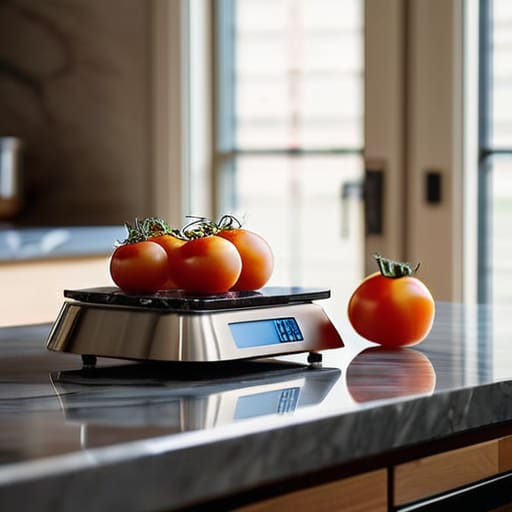
Demanding Digital Kitchen Scale Precision for Lifelong Results
If you’re serious about your cooking, you need to stop treating measurements like a suggestion. I’ve seen too many people ruin a perfectly good batch of sourdough because they were eyeballing flour by the cup. That’s where baking ingredient accuracy becomes the difference between a masterpiece and a brick. A decent digital unit shouldn’t just give you a rough idea; it needs to be consistent every single time you step up to the counter. If the numbers jump around while the scale is sitting still, toss it in the bin.
You also need to make sure the machine is versatile enough to handle different tasks without a headache. I look for a clear gram vs ounce conversion toggle that works with a single press—no menus, no nonsense. Furthermore, if a device doesn’t have a reliable tare function, it’s not worth the counter space. You need to be able to zero out a heavy mixing bowl instantly so you’re only weighing the goods, not the hardware. Buy a tool that respects your time and your ingredients.
Mastering Baking Ingredient Accuracy Through Reliable Tools
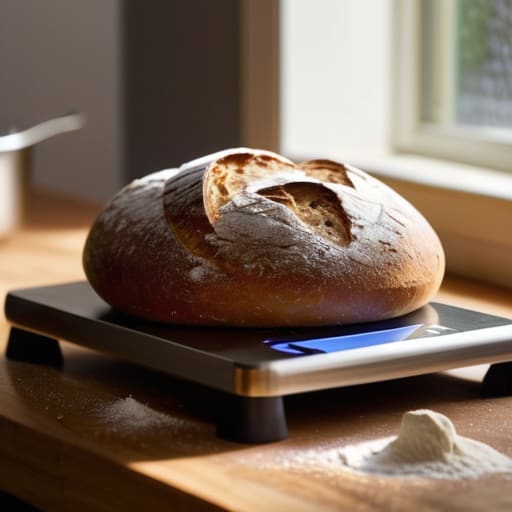
If you’ve ever pulled a loaf of bread out of the oven only to find it’s as dense as a brick, you didn’t have a recipe problem; you had a measurement problem. Most people rely on those flimsy plastic measuring cups, but that’s a fool’s errand. Flour packs down differently every time you scoop it, meaning you could be adding twenty percent more than the recipe calls for without even knowing it. To achieve true baking ingredient accuracy, you have to stop measuring by volume and start measuring by mass. It’s the only way to ensure your results are consistent every single time you step into the kitchen.
A quality tool makes this process seamless, especially if you understand how to use the tare function properly. Instead of hunting for multiple dirty bowls, you place your container on the platform, hit the reset button, and add your ingredients directly. It keeps your workspace clean and your mind focused. Whether you are navigating a complex gram vs ounce conversion or simply trying to keep your measurements precise, a reliable scale removes the guesswork. Stop treating your baking like a game of chance and start treating it like the science it is.
Five Rules for Choosing a Scale That Won't End Up in a Landfill
- Look for a heavy base. If the scale feels like a hollow piece of plastic, it’s going to drift and give you wrong readings within a month. You want something with enough heft to stay put on your counter and house a solid internal sensor.
- Check the capacity and increments immediately. There is no point in buying a scale that maxes out at 5 pounds if you ever plan on weighing a bag of flour or a heavy bowl of potatoes. Ensure it can handle your heaviest tasks without losing its sense of precision.
- Demand a simple, tactile interface. I have no patience for scales with overly complicated touchscreens that fail the moment a drop of water hits them. You want clear, physical buttons or a responsive interface that works even when your hands are a bit messy from prep work.
- Prioritize easy-to-clean surfaces. A glass or stainless steel platform is non-negotiable. If you can’t wipe it down in two seconds after a spill, it’s a poorly designed piece of junk that will only collect grime and bacteria.
- Demand a reliable tare function. A scale is useless if it can’t accurately reset to zero with a heavy bowl sitting on top of it. Test this functionality thoroughly; if the tare button is sluggish or inconsistent, put it back on the shelf and find something better.
The Bottom Line on Choosing a Scale
Stop buying those flimsy, plastic gadgets that lose their calibration after three months; look for a model with a heavy, stable base and high-quality sensors that can handle daily use.
Prioritize a scale that offers multi-unit functionality and precise increments, because if you can’t trust the numbers on the screen, the tool is nothing more than a paperweight.
Don’t be swayed by flashy displays or unnecessary “smart” features that require an app; you need a straightforward, dependable machine that does one job and does it perfectly every single time.
## The Cost of Guesswork
“I’ve spent enough years in logistics to know that if your measurements are off at the start, the whole system fails by the end. Stop treating your recipes like a game of chance with measuring cups; a heavy-duty scale isn’t a luxury, it’s the only way to ensure you aren’t throwing expensive ingredients in the bin because you guessed wrong.”
Hugo Steenkamp
Making the Right Call for Your Kitchen
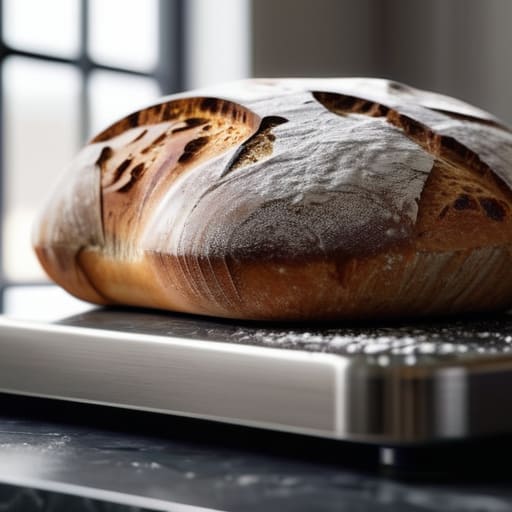
At the end of the day, choosing a kitchen scale isn’t about finding the flashiest gadget on a social media feed; it’s about investing in a tool that performs every single time you step into the kitchen. We’ve covered why you need digital precision to avoid the headache of guesswork and why accuracy is the absolute bedrock of successful baking. Whether you are measuring out flour for a sourdough loaf or weighing ingredients for a family recipe, you need a device that offers consistent, repeatable results without failing you after six months of light use. Don’t settle for a flimsy plastic model that loses its calibration the moment you look away. Look for something with substance, stability, and a build quality that actually justifies the price tag on the box.
I’ve spent enough years in logistics to know that the cheapest option is almost always the most expensive one in the long run because you end up buying it twice. My advice is simple: stop treating your kitchen tools like they are disposable. When you buy a heavy-duty, reliable scale, you aren’t just buying a piece of equipment; you are buying the peace of mind that comes with knowing your measurements are correct every single time. Buy it once, buy it well, and let your tools be the foundation of a kitchen that works for you, rather than a collection of junk that gets tossed in the bin.
Frequently Asked Questions
How can I tell if a scale is actually accurate or just some cheap piece of plastic that's going to drift after a month?
Look, don’t just trust the box. The moment you get it, perform a simple stress test. Put a known weight—like a sealed bag of flour or a standard dumbbell—on the platform. If the reading fluctuates or drifts when you step off and back on, toss it. You want a scale with a heavy, stable base and a clear, responsive display. If it feels flimsy or hollow like a toy, it’s going to fail you.
Is it worth paying extra for a stainless steel model, or is a heavy-duty plastic one enough to get the job done?
Look, I’ve seen enough cheap plastic gear end up in a landfill to know where this is going. Plastic might seem fine today, but it cracks, stains, and loses its calibration after a few heavy uses. If you want a tool that actually lasts, pay the extra bit for stainless steel. It’s easy to clean, won’t absorb odors, and it won’t warp on you in two years. Buy the steel; it’s a one-time investment.
What’s the best way to keep the sensor from getting ruined if I accidentally spill flour or liquid on it?
Look, don’t panic, but don’t be lazy about it either. If you spill flour or liquid, get it off immediately. Flour is fine until it gets damp; then it turns into a paste that seeps into the sensor housing and ruins the calibration for good. Use a slightly damp cloth for liquids, but never soak the unit. Wipe it dry right away. Treat your tools with respect, and they’ll actually last.
