I’ve spent thirty years in logistics, so I know exactly what happens when a supply chain is built on cheap, flimsy components. Most of the time, it ends in a breakdown. I see the same thing happening in the retail world today, especially when people start looking for hobbies gift ideas. You go online, get swept up in some flashy advertisement, and end up buying a plastic piece of junk that’ll be sitting in a landfill by next Christmas. It’s a waste of hard-earned money and a waste of space. If you’re going to support someone’s passion, you shouldn’t just be buying a temporary distraction; you should be investing in something that actually works.
In this list, I’m cutting through the noise to bring you five selections that actually stand the test of time. I’ve narrowed these down to items that offer real utility and, more importantly, build quality you can feel the moment you take them out of the box. You won’t find any fleeting trends or disposable gadgets here. Instead, I’m going to show you how to choose gifts that honor the craft and stay in the family for years to come.
Table of Contents
High-Carbon Steel Kitchen Knives
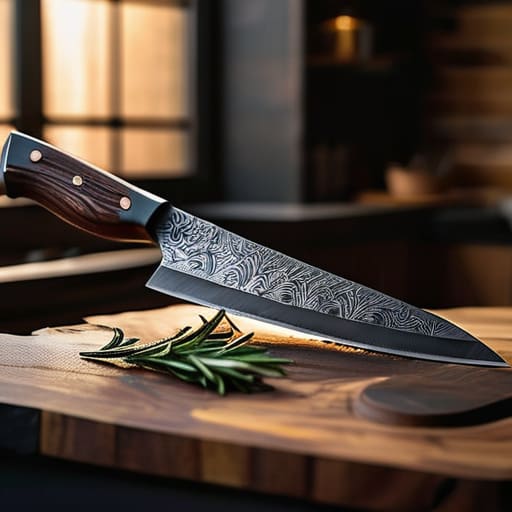
If you have someone in your life who actually enjoys cooking rather than just following a recipe, stop buying them those cheap, flimsy knife sets from the big-box stores. Those blades are usually made of soft metal that loses its edge before the first course is even served. Instead, look for a single, well-crafted high-carbon steel chef’s knife. It’s an investment in their daily ritual, and a good blade can be sharpened and maintained for decades.
Solid Wood Workshop Organizers
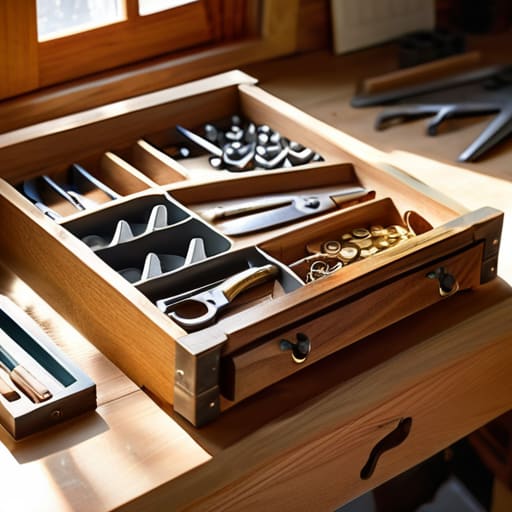
For the person who spends their weekends in the garage or a craft room, the greatest gift isn’t a new gadget—it’s order. Most of the plastic bins you see in stores are brittle and will crack under the slightest pressure. I prefer gifting solid wood organizers or heavy-duty metal tool trays. They serve a functional purpose and, frankly, they don’t look like eyesores cluttering up a workspace.
Cast Iron Cookware
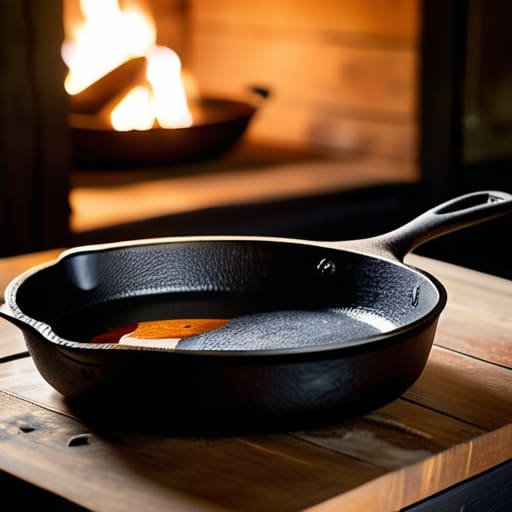
For the outdoor enthusiast or the home cook, nothing beats a seasoned piece of cast iron. You see these lightweight, non-stick pans everywhere these days, but they are essentially garbage once the coating scratches. A heavy-duty cast iron skillet, however, is a lifetime companion. It handles heat better than anything else on the market and only gets better the more you use it.
Leather-Bound Journals
We live in a world that is far too obsessed with digital screens and fleeting thoughts. If you are buying for a writer, a painter, or even a gardener, skip the cheap spiral notebooks that fall apart in a month. Instead, find a refillable leather journal. It’s a tactile, sturdy way to record ideas, sketches, or observations that actually deserve to be preserved.
Precision Mechanical Tools
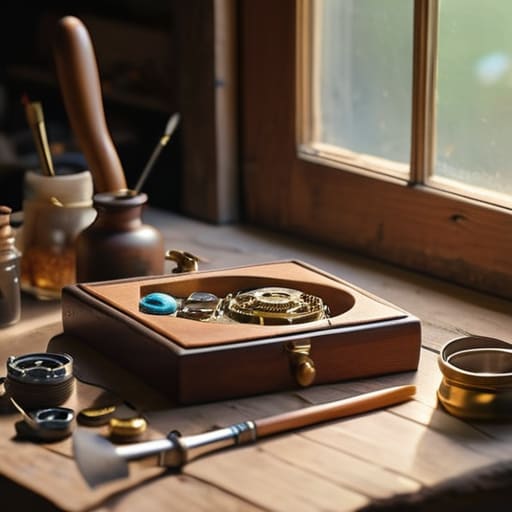
Whether it’s for photography, model building, or even repairing watches, precision is everything. Most “hobby kits” sold online are filled with plastic components that strip or snap the moment you apply real pressure. If you want to give a gift that matters, look for professional-grade hand tools made from stainless steel or brass.
The Bottom Line on Buying for Hobbies
Stop looking for the cheapest option; a gift that breaks in two weeks isn’t a gift, it’s just more landfill.
Prioritize quality materials and build over flashy packaging or whatever is currently trending on social media.
Aim for tools and supplies that actually enhance the craft, rather than gimmicky gadgets that clutter up a workspace.
Stop Buying Clutter
A real hobby requires tools, not toys. If you’re buying a gift, don’t hand them some plastic gadget that’s going to break by next Tuesday; find them something solid that respects their craft and actually stays in their toolkit for years to come.
Hugo Steenkamp
Make It Count
At the end of the day, finding the right gift isn’t about scrolling through a dozen different websites to see what’s currently “trending.” It’s about looking at the person you’re buying for and recognizing what they actually value. Whether you opted for a high-quality tool that will age gracefully or a set of supplies that won’t run out in a single afternoon, you’ve done more than just check a box. You’ve chosen to invest in their passion rather than contributing to the mountain of disposable clutter that fills most modern homes. A good gift should be an extension of the hobby itself—something that feels substantial in the hand and serves a clear, functional purpose.
I’ve spent my career seeing how much waste is generated by things built poorly and meant to be thrown away. When you give a gift that is built to last, you are sending a message that you respect their time and their interests. Don’t feel pressured to spend a fortune, but do feel obligated to buy it well. If it’s going to end up in a landfill by next year, it isn’t worth the shelf space, let alone the money. Choose items that endure, support the craft, and stand the test of time. That is how you truly make a gift meaningful.
Frequently Asked Questions
How can I tell if a hobbyist's tool is actually high-quality or just cheap plastic disguised as professional gear?
Look at the weight and the materials. If it feels unnaturally light, it’s likely hollow plastic. Real tools have heft because they’re made of steel, brass, or solid wood. Check the joints and fasteners; if you see cheap, shiny plastic instead of steel screws or rivets, walk away. A quality tool should feel balanced in your hand, not like a toy. If the manufacturer can’t tell you exactly what the metal is, they’re hiding junk.
Is it better to buy one expensive, high-end piece of equipment or a starter kit with several smaller items?
Look, I’ve seen enough supply chains to know that “value” isn’t just a low price tag. If you buy a cheap starter kit, you’re usually just buying a collection of future landfill. It’s a waste of money. If the budget allows, buy the one high-quality, professional-grade tool. It’ll do the job better and, more importantly, it’ll actually last. Buy it once, buy it well, and skip the clutter.
When buying for a specific hobby, how do I avoid the trap of purchasing "trendy" accessories that don't actually serve a functional purpose?
Look, if it’s wrapped in flashy plastic and looks like it belongs in a social media ad, walk away. Most “trendy” hobby accessories are just overpriced clutter designed to exploit your enthusiasm. Before you reach for your wallet, ask yourself one question: Does this tool solve a problem, or does it just look good on a shelf? If it doesn’t improve the actual process of the craft, it’s junk. Buy the fundamentals first.
