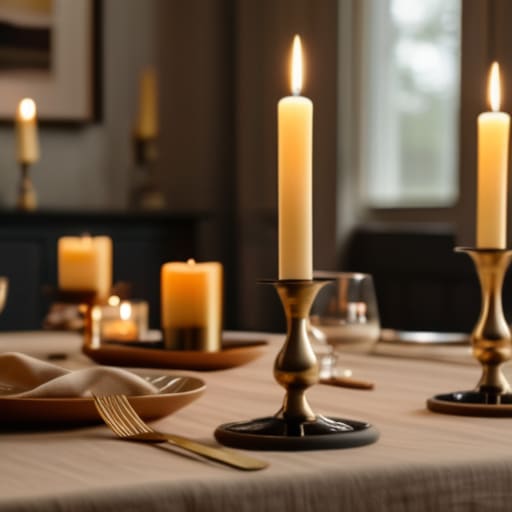
I was cleaning out my workshop last weekend when I stumbled upon a set of brass candle holders I bought back in the late seventies. They’ve survived three moves, a dozen house parties, and a fair amount of neglect, yet they still sit heavy and true on a table. It made me realize how much of the modern market is just disposable junk disguised as decor. You go into a shop today and see these spindly, lightweight things made of cheap alloy or thin glass—items that look fine in a photo but will tip over the moment a real flame catches or, worse, shatter within a season. Most people are wasting their hard-earned money on flimsy candle holders that belong in a landfill rather than a home.
I’m not here to sell you on some fleeting design trend or tell you that you need a dozen crystal pieces to “set the mood.” What I want to do is help you identify the pieces that actually have some heft and integrity. I’m going to walk you through what to look for in materials, weight, and stability so you can buy something once and never have to think about it again.
Table of Contents
Taper Candle Stands Built for Generations
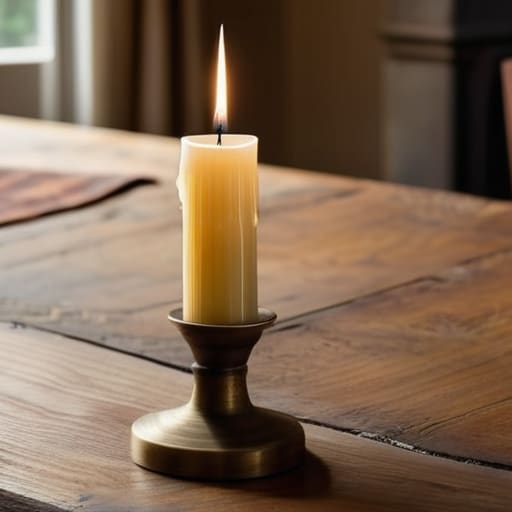
When you’re looking for taper candle stands, you shouldn’t be looking at what’s trending on social media; you should be looking at the weight of the material in your hand. I’ve seen enough flimsy, hollowed-out metal pieces in my time to know they’re nothing more than expensive landfill fodder. If you want something that actually functions, look for solid brass or heavy wrought iron. These pieces serve as much more than simple minimalist tabletop accents; they provide the stability needed to ensure a candle doesn’t tip over and start a fire because the base was too light.
A well-made stand becomes part of your family’s history. I prefer pieces that lack unnecessary flourishes, favoring a design that won’t look dated in five years. Whether you are incorporating them into your luxury dining decor for a holiday meal or just using them for a quiet evening, the goal is longevity over novelty. If a piece feels like it was made with intention and substance, it’s worth the extra investment. Buy the heavy, reliable version once, and you won’t have to replace it every time the seasons change.
Minimalist Tabletop Accents That Defy Trends
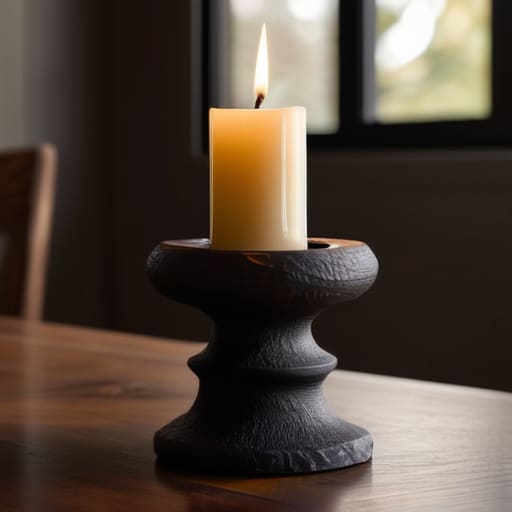
I’ve seen enough “modern” decor in my time to know that most of it is just plastic junk masquerading as style. If you’re looking for minimalist tabletop accents, don’t fall for the trap of buying a dozen tiny, hollow trinkets that serve no purpose other than cluttering up your dining surface. Real minimalism isn’t about having nothing; it’s about having the right things. I prefer a single, heavy piece of cast iron or solid stone. These pieces anchor a room without screaming for attention, providing a sense of stability that a cheap glass ornament simply can’t match.
When you’re exploring centerpiece decoration ideas, steer clear of anything that looks like it was designed to be replaced by next season’s catalog. A well-made, geometric metal holder or a thick marble base fits seamlessly into various modern home aesthetics because it doesn’t rely on gimmicks. It relies on material integrity. If it has weight, if it feels substantial in your hand, and if it won’t tip over when the wind catches it, you’ve found something worth the investment. Buy something that looks just as good in twenty years as it does tonight.
Five Rules for Buying Candle Holders That Won't End Up in a Landfill
- Check the weight before you buy. If a candle holder feels light or hollow in your hand, it’s likely made of cheap, plated plastic or thin tin that will tip over the moment a flame gets high. You want something with enough heft to stay put on the table.
- Prioritize solid materials over “finishes.” I don’t care how shiny a gold-painted resin holder looks under the store lights; that coating will flake off in six months. Stick to brass, iron, stone, or solid wood. These materials develop a patina over time rather than just falling apart.
- Look for stability in the base. As a logistics man, I know that a center of gravity is everything. If the base is narrow or uneven, you aren’t just buying a decoration; you’re buying a fire hazard. Ensure the footprint is wide enough to support the height of the candle.
- Avoid the “seasonal” trap. Don’t waste your hard-earned money on holders shaped like pumpkins for autumn or reindeer for Christmas. Those are junk items designed to be tucked away in a box for eleven months of the year. Buy a classic design that works in July just as well as it does in December.
- Inspect the candle cup. A good holder should have a deep, secure well to hold the candle upright, but it shouldn’t be so shallow that wax spills over the sides and ruins your tabletop. A little bit of mess is expected, but you shouldn’t have to clean up a disaster every time you light a wick.
The Bottom Line on Buying Candle Holders
Stop looking at the price tag alone; a heavy, solid brass or stone holder is a one-time purchase, whereas cheap tin versions are just future landfill.
Avoid anything with overly complicated, trendy shapes that will look dated by next season; stick to classic silhouettes that hold their value.
Check the stability before you buy—if a holder feels light or unbalanced in your hand, it’s going to be a hazard on your dining table.
The Cost of Cheap Decor
I’ve seen enough flimsy, mass-produced trinkets end up in landfills to know that if a candle holder feels light as air in your hand, it won’t stay on your table for long. Stop buying for the moment and start buying for the decade; a heavy, well-cast piece isn’t just decor, it’s an investment in a home that actually holds its ground.
Hugo Steenkamp
Making the Right Call
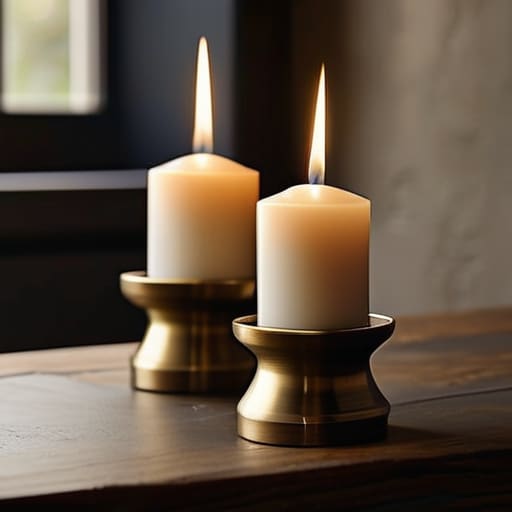
At the end of the day, choosing a candle holder shouldn’t be about matching a color swatch you saw on a social media feed this morning. Whether you opted for those heavy-duty taper stands that can handle a lifetime of use or a minimalist piece that won’t look dated by next season, the goal remains the same: utility and longevity. I’ve spent enough time in logistics to know that the cheapest option is almost always the most expensive one in the long run because you end up replacing it three times over. Stick to materials like solid brass, stone, or heavy ceramics—stuff that has actual heft and doesn’t wobble when you strike a match. Buy for substance, not for show.
My advice is simple: look at your home as a collection of things that should tell a story, not a graveyard of discarded plastic and thin alloys. When you choose a piece that is built to endure, you aren’t just decorating a room; you are curating a space that feels settled and intentional. There is a quiet satisfaction in knowing that the objects surrounding you aren’t going to end up in a landfill by next Christmas. Stop chasing the quick fix and start building a home filled with objects of permanence. Do it right the first time, and you won’t have to do it again.
Frequently Asked Questions
How can I tell if a metal candle holder is solid brass or just cheap plated junk that will flake off in six months?
You can’t let a shiny finish fool you; that’s how they get you. First, check the weight. Real solid brass has a substantial heft that cheap, hollow plating just can’t mimic. Next, look at the edges and any scratches. If you see a different color—like silver or grey—peeking through, it’s just plated junk. If it’s solid, the color remains consistent even where it’s been scuffed. Buy the real thing.
What should I look for in a base to ensure the holder won't tip over and start a fire when I light a taper?
Look, there’s nothing more dangerous than a flimsy, top-heavy holder that wobbles the moment you light the wick. You want weight. Look for a base made of solid brass, heavy stoneware, or thick glass. If it feels light in your hand, it’s junk. The center of gravity needs to be low, and the base should be wide enough to provide a stable footprint. Don’t gamble with your home just to save a few bucks.
Are there specific materials that actually age well, or am I just paying more for a brand name?
Look, you aren’t just paying for a logo; you’re paying for the molecular integrity of the material. Stay away from resin or cheap alloys that will chip or tarnish into something ugly within a year. If you want something that earns its place on your table, look for solid brass, cast iron, or heavy stoneware. These materials develop a patina over time—they get better with age rather than just falling apart. Buy the substance, not the sticker.
