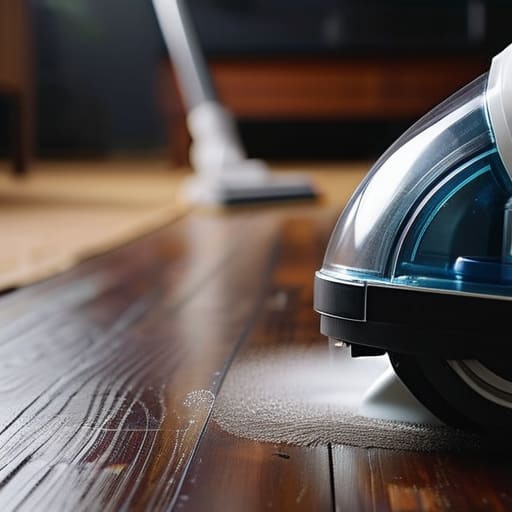
I spent thirty years in logistics, where “efficiency” wasn’t a marketing buzzword—it was the difference between a profit and a loss. So, when I see these flashy advertisements for the latest cordless vacuum, promising a revolution in home cleaning, my internal alarm bells start ringing. Most of these gadgets are nothing more than overpriced plastic trinkets designed to lose suction the moment you actually need them. They market “smart technology” and “app integration” like those things will help you pick up sawdust or grit, but all they really do is give you more expensive junk to throw in a landfill when the battery dies in eighteen months.
I’m not here to sell you on the hype or help you chase the newest trend on your smartphone. My goal is to cut through the nonsense and help you find a machine that actually serves a purpose. I’ve done the legwork to separate the sturdy, well-engineered tools from the disposable rubbish. I’ll show you how to identify real build quality and battery longevity so you can buy it once and buy it well. If you want a tool that works as hard as you do, you’re in the right place.
Table of Contents
- Demanding Suction Power Comparison for Lasting Results
- Mastering Hardwood Floor Maintenance With Purpose
- Five Rules for Buying a Vacuum That Won't End Up in a Landfill
- The Bottom Line on Buying a Vacuum That Won't End Up in a Landfill
- The Cost of Cheap Convenience
- Making the Right Call
- Frequently Asked Questions
Demanding Suction Power Comparison for Lasting Results
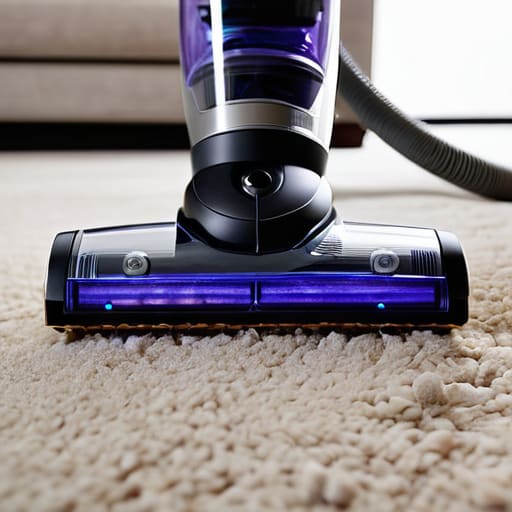
When you look at the spec sheets, don’t get blinded by flashy marketing jargon or “smart” screens that do nothing but drain the battery. I’ve spent enough time in logistics to know that the only metric that actually matters is the output. A proper suction power comparison isn’t about which machine looks the sleekest on your countertop; it’s about whether the motor can actually pull grit out of a rug or lift debris from a crevice without choking. If a machine lacks raw pulling force, you’ll find yourself passing over the same dirty spot three times, which is a waste of your time and your money.
Furthermore, you have to consider how that power interacts with the battery. There is no sense in having a high-performance motor if the vacuum runtime efficiency drops to zero after ten minutes of use. I’ve seen too many people buy these “convenient” gadgets only to realize they can’t even finish a single room before the machine dies. You want a tool that maintains consistent pull from the first minute to the last. If it can’t handle a full cleaning cycle without sputtering, it’s just another piece of disposable junk.
Mastering Hardwood Floor Maintenance With Purpose
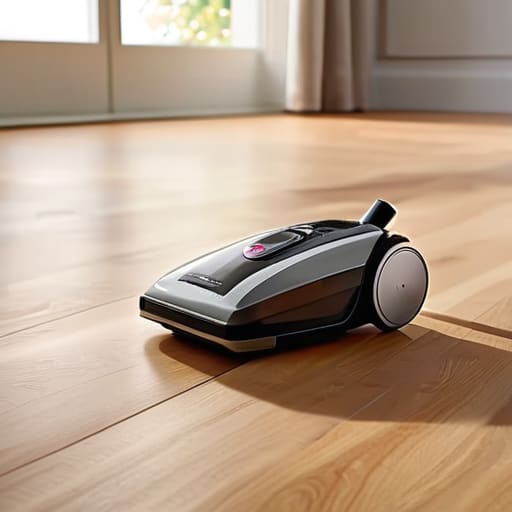
If you’ve spent any time looking at your floors, you know that hardwood isn’t just a surface; it’s an investment. I’ve seen too many people treat their living rooms like a construction site, dragging heavy, abrasive machines across delicate planks and doing more damage than cleaning. Proper hardwood floor maintenance requires a delicate touch and a machine that understands the difference between a dust bunny and a deep scratch. You don’t need a heavy beast that scuffs the finish; you need something agile.
I’ve found that lightweight vacuum cleaners are often the better choice here, provided they don’t sacrifice grit. You want a tool that glides easily but still has the muscle to pull grit out of the grain. If you have dogs or cats, you’ll also need to look closely at the pet hair removal tools included in the kit. There is nothing more frustrating than a machine that looks sleek but leaves a layer of fur behind because it lacks the specific brush roll design required for long-fiber hair. Buy a tool that respects your floors, not one that treats them like an obstacle.
Five Rules for Buying a Vacuum That Won't End Up in a Landfill
- Check the battery lifespan before you even look at the suction. A vacuum is useless if the battery dies after twelve months of light use; look for replaceable cells so you aren’t throwing the whole machine away when the charge fades.
- Demand real filtration, not just a fancy name. If it doesn’t have a high-quality HEPA filter, you’re just blowing fine dust back into your living room, which is a waste of time and bad for your lungs.
- Inspect the build quality of the attachments. Most manufacturers use thin, brittle plastic for the brushes and nozzles; I want to see heavy-duty components that can withstand being bumped against a baseboard without snapping.
- Ignore the “smart” gimmicks. I don’t need a vacuum that connects to my Wi-Fi or sends me notifications on my phone; I need a machine that clears the floor efficiently and gets the job done without unnecessary electronic clutter.
- Prioritize ease of maintenance. If the dust bin is a nightmare to empty or the brush roll is impossible to clean, you won’t use it. A tool is only as good as your ability to keep it in working order.
The Bottom Line on Buying a Vacuum That Won't End Up in a Landfill
Stop looking at the flashy marketing and look at the motor; if it doesn’t have the raw suction power to handle real grit, it’s just an expensive way to move dust around.
Prioritize build quality over slim designs; a vacuum with heavy-duty components and replaceable parts is an investment, while a lightweight plastic model is just future trash.
Match the tool to the task, specifically for your flooring; don’t buy a one-size-fits-all gadget when you need a machine designed to respect and maintain your hardwood.
The Cost of Cheap Convenience
“I’ve spent my career watching supply chains favor speed over substance, and it shows in the junk we buy today. A cordless vacuum shouldn’t be a disposable gadget you replace every two years because the battery died or the plastic snapped; it should be a reliable tool that earns its place in your home by actually doing the job it was built for.”
Hugo Steenkamp
Making the Right Call
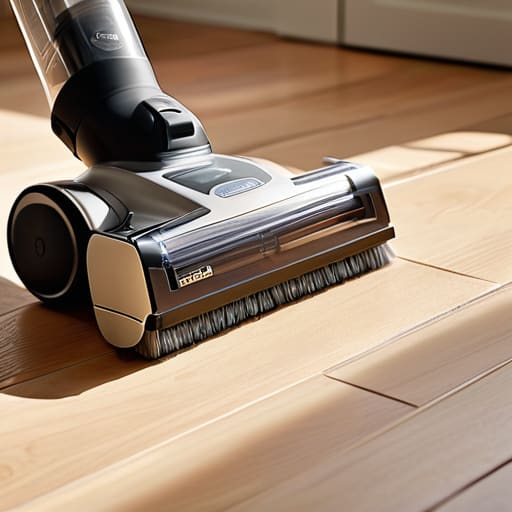
At the end of the day, choosing a cordless vacuum isn’t about picking the one with the flashiest digital display or the most expensive marketing campaign. It’s about understanding what your home actually demands. We’ve looked at why you can’t compromise on suction power if you want to get the job done right, and why having the proper attachments for your hardwood floors is the difference between a clean home and a scratched one. If you ignore these fundamentals, you’re just buying a fancy way to move dust around instead of actually cleaning. Don’t be fooled by the specs on the box; look for build quality and consistent performance that will still be working five years from now.
I know it’s tempting to grab whatever is on sale or whatever the latest trend suggests, but I’m telling you: stop the cycle of constant replacement. Every time you buy a piece of cheap, disposable plastic, you’re essentially throwing money into a bin. Instead, take a moment to invest in a tool that respects your time and your wallet. When you buy a vacuum that is built to endure, you aren’t just cleaning your floors; you are decluttering your life from the frustration of broken machinery. Buy it once, buy it well, and let your tools serve you, rather than you serving them.
Frequently Asked Questions
How long will the battery actually hold a charge before I'm stuck halfway through a job?
Look, this is where most people get caught out by flashy marketing. They promise you “unlimited cleaning,” but that’s nonsense. In reality, if you’re running on max suction, you’ll likely get about 15 to 20 minutes before that battery dies on you. If you’re just doing a light sweep on hard floors, you might stretch it to 40. Don’t buy a model unless it has a removable, swappable battery. Otherwise, you’re just buying an expensive paperweight.
Are the replacement filters and parts easy to find, or am I going to have to throw the whole machine away when one part fails?
That is the most important question you can ask. I’ve seen too many people buy a “high-tech” machine only to realize six months later that a single $10 filter is discontinued, turning a $400 vacuum into landfill fodder. Before you pull the trigger, check the manufacturer’s website. If they don’t sell replacement brushes, batteries, and filters directly, walk away. A tool is only as good as its ability to be maintained.
Is the motor built with enough grit to handle real debris, or is it just another plastic gadget designed for light dusting?
Look, if you’re looking for a toy to chase a few dust bunnies, buy the cheapest plastic gadget you can find. But if you want a tool, you need to look at the motor specs. A real vacuum needs enough torque to pull grit out of floorboard crevices without overheating. If the manufacturer won’t tell you the motor’s durability or build quality, they’re selling you a disposable piece of junk. Don’t fall for it.
