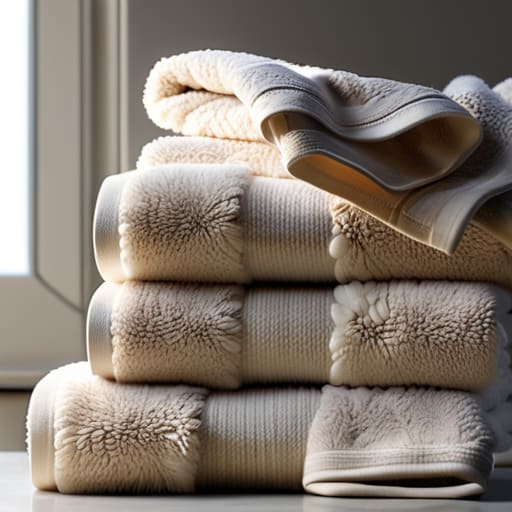
I spent thirty years in logistics, so I know exactly what happens when a company prioritizes flashy marketing over actual material integrity. Lately, it seems like every department store is trying to sell you “luxury” bath towels that are little more than glorified paper napkins—thin, synthetic blends that lose their absorbency after a single trip through the wash. It’s a scam, plain and simple. You see these high-priced, over-engineered sets in glossy catalogs, but they lack the heft and honest construction required to actually do their job. I’m tired of seeing people throw good money after bad on disposable textiles that end up in a landfill before the year is out.
I’m not here to talk about thread counts that don’t mean a lick of difference or fancy branding. My goal is to cut through the noise and show you how to identify a towel that is built to endure. I’ll be sharing my straightforward criteria for finding heavy, high-quality cotton that stays soft and functional for years, not months. We are going to focus on real value and longevity, ensuring that when you finally buy a set, you won’t have to think about replacing them again for a long, long time.
Table of Contents
Gsm Weight Explained the Truth About Real Substance
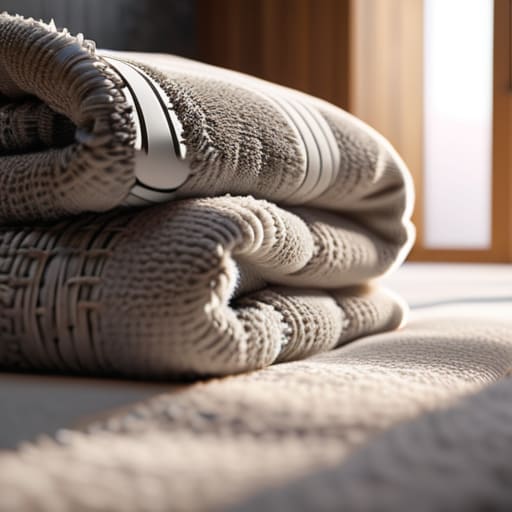
When you’re looking at a product spec sheet, you’ll see a term called GSM. It stands for grams per square meter, and if you want to understand GSM weight explained, think of it as the density of the fabric. In my years managing logistics, I learned that weight often correlates directly with material volume. A low GSM means a thin, skimpy cloth that’ll barely dry a drop of water before it’s soaked through. You don’t want that. You want something with heft—something that feels substantial when you pick it up.
For anyone serious about quality, I recommend aiming for a range between 600 and 900 GSM. This is where you find those high-absorbency bath linens that actually do the job instead of just moving water around your skin. Avoid the temptation of cheap, lightweight options; they might feel okay for a second, but they lack the structural integrity to survive a heavy drying session. If a towel feels light as air in the store, it’s going to feel like a rag after three months of laundry. Buy for density, not for fluff.
The Best Towel Material for Skin and Longevity
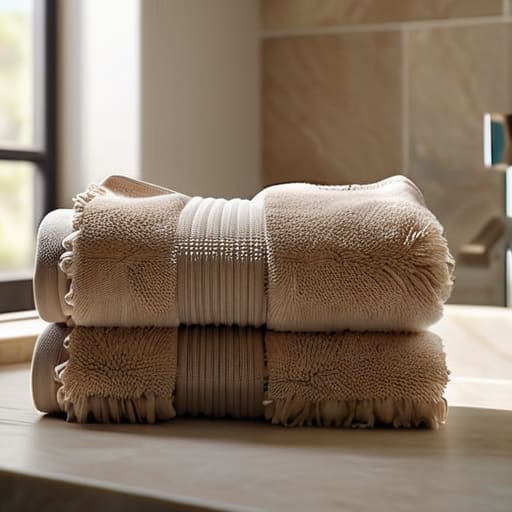
Now, let’s talk about what these things are actually made of, because this is where most people get tripped up by clever marketing. You’ll see a lot of talk regarding cotton vs microfiber towels in those flashy online ads, but let me give you the straight truth: stay away from the synthetic stuff. Microfiber might feel soft for a week, but it’s essentially plastic. It doesn’t breathe, it doesn’t absorb water properly, and it certainly won’t stand the test of time. If you want something that actually works, you need to stick to natural fibers.
For me, it always comes down to long-staple cotton. When you’re looking for the best towel material for skin, you want fibers that are long and continuous; they create a smoother surface that won’t scratch or pill after a few months of heavy use. It’s about finding that balance between a heavy, high-absorbency build and a material that can actually handle a hot wash without losing its integrity. Don’t be swayed by a “silky” feel that disappears after the first laundry cycle. Look for honest, heavy-duty cotton that feels substantial in your hands.
Five Rules for Picking Towels That Don't End Up in a Landfill
- Check the edges before you pay. I’ve seen too many “premium” towels that use cheap stitching that unravels after a single heavy wash. Look for double-stitched hems; if the construction looks flimsy in the store, it’ll be a rag in a month.
- Avoid the “fluff trap.” Those unnaturally soft, synthetic-feeling towels are usually just coated in chemical softeners that wash away, leaving you with a scratchy mess. Stick to honest, long-staple cotton that feels substantial, not artificial.
- Size matters more than the label says. A standard bath towel that’s too small is useless once it gets damp. Buy a size up—something with real dimensions—so you aren’t struggling to wrap yourself in a glorified washcloth.
- Inspect the weave for consistency. Run your hands over the fabric; if you feel uneven patches or thin spots, that towel was poorly manufactured. A quality towel should have a uniform, dense weave from corner to corner.
- Don’t fall for the “quick-dry” marketing gimmick. Most of those are just polyester blends that don’t actually absorb water. If you want something that actually dries you off, you need real fibers, not a plastic-based shortcut.
The Bottom Line: Don't Get Fooled by Marketing
Stop looking at the price tag alone; a cheap towel is a waste of money if it turns into a rag after a month of laundry.
Check the labels for 100% natural fibers like cotton or linen, because synthetic blends just trap moisture and fall apart.
Aim for a higher GSM weight to ensure you’re getting actual substance that can absorb water rather than just pushing it around your skin.
The Cost of Cheap Cotton
“I’ve spent enough years managing supply chains to know when a company is cutting corners; if a towel feels thin and lifeless in the store, it’s going to be a rag in your linen closet by next month. Stop buying disposables and start buying something with enough weight to actually do its job.”
Hugo Steenkamp
Making the Right Call
At the end of the day, choosing a towel shouldn’t be a guessing game. You now know that you need to look past the fancy marketing and focus on the fundamentals: a high GSM for actual weight, and natural fibers like cotton that won’t lose their integrity after a few months in the wash. Don’t let a low price tag fool you into buying something that will turn into a thin, scratchy rag before the year is out. If you prioritize substance over style and pay attention to the material specifications, you’ll end up with a product that actually does its job. It’s about buying for longevity, not just for the immediate convenience of a cheap bargain.
My advice is simple: stop treating your home goods like they are disposable. We live in a world that wants us to constantly replace, discard, and repurchase, but there is a profound sense of satisfaction in owning things that endure. When you invest in a quality towel, you aren’t just buying a piece of fabric; you are investing in a daily ritual that won’t fail you. Stop chasing the latest trends and start building a home filled with honest, reliable tools. Do it right the first time, and you won’t have to do it again.
Frequently Asked Questions
How often should I actually be replacing these things if I've bought quality ones?
If you’ve done your homework and bought heavy, high-quality cotton, you shouldn’t be tossing them every year like some disposable rag. A proper towel should serve you well for five to seven years. You’ll know it’s time to retire them when the fibers lose their ability to absorb water or they start feeling thin and scratchy despite proper care. If they’re still holding up, keep using them. Don’t replace them just because of a trend.
Are those expensive bamboo blends actually better, or is it just more marketing fluff?
Look, I’ve seen this play out in supply chains for decades: a fancy label to justify a higher markup. Bamboo blends feel incredibly soft—I’ll give them that—but they lack the structural integrity of a high-quality cotton. They tend to lose their shape and pill much faster than a heavy-duty weave. If you want something that survives the laundry and actually dries you off, stick to honest, long-staple cotton. Don’t pay extra for a marketing gimmick.
What’s the best way to wash them so they don't lose their absorbency after a few months?
Stop using those chemical-heavy fabric softeners. They might make the towel feel fluffy for a minute, but they actually coat the fibers in a waxy film that kills absorbency. Use less detergent than the bottle suggests—excess soap buildup is a real problem. Wash them in warm water, and for heaven’s sake, give them plenty of time to air dry or tumble dry on low. Treat them right, and they’ll actually do their job.
