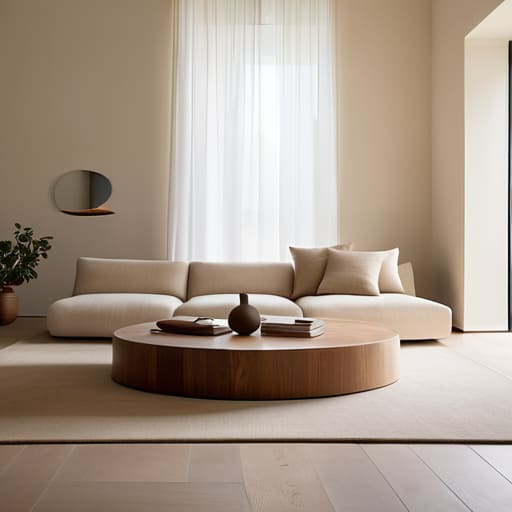
I see these glossy magazines and social media feeds every week, peddling this idea that minimalist decor means living in a cold, sterile white box with nothing but a single, overpriced designer vase on a glass table. It’s nonsense. They’ve turned a philosophy of purpose into a high-priced aesthetic of emptiness, making people feel like they need to spend a fortune just to own nothing at all. To me, that isn’t minimalism; it’s just a different way to waste money on things that lack soul and durability.
I’m not here to sell you on a trend or tell you to strip your home until it feels like a hospital ward. Instead, I’m going to show you how to apply a bit of common sense to your living space by focusing on quality over quantity. I’ll share what I’ve learned from decades of managing logistics and restoring old tools: how to identify pieces that actually serve a function and are built to last a lifetime. We’re going to cut through the fluff and build a home that has substance, not just a curated Instagram feed.
Table of Contents
Embracing Scandinavian Design Principles for Longevity
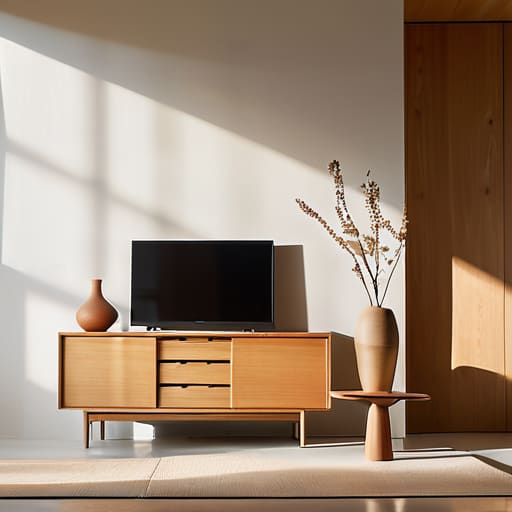
Now, I’ve seen a lot of “trends” come and go in my time, but there is something inherently sensible about scandinavian design principles that actually holds up to scrutiny. It isn’t about following a fad you saw on a social media feed; it’s about the marriage of utility and aesthetics. When you look at these designs, you see a focus on clean lines and materials that don’t quit on you. I’ve always believed that if a piece of furniture doesn’t serve a clear purpose, it’s just taking up space and collecting dust.
Instead of filling your rooms with flashy, over-decorated nonsense, look toward neutral color palettes and sturdy construction. This approach encourages you to invest in a few high-quality items—like a solid oak table or a well-made chair—rather than a dozen cheap imitations. By prioritizing a functional furniture layout, you create a home that breathes and actually works for your daily life. It’s about making sure every item in your house earns its keep. If it’s not built to last and it doesn’t serve a function, it doesn’t belong in your home.
The Power of Neutral Color Palettes and Intentionality
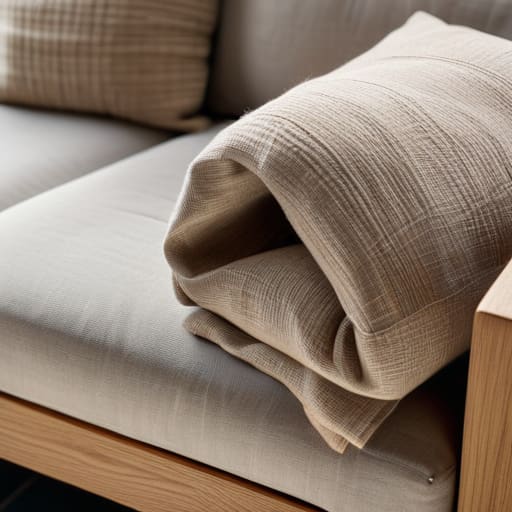
Now, let’s talk about color. I’ve seen enough “statement walls” in my time to know they’re usually just a distraction from poor craftsmanship. When you lean into neutral color palettes, you aren’t being boring; you’re being smart. Earth tones, soft greys, and warm whites provide a stable foundation that doesn’t demand your attention every time you walk into the room. These colors allow the actual quality of your belongings—the grain in a solid oak table or the texture of a well-made linen throw—to take center stage.
This approach ties directly into intentional home styling. Instead of buying a bright, plastic trinket just because it’s “in” this season, you focus on pieces that harmonize with your environment. When your color scheme is grounded, you stop feeling the urge to constantly “update” your space to match a fleeting trend. It creates a sense of calm and order that makes clutter-free living spaces much easier to maintain. If a piece doesn’t serve a purpose or fit that steady, neutral baseline, it doesn’t belong in your house. Period.
Five Rules for Building a Home That Actually Lasts
- Stop buying for the “look” and start buying for the build. Before you bring a piece of furniture into your house, check the joinery and the weight of the material. If it’s particle board held together by glue and hope, leave it on the showroom floor. You want solid wood and real metal, things that can be repaired rather than replaced.
- Quality over quantity is a cliché for a reason—it works. I’d rather have one well-made, heavy oak dining table that my grandkids can sit at in thirty years than a room full of cheap, trendy sideboards that wobble after six months. If you can’t afford the good version, wait until you can.
- Audit your belongings every single season. Most people are drowning in “stuff” they don’t even use. If a gadget or a decorative trinket hasn’t served a purpose or brought you genuine utility in the last few months, it’s just clutter taking up mental space. Clear the decks so the things that matter can actually be seen.
- Invest in multi-purpose pieces. In my years in logistics, efficiency was everything, and your home should be no different. A sturdy chest that serves as both a coffee table and storage is far more valuable than three separate, flimsy items. Make every square inch of your home earn its keep.
- Demand sustainable materials. There is no point in buying a “minimalist” piece if it’s wrapped in three layers of non-recyclable plastic and shipped halfway across the world in a way that wastes fuel. Look for local craftsmen and natural materials like stone, wool, or wood. It’s better for your home, and it’s better for the planet.
The Bottom Line: How to Shop with Intent
Stop buying for the “look” of a trend; buy for the quality of the material. If it’s made of cheap particle board or flimsy plastic, it doesn’t belong in a home built to last.
Prioritize multi-functional pieces that earn their keep. Every item in your living space should serve a clear purpose or offer genuine utility, rather than just occupying space.
Invest in your foundations first. It is better to own one solid, well-crafted oak table than a room full of trendy, disposable furniture that will end up in a landfill by next year.
## Substance Over Style
“Minimalism isn’t about living in an empty white box; it’s about having the discipline to clear out the cheap, disposable clutter so you actually have room for the things that are built to last.”
Hugo Steenkamp
Making It Count
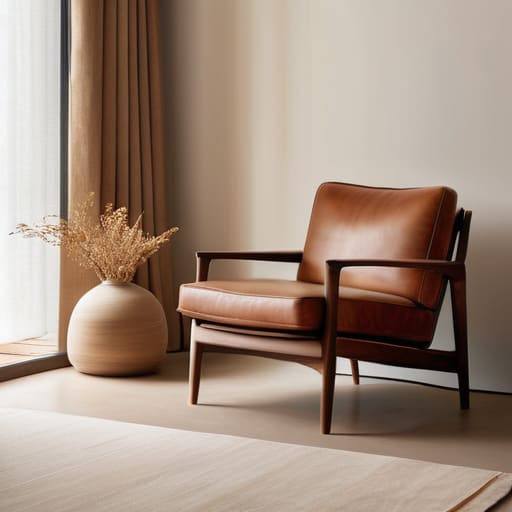
At the end of the day, minimalist decor isn’t some fancy design trick or a way to make your house look like a sterile showroom. It’s about being disciplined. We’ve looked at how Scandinavian principles prioritize durability, and how a neutral palette allows your home to feel steady rather than chaotic. When you stop chasing every seasonal gimmick and start focusing on quality over quantity, you realize that your home is an investment, not a revolving door for cheap goods. It’s about choosing pieces that serve a function and possess the structural integrity to stay in your family for decades, rather than ending up in a landfill by next Christmas.
My advice is simple: stop looking at your screen for the next big trend and start looking at the things you actually use every single day. If it doesn’t serve a purpose or bring a genuine sense of order to your life, it doesn’t belong in your space. Build a home that reflects substance and intention, not a collection of disposable clutter. Buy it once, buy it well, and make it count. Your future self—and your wallet—will thank you for it.
Frequently Asked Questions
How do I distinguish between a high-quality piece that will last decades and just another expensive item that looks minimalist but is built poorly?
Look, don’t let a clean aesthetic fool you. A sleek, white table isn’t “minimalist” if it’s just particle board covered in a thin veneer that peels after one move. Check the joinery—if it’s held together by nothing but staples and cheap glue, walk away. Look for solid wood, heavy-gauge metals, and real stone. If it feels light or hollow, it’s junk. Buy for the weight and the construction, not the photo.
If I'm moving away from clutter, how do I decide which of my current belongings are actually functional and which are just taking up space?
Look, don’t get sentimental over junk. I use a simple rule from my logistics days: if it doesn’t serve a daily purpose or hold genuine, lasting value, it’s just dead weight. Pick up an item and ask yourself: “Would I buy this again today if it were built to last?” If the answer is no, or if it’s just a “maybe” for some hypothetical future, get rid of it. Clear the clutter to make room for quality.
Is it possible to maintain a minimalist home without it feeling cold, empty, or lacking character?
Look, minimalism isn’t about living in a sterile hospital ward. If your home feels cold, you’ve missed the point. It’s not about having nothing; it’s about having the right things. I say skip the plastic trinkets and invest in a solid oak table or a hand-woven rug. Use textures and materials that have some weight to them. A space feels empty when it lacks soul, not when it lacks clutter.
