I’ve spent thirty years in logistics, and if there is one thing I learned, it’s that most modern “stuff” is designed to fail. We live in a world of planned obsolescence, where people buy cheap, plastic trinkets that end up in a landfill before the year is out. It’s a waste of hard-earned money and a waste of space. When it comes to finding meaningful handmade gifts, most folks fall into the trap of buying something flashy that lacks any real substance. I’ve made it my mission to steer clear of that disposable culture and find things that actually carry weight.
In this list, I’m cutting through the noise to bring you five specific items that actually stand the test of time. I’m not interested in flimsy knick-knacks that gather dust; I’m looking for pieces with soul and structural integrity. You are going to learn how to identify quality craftsmanship so you can stop chasing fleeting trends and start investing in items that endure. If you want to give something that won’t be broken or forgotten by next season, you’ve come to the right place.
Table of Contents
Hand-Forged Kitchen Knives

Most people today are perfectly content buying a set of flimsy, stamped-steel knives from a big-box retailer that lose their edge after a month of slicing onions. It’s a waste of money and a frustration to anyone who actually spends time in a kitchen. If you want to give a gift that matters, look for a hand-forged blade made by a local blacksmith. These tools have weight, balance, and a soul that a factory assembly line simply cannot replicate.
Solid Wood Serving Boards

I see far too many “decorative” cutting boards made of pressed sawdust and thin veneers that warp the moment they touch a drop of water. It’s rubbish. If you’re looking for a gift that serves a dual purpose—looking good on a table and actually standing up to a heavy roast—you need to find something made from solid hardwood. Look for walnut, maple, or cherry, and make sure the maker has finished it with food-safe oils rather than cheap plastic lacquers.
Hand-Thrown Stoneware
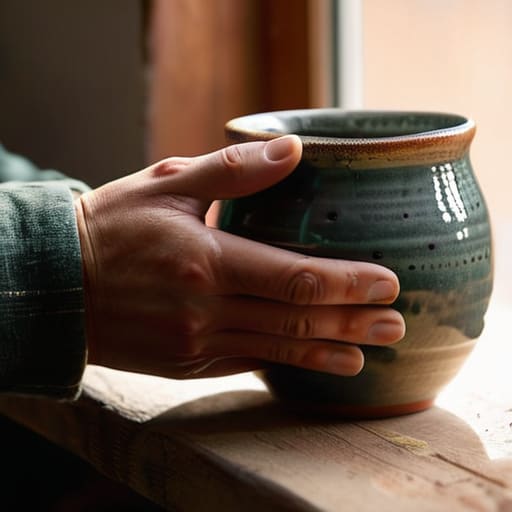
There is a massive difference between a ceramic mug mass-produced by the millions and a piece thrown on a potter’s wheel. The factory stuff feels hollow and anonymous, like it was designed by a computer to meet a minimum price point. A hand-thrown stoneware mug, however, has character. You can feel the slight variations in the glaze and the weight of the clay in your palms, making the simple act of drinking coffee feel more intentional and grounded.
Woolen Throws and Textiles
We live in an era of “fast fashion” where textiles are made from cheap synthetic fibers that pill and fall apart after a single wash. It’s a cycle of constant replacement that’s bad for the wallet and even worse for the environment. Instead, seek out heavyweight wool blankets or hand-woven throws. Natural fibers like wool or linen have a durability that polyester simply cannot match, and they regulate temperature far better than any synthetic blend.
Leather Goods Crafted by Hand
If you want to avoid the “disposable” culture, stay far away from the faux-leather accessories flooding the market. That stuff is just plastic coated in pigment, and it starts peeling within a year. A hand-stitched leather wallet or journal cover, made from full-grain leather, is the antithesis of that junk. It’s a material that actually gets better with age, softening and darkening as it absorbs the history of its owner.
The Bottom Line on Meaningful Gifting
Stop looking at the price tag and start looking at the build quality; a gift that breaks in a year isn’t a gesture, it’s just more future landfill.
Prioritize items with a story and a purpose over whatever flashy, mass-produced gadget is currently trending on social media.
When you invest in something handmade, you aren’t just buying an object, you’re buying durability and a piece of craftsmanship that actually deserves a place in a home.
The Value of Substance
A mass-produced trinket is just more clutter waiting for a landfill; a handmade gift is an investment in something that carries a story and the structural integrity to actually be passed down.
Hugo Steenkamp
Making the Right Choice
At the end of the day, choosing a handmade gift isn’t about following a seasonal trend or checking a box on a shopping list. It’s about recognizing the difference between a piece of junk that will end up in a landfill by next year and an object that possesses genuine substance. Whether you opted for the hand-turned woodwork, the artisanal textiles, or one of the other items we discussed, you’ve made a choice to value craftsmanship over convenience. You aren’t just buying a product; you are investing in something that was built with intent and precision, much like the tools I spend my afternoons restoring in my workshop.
Stop looking for the easiest way to spend your money and start looking for the best way to honor the people in your life. A gift that breaks or loses its charm within a few months is nothing more than expensive clutter. When you give something handmade, you are giving a piece of history and a testament to human skill. My advice is simple: stop chasing the disposable culture that the big retailers want you to swallow. Instead, buy it once, buy it well, and choose items that will actually stand the test of time. Your wallet—and your home—will thank you for it.
Frequently Asked Questions
How can I tell if a handmade item is actually built to last or if it's just decorative junk?
Look at the joinery and the weight. If it’s wood, check if the pieces are glued and pegged or just tacked together with cheap staples. If it’s textile, look for reinforced seams, not loose threads. Real craftsmanship doesn’t hide behind a layer of paint or a fancy label. If you can feel the structural integrity with your hands before you even pull out your wallet, it’s worth the investment. If it feels flimsy, walk away.
Is it worth paying a premium for handmade goods when mass-produced versions are so much cheaper?
Look, if you’re just looking for something to fill a gap on a shelf for six months, buy the cheap stuff. But if you want something that won’t end up in a landfill by next year, the premium is worth every cent. You aren’t just paying for the item; you’re paying for the integrity of the materials and the skill of the person who made it. I’d rather own one solid, handmade piece than a dozen pieces of plastic junk.
How do I find reputable artisans who use sustainable materials and decent packaging?
Look, don’t just take a flashy website at face value. I always dig into the “About” page first—if they can’t tell you exactly where their timber or clay comes from, I’m out. I look for transparency. I also check reviews specifically for shipping; if I see people complaining about mountains of plastic bubble wrap, I won’t touch them. A real craftsman respects the materials and the planet enough to pack them with care and conscience.
