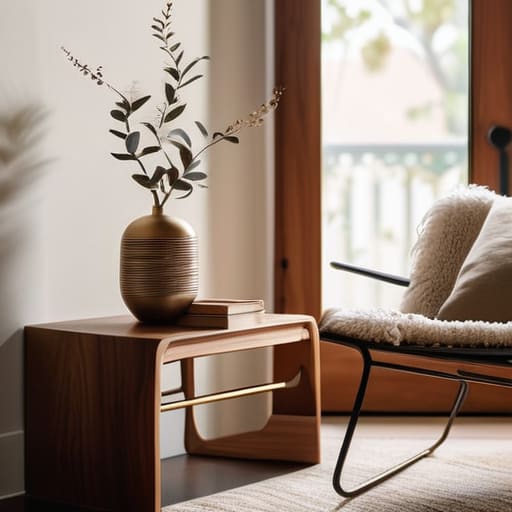
I was cleaning out my garage last weekend and found a box of “designer” kitchen gadgets I bought ten years ago. Most of them were made of flimsy plastic, had zero utility, and were essentially just expensive landfill waiting to happen. It’s the same nonsense I see every day online—people spending a fortune on clutter that looks “on-trend” but serves absolutely no purpose. We’ve been conditioned to believe that decorating is about filling empty spaces with shiny junk, but that’s a lie. Real functional decor isn’t about following a catalog; it’s about selecting pieces that actually earn their keep in your home.
I’m not here to sell you on some fleeting aesthetic or tell you how to make your living room look like a showroom. I’m going to show you how to build a home that works for you, not against you. I’ll be sharing my straightforward, no-nonsense approach to picking items that are built to last and serve a clear, practical function. If you’re tired of wasting money on disposable rubbish and want to start investing in things that endure, you’re in the right place.
Table of Contents
Blending Form and Function Through Intentional Curation
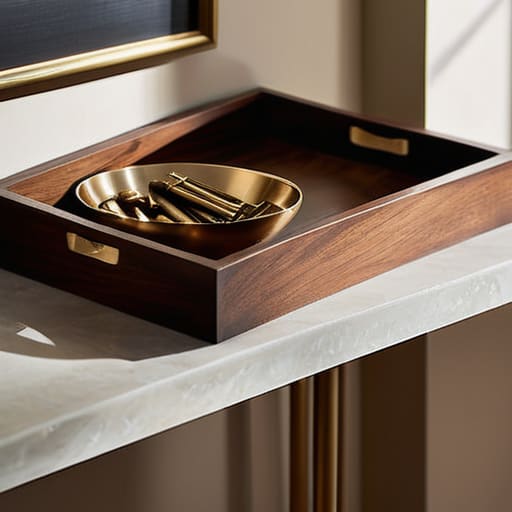
Most people make the mistake of thinking they have to choose between a house that looks like a museum or a house that looks like a cluttered warehouse. That’s a false choice. When I look at a room, I don’t care if a piece is “on trend”; I want to see blending form and function in action. You don’t need a dozen useless knick-knacks to fill a shelf. Instead, look for sculptural everyday objects that actually serve a duty—a heavy brass bowl that holds your keys, or a hand-turned wooden tray for your mail. If it doesn’t have a job to do, it shouldn’t be taking up your space.
The real secret to a well-ordered home lies in decorative storage solutions that don’t look like plastic bins from a big-box store. I’ve spent my life managing logistics, and I know that efficiency is everything. I apply that same logic to my living room. Instead of buying cheap organizers that crack after six months, invest in solid oak boxes or linen baskets. These pieces provide aesthetic organization ideas that actually endure, keeping your clutter out of sight without sacrificing the character of the room.
The Quiet Power of Sculptural Everyday Objects
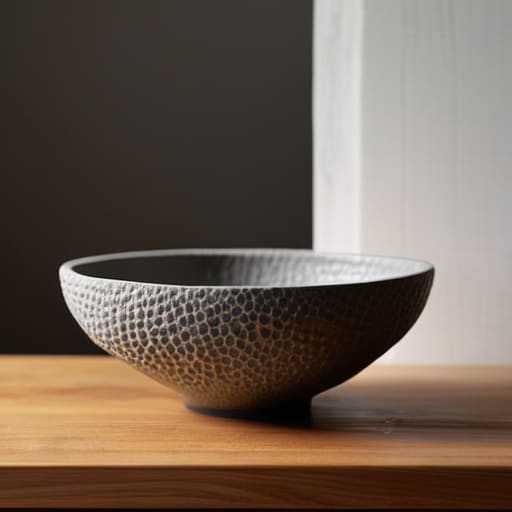
I’ve always believed that if an item doesn’t have a job to do, it shouldn’t be on my shelf. I see far too many people cluttering their homes with “art” that serves no purpose other than taking up space and gathering dust. To me, the real beauty lies in sculptural everyday objects that manage to look intentional while actually being useful. Think of a heavy, hand-thrown ceramic bowl; it looks fine on a sideboard, but its true value is in holding your keys or fruit. That is what I call a win—an item that satisfies the eye without being a useless distraction.
When you look for these pieces, you aren’t just decorating; you are investing in aesthetic organization ideas that streamline your life. A solid brass tray or a well-crafted wooden vessel can act as a centerpiece while keeping your surfaces clear. These aren’t just trinkets; they are multipurpose home accessories designed to stand the test of time. If you buy a piece that is both beautiful and practical, you won’t feel the need to replace it when the next fad rolls around. That’s how you build a home that actually works.
Five Rules for Building a Home That Actually Works
- Stop buying “decor” that has no job. If a piece doesn’t serve a purpose—whether it’s holding your keys, lighting a room, or storing a tool—it’s just clutter. If it doesn’t work, it doesn’t belong on your shelf.
- Prioritize material integrity. I don’t care how “modern” a plastic bowl looks; if it cracks after a year, it’s garbage. Look for solid wood, heavy ceramics, or cast iron. These materials age with grace instead of ending up in a landfill.
- Measure twice, buy once. There is nothing more wasteful than a “statement piece” that disrupts the flow of a room because you didn’t bother to check the dimensions. Respect your space and buy items that fit the scale of your life.
- Invest in the “Daily Drivers.” We spend the most time with the things we touch every day—the kettle, the cutting board, the lamp. Don’t skimp here. Spend your money on the items that see the most use; that’s where the value truly lies.
- Reject the “Trend Trap.” If a shop tells you a certain color or shape is “in” this season, walk away. Trends are designed to make your perfectly good belongings look obsolete by next year. Stick to timeless designs that look just as good in a decade as they do today.
The Bottom Line on Building a Home That Lasts
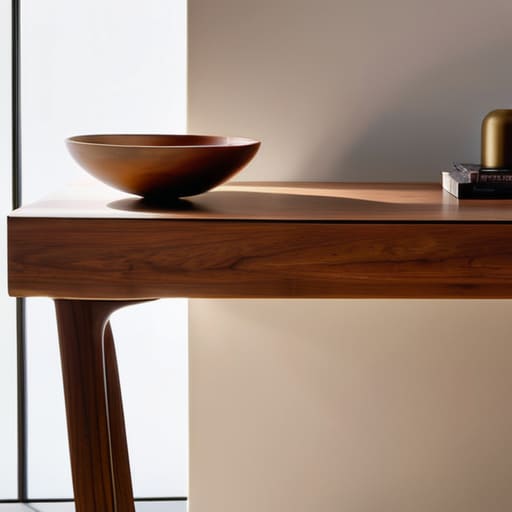
Stop decorating for the sake of a photo; if an object doesn’t serve a practical purpose or bring genuine utility to your daily routine, it’s just clutter.
Prioritize material quality over visual trends, because a well-made piece of solid wood or heavy ceramic will still be useful long after the current fad has been forgotten.
View every purchase as a long-term investment rather than a quick fix, aiming to own fewer, better things that stand the test of time.
The Cost of Convenience
If an object doesn’t serve a purpose, it’s just clutter masquerading as style; I’d rather have one well-made tool on my shelf than a dozen plastic trinkets that are destined for a landfill by next season.
Hugo Steenkamp
The Bottom Line on Building a Home That Lasts
At the end of the day, decorating your home shouldn’t feel like a chore or a constant race to keep up with whatever the latest catalog suggests. We’ve talked about why you need to move past the era of clutter and start looking for objects that actually earn their keep. Whether it’s a sculptural bowl that holds your keys or a piece of furniture that serves both as a centerpiece and a workspace, the goal remains the same: utility without compromise. Stop filling your shelves with hollow ornaments that serve no purpose other than to take up space. If an item doesn’t have a job to do or a story to tell, it doesn’t belong in your house. Invest in quality, not quantity.
My advice is simple: take a hard look at what you own and ask yourself if it will still be useful ten years from now. A home built on functional decor is a home that grows more comfortable and more efficient with age, rather than one that feels dated every time a new trend hits the market. Don’t let the noise of modern consumerism trick you into buying more junk. Instead, focus on finding those few, exceptional pieces that marry craftsmanship with necessity. Buy it once, buy it well, and make it count.
Frequently Asked Questions
How do I tell the difference between a piece that is actually well-built and one that just looks sturdy in a photo?
Look, a professional photo can lie to you. It can make thin particle board look like solid oak with enough lighting. To find the truth, you have to look at the joinery. If it’s just staples and glue, run. Look for dovetails or mortise-and-tenon joints. Check the weight, too—real quality has heft. And don’t ignore the underside; if the bottom is unfinished, cheap pressboard, the whole piece is junk.
Is it possible to make a home feel warm and lived-in if I'm only buying things that serve a practical purpose?
Look, there’s a common misconception that “practical” means “sterile.” It doesn’t. A home feels lived-in when the objects within it have a history and a soul. A well-worn leather armchair or a heavy cast-iron skillet isn’t just a tool; it’s a piece of equipment that gathers character over time. Warmth comes from quality materials—wood, wool, stone—that feel good to the touch. If it serves a purpose and lasts, it adds depth, not clutter.
Where do I even start when I'm trying to replace a house full of cheap, disposable clutter with items that actually last?
Don’t try to overhaul everything in a single weekend; you’ll just end up buying more junk to fill the gaps. Start with the things you touch every single day—your coffee maker, your kitchen knives, or even your desk lamp. These are the workhorses of your home. When one of those cheap pieces finally gives out, don’t replace it with a plastic imitation. Research the materials, check the construction, and buy the better version once.
