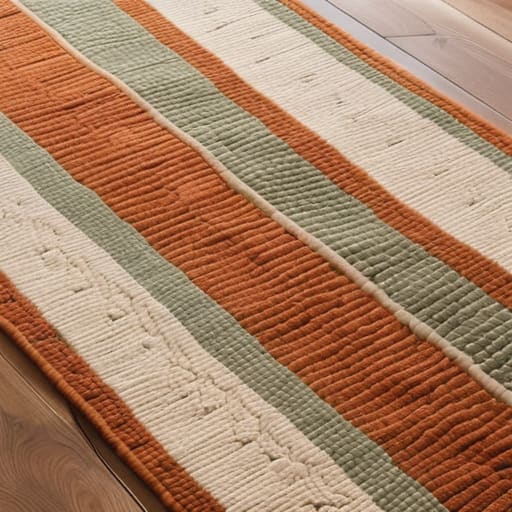
I was cleaning out my workshop last weekend when I stumbled upon a piece of synthetic, machine-tufted junk I’d bought for the hallway a few years back. It had already begun to unravel at the edges, shedding tiny plastic fibers like it was dying. It’s the same story I see every time I walk into a modern showroom: people are being sold these flimsy, “trendy” woven rugs that look decent under the bright lights but are essentially disposable trash disguised as decor. They use cheap chemical dyes and thin, low-grade fibers that can’t handle a bit of foot traffic or a spilled drink, let alone a decade of real life.
I’m not here to talk to you about color palettes or what’s currently “in” on social media. I’ve spent my career looking at supply chains and material durability, and I know the difference between a product built to last and one built to be replaced. In this guide, I’m going to show you how to identify genuine craftsmanship and materials that actually hold their value. We’re going to skip the marketing fluff and focus on how to select a rug that becomes a permanent fixture in your home rather than another item headed for the landfill.
Table of Contents
- Choosing Sustainable Rug Materials That Stand the Test of Time
- Mastering Natural Texture Home Decor for Enduring Style
- Five Hard Truths About Buying a Rug That Won't End Up in a Landfill
- The Bottom Line on Buying a Rug That Lasts
- The Cost of Cheap Fibers
- Making the Right Call
- Frequently Asked Questions
Choosing Sustainable Rug Materials That Stand the Test of Time
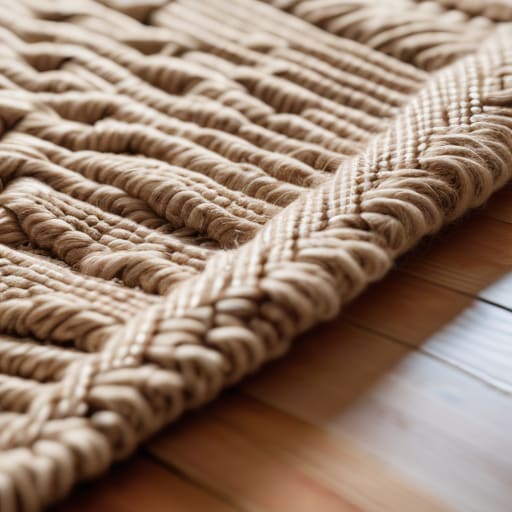
When you’re looking at a catalog, don’t get distracted by flashy colors or those cheap synthetic fibers that look good under showroom lights but turn into a matted mess within six months. If you want something that actually lasts, you have to look at the foundation. I always tell people to prioritize sustainable rug materials like wool, jute, or sisal. These aren’t just better for the planet; they are inherently tougher. Wool, for instance, has a natural resilience that synthetic nylon simply can’t match. It bounces back after being stepped on, which is exactly what you need in a high-traffic hallway or a living room.
I’ve learned the hard way that a rug is an investment in your home’s infrastructure, not a seasonal decoration. If you’re aiming for a certain look, like bohemian interior styling, you can certainly achieve it with natural fibers, but make sure the weave is tight and the construction is solid. Avoid the mass-produced, machine-made junk that relies on plastic-based dyes. Instead, look for pieces that offer a heavy, substantial feel. A rug with real weight is a sign that it was built to endure, not just to fill a gap on your floor.
Mastering Natural Texture Home Decor for Enduring Style
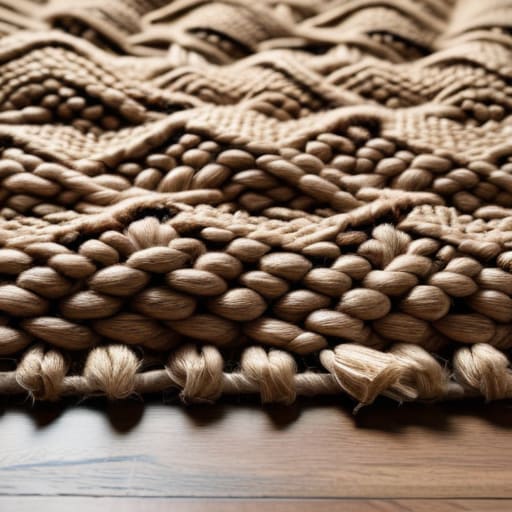
Once you’ve settled on the right materials, you need to look at how those fibers actually behave in a room. I’ve seen too many people get swept up in the “bohemian interior styling” craze, filling their homes with flimsy, mass-produced pieces that look decent in a photo but feel like cardboard underfoot. If you want a home that feels grounded, you need to lean into natural texture home decor that offers actual substance. A rug shouldn’t just be a splash of color; it should provide a tactile sense of permanence.
When I’m looking at a new piece, I pay close attention to the handwoven textile patterns. There is a fundamental difference between a machine-stamped design and one where you can see the intentionality of the weaver. Those slight irregularities aren’t flaws; they are proof of craftsmanship. When you choose a piece with genuine depth, you aren’t just decorating a floor—you are investing in durable floor coverings that will age gracefully alongside your furniture rather than looking shabby after the first few years of heavy foot traffic.
Five Hard Truths About Buying a Rug That Won't End Up in a Landfill
- Check the weight and density before you commit. A rug that feels light as a feather is usually just a glorified piece of fabric held together by hope. You want something with enough heft to stay put and enough density to resist the crushing weight of your furniture.
- Avoid the “synthetic trap.” I see people buying cheap polyester rugs because they’re easy on the wallet, but they shed microplastics and look pathetic after six months. If you can’t find a natural fiber like wool or jute, you’re just buying future trash.
- Look at the edges, not just the center. A well-made rug has tight, reinforced binding. If the edges look thin or prone to fraying, walk away. That’s where the structural integrity fails first, and once the fringe goes, the whole thing is done.
- Test the backing. A quality woven rug should have a sturdy, consistent backing that prevents the weave from stretching out of shape. If the back looks uneven or flimsy, it won’t survive a single season of heavy foot traffic.
- Ignore the “on-trend” colors. Trends change faster than a supply chain during a crisis. If you buy a rug just because it’s the “color of the year,” you’ll be replacing it in twenty-four months. Stick to earthy, honest tones that complement a room rather than demanding it.
The Bottom Line on Buying a Rug That Lasts
Stop looking at the color patterns and start looking at the fiber; a rug is only as good as the material it’s woven from, so prioritize durability over a fleeting trend.
Don’t be fooled by thin, machine-made imitations that look good in a showroom but will fray within six months of heavy foot traffic.
View a high-quality woven rug as a long-term investment for your home, not a disposable decoration you’ll be replacing next season.
The Cost of Cheap Fibers
I’ve seen enough supply chains to know that if a rug is priced like a disposable convenience, it’s because it was built to be thrown away; stop buying for the look of today and start buying for the floor of twenty years from now.
Hugo Steenkamp
Making the Right Call
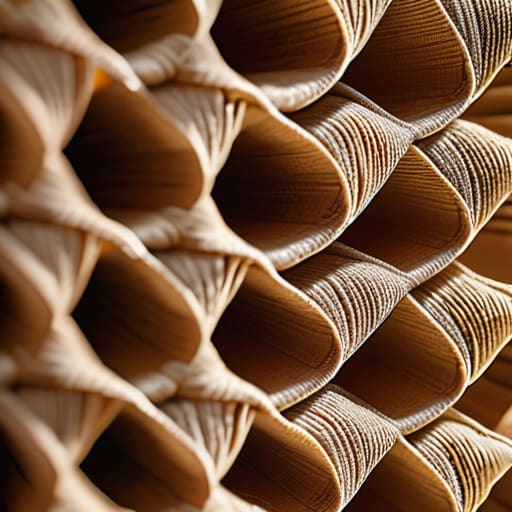
At the end of the day, picking out a woven rug isn’t about following some fleeting interior design trend you saw on a social media feed. It’s about understanding the mechanics of what you’re bringing into your home. We’ve talked about why you need to prioritize sustainable, high-quality materials over cheap synthetics and why texture is the secret to a room that feels grounded rather than cluttered. If you focus on the integrity of the weave and the durability of the fiber, you aren’t just decorating a room; you are managing your household assets properly. Don’t settle for something that’s going to look ragged and sad after six months of foot traffic.
My advice is simple: stop looking for “fast decor” and start looking for investments. A good rug should be able to handle the chaos of daily life—spills, heavy furniture, and constant movement—without losing its character. When you choose a piece that is built to last, you save yourself the headache of constant replacements and the waste of throwing more junk into a landfill. Build a home filled with things that have a sense of purpose and a bit of grit. Buy it once, buy it well, and let it stand the test of time right alongside you.
Frequently Asked Questions
How do I tell if a woven rug is actually made of high-quality natural fibers or just cheap synthetic blends masquerading as the real thing?
Don’t let a glossy catalog fool you. The easiest way to tell is the “hand test.” Run your fingers over the fibers; natural wool or jute has a distinct, slightly irregular texture and a natural weight. If it feels unnaturally slick, oily, or suspiciously uniform, it’s likely a synthetic blend. Also, check the scent. Real fibers have a faint, earthy smell, while cheap plastics often give off a chemical odor. Trust your senses, not the marketing.
Are these heavy-duty woven rugs going to be a nightmare to clean if someone spills a drink on them?
Look, I get the hesitation. You see a thick, heavy-duty weave and think “trap for spills.” But here’s the reality: a cheap, synthetic rug is actually harder to manage because once a liquid hits those plastic fibers, it’s stuck there forever. With a quality natural weave, you blot—don’t rub—and you’re usually halfway home. If you buy a rug built with integrity, it’s designed to be maintained, not replaced.
Is it worth the extra upfront cost to go with a hand-woven piece, or am I just paying for a brand name?
Look, I’ve spent enough years in logistics to know the difference between value and vanity. If you’re paying for a logo, you’re being fleeced. But if you’re paying for a hand-woven rug, you’re paying for structural integrity. Machine-made rugs are often just glued-together synthetic scraps that unravel the moment life gets heavy. A hand-woven piece has tension, density, and a soul. It’s an investment in something that won’t end up in a landfill by next year.
