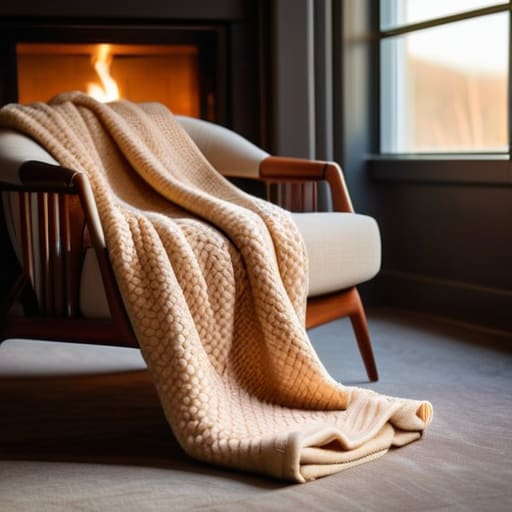
I was sitting in my workshop last Tuesday, trying to focus on a vintage plane I was restoring, when I realized my living room felt hollow. I reached for the thin, polyester rag I’d bought on a whim from a big-box retailer last winter, and it felt like grabbing a piece of plastic. It was pilled, shedding fibers everywhere, and frankly, an insult to the room. We’ve been conditioned to believe that “decor” means buying whatever colorful, cheap nonsense is trending on social media, but those flimsy things aren’t quality throw blankets—they are just future landfill. If a piece of fabric can’t stand up to a standard wash cycle without looking like a rag, it has no business being in your home.
I’m not here to talk about color palettes or “aesthetic vibes” that will be outdated by next season. My goal is to help you cut through the marketing fluff and identify materials that actually endure. I’m going to show you how to spot real wool, the difference between a weave that lasts and one that unravels, and how to spend your hard-earned money on something that stays in your family rather than the bin. Let’s find you something built to last.
Table of Contents
Beyond Soft Fleece vs Wool Choosing Materials That Endure
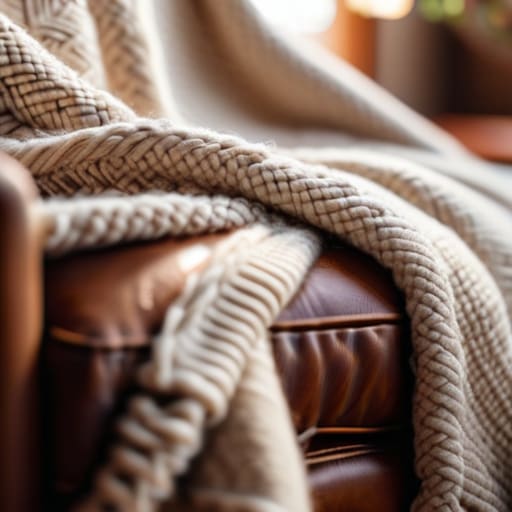
When you’re looking at the shelf, don’t let the marketing fluff fool you. Everyone wants to talk about the debate of soft fleece vs wool, but that’s only the surface. If you want something that won’t end up in a landfill by next winter, you need to look at the construction. I’ve seen too many people fall for those cheap, synthetic blends that feel soft for exactly five minutes before they start shedding or pilling. You aren’t just buying a layer of warmth; you are investing in durable fabric weaves that can withstand years of being tossed on the sofa and pulled into a nap.
If you want to move past the disposable stuff, start paying attention to the weight and the density of the fiber. High-quality materials like heavy cotton weaves or genuine merino don’t just sit on top of you; they have a structural integrity that synthetic mimics simply can’t match. It isn’t about following every one of those fleeting seasonal home decor trends that pop up on your feed. It’s about selecting a piece with enough substance to remain a staple in your home for a decade, not just a season.
The Integrity of Durable Fabric Weaves Over Cheap Fads
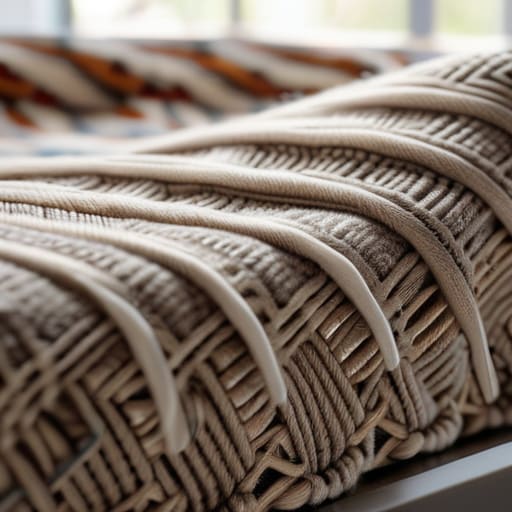
It’s easy to get distracted by those flashy, high-pile blankets you see on social media that look soft in a photo but feel like cheap synthetic sponge in your hands. Those are usually just chasing seasonal home decor trends, designed to look good for a week before the fibers start shedding or matting together. If you want something that actually holds its shape, you have to look at the construction. I’ve learned that the way a thread is interlaced matters more than how much it costs.
When you look for durable fabric weaves, you’re looking for structural integrity. A tight, well-executed weave—whether it’s a heavy cotton twill or a dense wool knit—ensures the piece won’t lose its form after a few months on the sofa. Don’t be fooled by “ultra-soft” marketing that hides a lack of substance. A blanket with a proper weave provides weight and real longevity, making it a sensible addition to your home rather than just another piece of clutter destined for the landfill.
Five Rules for Spotting a Blanket That Won't End Up in a Landfill
- Check the weight before you buy. If a blanket feels light as air in your hands, it’s likely filled with nothing but air and cheap synthetic fibers. A quality piece should have a certain heft to it; that weight is a sign of density and substance.
- Turn the thing inside out. I don’t care how soft the front feels; if the seams are loose or the stitching looks like it was done by a machine running on autopilot, put it back on the shelf. Clean, tight seams are the hallmark of a product built to last.
- Avoid the “microfiber” trap. Marketing departments love to use words like “ultra-soft” to mask the fact that they’re selling you glorified plastic. These blankets pill and lose their shape within a few months. Look for natural fibers that breathe and hold their integrity.
- Inspect the edges. A frayed or poorly finished hem is a dead giveaway of a disposable product. Look for reinforced edges or a sturdy weave that won’t unravel the moment you pull it over your legs.
- Demand transparency in the sourcing. If the brand can’t tell you where the material came from or how it was processed, they’re hiding something. I want to know that what I’m bringing into my home was made with respect for the material and the environment.
The Bottom Line on Buying Better
Stop looking at the price tag alone and start looking at the fiber content; a slightly higher upfront cost for wool or heavy cotton is cheaper than replacing a synthetic rag every season.
Inspect the weave density before you commit, because if you can see light through the fabric easily, it’s going to lose its shape and pill before the year is out.
Prioritize structural integrity over “trendy” textures that feel soft for five minutes but fall apart in the wash; aim for materials that actually get better with age.
The Cost of Cheap Comfort
“I’ve spent enough years managing supply chains to know exactly where the shortcuts are taken. When you buy a cheap, synthetic throw, you aren’t saving money; you’re just paying for something that’s destined for a landfill by next season. Buy a blanket with real substance, something that holds its shape and its warmth, and you’ll stop replacing it every twelve months.”
Hugo Steenkamp
Making the Right Call
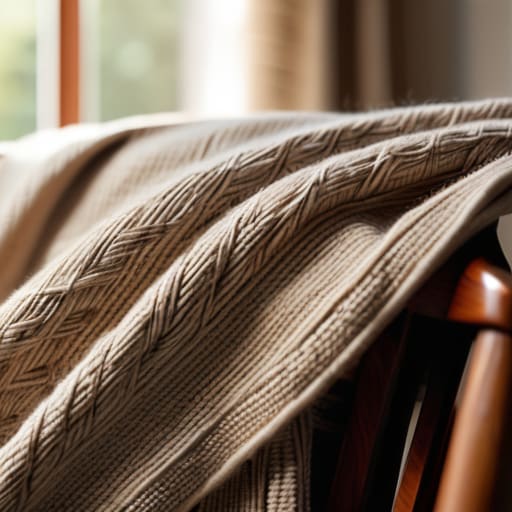
At the end of the day, selecting a quality throw blanket comes down to looking past the flashy marketing and focusing on the fundamentals. We’ve discussed why you need to prioritize natural, resilient fibers like wool or heavy cotton over those synthetic fleeces that fall apart the moment they hit the laundry. We’ve also looked at why a tight, intentional weave matters more than a trendy pattern that will look dated by next season. If you take the time to inspect the weight of the fabric and the strength of the construction, you won’t find yourself replacing a flimsy piece of junk every single year. It’s about doing the due diligence now so you aren’t wasting your hard-earned money later.
My advice is simple: stop treating your home like a showroom for disposable trends. A truly great blanket isn’t just an accessory; it’s a tool for comfort that should be passed down, not tossed in a landfill. When you choose to buy it once and buy it well, you aren’t just saving money—you’re curating a home filled with things that actually mean something. Invest in quality, demand durability, and let your home reflect a standard of excellence that lasts.
Frequently Asked Questions
How can I tell if a high-end wool blanket is actually high-quality or just overpriced marketing?
Don’t let a fancy label fool you. To spot the real deal, skip the marketing fluff and look at the weight and the weave. A genuine, high-quality wool blanket should have some heft to it; if it feels light as air, it’s likely thin and won’t hold heat. Check the label for “virgin wool”—you want fibers that haven’t been recycled into low-grade scrap. If the weave looks uneven or loose, walk away.
Is it worth the extra money to go with a natural fiber, or will synthetic blends hold up better in the long run?
Look, if you’re looking for a quick fix, go with the synthetic. But if you want something that won’t end up in a landfill in two years, pay the premium for natural fibers. Synthetics tend to trap heat poorly and, frankly, they pill and lose their shape once the factory finish wears off. A high-quality wool or cotton weave develops character over time. Buy the natural fiber; it’s an investment, not an expense.
What are the specific signs of a poorly constructed weave that I should look out for before I pull out my wallet?
Look for the loose ends. If you hold the fabric up to the light and see uneven gaps or “slubs” that look like mistakes rather than character, walk away. Check the edges, too; if the selvage looks frayed or the tension seems inconsistent, that weave is going to unravel after three months of use. A solid weave should feel dense and uniform under your hands, not airy and unstable. Don’t let a soft touch fool you.
