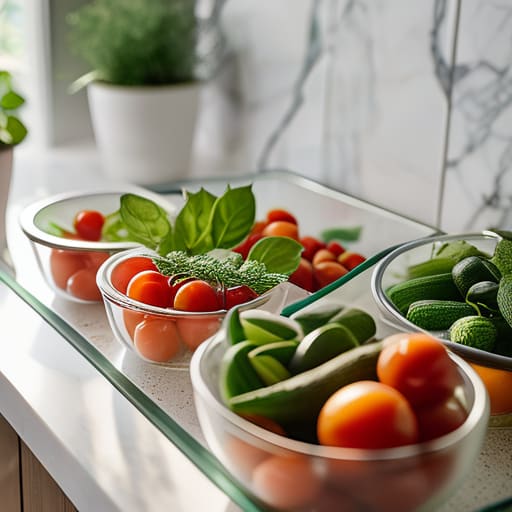
I was cleaning out my pantry the other day and found a graveyard of warped, stained, and cracked plastic tubs that I’d bought in some mindless bulk pack three years ago. It’s a ridiculous cycle: you buy a cheap set, they start smelling like old curry after two washes, and before you know it, you’re back at the store buying more. We’ve been conditioned to accept this “disposable” lifestyle, but I say it’s a total waste of hard-earned money. If you’re tired of playing the guessing game with your leftovers, it’s time to stop settling for flimsy junk and finally invest in high-quality glass food containers.
I’m not here to sell you on some fancy, over-designed gadget that costs a fortune just because it has a trendy logo. My goal is simple: I want to show you how to pick out gear that is built to last and actually serves a purpose in a functional kitchen. I’ll be sharing my straightforward, no-nonsense criteria for finding glass food containers that can handle the oven, the freezer, and the dishwasher without breaking a sweat. Let’s get it right the first time so you can buy it once and be done with it.
Table of Contents
The Unyielding Strength of Borosilicate Glass Durability
Most people don’t know the difference between standard soda-lime glass and the real deal, but after years of managing logistics, I’ve learned that material composition is everything. If you’re looking for something that won’t shatter the moment it hits a temperature change, you need to look for borosilicate glass durability. Unlike the cheap stuff that cracks when you take it from the fridge to the microwave, borosilicate handles thermal shock like a champ. It’s the difference between a product that lasts a decade and one that ends up in a landfill by next Tuesday.
I’ve seen too many people settle for flimsy plastic that stains and warps, but switching to high-quality glass is a permanent fix. Beyond the toughness, the non-toxic food storage aspect is what really matters to me. You aren’t leaching chemicals into your leftovers every time you heat them up. It’s a simple, logical upgrade for anyone tired of the “buy-break-replace” cycle. If you want a kitchen that functions properly, stop buying disposables and start investing in materials that can actually take a beating.
Non Toxic Food Storage for a Healthier Home
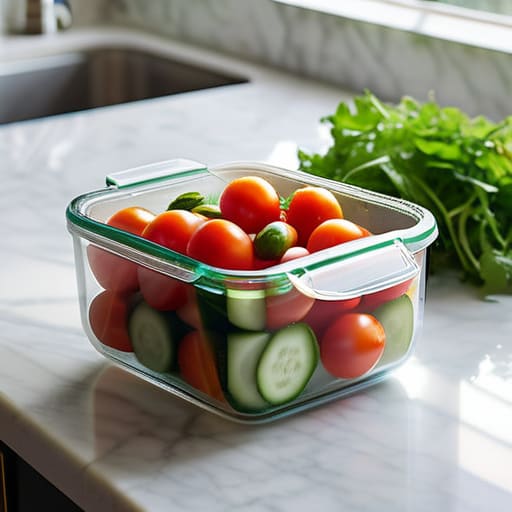
I’ve spent enough years watching people toss out stained, warped plastic bins to know that the problem isn’t just the cost—it’s what’s leaching into your dinner. When you heat up leftovers in cheap containers, you’re playing a guessing game with chemicals you can’t even see. I don’t care for games; I care about what I put in my body. Switching to non-toxic food storage isn’t some trendy wellness fad; it’s just common sense for anyone who values their health.
Using glass means you aren’t worrying about microplastics or strange odors clinging to your food. If you’re looking for reusable kitchenware benefits, the peace of mind that comes from knowing your container is chemically inert is worth every penny. Whether you are using microwave safe glass containers for a quick lunch or storing a week’s worth of soup, you deserve tools that are as clean as the food inside them. Stop settling for materials that degrade every time they touch heat and start investing in something that respects your health.
How to Choose Containers That Actually Last
- Look for borosilicate glass, not the cheap soda-lime stuff. If you want a container that can handle a sudden temperature change from the fridge to the oven without shattering, borosilicate is the only way to go.
- Check the seal before you buy. A lid is useless if it doesn’t lock tight. I look for heavy-duty silicone gaskets that are easy to pop out and clean; if the seal is flimsy, the container is junk.
- Avoid sets with too many “specialty” sizes. You don’t need a tiny container for a single grape. Stick to a few versatile, sturdy sizes that actually fit your fridge shelves and your meal prep needs.
- Inspect the lid material. If it’s plastic, make sure it’s high-quality and BPA-free, but honestly, I prefer stainless steel or bamboo lids when possible. Plastic eventually warps and stains, which is just another thing you’ll have to replace.
- Buy for stackability, not just aesthetics. A good container should nest properly when empty and stack securely when full. If they turn your pantry into a disorganized mess, they aren’t serving their purpose.
The Bottom Line on Glass Storage
Stop throwing money away on cheap plastic containers that stain, warp, and end up in a landfill every few months; glass is a one-time investment that pays for itself.
Prioritize borosilicate glass to ensure your containers can handle the transition from a cold fridge to a hot oven without shattering.
Choose glass to keep your food tasting like actual food, free from the chemical leaching and unpleasant odors that come with disposable plastic.
The Cost of Cheap Plastic
“I spent thirty years watching supply chains move mountains of cheap, disposable plastic that ends up in a landfill before the year is out. If you want to save money, stop buying the flimsy stuff that cracks the moment it hits the shelf; buy real glass once, and you won’t have to buy it again for a decade.”
Hugo Steenkamp
Making the Right Call for Your Kitchen
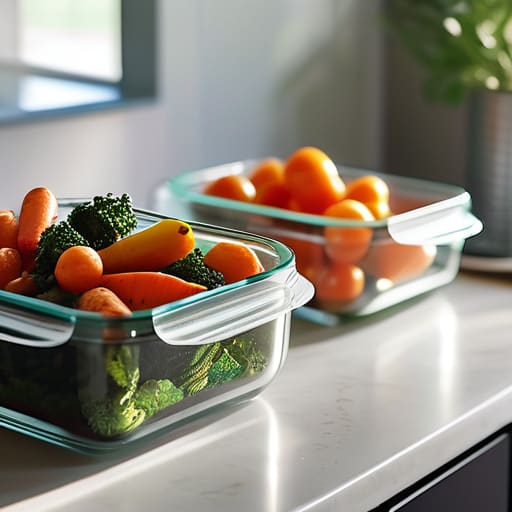
When you step back and look at the facts, the choice is pretty clear. We’ve talked about why borosilicate glass stands up to temperature shifts without cracking and why you shouldn’t be leaching chemicals from cheap plastic into your family’s meals. It isn’t just about being organized; it’s about the structural integrity of your kitchen. Switching to glass containers means you are moving away from that cycle of buying flimsy, stained, and warped plastic every few months. It is a practical decision that addresses both your health and your wallet by prioritizing long-term durability over temporary convenience.
At the end of the day, I want you to look at your cupboards and see tools, not trash. My time in logistics taught me that the most expensive item is always the one you have to buy twice. Don’t let the marketing machines convince you that you need a new set of colorful, disposable bins every time a new trend rolls around. Invest in a set of glass containers that can actually handle the rigors of a real kitchen. Buy them once, use them for years, and make it count. Your home deserves better than disposable junk.
Frequently Asked Questions
Are these glass containers actually safe to use in the microwave, or will they crack from the heat?
Look, I get the hesitation. You don’t want to invest in a good set only to have them shatter the first time you heat up some leftovers. If you’re using borosilicate glass, you’re in good shape. It’s built to handle thermal shock, meaning it won’t crack just because the temperature jumps. Just use common sense: avoid extreme temperature swings—don’t take a freezing container straight from the fridge and shove it into a hot microwave.
How do I know if the lids are built to last, or if I'll be replacing them with more plastic junk in six months?
Look, the lid is almost always where these companies cut corners to save a buck. If you see thin, flimsy plastic that feels like it’ll snap if you look at it wrong, walk away. I look for thick, heavy-duty silicone seals and lids with a sturdy locking mechanism—not that cheap snap-on stuff that loses its tension after three washes. If the lid doesn’t feel as substantial as the glass itself, it’s just more future landfill.
Can I actually put these in the dishwasher without worrying about the seals degrading or the glass clouding up?
You can, but don’t be lazy about it. The glass itself is fine—it won’t cloud up like those cheap plastic tubs that end up scratched and useless. However, the silicone seals are the weak link. To make these last a lifetime, I recommend pulling the lids off and placing them on the top rack, or better yet, hand-washing them. It takes two minutes, and it ensures those seals don’t perish prematurely.
