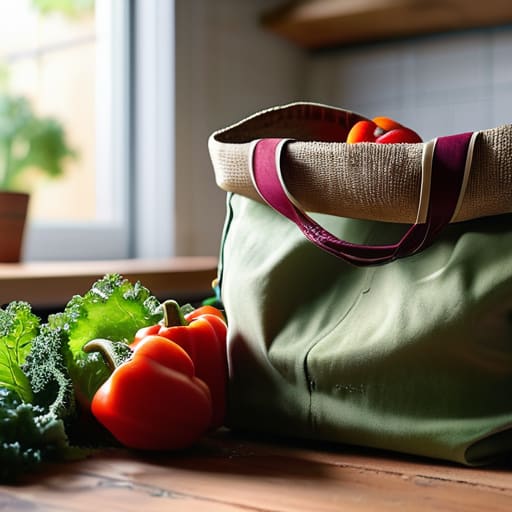
I was standing in the checkout line last Tuesday, watching a young man struggle with three different “eco-friendly” totes that looked like they were made of nothing more than recycled tissue paper. One of them gave way right there on the linoleum, spilling a carton of eggs and a jar of sauce all over the floor. It’s the same nonsense I see everywhere: people buying these flimsy, overpriced reusable grocery bags thinking they’re doing something virtuous, when in reality, they’re just buying disposable junk with a different label. If a tool isn’t built to handle a heavy load, it isn’t a tool—it’s a nuisance.
I’m not here to sell you on some trendy, colorful fabric that will fray after a month of use. My goal is to cut through the marketing fluff and show you how to select gear that actually works. I’m going to share my personal criteria for finding bags that possess the structural integrity required for a real trip to the market. We are going to focus on materials that endure and designs that make sense, so you can buy it once and buy it well.
Table of Contents
Durable Cotton Tote Bags That Defy Every Passing Trend
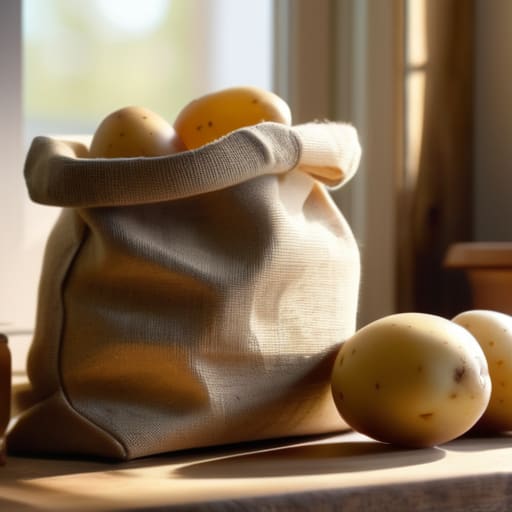
I’ve seen enough flimsy, thin-spun fabrics to last a lifetime. Most of what you see in the “eco-friendly” aisle today is nothing more than glorified paper—they tear the moment you put a heavy jar of preserves or a bag of potatoes in them. If you want to actually succeed at reducing single-use plastic waste, you have to stop buying the cheap stuff. I look for heavy-weight canvas with a tight weave. A proper cotton tote should feel substantial in your hand, not like a dishcloth.
When I’m sourcing my own gear, I look for reinforced stitching at the stress points. There is no sense in buying something that falls apart at the handles after three months of heavy lifting. These durable cotton tote bags aren’t about following a lifestyle trend; they are about utility. If the fabric isn’t thick enough to stand up on its own, leave it on the shelf. Invest in something that can handle the weight of a full weekly shop and actually lasts for years, not just a single season.
Why Reducing Single Use Plastic Waste Requires Lasting Tools
The problem with most “green” solutions is that they are just more junk designed to be thrown away. I see people buying those flimsy, thin recycled plastic bags that tear the moment you put a heavy carton of milk in them. That isn’t progress; it’s just a different way to waste money. If you are serious about reducing single-use plastic waste, you have to stop looking for a quick fix and start looking for equipment. You wouldn’t use a plastic wrench to fix a car, so why use a disposable bag to carry your groceries?
To make a real dent in the waste problem, you need gear that stands up to the daily grind. I’ve learned through years of managing logistics that efficiency comes from reliability. This means investing in eco-friendly fabric materials that can handle a heavy load without fraying at the seams. When you buy something built to last, you aren’t just being kind to the planet; you are being sensible with your hard-earned cash. Stop the cycle of buying cheap, temporary replacements and start building a kit that actually works.
Five Rules for Buying Bags That Won't End Up in a Landfill
- Check the stitching before you head to the register. If the seams look thin or loose, that bag is going to split the moment you put a heavy carton of milk in it. Look for reinforced, double-stitched handles that can actually handle a real load.
- Avoid the “novelty” trap. Don’t waste your money on bags covered in cheap, trendy graphics that will look dated by next season. Stick to solid colors and simple designs; a bag that looks good for ten years is a better investment than one that looks silly in six months.
- Prioritize material weight over everything else. A flimsy, thin fabric bag is just a single-use plastic bag in disguise because it’ll tear within a month. You want heavy-duty canvas or thick jute—something with actual substance you can feel in your hands.
- Demand recyclable or natural packaging. I won’t buy a “sustainable” bag if it arrives wrapped in three layers of non-recyclable plastic film. If the company doesn’t care about how they ship their goods, they don’t care about longevity or the environment.
- Size matters, but utility matters more. Don’t just buy a massive bag that’s a pain to carry; look for a design with a wide, flat bottom. A bag that collapses into a heap when you try to pack it is a waste of space and a headache in the checkout line.
The Bottom Line on Buying Better
Stop buying cheap, thin bags that tear the moment you put a heavy carton of milk in them; if it isn’t built to carry weight, it isn’t worth your money.
Look for materials like heavy-duty canvas or reinforced weaves that can handle years of use rather than a few months of convenience.
Real sustainability isn’t about a trend, it’s about utility—buy one solid bag that lasts a decade instead of ten flimsy ones that end up in a landfill by next Tuesday.
The Cost of Cheapness
A grocery bag shouldn’t be a disposable afterthought; it should be a piece of equipment. If you’re buying a new bag every time the plastic ones snap, you aren’t being eco-friendly—you’re just being wasteful with your hard-earned money.
Hugo Steenkamp
Making the Right Call
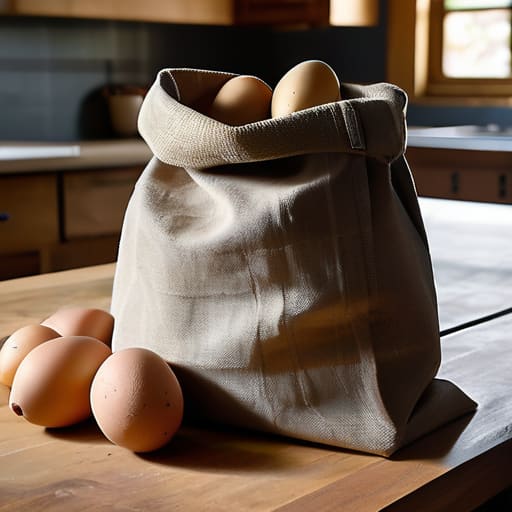
At the end of the day, choosing a reusable bag isn’t about following some eco-friendly fad you saw on a social media feed; it’s about basic common sense and good logistics. We’ve looked at why flimsy, cheap alternatives are a drain on your wallet and why investing in heavy-duty cotton or reinforced canvas is the only way to go. If a bag can’t handle a full load of canned goods or a heavy bag of potatoes without the seams splitting, it isn’t a tool—it’s just more future landfill. Stop cycling through those thin, “reusable” plastic sacks that tear the moment you hit a sharp corner of a box. Buy a bag that is built to endure, and you’ll stop the cycle of constant, mindless replacement.
My advice is simple: look for quality, look for strength, and look for materials that won’t end up in a hole in the ground in six months. We live in a world that is increasingly obsessed with the “new” and the “disposable,” but there is a profound dignity in owning things that actually work. When you choose a sturdy, well-made bag, you aren’t just helping the environment—you are reclaiming a bit of that old-fashioned standard of excellence. Don’t settle for mediocrity just because it’s convenient. Invest in utility, do it once, and do it right.
Frequently Asked Questions
How do I tell if a canvas bag is actually heavy-duty or just thin marketing fluff?
Don’t let a fancy label fool you; “heavy-duty” is often just marketing fluff. To find the real deal, look for the weight in ounces. You want canvas that’s at least 12 to 16 oz. Give it the squeeze test: if it feels limp like a t-shirt, put it back. A proper bag should have some stiffness and a tight, visible weave. If it can’t hold a heavy toolbox or a few cans of soup without sagging, it isn’t worth your money.
Are these bags easy to clean, or am I going to be stuck with a mess after carrying leaking produce?
Look, if you’re buying cotton, you have to treat it like any other piece of quality gear: maintain it. You aren’t going to just wipe a mess off a fabric bag like you would plastic. If a tomato bursts, toss the bag in the wash on a cold cycle. It’s a minor bit of upkeep, but that’s the trade-off for owning something that doesn’t feel like trash. Just don’t expect it to be magic.
Is it worth paying more for a premium bag, or am I just paying for a brand name?
Look, I don’t care about the logo on the side, but I do care about the stitch density. If you’re paying an extra ten dollars for a designer name, you’re being fleeced. But if that extra cost goes toward heavy-duty canvas, reinforced handles, and a bottom that won’t blow out under a gallon of milk, then yes, pay it. Buy for the construction, not the status. If it can’t survive a heavy load, it’s just more junk.
