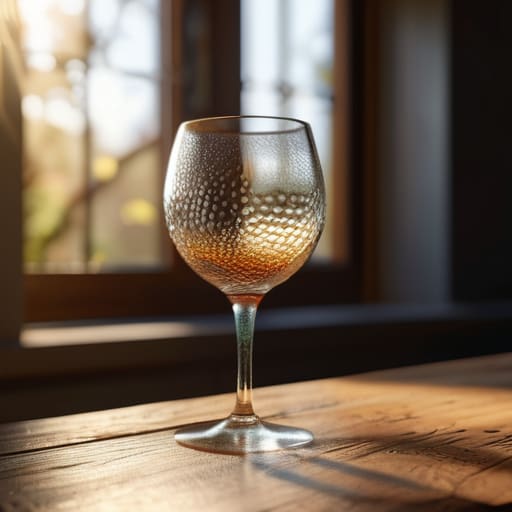
I was sitting in my workshop last Tuesday, cleaning up some shavings from a cedar project, when I thought about the last time I hosted a proper dinner. I reached for a set of those mass-produced, thin-walled tumblers I’d bought on a whim during a sale, and one of them practically shattered under the weight of a simple ice cube. It’s the same nonsense I see everywhere lately: companies selling you “designer” sets that are nothing more than fragile, overpriced junk designed to be replaced by next year’s trend. People are being sold a lie when it comes to handcrafted glassware, told that a high price tag automatically equals quality, when most of the time you’re just paying for a fancy logo and flimsy materials.
I’m not here to sell you on some lifestyle fantasy or tell you that you need a crystal collection to be happy. My goal is to cut through the marketing fluff and show you how to identify pieces that actually have some weight to them. I’ll be sharing my straightforward criteria for finding handcrafted glassware that is built to endure and serves a real purpose in your home. We’re going to focus on substance, durability, and value—the kind of things that make a purchase worth the hard-earned money you put into it.
Table of Contents
- The Enduring Beauty of Artisan Blown Glass Techniques
- Why Sustainable Glassmaking Processes Matter for Your Home
- How to Spot Real Quality Before You Open Your Wallet
- How to Spot Real Quality Before You Buy
- Stop Buying Disposable Trinkets
- Making the Right Choice for Your Home
- Frequently Asked Questions
The Enduring Beauty of Artisan Blown Glass Techniques
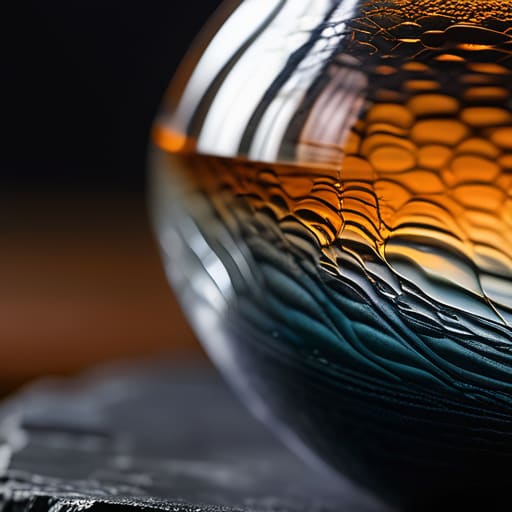
When you look closely at a piece made with true artisan blown glass techniques, you aren’t just looking at a vessel; you’re looking at the physical evidence of a master’s breath and steady hand. In my years managing logistics, I saw how much effort goes into mass-producing identical, soul-less items. But with hand-blown work, no two pieces are exactly the same. There’s a slight, intentional variation in the weight and the way the light catches the curves that you simply won’t find in a factory-molded cup.
This isn’t about vanity or following a passing trend. It’s about the inherent quality of the material and the skill required to shape it. When you hold a piece of heavy, high-quality glass, you feel the substance of it. It has a gravity that cheap, thin alternatives lack. Investing in these methods means you are supporting sustainable glassmaking processes that prioritize craftsmanship over sheer volume. It’s a sensible way to build a collection that doesn’t just sit in a cupboard, but actually improves with age.
Why Sustainable Glassmaking Processes Matter for Your Home
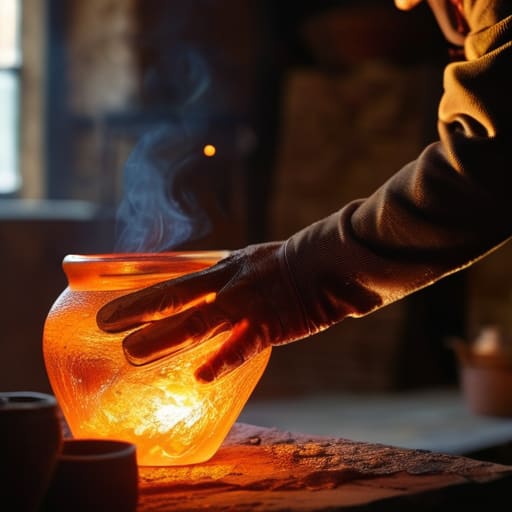
I’ve spent enough years in logistics to know that “cheap” always carries a hidden cost, usually paid by the environment or your wallet when the item inevitably ends up in a landfill. When we talk about sustainable glassmaking processes, we aren’t just talking about being environmentally conscious—though that is vital—we are talking about the integrity of the production itself. Mass-produced glass relies on high-speed, high-waste machinery that prioritizes volume over substance. In contrast, choosing pieces made through ethical, small-scale methods ensures that energy isn’t being squandered on junk that lacks structural integrity.
If you are looking for bespoke glassware for hosting, you should demand more than just a pretty face. A piece that is made with care and respect for its raw materials will almost always possess a superior weight and clarity. It is a simple matter of efficiency: why produce ten thousand fragile, poorly made items when you can produce one hundred pieces that are built to endure? Investing in quality is the only way to break the cycle of waste. It’s about buying something that respects the earth and actually stays on your table for decades.
How to Spot Real Quality Before You Open Your Wallet
- Check the weight and balance first. If a glass feels feather-light and flimsy in your hand, it’s probably mass-produced junk. Real, handcrafted pieces have a certain heft and substance that tells you they aren’t going to shatter the first time they hit the dishwasher.
- Look for the subtle imperfections. I’m not talking about cracks or chips—that’s just bad manufacturing. I’m talking about the slight variations in shape or tiny air bubbles that prove a human being actually sat at a furnace and shaped that piece. If every single glass in the set looks like a perfect plastic clone, walk away.
- Inspect the rim for smoothness. A lot of cheap glassware has a rough, uneven edge that feels unpleasant on your lips. A quality artisan piece will have a rim that’s been carefully finished, providing a smooth, intentional experience every time you take a sip.
- Demand transparency on the materials. Don’t settle for “glass-like” materials or mystery blends. You want to know it’s high-quality silica and that the manufacturing process didn’t involve cutting corners with toxic additives just to save a few cents on the production line.
- Prioritize timeless design over “trendy” shapes. I see all sorts of ridiculous, over-designed glassware every season that looks great for a month and then feels dated. Stick to classic silhouettes that will look just as good on your table ten years from now as they do today.
How to Spot Real Quality Before You Buy
Look for weight and balance; if a glass feels flimsy or hollow in your hand, it’s likely mass-produced junk that won’t survive a real dinner party.
Prioritize craftsmanship over patterns; a subtle, hand-blown ripple tells you more about a piece’s longevity than any printed design ever could.
Demand durability and sustainability; buy pieces that are built to be washed and used for decades, not items wrapped in layers of non-recyclable plastic.
Stop Buying Disposable Trinkets
I’ve spent enough years managing supply chains to know exactly how much money people throw away on mass-produced, thin-walled glass that cracks the moment it hits a dishwasher. If you’re going to set a table, do it with pieces that have some weight to them—glassware that was actually shaped by a human hand and built to survive a lifetime of Sunday dinners.
Hugo Steenkamp
Making the Right Choice for Your Home
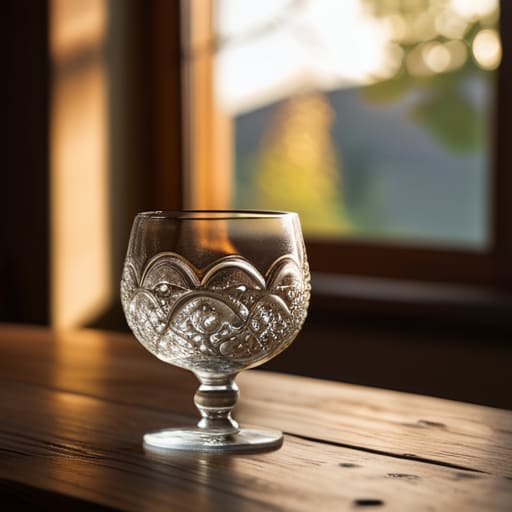
At the end of the day, choosing handcrafted glassware isn’t about following some passing interior design trend you saw on a social media feed. It is about recognizing the difference between mass-produced, fragile junk and pieces that possess actual substance. We’ve discussed how the artistry of traditional blowing techniques creates a unique character that machines simply cannot replicate, and why supporting sustainable, responsible manufacturing is the only way to ensure we aren’t just adding to a landfill. When you opt for artisan glass, you are investing in durability and craftsmanship rather than just another disposable item meant to be replaced by next year’s catalog.
I’ve spent my career looking at supply chains and seeing exactly how much waste is generated by the “buy cheap, buy often” mentality. It’s a losing game for your wallet and a losing game for the planet. My advice is simple: stop settling for the mediocre. When you bring a piece of handcrafted glass into your home, let it be something that feels substantial in your hand and carries a story worth telling. Buy it once, buy it well, and let it serve you for decades to come. That is how you build a home that actually matters.
Frequently Asked Questions
How do I know if this glass is actually handcrafted or just mass-produced and passed off as artisan?
Look, don’t let a fancy label fool you. If every piece in the set looks identical down to the millimeter, it’s coming off a machine line, not a workbench. Real handcrafted glass has character—tiny, subtle variations in thickness or slight ripples in the shape. Pick it up. You should feel a certain weight and a sense of intentionality. If it feels flimsy and uniform, it’s just mass-produced junk dressed up in marketing speak.
Is it practical to use high-end blown glass for everyday meals, or is it too fragile for real life?
Look, I get the hesitation. You see something beautiful and think, “I’ll be too afraid to actually use this.” But here’s the truth: quality glass isn’t delicate; it’s substantial. If it’s truly artisan-made, it has a weight and a structural integrity that cheap, mass-produced junk lacks. It’s not meant to sit in a velvet box. Use it. Just treat it with the respect a good tool deserves, and it’ll serve you for decades.
What should I look for to ensure the packaging isn't just more plastic waste I'll have to deal with?
Look for brands that use corrugated cardboard or molded pulp rather than those thick, suffocating sheets of Styrofoam. If a company is serious about quality, they’ll protect the glass with compostable paper wraps or recycled honeycomb padding. I always check the fine print for “FSC-certified” labels. If you open a box and find a mountain of single-use plastic film, put it back. A good product shouldn’t come with a side of environmental guilt.
