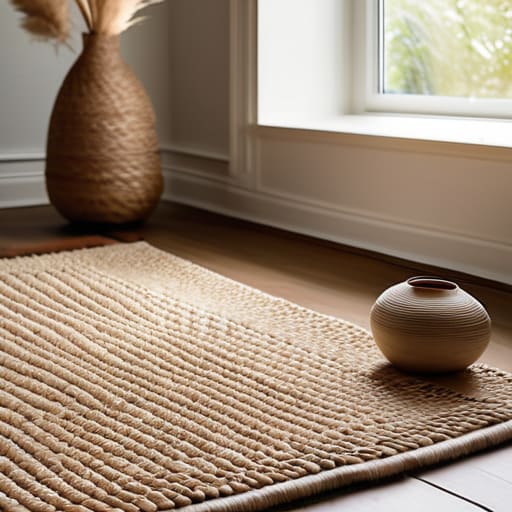
I was cleaning out my workshop last weekend when I stumbled upon a piece of synthetic, machine-made rug remnant from my old office. The moment I touched it, I felt that familiar irritation—it felt like plastic, smelled like chemicals, and was destined for a landfill within two years. It’s the same nonsense I see everywhere online today: people spending hundreds of dollars on “designer” rugs made of cheap, petroleum-based fibers that look decent for a month before they start shedding or flattening out. If you want something that actually feels like it belongs in a home, you need to stop looking at the trends and start looking at natural fiber rugs.
I’m not here to sell you on some interior design fantasy or a lifestyle you can’t afford. My goal is to give you the straight truth about what makes a material worth your hard-earned money. I’ll walk you through the durability, the maintenance, and the real-world cost of investing in quality natural fiber rugs so you can buy it once and buy it well. No fluff, no marketing jargon—just the facts you need to build a home that lasts.
Table of Contents
Sisal vs Jute Durability Choosing What Truly Endures
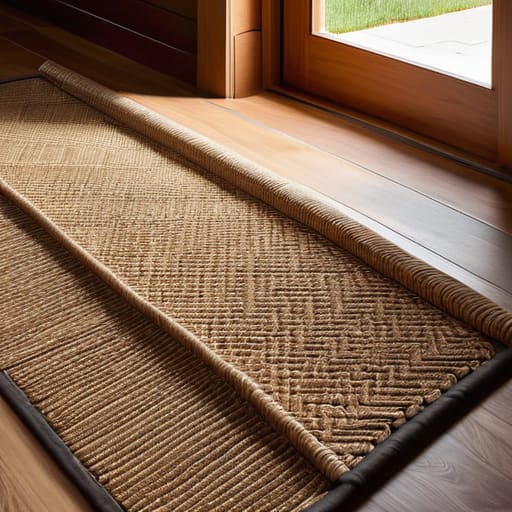
When you’re looking at the debate of sisal vs jute durability, you have to decide what kind ofใช้งาน you’re actually planning for. I’ve spent enough time in logistics to know that material properties matter more than a pretty picture in a catalog. Sisal is the heavy lifter here. It’s a tough, coarse fiber that can handle high-traffic hallways or a busy mudroom without losing its structural integrity. If you want something that won’t fray the moment a guest walks across it, sisal is your best bet. It’s built for utility.
Jute, on the other hand, is a different animal entirely. It’s much softer and easier on the bare feet, which makes it great for a bedroom or a quiet reading nook. However, don’t mistake softness for strength. Jute is more delicate and can struggle under heavy foot traffic or moisture. If you’re aiming for sustainable interior design trends that actually hold up, you need to match the fiber to the room. Don’t buy a soft jute piece for a high-traffic entryway just because it looks good; you’ll be replacing it in twelve months, and that’s just a waste of good money.
Organic Cotton Rug Benefits for a Purposeful Home
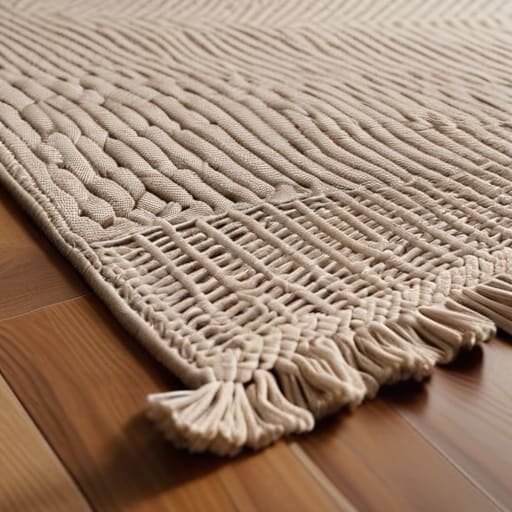
Now, if you aren’t looking for the heavy-duty toughness of sisal or the softness of jute, you should look toward organic cotton. I’ve seen too many people buy those cheap, synthetic rugs from big-box stores that shed plastic fibers every time you walk on them. Not only is that a waste of money, but it’s also bad for the air you breathe. One of the primary organic cotton rug benefits is that you’re bringing something into your house that is actually breathable and gentle.
Because these are handwoven plant-based textiles, they offer a level of comfort that a stiff, industrial weave just can’t match. I prefer using them in bedrooms or living areas where you actually want to feel something underfoot. Most importantly, these are biodegradable floor coverings. When you eventually retire a rug after a decade of use, it won’t sit in a landfill for five hundred years like a polyester mess. If you want a home that feels intentional and respects the materials it’s built from, cotton is a sensible, long-term choice.
Five Rules for Buying a Rug That Won't End Up in a Landfill
- Check the backing before you buy. If it’s held together by cheap, synthetic glue that smells like a chemical factory, walk away. You want a rug with a tight, consistent weave that won’t unravel the moment you move a chair over it.
- Know your traffic patterns. Don’t be foolish and put a delicate jute rug in a high-traffic hallway where it’ll be shredded in six months. Use sisal for the heavy lifting and save the softer fibers for the guest room or bedroom.
- Inspect the edges. I’ve seen too many “natural” rugs where the binding is an afterthought. If the edges aren’t reinforced properly, that rug is nothing more than a ticking clock toward a trip to the scrap heap.
- Test the shedding. A little bit of natural fiber loosening is expected, but if it’s shedding like a molting animal, the quality is substandard. A well-made rug settles in; a poorly made one just falls apart.
- Demand transparency on sourcing. If a company can’t tell you where the fiber came from or how it was processed, they’re likely cutting corners on quality to pad their margins. I only buy from folks who take pride in their supply chain.
The Bottom Line on Natural Fibers
Stop looking at the price tag alone; a cheap synthetic rug is a recurring expense, whereas a quality natural fiber piece is a one-time investment that pays for itself over the years.
Match the material to the room’s demands—use tough sisal for high-traffic hallways and softer jute or cotton for areas where you actually want to walk comfortably.
Always check the construction and the packaging; if a company can’t be bothered to use sustainable materials or build a sturdy weave, they aren’t worth your hard-earned money.
The Cost of Cheap Fibers
“Most people see a low price tag on a synthetic rug and think they’ve found a bargain, but they’re really just paying for future landfill. If you want a floor covering that actually holds its ground and ages with grace, you buy natural fibers—you buy it once, and you buy it right.”
Hugo Steenkamp
Making the Right Investment
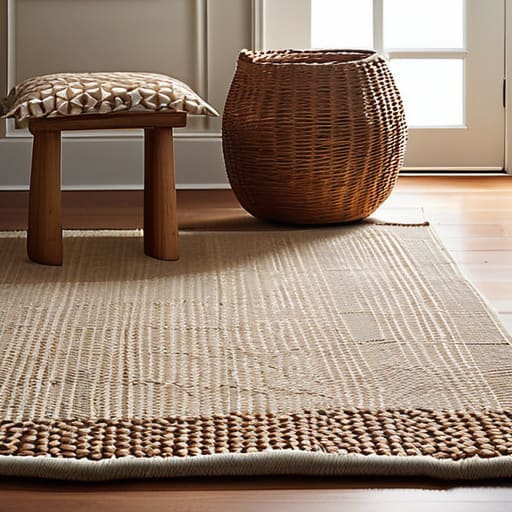
At the end of the day, choosing a rug shouldn’t be about following a color trend you’ll be sick of by next Christmas. We’ve looked at the grit and resilience of sisal, the softer versatility of jute, and the honest comfort of organic cotton. Each of these options serves a specific purpose in a well-ordered home, provided you choose the right material for the right room. My advice is simple: stop looking for the cheapest price tag and start looking at the composition of the fibers. If you prioritize quality over a bargain, you won’t find yourself hauling a piece of synthetic trash to the landfill in eighteen months. Buy for longevity, not for the momentary thrill of a discount.
A home is built one decision at a time, and the things you bring into it should reflect a sense of permanence. When you opt for natural fibers, you aren’t just decorating a floor; you are choosing to surround yourself with materials that have a history and a future. It is about moving away from the disposable culture that treats everything like it’s meant to be thrown away. Invest in things that age with grace. When you buy well, you save money, you reduce waste, and you create a space that actually feels solid. Do it right the first time, and you won’t have to do it again.
Frequently Asked Questions
How do I clean these rugs without ruining the fibers or using harsh chemicals that'll end up in a landfill?
Look, if you start dousing a natural rug in harsh, synthetic cleaners, you’re going to kill the fibers and end up in the landfill with a piece of junk. Keep it simple. For most spills, a bit of mild, biodegradable soap and lukewarm water is all you need. Vacuum regularly—but skip the heavy beater bar. If you treat these fibers with respect, they’ll reward you by lasting decades instead of months.
Are natural fiber rugs actually practical for a high-traffic area like a hallway, or are they just for show?
Look, if you’re planning to put a delicate jute runner in a hallway where people are trekking in with muddy boots, you’re asking for trouble. For high-traffic zones, stick to sisal. It’s rugged, holds its shape, and can actually handle the friction of daily life. Don’t buy something just because it looks pretty in a catalog if it can’t stand up to the real world. Buy for utility, or don’t buy at all.
What's the real difference in longevity between a high-quality sisal rug and the cheaper, mass-produced versions I see online?
Look, it’s simple: you’re paying for the integrity of the fiber and the tightness of the weave. Those cheap, mass-produced rugs you see online are often thin, loosely braided, and use low-grade scraps that fray the moment you walk on them. A high-quality sisal rug is dense and heavy; it holds its shape and resists shedding. Don’t be fooled by a low price tag—if it isn’t substantial, it’s just more landfill in the making.
