Category: Gifts

  • Lovely Outdoor Living Gift Ideas

    Lovely Outdoor Living Gift Ideas

    I’ve spent most of my career looking at supply chains, and if there is one thing I’ve learned, it’s that most modern products are designed to fail. You see it every spring when people head to the big-box stores, buying flimsy, plastic patio sets and cheap decorations that look decent for a week but fall apart the moment a real storm rolls through. It’s a massive waste of hard-earned money. When you are looking for outdoor living gifts, you shouldn’t be searching for something that just looks good in a photo; you should be looking for something that actually stands the test of time.

    I’m tired of seeing people chase every fleeting backyard trend only to end up with a pile of landfill-bound junk by next season. In this list, I’ve narrowed it down to five specific items that offer real utility and genuine durability. I’m going to show you exactly what to look for so you can stop settling for disposable nonsense and start investing in quality that lasts. If you want to give a gift—or buy something for yourself—that will still be serving a purpose ten years from now, you’ll want to read this.

    Table of Contents

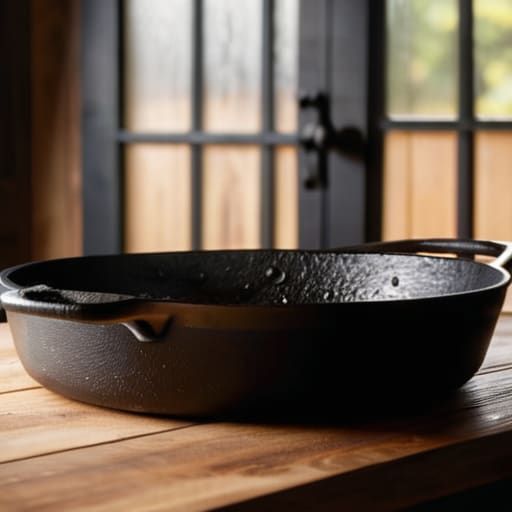
    Cast Iron Fire Pits That Won't Warp

    Durable Cast Iron Fire Pits That Won't Warp

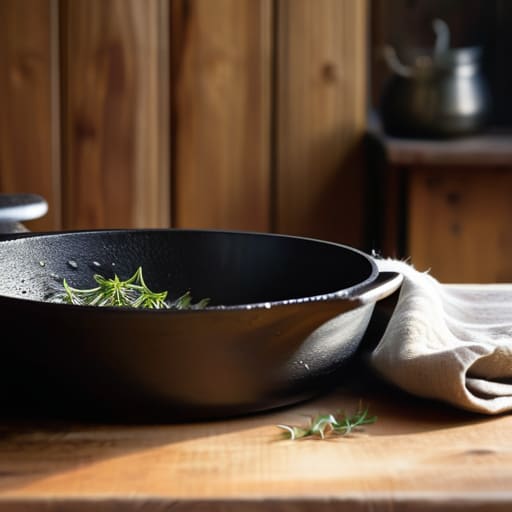
    Most of the fire pits you see in big-box stores these days are made of thin, stamped sheet metal that starts to rust and warp after just three or four uses. It’s a complete waste of money. If you want to actually sit around a fire without worrying about the center collapsing, you need to look for heavy-duty cast iron. It holds the heat properly and has the structural integrity to withstand the elements year after year.

    Solid Teak Garden Benches

    Durable Solid Teak Garden Benches.

    If you are looking to gift someone a place to sit and enjoy their garden, steer clear of the cheap plastic or resin furniture that cracks under the sun. Instead, look for furniture made from grade-A teak. It is one of the few materials that actually thrives when exposed to the weather, developing a beautiful silver patina over time rather than simply falling apart.

    High-Quality Canvas All-Weather Covers

    High-Quality Canvas All-Weather Covers for furniture.

    People often spend a fortune on beautiful outdoor furniture only to let it rot because they were too cheap to buy proper protection. A gift of heavy-duty canvas covers is perhaps the most practical thing you can give a homeowner. Forget those thin, plastic-feeling tarps that tear in a stiff breeze; you want something with a tight weave and reinforced seams.

    Forged Steel Garden Tools

    I see too many people buying those lightweight, aluminum garden tools that bend the moment they hit a bit of compacted clay. If you’re gifting something for the gardener, get them a set of forged steel implements. These tools have the heft and the strength required to actually do the work without snapping at the neck.

    Stoneware Serving Platters

    When it comes to outdoor dining, don’t bother with those flimsy melamine plates that look like cheap plastic. They feel hollow and they break if you look at them wrong. Instead, gift a set of heavy stoneware platters. Stoneware has a natural weight to it and can handle the transition from a warm kitchen to a breezy patio table without any fuss.

    The Bottom Line on Buying for the Outdoors

    Stop chasing seasonal trends and cheap plastic decor; if it isn’t built to withstand the weather, it’s just future landfill.

    Prioritize materials like solid wood, wrought iron, or heavy-duty canvas that offer actual longevity and a sense of permanence.

    View outdoor gifts as long-term investments in your living space rather than disposable trinkets that lose their charm after one season.

    The Cost of Cheap Living

    When you’re buying something for the outdoors, don’t look at the price tag first—look at the materials. If it’s made of thin plastic or flimsy alloys that’ll rust out by next summer, you aren’t buying a gift; you’re just buying future landfill. Buy something with weight, something with substance, and something that will still be sitting in your garden ten years from now.

    Hugo Steenkamp

    Making the Right Choice

    At the end of the day, choosing the right gift for an outdoor space isn’t about finding the flashiest item on a social media feed. It’s about recognizing the difference between a temporary distraction and a lasting investment. Whether you opted for heavy-duty cast iron cookware, a solid timber bench, or weather-resistant lighting, you’ve chosen items that prioritize utility over novelty. I’ve spent enough years in logistics to know that the most expensive item is always the one you have to replace twice because it was built poorly the first time. Stick to materials that age with grace and designs that don’t go out of style by next summer.

    My advice is simple: don’t let the pressure of “trends” dictate how you furnish your life or what you give to others. A well-curated outdoor area should be a place of genuine relaxation and steady reliability, not a collection of plastic junk waiting to be tossed in a landfill. When you buy something with intention and quality in mind, you aren’t just purchasing a product; you are building a sanctuary that will stand up to the elements and the test of time. Buy it once, buy it well, and let your home tell a story of quality rather than waste.

    Frequently Asked Questions

    How can I tell if a piece of outdoor furniture is actually solid wood rather than cheap veneer that will rot in two years?

    Look, don’t let a polished finish fool you. The easiest way to tell is to get close and look at the grain. If the pattern repeats perfectly every few inches, it’s a printed veneer. Real wood has character and irregularity. I also check the weight and the edges; if it feels light as a feather or the edges look like thin paper, walk away. If you can’t see the grain running through the joints, it’s junk.

    Is it worth paying the premium for cast iron decor, or will the maintenance be more trouble than it's worth?

    Look, if you’re looking for something you can just spray with a hose and forget about, stay away from cast iron. It isn’t for you. But if you want something that won’t blow over in a stiff breeze or crack after one frost, it’s worth every penny. A little oil and some proper storage goes a long way. You aren’t just buying decor; you’re buying something that will actually outlive us both.

    What are the best ways to ensure these gifts are actually built to withstand heavy rain and direct sun without falling apart?

    Look, if you want gear that survives a real storm rather than just a light drizzle, you have to check the specs. Avoid anything with “particle board” or cheap plastic in the description. Look for Grade A teak, powder-coated aluminum, or heavy-duty wrought iron. If it feels light enough to blow away in a stiff breeze, walk away. Real durability is found in the weight and the quality of the finish.

  • Professional Chef Gift Ideas

    Professional Chef Gift Ideas

    I’ve spent thirty years in logistics, so I know exactly what happens when you prioritize convenience over quality: things break, waste piles up, and you end up spending twice as much to replace it all. Most people make the mistake of scrolling through endless websites looking for flashy, useless gadgets that’ll end up in a landfill by next Christmas. If you’re searching for chef gift ideas, stop looking for the latest “viral” kitchen toy and start looking for tools that actually have some weight to them. A real cook doesn’t need more clutter; they need equipment that performs under pressure and stands the test of time.

    In this list, I’m cutting through the noise to bring you five selections that actually matter. I’ve stripped away the gimmicks to focus on items that offer real utility and a lifetime of service. You’ll learn exactly what to look for to ensure your gift isn’t just another piece of disposable junk, but a sturdy investment in their craft. If you want to give something that will still be sitting on their counter twenty years from now, you’re in the right place.

    Table of Contents

    A Carbon Steel Pan That Actually Performs

    A Carbon Steel Pan That Actually Performs

    Most people head straight for the non-stick pans that end up in a landfill after six months because the coating peels off. That is a waste of money and a waste of space. If you want to give a chef something that will actually serve them for decades, get them a heavy-duty carbon steel pan. It’s a tool that evolves with the cook; the more you use it, the better it gets.

    The Only Knife They’ll Ever Need

    The Only Knife They’ll Ever Need.

    I’ve seen too many “gift sets” in big-box stores that come with twenty different blades, none of which are worth the steel they’re forged from. A real chef doesn’t need a drawer full of junk; they need one high-quality chef’s knife that feels like an extension of their own hand. Look for something with a full tang and a balanced weight.

    Solid Wood Cutting Boards

    Thick end-grain Solid Wood Cutting Boards.

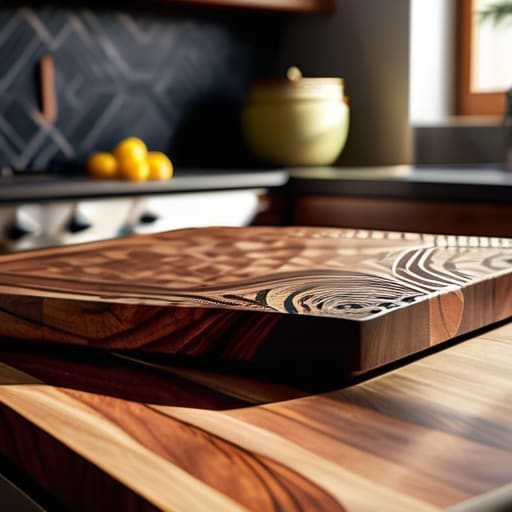
    If I see one more person using a thin, plastic cutting board that scars easily and traps bacteria, I’ll lose my mind. Plastic is a disposable solution to a permanent problem. Instead, look for a thick end-grain wood cutting board. These are the workhorses of a proper kitchen, providing a stable surface that won’t dull a knife prematurely.

    Professional Grade Bench Scrapers

    This might seem like a small thing, but a heavy-duty stainless steel bench scraper is one of those tools that separates the amateurs from the professionals. I spent years watching logistics crews move materials efficiently, and the same principle applies to a kitchen. You need tools that simplify the workflow and reduce unnecessary mess.

    Cast Iron Dutch Ovens

    When it comes to slow cooking or braising, there is no substitute for the thermal mass of a real cast iron Dutch oven. These aren’t the lightweight, enamel-coated trinkets you see in lifestyle magazines. I’m talking about the heavyweight, reliable vessels that can go from a stovetop to a hot oven without breaking a sweat.

    The Bottom Line on Buying for the Kitchen

    Stop looking at the flashy, plastic-wrapped gadgets on social media; if it doesn’t have weight and a simple design, it’s probably junk.

    Focus on materials like carbon steel, cast iron, or high-grade wood that can be repaired or seasoned rather than thrown in a landfill when they fail.

    A good gift should be an investment in their craft, something they’ll still be using ten years from now, not a novelty item that ends up in the bin by next Christmas.

    The Real Value of a Gift

    If you’re going to buy a gift for someone who actually spends time in the kitchen, stop looking at those flashy, plastic-wrapped gadgets that promise to peel an apple in five seconds. A chef doesn’t need more clutter; they need tools with weight, balance, and the ability to be sharpened a hundred times over. Give them something that earns its place on the counter and stays there for decades.

    Hugo Steenkamp

    Making the Right Choice

    At the end of the day, gifting a chef isn’t about finding the flashiest gadget or the most expensive box on the shelf. It’s about recognizing that a real cook values tools that perform consistently under pressure. Whether you decided to go with a high-carbon steel knife, a heavy-duty cast iron skillet, or a solid wood cutting board, you are choosing items that prioritize substance over style. Avoid the temptation to buy those plastic, battery-operated nonsense tools that end up in a landfill by next Christmas. Focus on the weight, the material, and the build quality; if it feels flimsy in your hand now, it won’t survive a week in a professional kitchen.

    My advice is simple: stop chasing the latest kitchen trends and start investing in tools that endure. A kitchen should be a place of precision and reliability, not a graveyard for broken gadgets. When you give a gift that is built to last, you aren’t just giving an object; you are giving a piece of equipment that will become a part of their daily ritual for years to come. Buy it once, buy it well, and you’ll know you’ve given something truly meaningful. It’s better to give one exceptional item than a dozen pieces of disposable junk.

    Frequently Asked Questions

    How can I tell if a high-end knife is actually built to last or if it's just fancy marketing?

    Look at the construction, not the box. First, check the balance; a good knife should feel like an extension of your hand, not a heavy, awkward club. Second, look for a full tang—that means the steel runs all the way through the handle. If it’s just glued on, it’s junk. Finally, feel the edge. It should be smooth, not jagged. If they’re spending more on gold-leaf packaging than on high-carbon steel, walk away.

    Is it worth spending more on professional-grade cookware, or will a standard set do the job?

    Look, if you’re just boiling pasta or making toast, a standard set is fine. But if you actually care about the craft, spend the extra money. Most “standard” sets are thin, cheap alloys that warp the moment they hit high heat. They’re disposable. Professional-grade gear—like heavy-gauge stainless or cast iron—is an investment in physics. It holds heat, distributes it evenly, and won’t end up in a landfill in two years. Buy it once.

    What are some practical gift ideas for a home cook who already has a well-stocked kitchen?

    If their cabinets are already overflowing with gadgets they don’t need, stop looking for “things” and start looking for quality. A cook with a full kitchen doesn’t need another plastic timer; they need a high-grade, heavy-duty Dutch oven or a professional-grade chef’s knife that won’t lose its edge in a week. Focus on consumables that vanish—like premium olive oils or aged vinegars—or one singular, indestructible tool that replaces three flimsy versions they already own.

  • Pleasant Scented Gift Ideas for Home

    Pleasant Scented Gift Ideas for Home

    Most people treat gift-giving like a logistics nightmare—they scramble at the last minute and end up buying some cheap, synthetic air freshener that smells more like a laboratory than a home. It’s a waste of money and a waste of space. When you’re looking for scented gift ideas, the temptation to grab whatever is on sale at the supermarket is high, but those products are designed to fail. They vanish within twenty minutes, leaving nothing behind but a headache and a sense of regret. If you want to give something that actually matters, you have to look for substance over flash.

    In this list, I’m cutting through the marketing noise to bring you five selections that actually hold their own. I’ve vetted these options based on one simple standard: they have to last. I won’t waste your time with fleeting trends or disposable junk; instead, I’ll show you how to find quality fragrances that linger and provide real value to the recipient. By the time you finish reading, you’ll know exactly how to choose a gift that serves a purpose and won’t end up in a landfill by next Tuesday.

    Table of Contents

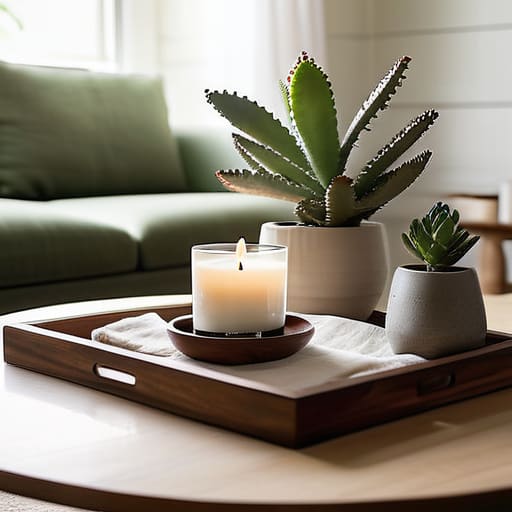
    Pure Beeswax Candles

    Natural, long-burning Pure Beeswax Candles.

    Most people walk into a department store and pick up a paraffin candle because it’s cheap and smells like a chemical factory. I won’t touch them. Paraffin is a petroleum byproduct that burns dirty and fills your lungs with unnecessary soot. If you’re going to burn something in your living room, it should be pure beeswax. It burns cleaner, longer, and has a natural, honey-like scent that doesn’t need a mountain of artificial additives to be pleasant.

    Essential Oil Diffusers in Ceramic

    High-quality essential oil diffusers in ceramic.

    I’ve seen enough flimsy plastic gadgets to last a lifetime. The market is flooded with these cheap, electronic diffusers that look like they’ll crack the moment you move them. They’re essentially disposable junk wrapped in a sleek design. If you want to scent a room using essential oils, skip the plastic and look for a heavy, high-quality ceramic or stone diffuser. These pieces have weight to them, and they actually look like they belong on a shelf.

    High-Quality Reed Diffusers

    Sturdy glass high-quality reed diffusers.

    Reed diffusers are a classic for a reason, but most of them are poorly constructed. You see them in every gift shop, often using synthetic fragrances that smell more like cleaning supplies than anything natural. If you’re going to gift one, ensure the base is made of sturdy glass or stoneware and that the reeds are high-quality rattan. You want a product that provides a steady, consistent scent without needing constant intervention.

    Hand-Poured Soy Wax Tins

    There is something to be said for the simplicity of a well-made soy candle in a metal tin. I particularly like these because they are exceptionally practical. Unlike glass jars that can shatter or become difficult to repurpose, a sturdy tin can be cleaned out and used to hold small hardware, nails, or even woodworking bits once the wax is gone. It’s the kind of zero-waste thinking I wish more manufacturers would adopt.

    Sandalwood or Cedarwood Incense

    Incense gets a bad reputation because most people buy the cheap, charcoal-heavy sticks that smell like a campfire gone wrong. If you want to gift something truly atmospheric, steer clear of the mass-market brands. Instead, look for natural wood-based incense like sandalwood or cedar. These provide a deep, grounding aroma that feels substantial and timeless, rather than the fleeting, sugary scents of modern air fresheners.

    The Bottom Line on Buying Scents

    Stop chasing the cheap, synthetic sprays that lose their smell in ten minutes; if it doesn’t have a lasting presence, it’s a waste of money.

    Prioritize natural ingredients like beeswax or soy, which offer a cleaner burn and better value over time than paraffin junk.

    Look for reusable vessels—a high-quality glass or ceramic jar is a gift that keeps giving long after the scent is gone.

    Quality Over Novelty

    A scent shouldn’t be a fleeting gimmick or a chemical cloud that disappears before you’ve even finished unwrapping it; a proper gift uses natural ingredients to create an atmosphere that lingers long after the occasion has passed.

    Hugo Steenkamp

    Quality Over Everything

    When you are selecting a scented gift, the goal shouldn’t be to just check a box on a shopping list. Whether you opted for the long-lasting burn of a beeswax candle, the natural complexity of essential oil diffusers, or a high-quality reed set, you’ve moved past the impulse to buy something cheap and disposable. Remember that a scent is more than just a smell; it is an investment in someone’s living space. By avoiding those synthetic, mass-produced sprays that vanish the moment you leave the room, you are choosing products that offer genuine value and a sense of permanence. Don’t settle for clutter that ends up in a landfill by next season; aim for items that possess substance and longevity.

    At the end of the day, my philosophy remains the same regardless of what you are buying: buy it once and buy it well. A well-chosen fragrance can transform a house into a home, providing a sense of comfort that lasts far longer than a fleeting trend. When you gift something that is built to endure, you aren’t just giving an object; you are giving a piece of quality that respects the recipient’s home and their wallet. Stop chasing the flashy, temporary gimmicks you see advertised online. Instead, focus on the functional and the timeless. If it doesn’t serve a purpose and stand the test of time, it isn’t worth the shelf space.

    Frequently Asked Questions

    How can I tell if a candle is made with real essential oils rather than those cheap, synthetic fragrances that cause headaches?

    Look, if a scent hits you like a hammer and leaves you with a throbbing headache, it’s garbage. Synthetic fragrances are just cheap chemicals masquerading as luxury. To spot the real deal, check the label for “pure essential oils.” If it just says “fragrance” or “parfum,” walk away. Real oils have a complexity to them—they shouldn’t smell like a candy factory. If the price seems too good to be true, it is.

    Is it worth paying a premium for soy or beeswax, or am I just paying for fancy marketing?

    Look, I’ve spent my career looking at supply chains and material quality, so I know a gimmick when I see one. Most cheap paraffin candles are just petroleum byproducts—they soot up your walls and smell like a chemical plant. You aren’t just paying for a label when you choose soy or beeswax; you’re paying for a cleaner burn and a scent that actually lasts. It’s an investment in your air quality, not just marketing fluff.

    What’s the best way to ensure a scent actually lasts in a room without being overpowering?

    Stop trying to drown your living room in heavy, synthetic sprays. That’s a fool’s errand that just leaves a headache. If you want a scent that lingers without being obnoxious, stick to high-quality reed diffusers or real beeswax candles. Place them in low-traffic areas or near a subtle air current—like a hallway—to let the fragrance drift naturally. It’s about a steady, low-level presence, not a sudden chemical assault.

  • Practical Apartment Living Gift Ideas

    Practical Apartment Living Gift Ideas

    Most people treat gift-giving like a chore, rushing to grab some plastic gadget or a scented candle that’ll be sitting in a landfill by next Christmas. If you’re looking for apartment living gifts, you have to realize that space is a premium commodity. When someone is living in a tight quarters, every single object they own has to earn its keep. I’ve spent my career managing logistics and supply chains, and if there is one thing I know, it’s that clutter is the enemy of a functional life. You shouldn’t be gifting someone more junk to dust; you should be gifting them utility.

    In this list, I’m cutting through the noise of the endless, flimsy options you see advertised on social media. I have selected five specific items that prioritize durability and purpose over mere aesthetics. I’m going to show you exactly what to look for so you can provide gifts that actually improve a small living space rather than just occupying it. If you want to give something that actually lasts, stick with me.

    Table of Contents

    Cast Iron Skillet for Small Kitchens

    Cast Iron Skillet for Small Kitchens

    Most people moving into an apartment think they need a massive, ten-piece non-stick set that will be peeling by next Christmas. That’s a waste of space and a waste of money. If they have one burner and a small stovetop, a single, high-quality cast iron skillet is all they truly need. It’s a tool that does everything from searing a steak to baking cornbread, and unlike those flimsy coated pans, it actually gets better with age.

    Heavyweight Cotton Throw Blankets

    Substantial Heavyweight Cotton Throw Blankets.

    You see these thin, polyester fleece blankets everywhere lately—the kind that feel like plastic and trap heat in all the wrong ways. They’re the definition of disposable goods. If you’re gifting something for a new living room, skip the synthetic fluff and look for a heavy-gauge, 100% cotton weave. It has a weight to it that feels substantial, and it won’t pill or fall apart after three trips through the washing machine.

    Solid Wood Cutting Boards

    Thick Solid Wood Cutting Boards for kitchens.

    Most apartment dwellers end up buying those thin, flexible plastic mats that get scarred by knives and harbor bacteria in the grooves. It’s a recipe for frustration. Instead, get them a thick, end-grain wood cutting board. It’s a piece of equipment that stays put on a small counter and provides a stable, reliable surface for actual cooking.

    Stainless Steel Insulated Tumblers

    I can’t stand seeing people carry around single-use plastic bottles or cheap, flimsy tumblers that lose their temperature in twenty minutes. If someone is navigating a busy city or a small apartment, they need something that keeps their coffee hot or their water cold for the long haul. A double-walled, stainless steel tumbler is the only logical choice here.

    Glass Storage Containers with Silicone Seals

    Plastic Tupperware is a logistical nightmare; the lids go missing, the containers stain, and they eventually crack. For an apartment dweller trying to organize a cramped pantry or a tiny fridge, borosilicate glass containers are a far superior option. They are clear, so you actually know what you have, and they don’t retain the smell of last week’s chili.

    The Bottom Line on Gifting for Small Spaces

    Stop buying clutter; if a gift doesn’t serve a functional purpose or offer genuine utility, it’s just more junk for them to trip over in a small apartment.

    Prioritize durability over aesthetics; a well-made tool or a solid kitchen item will outlast any trendy, plastic gadget that’s destined for a landfill in six months.

    Think about the footprint—choose items that are built to last and, ideally, come in packaging that won’t end up sitting in their tiny trash bin for a week.

    The Philosophy of a Small Space

    When you’re living in a tight space, every square inch is precious real estate; don’t waste it on clutter that’s destined for the bin, but invest in pieces that bring utility and character to the room.

    Hugo Steenkamp

    Making the Right Choice

    When you’re shopping for someone navigating the tight quarters of an apartment, the goal shouldn’t be to add to the clutter. Whether it was a high-quality kitchen tool, a durable textile, or a piece of functional decor, the items we discussed share one common thread: they are built to last. I’ve spent enough time in logistics to know that the most expensive item isn’t always the best value; rather, the true value lies in an object’s ability to serve its purpose day after day without needing a replacement. Avoid the impulse to buy something just because it looks clever on a social media feed. Instead, focus on gifts that offer substance and utility in a limited space.

    At the end of the day, a home is more than just a collection of square footage; it is a sanctuary built from the things we choose to surround ourselves with. When you gift something meaningful, you aren’t just handing over a box; you are helping someone curate a life of quality over quantity. Don’t let them fall into the trap of the disposable culture that treats everything like it’s meant to be thrown away by next season. Help them build a space that feels intentional and sturdy. Remember, it is always better to buy it once and buy it well.

    Frequently Asked Questions

    How do I find quality gifts that won't just take up precious counter space in a small kitchen?

    Look for versatility and scale. In a small kitchen, every square inch is prime real estate, so if a gift doesn’t earn its keep, it’s just clutter. Avoid those oversized, single-use gadgets that gather dust. Instead, aim for high-quality essentials—a heavy-duty chef’s knife or a solid cast-iron skillet. If it can handle multiple tasks and is built to last a lifetime, it’s an investment, not just another piece of junk taking up space.

    Are there any reliable brands for compact home goods that actually use sustainable packaging?

    Look, I’ve spent enough time in logistics to know that “eco-friendly” is often just marketing fluff. If you want the real deal, look toward brands like Muji or Public Goods. They specialize in compact, functional essentials and generally avoid the unnecessary plastic madness. They focus on simplicity—both in the product and the box. Just do your homework: if the packaging isn’t recyclable or compostable, it isn’t sustainable. Period.

    What's the best way to gift something functional without it looking like a cheap space-saver gadget?

    The trick is to look for craftsmanship, not cleverness. If a product’s main selling point is that it “folds” or “stacks” in a way that feels gimmicky, walk away. You want items that serve a purpose through quality materials—think heavy-duty cast iron, solid wood, or thick linen. A well-made tool or a sturdy kitchen staple doesn’t need to be “small” to be functional; it just needs to be built to last.

  • Thoughtful Minimalist Gift Ideas

    Thoughtful Minimalist Gift Ideas

    Every year, I watch the same cycle repeat: people rush out to buy mountains of cheap, plastic trinkets that end up in a landfill before the season is even over. It’s a massive waste of hard-earned money and a clutter nightmare for anyone lucky enough to receive them. We’ve become a society obsessed with “more,” but more is often just more trouble. If you want to actually show someone you care, you need to stop chasing the latest disposable fad and start looking for minimalist gifts that actually serve a purpose. A gift shouldn’t just take up space on a shelf; it should earn its keep in a household.

    In this list, I’ve narrowed down five specific items that pass my personal test for durability and utility. I’m not interested in anything flashy or temporary; I’m looking for the stuff that stays in the family for years. I’ll show you exactly what to look for so you can stop overthinking the holidays and start investing in quality. These aren’t just ideas; they are sensible choices that prioritize substance over style. Follow these guidelines, and you’ll give something that truly lasts.

    Table of Contents

    Cast Iron Skillet

    Heavy-duty cast iron skillet for cooking.

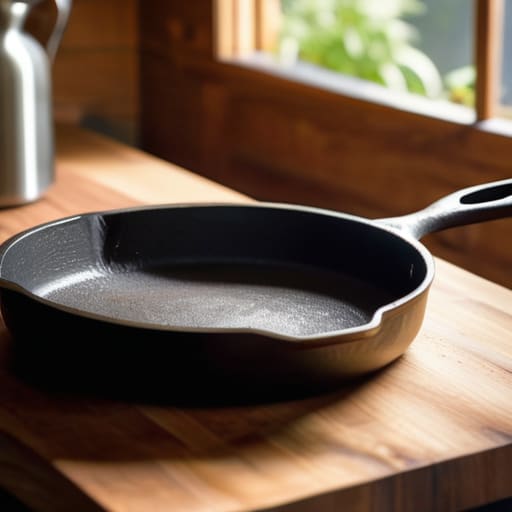
    Most people today are content buying a thin, non-stick pan that will peel and flake within a year. It’s a waste of money and a waste of space in the kitchen. If you want to give a gift that actually means something, get them a heavy-duty cast iron skillet. It’s a tool that doesn’t rely on chemical coatings to do its job; it relies on quality material and proper care.

    Solid Wood Cutting Board

    Thick end-grain Solid Wood Cutting Board.

    I see way too many plastic cutting boards being sold in big-box stores. They scratch easily, they harbor bacteria, and they look utterly cheap on a countertop. If you’re looking for a gift that fits a minimalist lifestyle, look toward a thick, end-grain wooden cutting board. It’s a piece of functional art that actually stands up to heavy use.

    High-Quality Linen Bedding

    Soft, high-quality linen bedding set.

    We spend a third of our lives in bed, yet people insist on buying cheap, synthetic sheets that feel like plastic and pill after three washes. That’s just bad logistics applied to personal comfort. Instead, consider a set of pure linen sheets. Linen is a natural fiber that is incredibly durable and actually becomes softer the more you use it.

    A Precision Chef's Knife

    A kitchen full of specialized gadgets is a sign of a cluttered mind. Most people don’t need a garlic press, a strawberry huller, and a specialized egg slicer; they just need one exceptional knife. A single, high-carbon steel chef’s knife can handle almost any task thrown at it if it’s built with proper craftsmanship.

    Heavyweight Cotton Throws

    I’m tired of seeing those lightweight, synthetic fleece blankets that look nice on a screen but feel like nothing in your hands. They’re designed to be disposable. If you want to give something meaningful, find a heavy-weight, 100% cotton weave throw. It has a weight and a texture to it that tells you immediately it was made to last.

    The Bottom Line on Buying Better

    Stop chasing cheap novelty items that will end up in a landfill by next season; if it doesn’t have a clear purpose, don’t buy it.

    Prioritize build quality and materials over clever packaging or trendy aesthetics to ensure the gift actually lasts.

    True minimalism isn’t about owning nothing, it’s about owning things that work well and serve a real function in a person’s daily life.

    On the Value of a Gift

    A gift shouldn’t be a burden of clutter that someone has to find a place for; it should be a tool, a utility, or a piece of quality that earns its spot in a home by simply being useful.

    Hugo Steenkamp

    Making the Choice to Buy Better

    At the end of the day, choosing a minimalist gift isn’t about being stingy or giving less; it’s about giving better. Whether you opted for a high-quality kitchen tool that will survive a decade of heavy use, or a simple, durable piece of stationery, you’ve avoided the trap of adding to the world’s landfill. We’ve looked at items that prioritize utility over flash and longevity over novelty. By focusing on these five categories, you are ensuring that your gesture doesn’t just sit in a drawer gathering dust, but actually becomes a useful staple in their daily routine.

    I spent thirty years watching logistics chains move millions of pieces of junk across the ocean, most of which ended up in a scrap heap before the year was out. It’s a waste of resources and a waste of your hard-earned money. My advice is simple: stop following the noise of every new gadget or seasonal fad. When you give something that is built to last, you are giving a gift that carries weight and respect. Aim to buy it once and buy it well. That is how you build a home, and that is how you show someone you truly value them.

    Frequently Asked Questions

    How can I tell if a "minimalist" product is actually built to last or if it's just another piece of cheap junk in a plain box?

    Don’t let a clean, white box fool you. “Minimalist” is often just a marketing term for “we stripped out the quality to save a buck.” To find the real deal, look at the weight and the joints. If it’s wood, check for solid construction rather than veneer. If it’s metal, it should feel substantial, not hollow. If the description is all vague “aesthetic” buzzwords and no technical specs, walk away. Real quality doesn’t need a fancy label.

    Is it better to buy one high-quality item or a few smaller, useful things that won't clutter up the house?

    Look, if you’re asking me, the answer is simple: buy the one high-quality item. I spent thirty years in logistics; I know exactly how much waste is created by a dozen cheap, mediocre gadgets that end up in a landfill within a year. One well-made tool or piece of kitchenware serves a purpose for a lifetime. A handful of small things just becomes clutter that you’ll eventually have to clear out. Buy it once, buy it well.

    How do I find meaningful gifts for people who already claim they don't want any more "stuff"?

    Look, when someone says they don’t want “stuff,” they’re usually telling you they’re tired of managing clutter. Don’t ignore them. Instead of a knick-knack that’ll sit in a drawer, look for consumables or experiences. A high-quality bottle of olive oil, a bag of decent coffee, or a gift card to a local hardware store—these things serve a purpose and then they’re gone. You aren’t adding to their inventory; you’re adding value to their day.

  • Cute Pet Lover Gift Ideas

    Cute Pet Lover Gift Ideas

    I’ve spent thirty years in logistics, so I know exactly what happens when a product is built with a “disposable” mindset. Most of what you see marketed today is nothing more than cheap, flimsy plastic designed to end up in a landfill before the season is even over. It’s particularly frustrating when you’re looking for pet lover gifts, because the market is flooded with junk that breaks the moment a dog decides to chew on it or a cat decides to scratch. I’m tired of seeing people throw money away on temporary fixes that don’t serve the animal or the owner for more than a month.

    In this list, I’m cutting through the noise to bring you five items that actually meet my standards for durability and utility. I won’t waste your time with trendy gadgets that serve no real purpose; instead, I’ve selected goods that are built to endure the test of time. You’ll learn which products offer genuine value and which ones are just clever marketing schemes meant to empty your wallet. If you want to give something that actually lasts, you’re in the right place.

    Table of Contents

    Solid Brass and Leather Collars

    Durable Solid Brass and Leather Collars.

    Most of the collars you see in big-box stores these days are made of flimsy nylon that frays the moment a dog gets a bit of mud on it. They look cheap, and frankly, they feel cheap. If you want to give a gift that actually holds up, look for a heavy-duty leather collar paired with solid brass hardware. It’s the kind of thing that develops a patina over time rather than just falling apart.

    Cast Iron Pet Feeders

    Stable Cast Iron Pet Feeders for dogs.

    I can’t tell you how many times I’ve seen those lightweight plastic bowls slide across the kitchen floor every time a dog gets excited for breakfast. It’s a nuisance, and those plastics eventually crack or leach chemicals. Instead, look for a weighted cast iron or heavy ceramic feeder. It stays exactly where you put it, providing a stable base that doesn’t budge.

    All-Natural Sisal Scratching Posts

    All-Natural Sisal Scratching Posts for cats.

    If you have a cat, you know the struggle of trying to save your furniture from certain destruction. The temptation is to buy those cheap, carpet-covered posts, but those are a waste of money. The carpet shreds within weeks, and then you’re just throwing more trash into the bin. A solid wood post wrapped in thick sisal is the only way to go.

    Canvas and Cordura Travel Bags

    People seem to think that a “pet carrier” needs to be a flimsy mesh bag that looks like a laundry basket. That’s a recipe for a broken zipper or a torn seam halfway through a trip. If you’re buying a gift for someone who travels with their dog, find them something made from high-denier Cordura or heavy canvas. These materials were designed for rugged use, not just a trip to the local park.

    Hand-Carved Wooden Treat Boxes

    We live in an era of disposable everything, where even pet treats are shoved into flimsy, single-use plastic canisters. If you want to give a gift that actually carries some weight, skip the gadgets and go for a hand-crafted wooden treat box. A simple, well-sealed box made from a decent hardwood like walnut or oak serves a purpose and looks dignified on a countertop.

    The Bottom Line on Pet Gear

    Stop falling for the flashy, brightly colored junk in big-box stores; if it’s made of flimsy plastic, it’s destined for a landfill.

    Real value is found in materials like solid wood, heavy-duty canvas, or stainless steel—things that can actually withstand a bit of wear and tear.

    When buying for a pet, remember that “cheap” is often the most expensive way to shop because you’ll end up replacing the item three times over.

    A Lesson in Longevity

    If you’re going to spend money on a gift for a pet, stop looking at the flashy, brightly colored nonsense designed to catch your eye for five seconds. Look for the craftsmanship. A gift should be an investment in their comfort and your peace of mind, not just another piece of landfill-bound plastic waiting to crack by next Tuesday.

    Hugo Steenkamp

    Quality Over Convenience

    At the end of the day, choosing a gift for a pet lover shouldn’t be about scrolling through endless pages of brightly colored plastic junk that’s destined for a landfill by next Tuesday. We’ve looked at items that actually serve a purpose—from durable bedding that won’t fall apart under a bit of pressure to well-made accessories that stand the test of time. When you invest in these kinds of pieces, you aren’t just buying a product; you are investing in durability and genuine utility. It is far better to give one single, high-quality item that lasts for years than a basket full of cheap trinkets that break before the wrapping paper is even in the bin.

    My advice is simple: stop chasing the seasonal trends and start looking for the substance underneath the marketing. Our pets are part of the family, and the things we bring into our homes should reflect that level of respect. If you buy something once and it does its job well for a decade, you’ve won. Don’t let the modern culture of “disposable everything” dictate how you care for your home or your loved ones. Buy it once, buy it well, and make it count.

    Frequently Asked Questions

    How can I tell if a pet bed is actually made of durable, high-quality materials rather than just cheap foam that will flatten in a month?

    Don’t let a fancy pattern fool you. When you’re checking a bed, skip the fluff and get hands-on. Press your weight into it; if you feel the floor immediately, that’s cheap, low-density foam that’ll be flat by next month. Look for high-density orthopedic foam or heavy-duty canvas. If the fabric feels thin or suspiciously stretchy, it won’t stand up to a week of scratching. If it doesn’t feel substantial in your hands, leave it on the shelf.

    Are there any reputable brands that offer high-end pet supplies without all that unnecessary, non-recyclable plastic packaging?

    Look, I’ve seen enough flimsy plastic wrap to last a lifetime, and frankly, it’s a joke. If you’re looking for quality without the waste, check out brands like Wild One or even some of the smaller, boutique makers on Etsy who prioritize sustainable materials. They tend to use cardboard or compostable options instead of that useless film. It costs a bit more upfront, but you’re paying for durability and a conscience, not a landfill.

    Is it worth investing more in heavy-duty chew toys for a large breed, or is that just a marketing gimmick?

    It’s not a gimmick; it’s basic physics. If you’ve got a large breed, they have the jaw pressure to turn a standard rubber toy into confetti in under ten minutes. I spent thirty years managing logistics—I know the difference between a product built for durability and one built for a quick sale. Spend the extra money on something dense and heavy-duty. You’ll save a fortune by not replacing cheap junk every single week.

  • Stylish Decor Gift Ideas for Homes

    Stylish Decor Gift Ideas for Homes

    I’ve spent thirty years in logistics, where I learned one fundamental truth: if a product isn’t built to endure, it’s just future landfill. Lately, I see people wandering into shops and throwing money at flimsy, plastic trinkets that look fine for a week but lose their luster before the season even changes. It’s a frustrating cycle of waste. When you are looking for decor gift ideas, you shouldn’t be searching for something that just fills a gap on a shelf; you should be looking for something that carries weight and substance. Most people settle for “cute,” but I think we should be aiming for quality that lasts.

    In the following list, I’ve narrowed down five specific items that actually deserve a place in a well-ordered home. I’m not interested in chasing the latest viral trends or showing off some temporary fad you saw on a smartphone screen. Instead, I’m going to show you how to select pieces that serve a purpose and offer genuine value for years to come. If you want to stop wasting money on disposable junk and start gifting things that truly matter, then pay close attention to these five selections.

    Table of Contents

    Solid Hardwood Serving Boards

    Premium Solid Hardwood Serving Boards.

    Most of the “charcuterie boards” you see in big-box stores these days are made of pressed sawdust and cheap veneers. They warp the moment they get near water, and frankly, they’re a waste of good money. If you’re looking for a gift, skip the plastic nonsense and find a solid piece of walnut or maple. A real wood board has weight to it, and you can feel the quality the moment you pick it up.

    Cast Iron Cookware

    Durable heavy-duty cast iron cookware skillet.

    I don’t care how many fancy non-stick pans are being marketed to you; they all end up peeling and being tossed in the bin within a year. If you want to give a gift that actually survives a lifetime, you go with heavy-duty cast iron. It’s simple, it’s rugged, and it performs better the more you use it. There is no substitute for the heat retention you get from a real skillet.

    Wool Throw Blankets

    Cozy 100% wool throw blankets.

    We live in a world of polyester and microfibics that feel like plastic and trap heat in all the wrong ways. When you’re buying something to keep a home cozy, don’t settle for those synthetic scraps. Look for a 100% wool throw from a reputable maker. It’s heavy, it’s breathable, and it has a texture that actually feels substantial.

    Hand-Blown Glassware

    There is a massive difference between a machine-made glass that feels thin and fragile and a piece of hand-blown glassware. The weight is different, the clarity is superior, and you can actually see the craftsman’s intent in the slight imperfections. It’s the kind of thing that makes a simple evening drink feel like a proper occasion.

    Brass Accents and Hardware

    Most modern home decor relies on “brushed nickel” or painted plastics that look dated the second the next trend rolls around. If you want to give a gift that adds character to a room, look toward solid brass. Whether it’s a small tray, a candle holder, or even a set of high-quality cabinet pulls, brass ages gracefully. It develops a patina over time that tells a story rather than just looking old.

    The Bottom Line on Buying Better

    Stop looking at the price tag alone and start looking at the build quality; if it’s made of plastic and glued together, it’s not a gift, it’s future landfill.

    Prioritize materials that age gracefully, like solid wood, stone, or heavy metal, because a gift should look better ten years from now than it does today.

    Aim for utility over trends—the best decor is the kind that actually serves a purpose in a home rather than just taking up space on a shelf.

    The Philosophy of a Good Gift

    A gift shouldn’t just occupy space on a shelf; it should earn its place. If you’re going to give someone decor, give them something with weight, something with character, and something that won’t be in a bin by next Christmas.

    Hugo Steenkamp

    Buy Once, Buy Well

    At the end of the day, choosing a decor gift shouldn’t be about scrolling through a thousand cheap options on a smartphone just to find something that looks “fine” for a week. Whether you opted for the heavy-duty ceramic pieces, the solid wood accents, or the timeless textiles we discussed, the goal remains the same: avoid the landfill. We’ve spent enough time in this world watching disposable culture turn our homes into cluttered warehouses of broken plastic and flimsy trinkets. By focusing on quality materials and functional design, you aren’t just giving a gift; you are providing something that has the structural integrity to stand the test of time.

    My advice is simple: stop chasing the dopamine hit of a bargain and start looking for value. A home is a collection of your choices, and those choices should reflect a sense of permanence and purpose. When you give a gift that is built to last, you are teaching the recipient—and yourself—to respect the things we own. Don’t settle for the fleeting trends that lose their luster by next season. Instead, aim for the enduring classics that will still be sitting on a shelf or a mantle decades from now. Invest in things that actually matter, and you’ll never have to worry about replacing them.

    Frequently Asked Questions

    How can I tell if a piece of decor is actually high-quality or just cheap material painted to look expensive?

    Look, don’t let a shiny finish fool you. I’ve seen enough cheap knock-offs in my time to know that quality is found in the weight and the joinery. Pick it up—if it feels hollow or suspiciously light, put it back. Check the underside; real materials like solid wood or stone won’t have a layer of cheap plastic veneer hiding underneath. If it’s held together by glue instead of proper fasteners, it’s junk.

    Are there certain styles of decor that are better for long-term value rather than just following a passing trend?

    Look, if you want value, steer clear of anything “ultra-modern” or hyper-specific to a current social media fad. Those styles age like milk. I always look for timelessness: natural materials like solid wood, stone, or heavy ceramics. They have weight, they have texture, and they don’t look ridiculous when the trend cycle shifts next year. If it looks like it could have sat in a well-kept home fifty years ago, it’s worth your money.

    What's the best way to choose a gift that fits someone's home without it becoming clutter they never use?

    Stop looking for “stuff” and start looking for utility. If you want to avoid clutter, you have to ask yourself one question: Does this serve a function, or is it just taking up space? The best gifts are the ones that bridge the gap between beauty and necessity—think a heavy cast-iron skillet or a solid wood serving board. If it doesn’t have a job to do in their home, don’t buy it.

  • Fragrant Candle Gift Ideas for Home

    Fragrant Candle Gift Ideas for Home

    I’ve spent thirty years in logistics, so I know a thing or two about efficiency and waste. Most people treat gift-giving like a disposable habit, grabbing whatever colorful box is sitting on the nearest supermarket shelf. They end up handing over a pile of cheap, paraffin-filled junk that smells like chemicals and burns out before the recipient even finishes the first wick. When you’re looking for genuine candle gift ideas, you shouldn’t be chasing those fleeting, brightly colored trends that look good for five minutes but offer zero substance. If you’re going to give something, it ought to have actual weight and quality behind it.

    In this list, I’m cutting through the marketing fluff to show you five specific options that actually justify their price tag. I’m not interested in anything that comes wrapped in layers of non-recyclable plastic or ends up in a landfill by next month. Instead, I’ve selected items that prioritize long-lasting burn times and sturdy, reusable vessels. You’ll learn exactly what to look for so you can stop wasting money on mediocrity and start investing in gifts that truly serve a purpose and endure.

    Table of Contents

    Pure Soy or Beeswax Tapers

    High-quality Pure Soy or Beeswax Tapers.

    Most of the candles you see in big-box stores these days are made of paraffin, which is essentially a petroleum byproduct. It burns dirty, soot-heavy, and frankly, it’s a waste of money because it disappears before you know it. If you’re looking for a gift that shows you actually care about quality, look for pure beeswax or soy tapers. They burn cleaner and much slower, which is exactly what you want when you’re trying to set a mood.

    Hand-Poured Ceramic Vessels

    Reusable Hand-Poured Ceramic Vessels.

    The biggest problem with modern candle gifting is the “disposable” mindset. You buy a pretty jar, burn the wax, and then toss the whole thing into a landfill. That’s just bad logistics and even worse stewardship. Instead, seek out candles housed in heavy-duty ceramic or stoneware vessels. These aren’t just containers; they are pieces of functional art that can be reused long after the wick has gone out.

    Wood-Wick Statement Candles

    Crackling Wood-Wick Statement Candles for sensory experience.

    If you want to give a gift that actually engages the senses, skip the standard cotton wicks. A high-quality wood wick provides a subtle, rhythmic crackle that reminds me of a small fireplace. It adds a layer of auditory texture to a room that a standard candle simply cannot match. It turns a simple scent into a genuine experience.

    Essential Oil Infusions

    We live in an era of “artificial fragrance,” which is a polite way of saying chemical soup. Most of those overly sweet, “cupcake-scented” candles are an insult to your nose and your lungs. If you are buying a gift, stick to botanical-based scents derived from real essential oils. Think cedar, sandalwood, or citrus—scents that actually exist in nature.

    The Apothecary Style Jar

    There is something to be said for simplicity. I’ve always been a fan of the classic apothecary-style amber glass jar. It’s a timeless look that doesn’t rely on flashy, colorful labels to hide poor quality. In my experience, the companies that invest in minimalist, sturdy packaging are usually the ones putting the most effort into the actual product inside.

    The Bottom Line on Buying Candles

    Stop chasing cheap, mass-produced scents that vanish after an hour; look for high-quality wax and heavy-duty vessels that serve as lasting decor.

    Always check the packaging—if it’s wrapped in layers of non-recyclable plastic, it’s not worth the shelf space in my house or yours.

    View a candle as an investment in atmosphere, not a disposable trinket; if it doesn’t burn clean and last, it’s a waste of good money.

    A Lesson in Value

    “A candle shouldn’t just be a fleeting scent that vanishes before the wick is even halfway down; it should be a solid, well-made piece of atmosphere that lingers long after the flame goes out. If you’re going to give a gift, give something that actually has the substance to last.”

    Hugo Steenkamp

    Buy Quality, Not Just a Scent

    At the end of the day, giving a candle shouldn’t be about grabbing whatever brightly colored jar is sitting on the clearance rack at the supermarket. We’ve looked at options that actually hold their weight—from heavy, hand-poured soy waxes to those sturdy ceramic vessels you can actually reuse for something useful once the wick burns down. If you follow my advice, you’ll avoid the trap of buying disposable junk that fills a room with synthetic chemicals and disappears in three burns. Focus on the weight of the glass, the purity of the wax, and a scent profile that doesn’t vanish the moment you strike a match. It’s about finding a gift that serves a purpose and lingers long after the initial novelty wears off.

    My philosophy has always been simple: if it isn’t built to last, it isn’t worth the shelf space. This applies to your tools, your furniture, and certainly to the gifts you give to the people you care about. Don’t feel pressured to keep up with every seasonal gimmick or “limited edition” trend that pops up on your social media feed. Instead, take a moment to select something substantial. When you choose a gift that is built to endure, you aren’t just giving an object; you are giving a piece of quality that respects the recipient’s home and their wallet. Buy it once, buy it well, and let the quality speak for itself.

    Frequently Asked Questions

    How can I tell if a candle is made with high-quality wax or just cheap paraffin that's going to smoke and soot up my walls?

    Look at the label first. If it just says “wax,” walk away. You want soy, beeswax, or coconut wax. Cheap paraffin is a petroleum byproduct; it burns hot, smells like chemicals, and leaves that nasty black soot on your ceiling. A quality candle should have a clean, steady flame and a scent that develops gradually, not a chemical punch to the nose. If it’s suspiciously cheap, it’s likely junk.

    Is it worth paying a premium for hand-poured candles, or am I just paying for a fancy label?

    Look, I spent thirty years looking at supply chains, and I know a markup when I see one. But there’s a difference between paying for a fancy label and paying for quality materials. Mass-produced candles are often filled with paraffin—a petroleum byproduct that soot up your walls and burns unevenly. A hand-poured soy or beeswax candle isn’t just “fancier”; it burns cleaner and longer. If it’s made well, it’s an investment, not a waste.

    What should I look for in a candle wick to ensure it burns evenly without tunneling halfway down the jar?

    Look, there’s no sense in buying a candle if half of it ends up wasted in a hollowed-out shell. To avoid that tunneling, you need to check the wick material. I always look for cotton or wooden wicks that are properly sized for the jar’s diameter. If the wick is too thin, it won’t melt the wax to the edges. A sturdy, centered wick ensures an even burn from start to finish.

  • Elegant Wine Lover Gift Ideas

    Elegant Wine Lover Gift Ideas

    I’ve spent three decades in logistics, where I learned exactly what happens when you prioritize low cost over structural integrity: things break, and money is wasted. I see the same mistake being made every time someone goes shopping for wine lover gifts. Most people head straight for those flashy, plastic-heavy gadget sets you see in every big-box store—the kind of flimsy nonsense that loses its seal or snaps in half after three uses. It’s a frustrating cycle of buying disposable junk that ends up in a landfill instead of on a dinner table.

    I’m not here to show you the latest seasonal trend or some overpriced gimmick that looks good in a social media photo but fails in the hand. Instead, I’ve narrowed down five essential items that actually hold their weight. I’m going to show you how to select pieces that are built to last, from weight to finish, so you can give a gift that becomes a permanent fixture in someone’s home. If you want to stop wasting money and start investing in quality, these are the only things worth your time.

    Table of Contents

    Heavyweight Crystal Decanters

    Premium Heavyweight Crystal Decanters for wine.

    Most of the glassware you see in big-box stores these days is thin, fragile, and frankly, insulting to a good Cabernet. If you’re going to gift something for a wine enthusiast, skip the cheap, blown-glass nonsense that shatters if you look at it wrong. You want a heavyweight crystal decanter that has some actual heft to it. When you set it down on a wooden table, it should make a statement, not a clatter.

    Solid Oak Wine Racks

    Durable Solid Oak Wine Racks.

    I see people buying these flimsy, particle-board wine racks that start to sag after three bottles. It’s a waste of money and a hazard to the very things you’re trying to protect. If someone is serious about their collection, they need a rack made from solid, seasoned hardwood. Something like oak or walnut doesn’t just look timeless; it provides the structural integrity required to hold weight over many years.

    Professional-Grade Corkscrews

    Durable, high-quality professional-grade corkscrews.

    There is nothing more frustrating than sitting down for a quiet evening only to have a cheap, zinc-alloy corkscrew snap halfway through a bottle. It’s a mechanical failure that ruins the moment. When you’re shopping for a gift, look for a high-quality waiter’s friend or a heavy-duty lever corkscrew made from stainless steel. It should feel balanced in your hand and operate with mechanical precision.

    Insulated Stainless Steel Wine Chiller

    Forget those plastic buckets filled with melting ice that leave a puddle all over your hardwood floors. If you want to keep a white wine or a rosé at the proper temperature, you need a double-walled stainless steel chiller. These vessels are built to withstand real use, and the vacuum insulation actually works to maintain a steady temperature without the mess.

    Unbreakable Tasting Glasses

    I know, I know—purists will tell you that you need the thinnest rim possible. But as someone who has managed warehouses for decades, I know that durability is a virtue. You don’t need a set of glasses so delicate that they require a specialized cleaning crew. Instead, look for high-quality, tempered glass stemware that offers clarity without the constant fear of breakage.

    The Bottom Line on Gifting for the Cellar

    Stop buying novelty gadgets that serve no real purpose; if it doesn’t help the wine taste better or preserve it longer, it’s just clutter.

    Prioritize weight and material—glass, wood, and metal are far superior to the cheap, lightweight plastics that break the moment you put them to use.

    View these purchases as long-term investments rather than temporary gestures; a quality gift should be something they are still using twenty years from now.

    On Choosing the Right Gift

    If you’re buying for a wine lover, skip the novelty gadgets and the plastic nonsense that’ll crack by next season. A real gift isn’t a gimmick; it’s a tool—something heavy, something well-made, something that feels right in your hand every time you pour a glass.

    Hugo Steenkamp

    Making the Right Choice

    At the end of the day, gifting wine accessories shouldn’t be about checking a box or finding the cheapest item on a digital shelf. Whether you decided on a heavy-duty decanter, a set of tempered crystal glasses, or a solid corkscrew that won’t snap under pressure, you’ve focused on the substance over the spectacle. I’ve seen enough cheap, plastic gadgets end up in a landfill to know that most “gift sets” are nothing more than glorified landfill fodder. By selecting tools that are built with structural integrity and purpose, you are ensuring that the recipient isn’t just getting a trinket, but a reliable companion for every bottle they open.

    My advice is simple: stop chasing the flashy, neon-wrapped nonsense that looks good for five minutes and then breaks. A real gift is something that gains character as the years pass, much like a fine Cabernet or a well-worn workbench. When you buy something that is built to endure, you are showing a level of respect for the recipient and the ritual of enjoying a good drink. Don’t settle for the disposable. Buy it once, buy it well, and give them something they will still be using long after the trend has faded into obscurity.

    Frequently Asked Questions

    How can I tell if a wine opener is actually built to last or just another piece of cheap, stamped metal that'll snap in a year?

    Look for weight and material integrity. If it feels light and hollow in your hand, it’s junk. Avoid anything made of thin, stamped tin or plastic components that look like they’ll crack under pressure. You want heavy-duty stainless steel or solid brass. Check the mechanical joints; they should move smoothly without any wobbling or play. If the screw looks flimsy, walk away. Buy a tool that feels like a piece of hardware, not a toy.

    Is it worth spending more on high-end glassware, or am I just paying for a brand name on a thin piece of glass?

    Look, I’ve spent enough time in logistics to know the difference between a premium build and a marketing markup. You aren’t just paying for a logo; you’re paying for the physics of the glass. Thin, high-quality crystal allows the wine to breathe and keeps the temperature stable, whereas cheap, heavy glass mutes the aroma and feels clunky in the hand. If you want to actually taste what’s in the bottle, buy the better glass. Buy it once.

    When buying a gift for a serious collector, how do I know if the storage solution is actually temperature-stable and functional?

    Look, don’t get blinded by fancy digital displays or touchscreens that’ll fail in two years. If you’re buying for a collector, ignore the gimmicks. You want to see thick, high-density insulation and a compressor that actually holds a steady line without cycling like a heartbeat. Check the build quality—if the door seal feels flimsy or the casing is thin plastic, walk away. A real cellar is built on stability, not flashy lights.

  • Thoughtful Reading Gift Ideas for Book Lovers

    Thoughtful Reading Gift Ideas for Book Lovers

    I’ve spent three decades in logistics, so I know exactly what happens when a supply chain is built on flimsy, substandard materials. Most of the stuff hitting the market today is designed to fail, and frankly, the gift industry is no different. I see people spending a fortune on cheap, plastic trinkets or flimsy gadgets that are marketed as reading gifts, only to have them end up in a landfill before the year is out. It’s a waste of hard-earned money and a waste of good intentions. If you’re going to give something to a person who truly loves to get lost in a book, you shouldn’t be looking for a fleeting trend; you should be looking for something with some actual weight to it.

    In this list, I’m cutting through the noise to bring you five items that actually stand the test of time. I’ve narrowed these down to things that serve a real purpose and won’t break the moment they’re used. You’ll learn how to identify quality over quantity so you can stop guessing and start investing. By the end of this, you’ll have a shortlist of gifts that are built to endure, ensuring the person you’re buying for receives something they’ll actually cherish for years.

    Table of Contents

    Hardbound Classics for the Long Haul

    Hardbound Classics for the Long Haul.

    I’ve seen enough cheap, mass-market paperbacks end up in the bin to last a lifetime. They’re flimsy, the glue fails after a year, and the covers peel off before you’ve even finished the second chapter. If you are going to give a book as a gift, stop looking at the bargain bin and find a properly bound edition. A heavy, cloth-bound classic isn’t just a book; it’s a piece of furniture for the mind that can withstand decades of handling.

    Solid Brass Bookends to Anchor the Shelf

    Solid Brass Bookends to Anchor the Shelf

    Most of the “decorative” bookends you see in big-box stores these days are made of hollow, painted plastic or thin tin that slides around the moment you touch it. They’re a joke. If you’re looking for a gift for a reader, get them something with actual heft. I’m talking about solid brass or heavy cast iron. You want something that stays exactly where you put it and provides a firm foundation for a growing library.

    A High-Quality Reading Lamp

    A High-Quality Reading Lamp with adjustable arm.

    I cannot stress this enough: stop reading in bad lighting. It’s a waste of good eyesight and a recipe for a headache. Most people settle for a cheap desk lamp that flickers or has a flimsy adjustable neck that won’t stay in place. If you want to give a gift that actually improves someone’s daily life, invest in a well-engineered reading lamp with a steady, adjustable arm and a solid base.

    Real Wood Book Trays

    We live in an era of “disposable” everything, including the little organizers people use to keep their reading nooks tidy. You’ll see plenty of particle-board trays that swell and fall apart if they ever get a drop of water on them. Skip that nonsense. Instead, look for a solid wood book tray or a small valet tray made from oak, walnut, or cherry.

    Leather-Bound Journal for Notetaking

    A reader who doesn’t keep notes is missing half the experience. But don’t go out and buy one of those spiral-bound notebooks that feels like it belongs in a middle school classroom. If you want to encourage someone to engage deeply with what they read, give them a high-grade leather journal. It should have thick, acid-free paper that won’t yellow or bleed when you write in it.

    The Bottom Line on Gifting for Readers

    Stop buying trinkets and cheap paperbacks that’ll be in a landfill by next year; if it doesn’t have weight and substance, it isn’t a gift worth giving.

    Look for items that serve a dual purpose, like a sturdy reading light or a high-quality bookmark, rather than useless clutter that just collects dust.

    Always prioritize quality over quantity—one well-made, hardbound edition is worth ten flimsy mass-market copies every single time.

    On the Value of a Proper Gift

    A gift shouldn’t just be something to unwrap and forget; if you’re buying for a reader, buy something that carries weight—something that will sit on a shelf, age gracefully, and remain a part of their home long after the novelty has worn off.

    Hugo Steenkamp

    Buy Once, Read Forever

    At the end of the day, giving a gift for a reader isn’t about finding something flashy or following whatever is trending on social media this week. It’s about recognizing that a good book deserves respect. Whether you decided on a heavy, cloth-bound classic, a solid brass bookmark that won’t bend after two uses, or a high-quality reading lamp that actually preserves the eyes, you’ve chosen something with substance. We’ve looked at how a well-made object can transform a simple hobby into a lifelong ritual. Avoid the temptation to buy those flimsy, plastic gadgets that fall apart before the first chapter is even finished; instead, focus on items that endure the test of time and repeated use.

    I’ve spent enough years in logistics to know that the most efficient way to live is to stop the cycle of constant replacement. The same applies to your home and your gifting. When you give a gift that is built to last, you aren’t just handing over an object; you are providing a piece of a legacy that might sit on a shelf for forty years. Stop chasing the cheap and the disposable. If you’re going to spend your hard-earned money, make sure it’s on something that actually matters. Buy it well, buy it once, and let the quality speak for itself.

    Frequently Asked Questions

    How can I tell if a leather-bound journal is actually high-quality or just cheap faux leather disguised with fancy marketing?

    Don’t let a shiny finish fool you. If it feels like plastic or has that chemical, synthetic smell, walk away. Real leather has a distinct, earthy scent and a natural grain that isn’t perfectly uniform—nature isn’t factory-stamped, after all. Check the edges; if they look like they’re peeling, it’s cheap junk. A quality journal should have weight to it and a texture that improves with use, not one that flakes off in a month.

    Is it worth spending more on a heavy brass bookend, or will a standard weighted one do the job just as well?

    If you’re looking for something that actually stays put, go with the heavy brass. I’ve seen plenty of “weighted” bookends made of cheap plastic or thin metal that slide across the shelf the moment you add a hardcover. A solid brass piece has the heft to hold its ground and, more importantly, it won’t chip or crack in five years. It’s a one-time purchase that serves its purpose for a lifetime.

    When buying reading lights, how do I ensure I'm not getting a piece of plastic junk that will burn out after a few weeks of use?

    Look for weight and build. If a reading light feels like a hollow toy in your hand, it’s going to break. Avoid the cheap, battery-operated plastic clip-ons you see in big-box aisles; those circuits are designed to fail. Instead, look for brushed metal housings and integrated LED components that offer adjustable color temperatures. A solid, weighted base or a high-quality gooseneck means the piece is built to stay put and last for years, not weeks.