
I’ve spent most of my life managing supply chains, so I have a natural disdain for inefficiency and, quite frankly, waste. When someone you care about falls ill, the impulse is often to rush out and grab some brightly colored, plastic-wrapped basket of junk from the nearest supermarket. But let’s be honest: most of those generic get well soon gifts are nothing more than expensive landfill fodder that provides zero actual comfort. If you’re going to spend your hard-earned money, you might as well spend it on something that actually serves a purpose and respects the recipient’s dignity.
In this list, I’m cutting through the noise of the seasonal gift aisles to bring you five selections that actually matter. I’ve narrowed these down to items that are sturdy, functional, and—most importantly—built to last. You aren’t going to find any flimsy trinkets here. Instead, I’ll show you how to choose meaningful gestures that offer genuine utility and comfort during a recovery. Follow these principles, and you’ll provide something that truly makes a difference, rather than just adding to the clutter.
Table of Contents
A Heavyweight Wool Throw

Most people reach for those thin, fleece blankets you find in the bargain bin. They’re made of synthetic fibers that trap heat poorly and start pilling after two washes. If someone is stuck in bed recovering, they don’t need a piece of disposable plastic; they need a proper wool blanket that provides actual weight and warmth.
Hardbound Journals and a Solid Pen

When you’re stuck staring at the same four walls, time tends to move in a very strange way. Instead of sending a digital gift card that disappears into an inbox, give them something tactile. A sturdy, hardbound journal provides a place to offload thoughts, track recovery progress, or simply kill time without staring at a flickering screen.
Cast Iron Cookware for Easy Meals
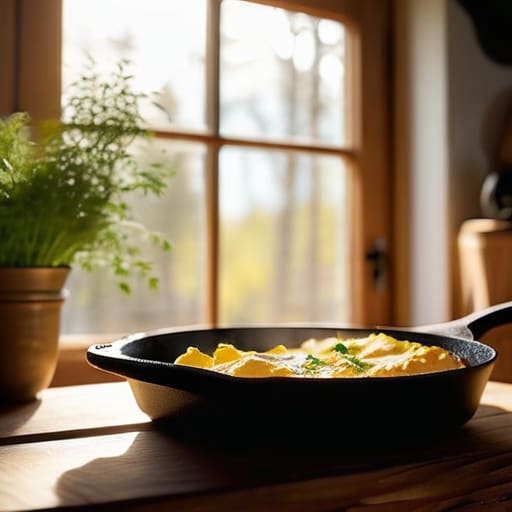
If the person you’re visiting is recovering at home, they likely aren’t in the mood for complex meal prep. A well-seasoned cast iron skillet is one of the most practical things you can provide. It’s nearly indestructible, and it makes even the simplest meal—like a piece of toast or a basic omelet—feel substantial.
High-Quality Loose Leaf Tea
Skip the pre-packaged tea bags that are mostly dust and artificial flavoring. If you want to show you care, find a reputable supplier and get some real loose leaf tea. It requires a bit more effort to brew, but the quality of the flavor and the ritual of making a cup can be incredibly grounding when you’re feeling under the weather.
A Solid Wood Serving Board
Often, when people are recovering, they struggle with the logistics of eating small, frequent snacks or light meals. A thick, end-grain wood board is a practical solution for serving fruit, cheese, or crackers. It’s much more stable and pleasant to use than a cheap plastic tray that will warp the moment it touches heat.
The Bottom Line on Thoughtful Giving
Stop wasting money on “get well” baskets filled with cellophane-wrapped junk and processed sugar; if it’s going to be thrown in the bin by tomorrow, it isn’t a gift.
Prioritize utility and comfort by choosing items that serve a genuine purpose during recovery, rather than something that just sits on a shelf collecting dust.
Aim for quality over quantity—one sturdy, well-made item that provides real solace is worth more than a dozen cheap trinkets that end up in a landfill.
## On the Value of a Real Gesture
When someone is sidelined by illness, don’t waste your time—or theirs—on a bouquet of dying flowers or some plastic gadget that serves no purpose. A real gift is something substantial that provides genuine comfort or utility; it’s a way of saying you value their recovery enough to give them something that actually lasts longer than the illness itself.
Hugo Steenkamp
Quality Over Clutter
When you’re looking to brighten someone’s recovery, the goal shouldn’t be to just check a box or add more noise to their living room. We’ve looked at options that actually serve a purpose—from high-quality keepsakes to practical items that provide genuine comfort. Whether it’s a sturdy wool throw or a well-made book, the common thread here is substance over novelty. Avoid the temptation to grab those flimsy, pre-packaged gift baskets filled with processed snacks and plastic wrap that will be tossed in the bin before the patient even feels better. If you’re going to spend your hard-earned money, make sure the item you choose is worth the space it takes up in their home.
At the end of the day, a thoughtful gift is a way of saying you value the person, not just the occasion. Don’t get swept up in the modern habit of mindless, disposable consumerism just because it’s convenient. Instead, take a moment to select something that feels intentional and enduring. A gift that lasts is a reflection of a friendship that lasts. Buy it once, buy it well, and give them something that offers real utility during their time of rest. That is how you truly make an impression and show that you actually care about their well-being.
Frequently Asked Questions
How do I know if a gift is actually practical for someone's recovery versus just being more clutter for their house?
Look at the item and ask yourself: “Will this be useful in three months, or will it be sitting in a junk drawer?” If it’s a decorative trinket that serves no purpose, skip it. You want to provide something that solves a problem or offers genuine comfort—like a high-quality throw or a practical tool. If it doesn’t have a clear function or won’t actually improve their daily life during recovery, it’s just more clutter.
Is it better to send something substantial that they can use daily, or should I stick to the traditional flowers and chocolates?
Look, flowers are fine for a day, but they’re just more waste waiting to happen once they wilt. If you want to actually show you care, send something substantial. A high-quality wool throw or a sturdy ceramic mug is something they can actually use every single day while they’re stuck on the mend. Don’t just send a temporary distraction; send something that offers real comfort and won’t end up in the bin by Friday.
How can I find meaningful gifts that don't come wrapped in layers of unnecessary, non-recyclable plastic?
Look for local artisans or small-scale makers. They tend to value quality over mass-market convenience and usually use cardboard or paper instead of that suffocating plastic wrap. If you’re shopping online, check the “About Us” section or look for a sustainability pledge. If a company can’t tell you how they package their goods, they probably don’t care. Stick to products that come in simple, recyclable materials—it’s better for the planet and much more sensible.
