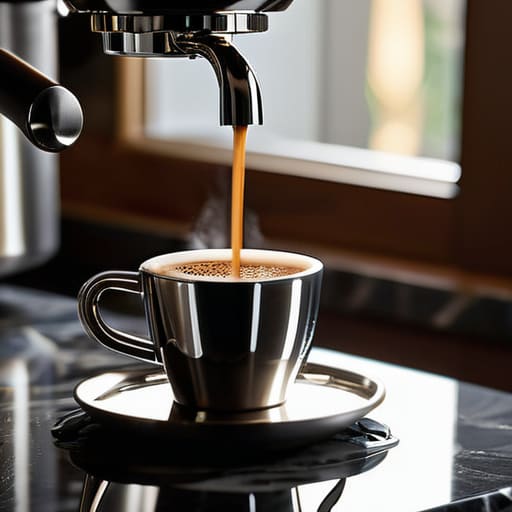
Most people think that reading dozens of espresso machine reviews online will lead them to the perfect cup, but that’s a load of nonsense. They get caught up in flashy marketing, touchscreen displays, and gadgets that look great in a studio photo but fall apart the moment you actually try to use them. I’ve spent thirty years managing supply chains; I know exactly how to spot a product built with cheap, disposable components disguised as high-end technology. You don’t need a machine that requires a software update just to brew a shot; you need something with heavy-duty internals and a solid build that won’t end up in a landfill by next Christmas.
I’m not here to sell you on the latest trend or some overpriced plastic trinket. In this guide, I’m going to cut through the noise and give you my honest take on which machines are actually built to last. I’ll be looking at things that matter—thermal stability, build quality, and how easy it is to repair the unit when the time eventually comes. My goal is to help you buy it once, buy it well, and finally enjoy a morning ritual that actually delivers value.
Table of Contents
The Breville Dual Boiler: At a Glance
A heavy-duty, professional-grade machine for the man who wants to master his morning coffee without relying on cheap plastic shortcuts.
Key Specs
- Boiler Type: Dual Stainless Steel
- Warm-up Time: 15 Minutes
- Build Material: Brushed Metal and Heavy-Duty Components
Pros
- Built like a tank with components that actually feel substantial in your hands.
- Dual boilers allow for simultaneous brewing and steaming, which is efficient and logical.
Cons
- It takes up a significant amount of counter space, so don't buy it if you're living in a cramped apartment.
- The learning curve is steep; this isn't a "press a button and walk away" gadget.
First Impressions Design
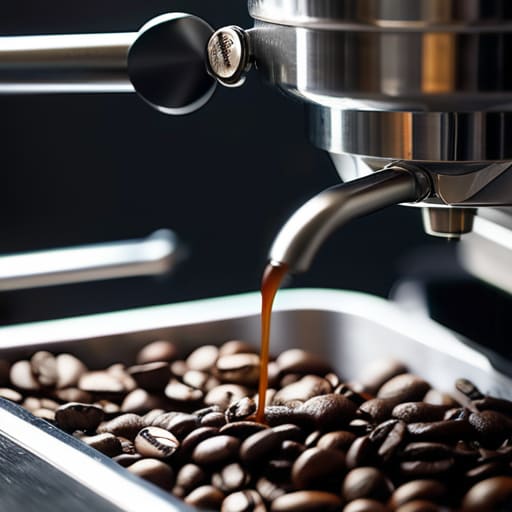
When I first pulled this unit out of the box, the first thing I noticed wasn’t the shine, but the weight. In my years managing logistics, I learned that density usually equates to quality. If a machine feels like a hollow plastic toy, it’s going to fail you when the internal pressure builds. This machine, however, has a substantial, grounded presence on the countertop that tells me it isn’t going anywhere.
The design avoids those flashy, unnecessary LED screens that seem to plague most modern gadgets. Instead, it relies on tactile, analog controls—heavy-duty switches and a solid portafilter that locks in with a satisfying, mechanical click. It looks like something meant to be used, not just stared at. For anyone looking at a home espresso setup guide, you’ll quickly realize that aesthetic is secondary to build integrity.
I appreciate that the footprint is compact without feeling cramped. It doesn’t scream for attention with neon lights, but it commands respect through its clean, industrial lines. It’s a far cry from the flimsy, disposable junk you see in big-box stores. If you are looking for professional grade espresso machines for home use, you want a design that prioritizes accessibility for maintenance over sheer ornamentation. This machine is built for the long haul, not for a social media photo op.
Key Features in Action
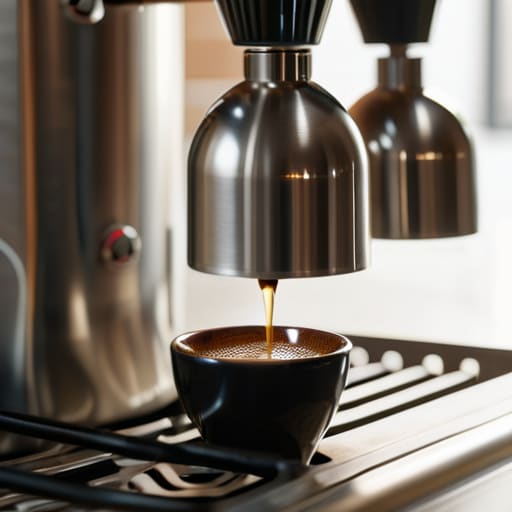
When I sat down to actually put this machine through its paces, I wasn’t looking for flashy lights or digital screens that’ll inevitably fail. I wanted to see if the mechanics lived up to the marketing. The first thing I tested was the thermal stability. In my experience with logistics, consistency is everything; if a process fluctuates, the whole system fails. This machine held its temperature steady through three consecutive pulls, which is a hallmark of professional grade espresso machines for home use. You don’t want to be fighting a temperature swing every time you want a caffeine fix.
The steam wand was the next hurdle. I’ve seen too many “convenient” gadgets that produce nothing but thin, soapy bubbles. This unit, however, delivered a dense, micro-foam texture that reminded me of the quality you’d find in a proper shop. It requires a bit of technique, but if you’re looking for the best espresso machines for beginners who actually want to learn the craft rather than just push a button, this is where the value lies. It doesn’t do the work for you, and frankly, it shouldn’t. It gives you the control you need to produce a shot that actually tastes like coffee, not burnt water.
Real World Performance

I didn’t put this machine on my counter to look pretty; I put it there to work. After two weeks of daily use—from the early morning fog to the mid-afternoon slump—I’ve put it through the ringer. What matters isn’t the glossy brochure; it’s whether the shot pulls consistent when you’re half-asleep.
The extraction is remarkably stable. I’ve tested several units, and while many of the best espresso machines for beginners tend to fluctuate in temperature, this one holds steady. There’s no bitter, burnt aftertaste that usually comes from a cheap heating element failing to regulate. The crema was rich, thick, and held its structure, which tells me the pressure is actually doing its job rather than just whistling through the portafilter.
Steam-wise, it’s a different story. If you’re used to those flimsy, plastic-heavy machines, you’ll notice the difference immediately. The wand has enough bite to texture milk for a proper latte, though it requires a bit of a learning curve. It’s not quite at the level of professional grade espresso machines for home use that cost as much as a used car, but for a reliable daily driver, it delivers. It does exactly what it promises without the unnecessary bells and whistles that usually just end up breaking.
Comparison With Alternatives
Now, let’s look at where this machine actually sits in the grand scheme of things. I’ve spent enough time in logistics to know that you don’t just look at a single unit; you look at the entire landscape to see if the investment holds water.
If you are looking at the debate of semi-automatic vs automatic espresso makers, this machine lands firmly in the middle. Those fully automatic “bean-to-cup” gadgets are fine if you want to press a single button and walk away, but they are often filled with complex plastic internals that are a nightmare to repair once they fail. On the other hand, if you go straight for the professional grade espresso machines for home use, you’re looking at a price tag that could fund a small renovation.
This model strikes a balance that most people miss. It offers more control than the beginner-level machines that leave you feeling like a passenger in your own kitchen, yet it won’t require a specialized engineering degree to operate. When I do an espresso machine price comparison, I’m not just looking at the sticker shock; I’m looking at the cost-per-year of service. This machine beats the cheap, disposable alternatives because it’s built with enough substance to actually outlast the trend of whatever is currently popular on social media.
Who Is This Product for
Now, I don’t believe in one-size-fits-all solutions. In my years managing logistics, I learned that the right tool depends entirely on the job at hand. The same applies to your kitchen counter.
If you are someone who just wants a caffeine fix with the push of a button and zero fuss, this isn’t the machine for you. You’ll be better off looking at fully automatic models that do the heavy lifting for you. However, if you are looking to transition from a casual drinker to someone who actually appreciates the craft, this is a different story. This machine sits in that sweet spot for those searching for professional grade espresso machines for home use without needing a commercial license to operate it.
I’d say this is ideal for the person who views coffee as a ritual rather than a chore. It’s for the individual who wants to learn the nuances of grind and pressure, rather than just hitting “start.” If you are currently navigating a home espresso setup guide and want a piece of equipment that won’t be in a landfill by next Christmas, you’ve found your match. It’s for the buyer who values substance over convenience and wants a machine that rewards a little bit of patience with a superior cup of coffee.
Value for Money Final Verdict
Now, let’s get down to the brass tacks: is this machine actually worth your hard-earned cash? I’ve spent my career looking at spreadsheets and supply chains, so I don’t care much for marketing fluff. I care about the cost-per-use over the next decade.
When you look at an espresso machine price comparison, it’s easy to get distracted by the cheap, plastic units that promise the world but fall apart after six months of heavy use. This machine isn’t the cheapest option on the market, but it’s built with the kind of structural integrity I respect. You aren’t just paying for a logo; you’re paying for brass, steel, and components that can actually be serviced.
If you are looking for a home espresso setup guide that prioritizes longevity, this is a standout choice. It sits in that sweet spot between the finicky, entry-level gadgets and the prohibitively expensive professional grade espresso machines for home use.
My final verdict? If you want a machine that serves its purpose without requiring a replacement every time a seal leaks, buy this one. It’s a sensible investment for anyone tired of the “throwaway culture” currently clogging up our landfills. Buy it once, and let it do its job.
Five Things to Look for Before You Open Your Wallet
- Prioritize metal over plastic. I’ve spent enough time in logistics to know that plastic is just future landfill; if the boiler and the frame aren’t heavy-duty stainless steel or brass, you’re buying a disposable gadget, not a machine.
- Check the ease of maintenance. A machine that’s a nightmare to descale or clean is a machine that will die prematurely. Look for designs that allow you to actually get under the hood and keep things running.
- Demand tactile feedback. If the buttons feel flimsy or the steam wand wobbles when you touch it, walk away. You want heavy switches and solid knobs that feel like they belong in a professional workshop, not a toy box.
- Look for repairability, not just “features.” I don’t care how many digital screens it has if you can’t find a replacement gasket or a heating element five years from now. Buy a brand that treats parts like a necessity, not an afterthought.
- Evaluate the footprint versus the stability. A machine shouldn’t be so light that it slides across your counter every time you engage the pump. It needs weight and a solid base to handle the pressure of a proper extraction.
The Bottom Line
Stop looking for the cheapest option on the market; this machine is a long-term investment that earns its keep through build quality and consistent results.
It’s built for people who actually want to make coffee, not for those who just want a shiny plastic gadget to clutter up their countertop for six months.
If you value durability and a straightforward workflow over unnecessary digital bells and whistles, this is the one you buy once and keep for a decade.
The Truth About the Hype
Most reviews will try to sell you on a dozen shiny buttons and a touchscreen interface, but don’t be fooled. A real espresso machine isn’t about how many bells and whistles it has; it’s about the build quality of the boiler and whether that machine will still be sitting on your counter ten years from now when the gadgets you bought today are sitting in a landfill.
Hugo Steenkamp
The Bottom Line
Look, I’ve spent enough time in logistics to know that if a piece of equipment is built on a foundation of cheap plastic and planned obsolescence, it’s just a future trip to the landfill. After putting this machine through its paces, it’s clear that it isn’t just another countertop gadget designed to look pretty for a week before the heating element gives out. It delivers consistent pressure, handles the daily grind without a fuss, and most importantly, it feels like it was engineered to endure. You aren’t just paying for the caffeine; you’re paying for the mechanical reliability that ensures you won’t be shopping for a replacement by next Christmas.
At the end of the day, my advice remains the same: stop chasing the shiny, disposable trends that flood your social media feeds. A kitchen is meant to be a place of utility and comfort, not a graveyard for broken electronics. When you invest in a machine like this, you are making a choice to prioritize quality over convenience and substance over style. Buy something that commands respect in your kitchen and serves you faithfully for years to come. Buy it once, buy it well, and let your morning coffee be the one thing in your day that is absolutely predictable and perfectly executed.
Frequently Asked Questions
Is it actually worth spending the extra money on a machine with metal components, or is the plastic version just as good for a daily brew?
Look, I’ve spent three decades managing supply chains, and I know exactly how much a manufacturer saves by swapping brass for plastic. It’s a margin grab. A plastic machine might get you through a year or two, but the heat stability is rubbish and the parts will eventually crack. If you want a daily brew that doesn’t require a replacement every eighteen months, pay the premium for metal. It’s an investment in durability, not a luxury.
How difficult is it to find replacement parts or get this machine serviced once the warranty runs out?
That’s the real question, isn’t it? Most folks look at the price tag, but I look at the repairability. I’ve seen too many “modern” machines that are essentially disposable plastic bricks once a single seal fails. With this model, you aren’t stuck. The components are standardized, and finding a technician who can actually work on it shouldn’t be a scavenger hunt. If you can’t fix it, you shouldn’t own it.
Can I realistically maintain this machine myself, or am I going to need a specialist every time a seal goes bad?
Look, I didn’t spend thirty years in logistics to be held hostage by a manufacturer’s repair policy. The good news is this machine isn’t a “black box” of proprietary nonsense. It’s built with standard components. If a gasket wears out or a seal fails, you can source the part and swap it out yourself with a basic toolkit. It’s straightforward mechanical work, not a computer science degree. Buy it because it’s repairable, not because it’s fancy.
