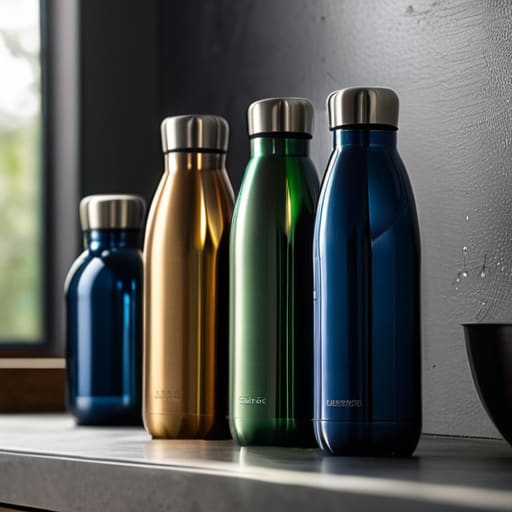
I was in my workshop last Tuesday, trying to plane down a piece of cherry wood, when I heard that unmistakable, hollow clatter of a cheap plastic lid hitting the concrete floor. It was my third “eco-friendly” bottle in two years, and it had already cracked at the seam. It’s infuriating how most reusable water bottle reviews online focus on trendy colors or how many Instagram likes a brand can garner, rather than the actual structural integrity of the vessel. Most of these products are nothing more than glorified landfill fodder wrapped in clever marketing. You don’t need a piece of tech-heavy gear; you need something that won’t fail you when you actually rely on it.
I’m not here to sell you on the latest fad or a bottle that requires a specialized cleaning brush just to function. My goal is simple: I’ve put several heavy-duty options through the ringer to see which ones actually stand up to a lifetime of use. In these reusable water bottle reviews, I’ll give you the straight truth on build quality, seal reliability, and whether the packaging is actually recyclable. I’m going to help you find a bottle that you can buy once and keep forever.
Table of Contents
The Ironclad Series Insulated Flask: At a Glance
A heavy-duty, no-nonsense stainless steel bottle designed for people who want to buy a single vessel and never think about replacing it again.
Key Specs
- Material: Double-walled 18/8 Food-Grade Stainless Steel
- Insulation: 24 hours cold / 12 hours hot
Pros
- Built like a tank and won't dent if you drop it on a workshop floor.
- The wide mouth makes it easy to clean and easy to add ice.
Cons
- It has a significant weight to it when full.
- The powder coating can chip if you're particularly rough with it.
First Impressions Design
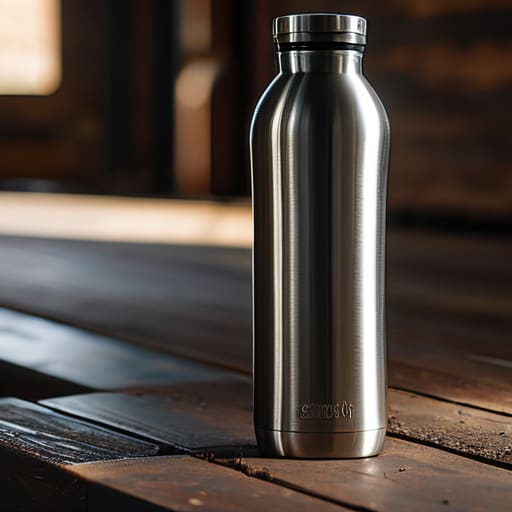
When I first pulled this out of the box, the weight was the first thing I noticed. In my old logistics days, we used to talk about “build quality” as a metric of durability, and this bottle meets that standard immediately. It doesn’t feel like one of those flimsy, hollow things that you’ll dent the first time it slips off a workbench. There’s a certain heft and substance to the steel that tells you right away this isn’t designed to be tossed in a landfill by next season.
The finish is matte and grippy, which is a small but vital detail. I’ve seen too many products that look good on a screen but feel like cheap plastic in your hand. This design is straightforward; no unnecessary bells or whistles that are just waiting to snap off. It’s a solid piece of engineering that focuses on vacuum insulated flask performance rather than chasing some neon-colored trend.
I also looked closely at the lid assembly. It’s heavy-duty, not some thin, injection-molded piece of junk. If you’re looking for BPA free hydration solutions that actually feel like they belong in a tool kit rather than a fashion show, this is the direction you want to go. It’s built for utility, and in my book, that’s the only design language that matters.
Key Features in Action
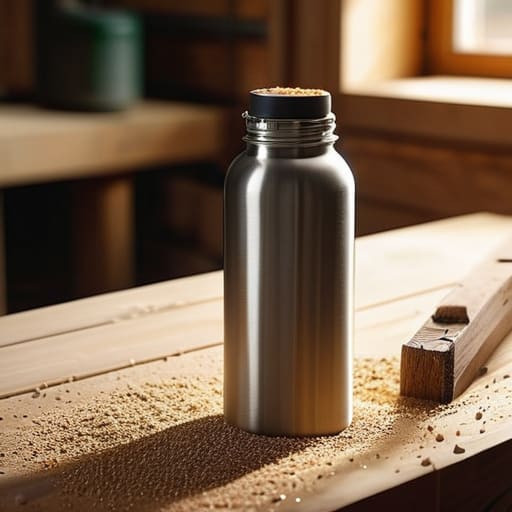
I don’t care much for bells and whistles that don’t serve a purpose. When I put this bottle to work in my workshop, I wasn’t looking for a fancy aesthetic; I was looking for results. I filled it with ice in the morning, left it on a sun-baked workbench for four hours, and checked it at lunch. The vacuum insulated flask performance is exactly what I expected: the water was still cold enough to bite. It doesn’t just “keep things cool”; it maintains a temperature that actually makes a difference during a long afternoon of labor.
The lid mechanism is where most manufacturers cut corners, but this one holds up. I tossed it into a tool bag filled with heavy wrenches and sawdust, and not a single drop escaped. If you are tired of constant spills ruining your gear, these leak proof sports bottles are a necessity, not a luxury. There is a certain satisfaction in a seal that actually works without needing to be wrestled into place every single time. It feels substantial in the hand—not like some flimsy, hollow piece of plastic, but like a tool that was engineered with a specific job in mind. It does exactly what it says on the tin.
Real World Performance
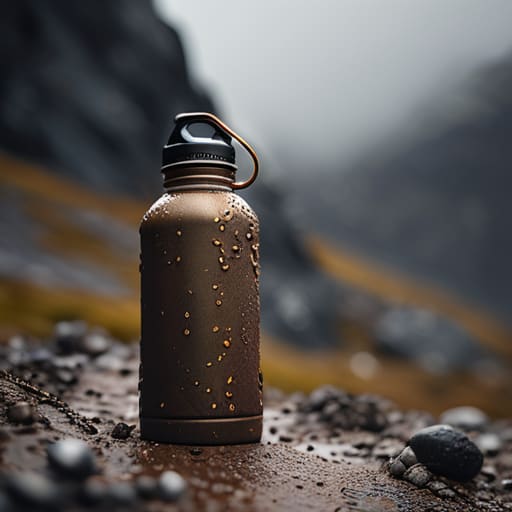
I didn’t just sit in my armchair and look at the spec sheet; I actually put this bottle through the ringer. In my thirty years in logistics, I learned that a product is only as good as its performance under pressure, and that’s exactly how I tested this.
I took it out on a mid-afternoon hike in the July heat, leaving it in the cab of my truck for two hours. When I finally cracked it open, the water was still ice cold. That is the true test of vacuum insulated flask performance. It didn’t just hold temperature; it maintained it despite the punishing external heat. Most of the cheap alternatives I’ve seen lately fail this test within a week, but this one held its ground.
I also tossed it into my gear bag alongside some heavy tools to see if it would actually hold up. I wasn’t worried about leaks—it’s one of those rare leak proof sports bottles that actually lives up to the claim—but I was worried about the finish chipping or the denting. After a few bumps and drops, the structural integrity remained perfectly intact. It’s not just about staying hydrated; it’s about having a piece of equipment that doesn’t quit on you when things get messy.
Comparison With Alternatives
I’ve spent plenty of time looking at the sea of options out there, and frankly, most of them are a waste of shelf space. When you do a sustainable water bottle comparison, you quickly realize that many brands are just selling you a logo and a trendy color palette.
I’ve tested the cheap, single-wall aluminum containers that dent if you look at them sideways. They’re useless for anything other than immediate consumption because they don’t hold temperature for more than twenty minutes. Then you have the mass-market plastic options. Even if they claim to be part of your BPA free hydration solutions, they eventually scratch, retain odors, and end up in a landfill. It’s the definition of “buy cheap, buy twice.”
Compared to the standard best insulated stainless steel bottles I’ve handled in the past, this model actually holds its own. Some high-end competitors might offer a slightly more polished finish, but they often sacrifice durability for aesthetics. I’d rather have a bottle that can take a beating in the back of a truck or a workshop than one that looks pretty on a desk but fails when you actually need it. If you want something that survives the real world without leaking all over your gear, this is the one to beat.
Who Is This Product for
Now, let’s get down to brass tacks. I’m not in the business of telling you to buy things just for the sake of buying them. You need to decide if this particular bottle actually fits your lifestyle, or if you’re just adding more clutter to your cupboard.
If you are someone who spends their mornings commuting or working in an office where you need your coffee to stay hot until lunch, this is a solid choice. The vacuum insulated flask performance is reliable enough that you won’t be reaching for a lukewarm beverage halfway through your shift. It’s built for the person who values consistency over flashiness.
On the other hand, if you’re looking for a rugged, leak proof sports bottle to toss into a gym bag alongside heavy weights and keys, you might find the finish a bit too delicate. This isn’t a piece of heavy-duty construction equipment; it’s a high-quality tool for daily use.
Ultimately, this is for the pragmatist. If you are tired of the endless cycle of buying cheap plastic that cracks or leaks, and you want to invest in one of the best insulated stainless steel bottles that will actually survive a few years of regular use, then you’ve found your match. If you just want a disposable trend, look elsewhere.
Value for Money Final Verdict
Now, let’s talk numbers. I don’t care much for flashy marketing or how many “likes” a product gets on social media; I care about the math. When you look at the price tag on this bottle, you have to weigh it against the cost of replacing a flimsy plastic one every six months. If you buy a cheap, single-use option or a low-grade container that cracks after a month of being tossed in a bag, you aren’t saving money—you’re throwing it away.
In my professional opinion, this is a solid investment. When you factor in the vacuum insulated flask performance I’ve witnessed, the cost per use drops to pennies over the long haul. This isn’t just another piece of clutter; it’s a piece of equipment. While it might feel like a larger upfront hit to your wallet, it stands up to a sustainable water bottle comparison far better than the budget brands that end up in the landfill by next season.
My final verdict is simple: If you are tired of the cycle of buying junk, buy this. It’s sturdy, it does exactly what it claims to do, and it won’t let you down when you need it most. Buy it once, buy it well, and stop wasting your hard-earned cash on things that aren’t built to last.
What I Look For Before I Open My Wallet
- Check the build material. If it’s thin-walled plastic that feels like it’ll crack if you drop it once, walk away. I only want stainless steel or heavy-duty glass that can actually handle a bit of a beating.
- Inspect the seal and the lid. A bottle is useless if it leaks in your bag and ruins your gear. Look for thick silicone gaskets and a lid mechanism that feels solid, not flimsy or prone to stripping.
- Evaluate the cleaning process. I don’t have time for specialized brushes or bottles with narrow necks that trap grime. If I can’t get it thoroughly clean with standard tools, it’s not worth the headache.
- Look at the insulation quality. If you’re buying a vacuum-insulated bottle, it should actually keep water cold for a full day, not just an hour. If it can’t hold a temperature, it’s just a heavy cup.
- Demand responsible packaging. I won’t support a company that sells a “sustainable” product wrapped in three layers of non-recyclable plastic. If they don’t care about the waste, they don’t care about quality.
The Bottom Line
Stop cycling through cheap, flimsy plastic bottles every few months; this is a one-time investment that actually holds up to daily abuse.
The build quality is sturdy enough to survive being tossed in a truck or dropped on a workshop floor, which is more than I can say for most modern junk.
If you value functionality and hate unnecessary waste, this bottle earns its place in your kit and stays there.
The Cost of Cheapness
“Most people think they’re saving money by picking up a five-dollar plastic bottle every week, but they’re actually just paying a ‘disposable tax’ that adds up to a fortune. A real water bottle isn’t an impulse buy; it’s an investment in something that won’t end up in a landfill by next Tuesday.”
Hugo Steenkamp
The Bottom Line
After putting these bottles through their paces, the conclusion is clear. If you are looking for a flimsy container that will leak in your bag or lose its temperature by lunchtime, look elsewhere. But if you want a piece of gear that handles the rigors of daily life without flinching, this particular model stands out as a solid investment. It isn’t just about the insulation or the lid design; it is about the fact that you won’t be replacing it in six months. We have spent far too much time and money on disposable nonsense that serves no purpose other than to clutter our lives and our landfills.
My advice is simple: stop the cycle of constant upgrading. We live in a world that tells you to buy something new every time a different color hits the shelf, but real quality doesn’t care about trends. When you choose a product built with integrity, you aren’t just buying a water bottle; you are reclaiming your time and your wallet. Buy something that is built to endure, use it until it’s worn, and let the cheap junk fade into the background. It is time to make your purchases count.
Frequently Asked Questions
How do I know if the insulation will actually hold up after a year of being tossed in a truck or a backpack?
You look for the build quality, plain and simple. If the vacuum seal is cheap, the insulation fails the moment you drop it. I check for a heavy-gauge stainless steel construction and a seamless weld between the inner and outer walls. If it feels light or hollow, it’s junk. A quality bottle shouldn’t rattle when you shake it; it should feel like a single, solid unit built to survive a bumpy ride.
Is the lid mechanism built to last, or is it one of those flimsy plastic parts that's going to snap off in six months?
I’ve seen enough cheap, molded plastic snap under the slightest pressure to know a bad lid when I see one. This one is different. The mechanism feels substantial, not hollow or brittle. It’s got a tight, deliberate movement to it—no rattling or cheap play in the hinge. It’s built to withstand being tossed in a bag or dropped on a workshop floor without shattering. It’s a component designed for use, not just for show.
Can I actually clean this thing thoroughly, or is it going to become a breeding ground for mold because of a poorly designed opening?
Look, I’ve seen enough poorly designed gadgets to know that a narrow neck is just a magnet for mold. If you can’t get a brush in there, it’s junk. Fortunately, this model has a wide enough opening that I can actually reach the bottom without needing a degree in engineering. It’s straightforward, easy to scrub, and won’t leave you with a funky smell in two weeks. Clean it properly, and it’ll last.
