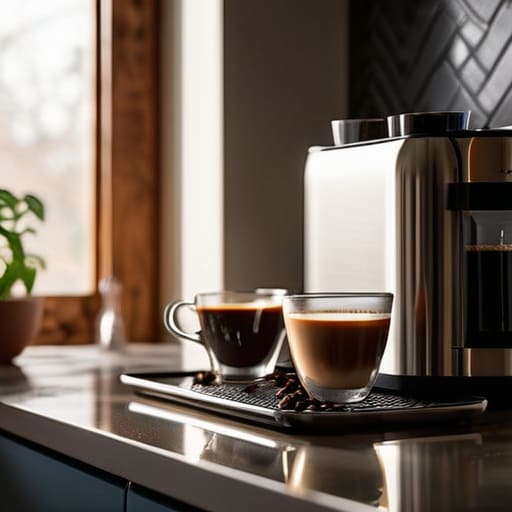
I spent thirty years in logistics, so I know exactly what happens when a supply chain is built on cheap, disposable components: everything eventually falls apart. Lately, I’ve been seeing the same pattern in your kitchen. You walk into a store, see a shiny new gadget with twenty different buttons and a touchscreen, and think you’re buying quality. You aren’t. Most of those high-priced machines are nothing more than planned obsolescence wrapped in plastic. If you’re looking for a real coffee maker guide that doesn’t involve marketing fluff or expensive nonsense, you’ve come to the right place. I’m tired of seeing perfectly good kitchens cluttered with electronic junk that’s destined for a landfill by next year.
I’m not here to sell you on the latest trend or some over-engineered contraption that requires a software update just to brew a cup of joe. My promise to you is simple: I will show you how to identify equipment that is built to last. We are going to focus on sturdy materials, mechanical reliability, and machines that actually serve a purpose without wasting your hard-earned money. Let’s cut through the noise and find you something that will still be working long after the “smart” gadgets have quit.
Table of Contents
Choosing Best Coffee Brewing Equipment That Truly Endures
When you start looking at the market, you’ll see a mountain of plastic gadgets designed to look sleek on a countertop but destined for a landfill within two years. If you want to invest in the best coffee brewing equipment, you have to look past the marketing fluff and inspect the build quality. I always tell people to look for stainless steel, heavy-duty glass, or cast iron. If a machine feels light and hollow in your hands, it’s going to fail you when you need it most.
The real debate usually boils down to automatic drip vs pour over methods. An automatic machine offers convenience, but you’ll want one with a metal heating element that won’t corrode. On the other hand, a manual pour-over setup is nearly indestructible because there are simply no electronic parts to fry. I prefer the latter; there’s a certain satisfaction in a tool that requires a bit of skill but offers zero mechanical failures. Regardless of which path you take, prioritize simplicity. A tool that is easy to clean and easy to repair is the only way to ensure your morning ritual stays consistent for decades.
Automatic Drip vs Pour Over Finding Your Permanent Ritual
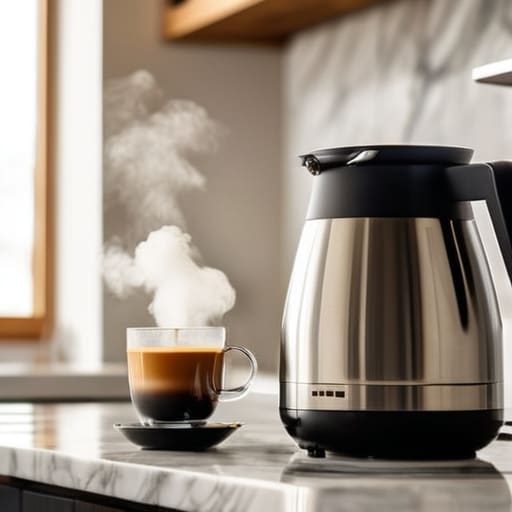
When you’re weighing automatic drip vs pour over, you aren’t just choosing a way to make caffeine; you’re deciding how much friction you want in your morning routine. An automatic drip machine is the choice for the person who values efficiency and consistency without the fuss. If you go this route, don’t buy some flimsy, plastic contraption with a thousand unnecessary buttons. Look for a machine with a thermal carafe and metal heating elements—things that can actually be repaired rather than replaced.
On the other hand, if you have the patience, a pour over setup is the ultimate way to master your home barista essentials. It requires a bit more discipline and a decent grinder to get the right texture, but the control you gain over the extraction is unmatched. It’s a tactile, intentional process that turns a chore into a ritual. Whether you prefer the push-button ease of a machine or the manual precision of a dripper, my advice remains the same: invest in high-quality components that won’t need to be tossed in the bin after a year of heavy use.
Five Rules for Buying a Machine That Won't Quit on You
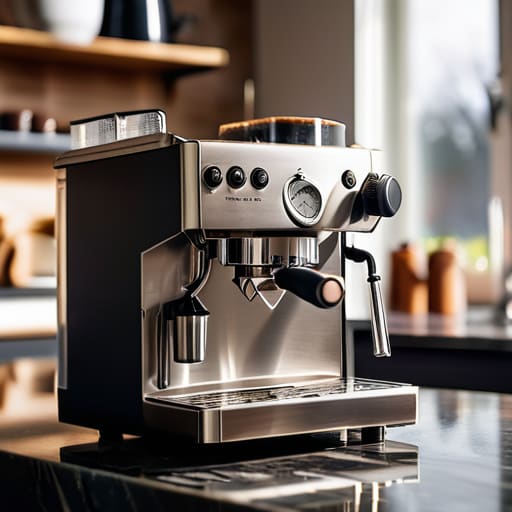
- Look for metal and glass, not plastic. If the main body of the machine feels like a lightweight toy, it’s going to crack or warp within a year. I want to see stainless steel and heavy-duty glass—materials that can handle heat without degrading.
- Prioritize repairability over convenience. Before you pull the trigger on a purchase, check if you can actually buy replacement parts. A machine that is “sealed” and impossible to open is just future landfill waiting to happen.
- Avoid the “smart” gadget trap. I don’t need a coffee maker that connects to my Wi-Fi or requires a software update just to brew a cup. Every extra circuit board and digital screen is just one more thing that can short out and render the whole unit useless.
- Check the footprint and the build. A sturdy machine should have weight to it. If it slides across your counter every time you press a button, the internal components are likely flimsy. You want something that sits solid and stays put.
- Demand simplicity in design. The fewer moving parts and complex electronic interfaces a machine has, the longer it will serve you. A well-built manual brewer or a straightforward drip machine will outlast any high-tech monstrosity every single time.
The Bottom Line on Your Morning Brew
Stop looking at the shiny digital displays and start looking at the materials; if it’s mostly cheap plastic, it’s designed to be thrown away, so stick to stainless steel, glass, or ceramic.
Don’t get blinded by “smart” features that require a Wi-Fi connection to boil water; a simple, manual process is much harder to break and much easier to repair.
Calculate the cost over five years, not the price on the tag today; a slightly more expensive machine that lasts a decade is a bargain compared to replacing a cheap one every single year.
## The Cost of Cheap Convenience
“A coffee maker shouldn’t be a disposable gadget you replace every time a plastic gear snaps; it should be a piece of equipment that becomes a reliable part of your morning ritual for decades.”
Hugo Steenkamp
Making the Right Call
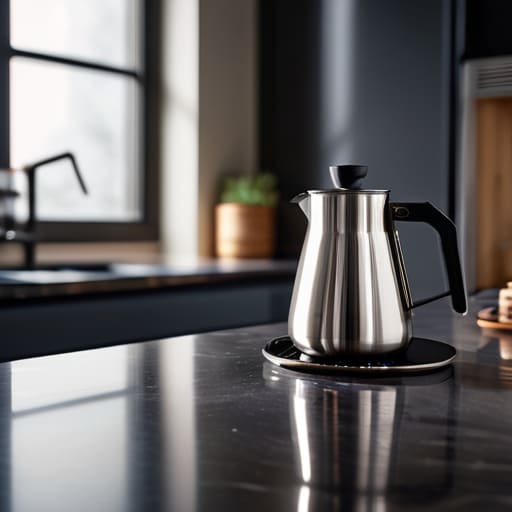
At the end of the day, choosing a coffee maker isn’t about finding the flashiest gadget on a social media feed; it’s about deciding what belongs on your kitchen counter for the next decade. Whether you decide on the reliable simplicity of a pour-over or the consistent efficiency of a high-quality drip machine, the goal remains the same: avoid the plastic junk. Look for build quality over bells and whistles and prioritize materials like stainless steel or heavy glass that won’t crack under pressure. If you focus on the mechanics and the durability of the components, you’ll find that you aren’t just buying a way to make caffeine—you are investing in a reliable piece of equipment that won’t be sitting in a landfill by next year.
My advice is simple: stop chasing the latest trend and start building a kitchen that reflects stability. There is a quiet satisfaction in knowing that the tools you use every single morning are built to endure, just like the vintage hand planes I spend my afternoons restoring. When you buy something well, you stop worrying about replacements and start focusing on the ritual itself. Don’t settle for disposable culture. Buy it once, buy it right, and let your morning coffee be a testament to sensible, lasting quality.
Frequently Asked Questions
Is it actually worth paying more for a stainless steel machine when the plastic ones seem to do the job just fine?
Look, I’ve seen enough supply chain failures to know that “cheap” is usually the most expensive way to buy something. Those plastic machines might work fine for a few months, but plastic degrades, cracks, and leaches flavors into your coffee over time. If you want a machine that stays on your counter for a decade rather than a season, pay the premium for stainless steel. It’s sturdier, easier to clean, and won’t end up in a landfill by next year.
How do I know if a coffee maker is easy to repair, or am I just buying a future piece of landfill?
Look for machines with modular designs and accessible screws, not those held together by proprietary glue or snap-on plastic tabs. If you can’t open the casing without breaking a clip, it’s junk. I always check if the manufacturer sells replacement heating elements, gaskets, or even just a simple carafe. If the company doesn’t stock spare parts, they aren’t selling you a coffee maker; they’re selling you a future piece of landfill.
Which brewing method is most efficient for someone who wants a good cup without a mountain of disposable filters to throw away?
If you want to avoid a mountain of waste, skip the paper filters and go with a French Press or a stainless steel mesh pour-over. I can’t stand seeing those bleached paper filters piling up in the bin every single morning. A heavy-duty French Press is a workhorse; it’s simple, there are no disposables involved, and if you treat the glass with a bit of respect, it’ll serve you for decades.
