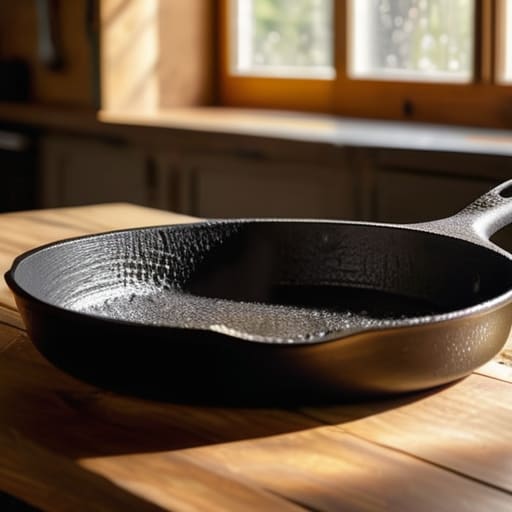
I see them every time I walk into a modern kitchen store: rows of flimsy, non-stick pans that are destined for a landfill before the year is out. It drives me up the wall. People seem to think that cast iron skillet care requires some sort of expensive, specialized chemical kit or a degree in materials science just to keep a pan from rusting. They’ve been sold this lie that these tools are “high maintenance,” when in reality, the problem isn’t the iron—it’s the nonsense advice being peddled by people who have never actually cooked a decent meal in their lives.
I’m not here to sell you a subscription to a cleaning club or a boutique bottle of “seasoning spray” in a plastic bottle. My goal is simple: I want to show you how to treat your tools with the respect they deserve so they can become heirlooms rather than trash. I’ll give you the straight truth on how to maintain your skillet using nothing more than common sense and a bit of elbow grease. If you follow my lead, you’ll stop wasting money on replacements and finally own a piece of cookware that will outlast us all.
Table of Contents
Mastering the Cast Iron Skillet Seasoning Process
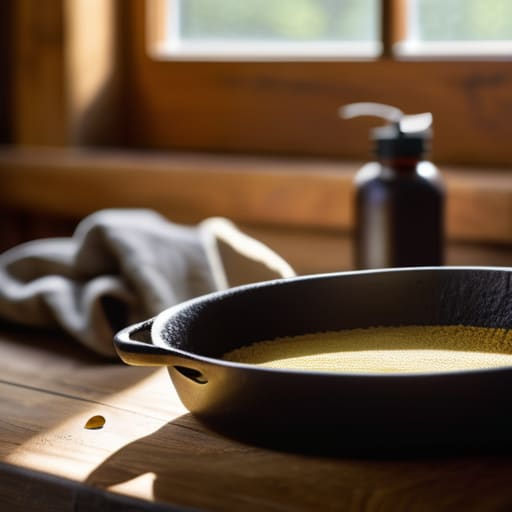
Now, don’t go thinking you need some fancy, expensive kit to get this right. The cast iron skillet seasoning process is really just about patience and heat. You want to take a clean, bone-dry pan and apply a very thin layer of oil. I’ve found that grapeseed or flaxseed oil works best, but honestly, any oil with a high smoke point will do the trick. The goal isn’t to soak it; it’s to create a microscopic layer that bonds to the metal. If you go too heavy, you’ll end up with a sticky, gummy mess that’s more trouble than it’s worth.
Once that oil is on, get that pan hot in the oven until it just starts to smoke. You’re looking to polymerize that oil into a hard, slick coating. This is the secret to maintaining a non-stick surface that actually works. Do this several times over a couple of days, and you’ll have a finish that’ll make those modern, flimsy non-stick pans look like toys. It’s about building layers, one solid step at a time.
Maintaining Non Stick Surface for Generations

Once you’ve put in the hard work to build that layer of seasoning, the last thing you want to do is scrub it away. Most people think they need to go overboard with harsh chemicals, but that’s a mistake. I’ve found that cleaning cast iron without soap—or at most, using a tiny bit of mild dish soap if you’ve cooked something particularly greasy—is more than enough to keep things tidy. The goal isn’t to make it look sterile; it’s to keep that polymerized layer intact so your eggs don’t stick like glue.
After you’ve washed it, don’t just let it sit in the rack to air dry. That’s a one-way ticket to disaster. If you want to succeed at preventing rust on cast iron, you need to dry it thoroughly on the stovetop over low heat. Once it’s bone dry, rub a very thin film of oil over the surface before putting it away. It’s a small habit, but it’s the secret to maintaining non-stick surface integrity for decades rather than months. Treat it like a fine tool, not a disposable utensil.
Five Rules for Not Ruining a Good Piece of Iron
- Stop soaking your skillet in the sink like you’re trying to drown it; water is the enemy of seasoned iron, so wash it, dry it immediately, and get it back on the heat.
- Ditch the harsh chemical soaps that claim to be “gentle”—if you’re stripping the seasoning off every time you cook, you’re just making more work for yourself later.
- Use a coarse salt scrub when you have stuck-on bits that won’t budge; it’s abrasive enough to clean the pan without tearing up the hard-earned layer of oil you’ve built up.
- Never, and I mean never, put your cast iron away damp; if you don’t dry it thoroughly with a towel and a quick stint on a warm burner, you’re inviting rust to move in.
- Keep a thin layer of oil in the pan after every use; a quick wipe with a tiny bit of flaxseed or grapeseed oil before you put it in the cupboard is the best insurance policy you can buy.
The Bottom Line on Keeping Your Skillet in Service
Stop overthinking the cleaning process; a quick scrub with hot water and a stiff brush is usually all you need to keep the seasoning intact.
Avoid the temptation to use harsh soaps or metal scrapers that strip away the hard-earned patina you’ve spent months building.
Treat your skillet like a tool, not a decoration—dry it thoroughly immediately after washing to prevent rust from setting in.
## A Lesson in Longevity
“Most people treat a skillet like a disposable piece of plastic, but if you treat it like the tool it actually is—with a bit of respect and some decent oil—it’ll be a better cook than you’ll ever be.”
Hugo Steenkamp
The Long Game
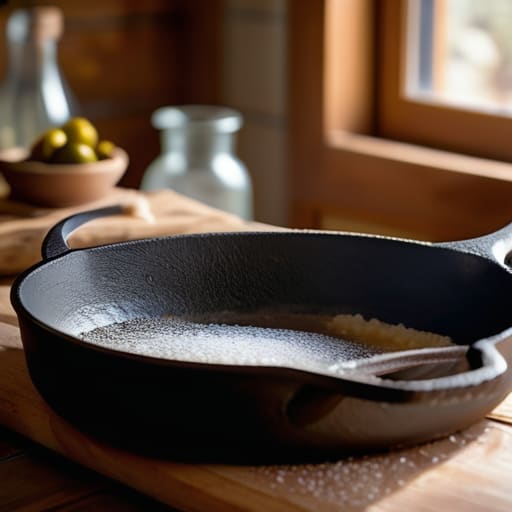
At the end of the day, taking care of your cast iron isn’t some complicated chore; it’s just about having a bit of respect for the tools you own. If you remember to scrub it properly, dry it thoroughly to avoid rust, and keep that seasoning layer intact, you won’t have to worry about your cookware again. You’ve moved past the era of buying cheap, flimsy pans that warp the moment they hit a high flame. By following these steps, you aren’t just cleaning a kitchen utensil—you are investing in a piece of equipment that is designed to get better with every single meal you cook.
I’ve seen enough disposable junk in my time to know that most things today are built to be thrown away. But a well-maintained skillet is different. It’s one of the few things left that actually rewards your effort. When you pass this pan down to your kids or grandkids, you aren’t just giving them a tool; you’re giving them something that carries the history of your kitchen. Stop looking for the next quick fix or the newest gadget. Buy it once, buy it well, and let your cast iron be the foundation of a kitchen that stands the test of time.
Frequently Asked Questions
What do I do if I accidentally left the pan in the sink and now it's covered in rust?
Don’t panic, and for heaven’s sake, don’t throw it in the trash. It’s just a setback, not a death sentence. Grab some coarse salt and a bit of steel wool. Scrub that rust away until you see the bare metal again. Once it’s clean, wash it, dry it thoroughly on the stove, and get some oil on it immediately. Re-season it like we discussed earlier. It’ll be back to its former self in no time.
Is it really a problem to use soap, or is that just an old wives' tale?
Look, I’ve heard this debate a thousand times, and most people make it more complicated than it needs to be. The idea that a single drop of soap will strip your seasoning is a myth. Modern dish soap isn’t the harsh lye-based stuff they used decades ago. If you’ve got some stuck-on grease, use a little soap. Just don’t go throwing it in the dishwasher. Use a gentle wash, dry it immediately, and you’re fine.
How often do I actually need to re-season the skillet if I'm using it every week?
If you’re using that skillet once a week, you shouldn’t need to sit down for a full re-seasoning session anytime soon. As long as you’re scrubbing it properly and applying a thin layer of oil after every wash, that seasoning will hold up just fine. Only bother with a deep seasoning if you notice food starting to stick or if the surface looks dull and grey. Don’t overthink it; just keep it oiled.
