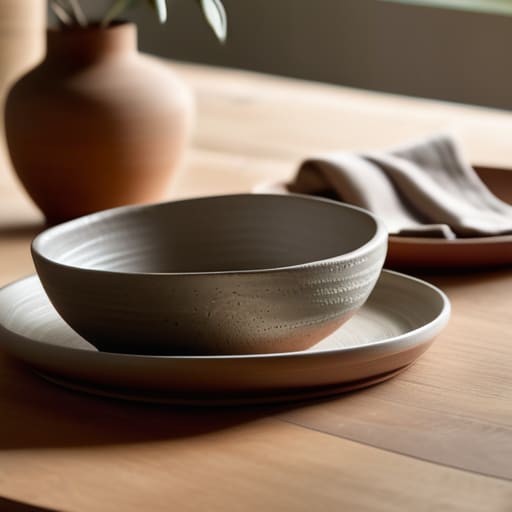
I was cleaning out my kitchen cabinets last week and found a stack of those flimsy, mass-produced plates I bought on a whim three years ago. One accidental bump against the sink and they were already showing hairline cracks and chipped edges. It’s the same nonsense I see everywhere lately: people spending a fortune on “designer” brands that look pretty in a photo but have the structural integrity of a biscuit. Most of the ceramic dinnerware hitting the shelves today is nothing more than disposable junk masquerading as home decor, designed to be replaced the moment a trend shifts.
I’m not here to sell you on some overpriced, gold-rimmed set that you’re too afraid to actually use. My goal is to help you cut through the marketing fluff and find pieces that can actually handle a heavy Sunday roast or a frantic Tuesday night cleanup. I’m going to show you how to identify high-quality clay, the difference between glazes that last and those that peel, and how to invest in ceramic dinnerware that will still be on your table twenty years from now. Let’s stop wasting money and start buying things that last.
Table of Contents
- Why Earthenware vs Stoneware Matters for a Lifetime
- Selecting Luxury Tableware Sets That Defy the Trends
- Five Rules for Buying Plates That Won't End Up in a Landfill
- The Bottom Line on Building a Lasting Table
- The True Cost of Cheap Plates
- The Bottom Line on Your Tableware
- Frequently Asked Questions
Why Earthenware vs Stoneware Matters for a Lifetime
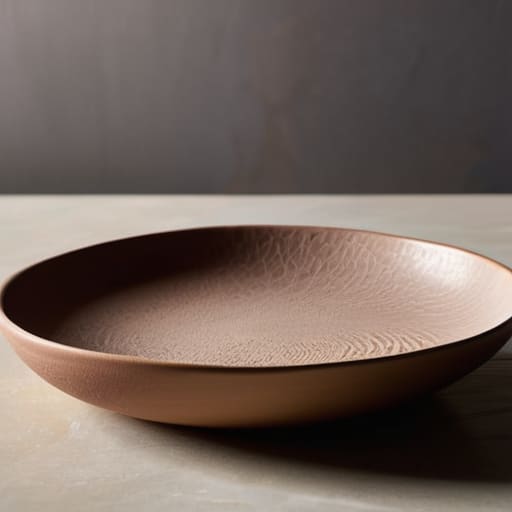
When you’re standing in a shop looking at a shelf of plates, the labels often don’t tell the whole story. Most people don’t realize that the difference between earthenware vs stoneware isn’t just about how it looks, but how it holds up to a real life. Earthenware is lovely for a quick brunch, but it’s porous and fragile. If you’re looking for something that can handle the daily grind, you need to look for stoneware. It’s fired at much higher temperatures, making it denser and far more resistant to those annoying chips and cracks that plague cheaper sets.
I’ve seen too many people buy a set of artisanal clay plates because they look pretty on a screen, only to find they can’t even survive a standard wash cycle. If you want a table that lasts decades, you want pieces that are truly dishwasher safe ceramics. Stoneware offers that much-needed durability without sacrificing the character of the piece. It’s about making a sensible choice: buy the denser, tougher material now, so you aren’t replacing your entire kitchen setup every three years.
Selecting Luxury Tableware Sets That Defy the Trends
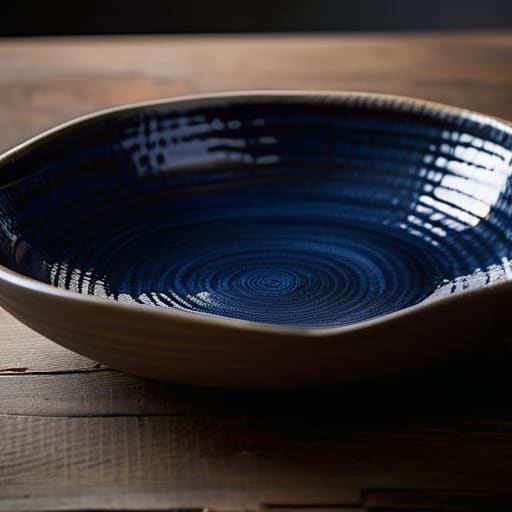
When you’re looking at luxury tableware sets, don’t let the fancy marketing fool you. A high price tag doesn’t always mean quality; sometimes you’re just paying for a brand name and a lot of air. I look for pieces that possess a certain weight and substance. You want artisanal clay plates that feel solid in your hand, not those flimsy, mass-produced things that feel like they might crack if you look at them sideways. Look for depth in the color—that’s usually a sign of superior pottery glaze techniques rather than a cheap, sprayed-on finish.
True value lies in the intersection of beauty and utility. I have no interest in a set that looks stunning in a magazine but requires a delicate touch every time you use it. If it isn’t dishwasher safe ceramics, it’s going to end up gathering dust in a cupboard because nobody has the time for hand-washing every single meal. Aim for a minimalist dining decor approach. By choosing neutral tones and sturdy builds, you ensure your table looks just as relevant twenty years from now as it does today.
Five Rules for Buying Plates That Won't End Up in a Landfill
- Check the weight and density. If a plate feels light and hollow like a cheap saucer, it’s going to crack the moment you stack it too high or drop a heavy fork. You want something with substance that feels anchored to the table.
- Look for high-fired glazes. A good glaze isn’t just for looks; it’s the seal that keeps moisture from seeping into the clay. If the glaze looks thin or uneven, that piece will eventually absorb food odors and harbor bacteria.
- Test for microwave and dishwasher compatibility before you commit. I don’t care how beautiful a set is if you can’t use it for a Tuesday night leftovers or clean it without a hand-wash ritual. If it can’t handle the heat of daily life, it’s just decoration.
- Avoid overly intricate, hand-painted patterns that look like they belong in a museum. Trends in color and motif change every season. Stick to solid colors or subtle, classic textures that will still look dignified when you’re hosting a dinner ten years from now.
- Inspect the rim and the foot. Run your finger along the edge of the plate; if it feels jagged or poorly finished, it’s a sign of rushed manufacturing. A well-made piece should have smooth, intentional edges that won’t chip during a standard wash cycle.
The Bottom Line on Building a Lasting Table
Prioritize stoneware over earthenware if you want pieces that can actually handle daily use without chipping or cracking the moment things get busy in the kitchen.
Ignore the flashy, patterned sets that look good in a magazine but feel flimsy in your hands; look for weight, thickness, and a finish that feels substantial.
View your dinnerware as a long-term investment rather than a seasonal purchase, because buying quality once is far cheaper than replacing cheap junk every single year.
The True Cost of Cheap Plates
“I’ve spent enough years in logistics to know that the cheapest option is almost always the most expensive in the long run. If you’re buying ceramic dinnerware that chips the first time a guest sets it down, you haven’t saved money—you’ve just wasted it on something that was destined for the landfill.”
Hugo Steenkamp
The Bottom Line on Your Tableware
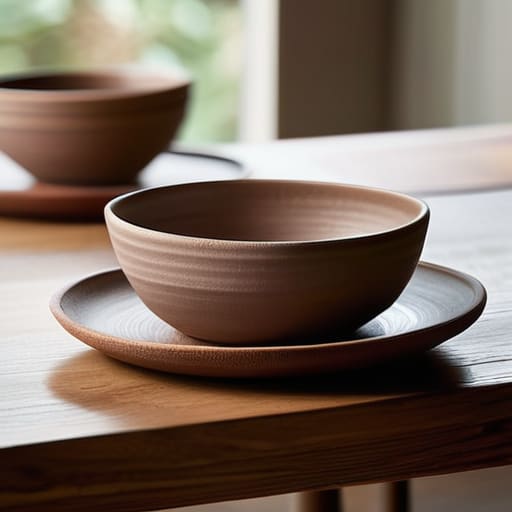
At the end of the day, choosing the right ceramic dinnerware comes down to understanding what you’re actually paying for. We’ve looked at why the distinction between earthenware and stoneware is vital for durability, and why you should ignore those flashy, seasonal patterns in favor of pieces that possess real substance. If you prioritize high-quality materials and a design that won’t look dated by next Christmas, you aren’t just buying plates; you are investing in your home. Don’t let a salesperson talk you into a set that looks good under showroom lights but chips the first time a fork hits it. Stick to the tried-and-true methods of quality assessment we’ve discussed here.
My advice is simple: stop treating your kitchen like a revolving door for disposable goods. Every time you replace a cheap, poorly made set because it cracked or faded, you are throwing money into a landfill. Instead, take the time to find those few, exceptional pieces that can handle the rigors of daily use and still look dignified when you have guests over. Build a collection that tells a story of stability rather than one of constant replacement. When you buy it once and buy it well, you reclaim your time, your money, and your peace of mind. Make it count.
Frequently Asked Questions
How can I tell if a ceramic plate is actually dishwasher safe or if the glaze will eventually crack and peel?
Look, don’t just trust the sticker on the bottom; manufacturers love a good marketing claim. The real test is the glaze. Check for a smooth, glass-like finish without tiny pinholes or uneven patches. If the glaze looks “pitted,” that’s a structural weakness waiting to fail in a hot dishwasher. I always look for high-fired stoneware. If it feels heavy and sounds like a solid “clink” rather than a dull thud when tapped, it’ll hold up.
Is there a real difference in durability between high-end stoneware and the cheaper sets you find at big-box retailers?
There’s a massive difference, and it comes down to how they’re fired. Those big-box sets are often thin, porous, and prone to chipping the moment they hit a sink. High-end stoneware is fired at much higher temperatures, creating a denser, more vitrified body that can actually handle a dishwasher and a heavy meal. You’re paying for structural integrity, not just a brand name. Don’t settle for something that’ll be in a landfill by next year.
What is the best way to repair a small chip in a piece I actually want to keep using?
If it’s a chip you can live with, don’t toss it. For a small nick, you can use a food-safe ceramic repair kit—the kind that uses a resin filler. Sand it smooth once it sets, and it’ll blend in well enough that you won’t notice it during dinner. Just avoid those cheap glues; they aren’t meant for heat or washing. If it’s a deep crack, though, leave it alone. That’s a structural failure, not a cosmetic one.
