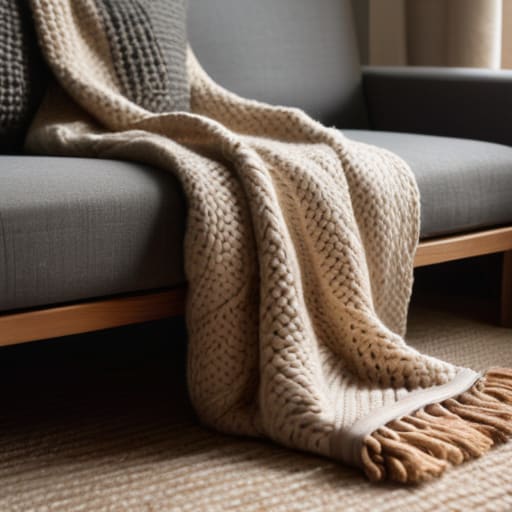
I was sitting in my workshop last Tuesday, cleaning the rust off an old hand plane, when I realized how much of modern shopping is just a race to the bottom. You see them everywhere—those flimsy, synthetic throw blankets being pushed by every social media influencer with a ring light. They look decent in a filtered photo, but the moment you actually use them, they pill, shed, or feel like you’re wrapping yourself in cheap plastic. It’s a complete waste of hard-earned money to buy something that’s designed to end up in a landfill before the next season even rolls around.
I’m not here to talk about “aesthetic trends” or which color will make your living room look like a magazine spread. My goal is to cut through the marketing fluff and help you identify materials that actually hold their shape and warmth. I’m going to show you how to spot a properly constructed weave and which fibers are worth the investment. If you want to stop buying disposable junk and finally own something that actually serves a purpose, you’ve come to the right place.
Table of Contents
- The Best Fabrics for Cozy Blankets That Last
- Choosing Between Weighted vs Lightweight Throws for Longevity
- Five Ways to Spot a Quality Throw Before You Spend a Cent
- My Rules for Buying a Blanket That Won't End Up in a Landfill
- The True Cost of a Quick Fix
- Making the Right Call
- Frequently Asked Questions
The Best Fabrics for Cozy Blankets That Last
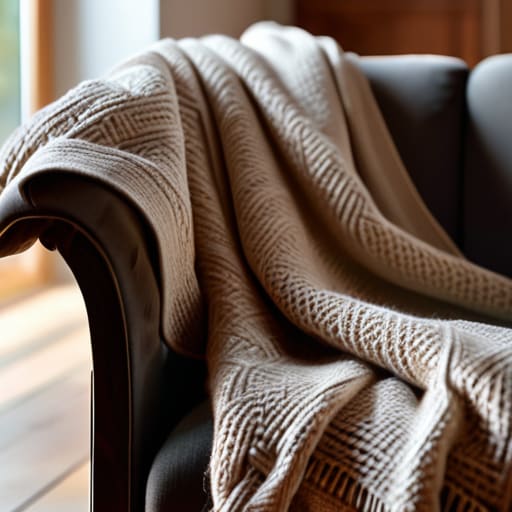
When you’re looking at the best fabrics for cozy blankets, you have to look past the soft touch in the store and check the fiber content. I’ve seen too many people fall for cheap, high-pile polyester that feels soft for a week before it starts pilling and looking like a mess. If you want something that holds its shape, stick to natural fibers. Wool is the gold standard; it’s breathable, incredibly durable, and regulates temperature better than any synthetic imitation. It’s an investment, but it’s one that won’t end up in a landfill by next winter.
For those who prefer something a bit lighter, a heavy cotton weave is a sensible choice. It handles frequent washing much better than those flimsy acrylic blends. If you are experimenting with layering textiles in the living room, mixing a sturdy cotton weave with a heavier wool piece adds depth without sacrificing quality. Avoid anything that feels “too perfect” or unnaturally shiny—that’s usually a sign of low-grade plastic fibers that simply won’t stand the test of time.
Choosing Between Weighted vs Lightweight Throws for Longevity
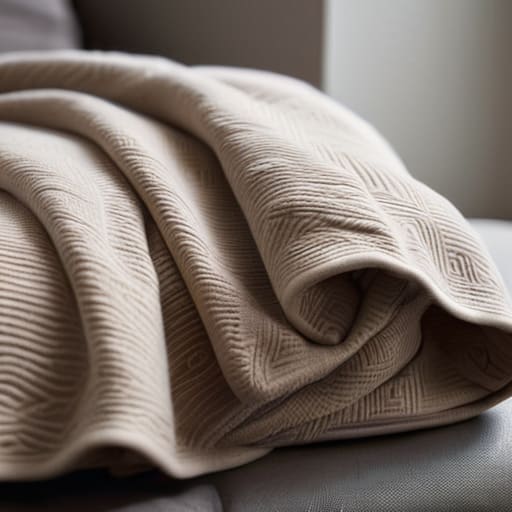
Now, you have to decide if you’re looking for something to provide deep pressure or just a bit of extra warmth. When weighing weighted vs lightweight throws, don’t get distracted by the marketing fluff. A weighted blanket is a tool for relaxation, often filled with glass beads or heavy pellets. If you buy one, make sure the stitching is reinforced; if those beads leak out, the whole thing becomes a mess you’ll have to toss. I’ve seen too many cheap versions where the weight shifts unevenly after a few weeks, which is a complete waste of your hard-earned money.
On the other hand, a lightweight piece is more about versatility and ease of use. These are your workhorses for everyday living room use. I prefer a high-quality cotton or wool weave that you can easily toss over the back of a chair without it looking like a cluttered mess. If you’re looking into layering textiles in living room setups, a lighter option allows you to stack different textures without the furniture looking overwhelmed. Buy the lightweight version for daily comfort, and save the heavy-duty stuff for specific, intentional use.
Five Ways to Spot a Quality Throw Before You Spend a Cent
- Check the seams and edges first. If the stitching looks loose or the hem is uneven, put it back on the shelf. A blanket that’s going to survive years of use needs tight, reinforced edges that won’t fray the moment you toss it on the sofa.
- Avoid the “microfiber trap.” I see these synthetic, fuzzy blankets everywhere online, but they’re nothing more than glorified plastic. They trap heat uncomfortably and pill after three washes. Look for natural fibers like wool or heavy cotton that actually breathe.
- Do the weight test. A quality throw should have some heft to it without feeling like a lead weight. If it feels suspiciously light and airy, it’s likely low-density material that will lose its shape and become a wrinkled mess within a month.
- Inspect the weave density. Hold the fabric up to the light. If you can see large gaps between the threads, it’s a cheap, flimsy construction. A dense, tight weave is the hallmark of a product built to endure daily wear and tear.
- Look for practical care instructions. If a company can’t tell you exactly how to wash and maintain the item, they probably haven’t built it to last. A real, durable blanket should be easy to care for, not a high-maintenance headache.
My Rules for Buying a Blanket That Won't End Up in a Landfill
Prioritize natural fibers like wool or heavy cotton over synthetic blends; they breathe better and won’t pill into a mess after three washes.
Check the weight and weave density before you buy—if it feels flimsy in your hands at the store, it’s going to fall apart on your sofa within a season.
Ignore the seasonal patterns and trendy colors that will look dated by next year; stick to solid, timeless tones that suit a functional home.
The True Cost of a Quick Fix
Most people think they’re saving money by picking up a flimsy, synthetic throw on sale, but you’re really just paying for future landfill. A real blanket shouldn’t just look good on your sofa for a week; it should be a heavy, reliable piece of gear that stays in your family long after the trends have changed.
Hugo Steenkamp
Making the Right Call
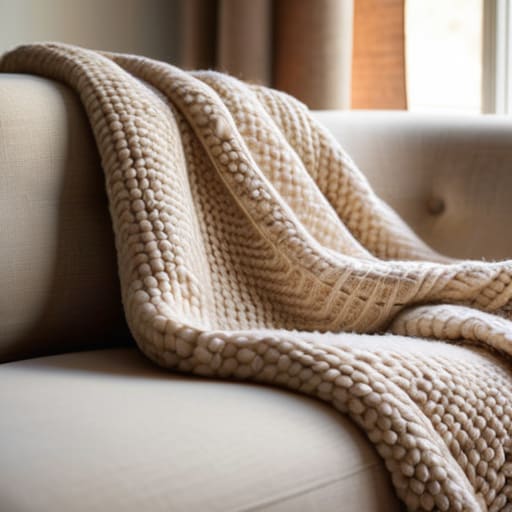
At the end of the day, choosing a throw blanket isn’t about matching a color swatch to your sofa or chasing whatever pattern is trending on social media this week. It comes down to the fundamentals we’ve discussed: selecting a high-quality natural fiber that won’t pill after three washes and understanding whether you need the heft of a weighted piece or the breathability of a lighter weave. If you prioritize materials like wool or heavy cotton over those flimsy, synthetic blends, you aren’t just buying a piece of fabric; you are making a sensible investment in your home’s comfort. Don’t let a low price tag fool you into buying something that will end up in a landfill by next winter.
My advice is simple: look for the things that feel substantial in your hands. A good blanket should feel like it has some weight to it, a sense of craftsmanship that tells you it was made to be used, not just looked at. Stop the cycle of constant replacement and start building a home filled with items that actually stand the test of time. Buy it once, buy it well, and let your home be a place of lasting quality rather than a collection of disposable clutter. It’s better to have one excellent blanket than five mediocre ones.
Frequently Asked Questions
How do I know if a blanket is actually high-quality wool or just a cheap synthetic blend masquerading as the real thing?
Don’t let a fancy label fool you; the truth is in the touch and the burn. If it feels unnaturally slick or static-heavy, it’s likely plastic masquerading as wool. A real wool blanket has a natural, slightly irregular texture and a substantial weight that feels organic, not synthetic. If you’re really unsure, snip a tiny thread from an inconspicuous seam and burn it. Real wool smells like singed hair and turns to ash; synthetics melt into a hard plastic bead.
Is it worth the extra money to buy a hand-loomed throw, or am I just paying for a fancy label?
Look, I’ve spent enough time in logistics to know the difference between a premium product and a marketing gimmick. When you buy hand-loomed, you aren’t just paying for a label; you’re paying for tension, density, and craftsmanship. A machine-made throw is often loose and prone to unraveling. A hand-loomed piece has a structural integrity that holds up through years of use. If you want something that lasts, pay for the skill, not the brand.
What’s the best way to clean these heavy-duty fabrics without ruining the weave or shrinking them into something useless?
Look, if you’ve invested in a quality weave, don’t go tossing it into a high-heat dryer like it’s a cheap rag. That’s how you ruin the structure. Wash them on a gentle cycle with cold water and a mild detergent—nothing harsh. Most importantly, lay them flat to dry. Hanging them while soaking wet pulls at the fibers and distorts the shape. Treat them with a bit of respect, and they’ll serve you for decades.
