I was in my workshop last weekend, working on a vintage hand plane, when I realized how much the world has lost its grip on quality. I looked over at my kitchen drawer and saw a graveyard of cracked plastic spatulas and flimsy, cheap utensils that were clearly designed to end up in a landfill within six months. It drives me up the wall. People are being sold these overpriced, “designer” sets that look pretty on a social media feed but have absolutely no structural integrity. You don’t need a gadget for every single task; what you actually need are wooden kitchen tools that have enough heft to handle a heavy stew and enough soul to last a lifetime.
I’m not here to sell you on some fleeting culinary trend or tell you that you need a gold-plated whisk. My goal is simpler: I want to help you identify the real deal. I’m going to share exactly what to look for in wood grain, how to spot a poorly joined handle, and why a bit of maintenance is a small price to pay for gear that won’t fail you. We’re going to focus on buying it once and buying it well.
Table of Contents
Bamboo vs Hardwood Utensils Choosing Substance Over Speed
Now, let’s address the elephant in the room: the battle of bamboo vs hardwood utensils. You’ll see bamboo everywhere these days, marketed as the ultimate “green” solution because it grows so fast. Don’t get me wrong, I appreciate anything that’s sustainable, but don’t mistake rapid growth for durability. Bamboo is technically a grass, not a true wood, which means it’s prone to splintering and cracking if you aren’t incredibly careful with it. It’s often used as a shortcut to keep production costs low, but in my experience, that speed comes at the expense of longevity.
If you want tools that actually stand the test of time, you need to look toward solid hardwoods like maple, walnut, or cherry. These are the real heavyweights of the kitchen. While they require a bit more attention—you’ll need to get used to regular seasoning wooden kitchenware with food-grade mineral oil—the payoff is massive. A well-maintained hardwood spoon feels substantial in your hand and won’t warp the first time it hits a hot pan. Stop settling for the flimsy stuff; invest in materials that have the density to endure decades of daily use.
The Best Wood for Cutting Boards That Last Generations
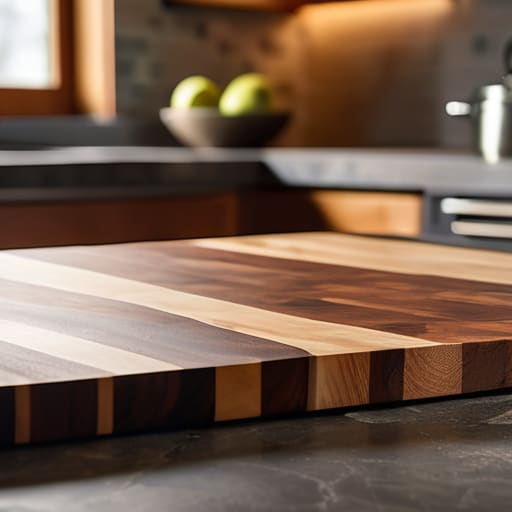
If you’re looking for the best wood for cutting boards, stop looking at the cheap, lightweight options that warp the moment they touch water. In my years managing logistics, I learned that the integrity of a material determines its lifespan. For a board that can actually handle a chef’s knife without splitting, you want something dense and oily. Maple is the gold standard—it’s tough, closed-grain, and incredibly resilient. Walnut is another excellent choice; it’s a bit more expensive, but the natural oils and deep color make it a piece that feels substantial under your hands.
Avoid those flimsy, mass-produced boards made of softwoods. They’ll develop deep grooves that trap bacteria, and before you know it, you’re tossing them in the bin. Instead, invest in a thick end-grain maple or walnut block. These are true non-toxic kitchen tools that respect your food and your health. If you treat them right and commit to regular seasoning wooden kitchenware with food-grade mineral oil, these boards won’t just last through your retirement—they’ll be ready for your grandkids to use.
Five Rules for Keeping Your Tools in Working Order
- Stop throwing them in the dishwasher. I don’t care what the box says; the heat and the chemicals will warp the wood and crack the grain faster than you can say “waste of money.” Hand wash them with warm water and dry them immediately.
- Treat the wood like a fine piece of furniture, not a disposable utensil. Every few months, rub them down with a food-grade mineral oil. It keeps the wood from drying out and prevents those annoying cracks from forming.
- Avoid the temptation of cheap, lightweight handles. When you’re shopping, pick up the tool. If it feels flimsy or hollow in your hand, put it back on the shelf. You want something with enough weight to feel substantial when you’re working.
- Never use your good wooden cutting boards for heavy-duty hacking. If you’re chopping through bone or frozen meat, use a heavy-duty plastic or composite board. Save the hardwood for the vegetables and bread so you don’t ruin the surface.
- Inspect your tools regularly for splinters or deep gouges. If a spoon starts feeling rough, don’t just toss it. Grab a bit of fine-grit sandpaper, smooth it out, and re-oil it. It’s more efficient than buying a replacement every time a surface gets uneven.
The Bottom Line: Buying for Longevity
Stop falling for the bamboo trap; if you want a tool that won’t warp or crack after six months of heavy use, stick to solid hardwoods like maple or walnut.
Look for seamless construction—anything with glued joints or flimsy handles is just more future landfill waiting to happen.
Invest in quality once and do the maintenance; a little bit of food-grade oil every few months is a small price to pay for a tool that lasts a lifetime.
The True Cost of Cheap Tools
“I’ve spent enough years managing supply chains to know that ‘cheap’ is usually the most expensive way to live. You can spend fifty dollars every year replacing flimsy, splintering gadgets, or you can spend it once on a solid piece of walnut that actually does the job. Buy for the life of the tool, not the convenience of the moment.”
Hugo Steenkamp
Making the Right Investment
At the end of the day, choosing the right kitchen tools comes down to simple math: cost versus longevity. We’ve looked at why you should steer clear of flimsy bamboo in favor of dense hardwoods, and why your cutting board shouldn’t be a disposable piece of plywood. If you pick a solid maple or walnut board and pair it with heavy-duty hardwood utensils, you aren’t just buying kitchenware; you are eliminating the cycle of constant replacement. Stop settling for the cheap, lightweight nonsense that ends up in a landfill every six months. When you prioritize substance over speed, you save money and reduce the clutter in your drawers.
My advice is to look at your kitchen through the lens of a long-term manager. Don’t shop for what looks good in a social media ad today; shop for what will still be functional and beautiful ten years from now. There is a particular kind of satisfaction that comes from using a tool that has developed a patina from years of hard work. Build a kitchen that is grounded in quality and purpose. Buy it once, buy it well, and let your tools be something you can actually be proud to pass down to the next generation.
Frequently Asked Questions
How often do I actually need to oil these tools to keep them from cracking?
Look, there’s no magic number, but if you want them to last, don’t wait for the wood to look parched. I usually check my tools once a month. If the surface feels dry or looks dull, get the oil out. If you’re using them daily for heavy cooking, maybe every two weeks. It’s a small bit of effort to prevent a split that’ll send the whole thing straight into the bin.
Is it safe to put wooden utensils in the dishwasher, or am I just asking for trouble?
If you’re looking for a way to destroy your tools, the dishwasher is the perfect place to start. I’ve seen enough warped, cracked, and moldy nonsense to know better. The intense heat and soaking water strip the natural oils right out of the grain, leaving the wood brittle and useless. Hand wash them with mild soap, dry them immediately, and occasionally rub them with food-grade mineral oil. Treat them with respect, and they’ll last.
How can I tell if a wooden spoon is actually solid wood or just cheap filler held together by glue?
Look at the grain. If you see a pattern that repeats perfectly every few inches, or if the “wood” looks like a patchwork quilt of different colored scraps, you’re looking at laminated junk held together by industrial glue. A real, solid spoon has a continuous, natural flow to the grain from handle to head. Give it a quick tap on a hard surface; a solid piece has a dull, heavy thud, not a hollow ring.
