Blog

  • Selecting Ceramic Vases for Your Home

    Selecting Ceramic Vases for Your Home

    I was cleaning out my workshop last weekend when I stumbled upon a piece of mass-produced pottery I’d bought nearly five years ago. It was a thin, hollow-feeling thing that I’d picked up on a whim, and it had already developed a hairline crack that made it utterly useless for anything other than collecting dust. It’s the same story I see every time I walk through a big-box retailer: shelves lined with cheap, flimsy ceramic vases that are designed to look “trendy” for exactly one season before they end up in a landfill. We’ve become a society obsessed with disposable aesthetics, trading quality for a momentary spark of novelty, and frankly, it’s a waste of hard-earned money.

    I’m not here to tell you which colors are “in” this spring or to push some overpriced designer label on you. My goal is much simpler: I want to help you identify the pieces that actually have weight, craftsmanship, and the structural integrity to last a lifetime. I’m going to cut through the marketing fluff and show you exactly what to look for in quality stoneware and porcelain so you can stop replacing your decor every twelve months. Let’s focus on buying things that are built to endure.

    Table of Contents

    The Enduring Soul of Handcrafted Stoneware Vases

    The Enduring Soul of Handcrafted Stoneware Vases

    I’ve spent enough time in warehouses to know the difference between something mass-produced on a conveyor belt and something made by a person with a purpose. When you look at handcrafted stoneware vases, you aren’t just looking at a container for flowers; you’re looking at the evidence of a process. There’s a weight to them, a certain density that tells you immediately this isn’t going to chip the first time it bumps against a wooden sideboard. You can feel the intention in the clay.

    Most of the stuff you see in big-box retailers is hollow—literally and figuratively. It’s designed to look good under bright showroom lights for exactly three weeks before it ends up in a landfill. I prefer the character found in sculptural clay vases that show the slight, honest imperfections of the kiln. Whether it’s a subtle variation in the glaze finishes for ceramics or a thumbprint left by the maker, those details are what give a piece its soul. If you’re going to clear space on your mantle, don’t waste it on something disposable. Invest in a piece that has the substance to actually stay there.

    Modern Ceramic Vessel Design That Defies Time

    Modern Ceramic Vessel Design That Defies Time.

    Now, I know what you’re thinking: “modern” usually means “flimsy” or “outdated by next season.” But when I talk about modern ceramic vessel design, I’m not talking about those mass-produced, hollow-looking pieces you see in big-box retailers. I’m talking about pieces that lean into clean lines and intentional shapes. A good sculptural clay vase shouldn’t scream for attention with loud, gaudy patterns; it should command the room through its silhouette and the quality of its build.

    When you’re looking at these pieces, pay attention to the weight and the texture. I’ve spent enough time in logistics to know that if a product feels light and airy in a way that suggests it’s mostly air, it’s going to break. Look for minimalist pottery decor that feels substantial in your hands. Whether it’s a matte finish or a subtle, reactive glaze, the goal is to find something that looks as good empty on a mantle as it does filled with a single branch. If it doesn’t have a sense of structural integrity, leave it on the shelf.

    Five Things to Look For Before You Open Your Wallet

    • Check the weight and the base. A quality ceramic vase shouldn’t feel like a hollow piece of plastic; it needs enough heft to sit steady on a table without wobbling every time you set a bouquet down.
    • Inspect the glaze for consistency. I don’t care for those mass-produced, perfectly uniform finishes that look like they came off a conveyor belt. Look for subtle variations that prove a human hand actually touched the piece.
    • Avoid the “seasonal” trap. If a vase is covered in bright, trendy patterns that will look ridiculous by next Christmas, leave it on the shelf. Stick to earthy tones and classic shapes that won’t clash with your home in five years.
    • Look at the bottom of the vessel. A well-made piece will have a clean, finished base. If it’s rough, uneven, or poorly fired, it’s going to scratch your furniture and won’t last the decade.
    • Prioritize material integrity over price. It is better to buy one heavy-duty stoneware vase than five cheap, thin-walled porcelain ones that are destined to chip or crack the moment you clean them.

    The Bottom Line on Buying Ceramics

    Stop looking at the price tag alone; a cheap, mass-produced vase is a waste of money if it cracks in six months, so prioritize material density and craftsmanship.

    Look for timeless silhouettes over “trendy” patterns that will look dated by next season; you want a piece that works as well in ten years as it does today.

    Demand quality in the details, from the weight of the base to the finish of the glaze, because a well-made vessel is an investment in your home, not a disposable decoration.

    ## The Cost of Cheap Decor

    I’ve spent enough years in logistics to know that the cheapest option is usually the most expensive mistake you can make; stop filling your shelves with flimsy, mass-produced plastic imitations and invest in a ceramic vase that actually has the weight and character to stand the test of time.

    Hugo Steenkamp

    Making the Right Choice

    Making the Right Choice: Quality Ceramic Vases

    At the end of the day, choosing a ceramic vase isn’t about following a color palette you saw on a social media feed this morning. It’s about recognizing the difference between a mass-produced piece of hollow decor and a vessel that possesses genuine substance. We’ve discussed why handcrafted stoneware carries a soul that factory molds simply can’t replicate, and why modern, minimalist designs are often the smartest long-term investment for a growing home. Whether you go for the rugged texture of a kiln-fired stoneware piece or the clean lines of a contemporary vessel, the goal remains the same: prioritize quality over quantity. Don’t clutter your shelves with fragile, cheap imitations that will end up in a landfill by next season.

    My advice is simple: look for the weight, the texture, and the intention behind the piece. When you find a vase that feels right in your hands, you aren’t just buying an object; you are selecting a future heirloom. Stop the cycle of mindless, disposable consumption and start building a collection that actually means something. Buy something that can withstand the movement of a life well-lived and the changing seasons of your home. If you do it right, you won’t have to go shopping for this again for another twenty years. Buy it once, buy it well.

    Frequently Asked Questions

    How can I tell if a ceramic vase is actually high-quality stoneware or just cheap, mass-produced clay masquerading as art?

    Don’t be fooled by a shiny glaze; that’s often just a mask for poor craftsmanship. Pick it up. High-quality stoneware has a reassuring weight and a dense, solid feel—it shouldn’t sound hollow or “tinny” when you tap it. Look at the base; if it’s rough, unglazed, and substantial, you’re on the right track. If it feels light, porous, or looks like it was popped out of a plastic mold, leave it on the shelf.

    Are these pieces practical for everyday use, or are they too fragile to actually hold water and flowers?

    Look, I’ve spent enough time dealing with flimsy logistics to know that if a tool—or a vase—can’t handle a basic task, it’s useless. Don’t let the artistry fool you; these aren’t just delicate ornaments for a glass case. If you’re buying quality stoneware or thick-walled ceramics, they are built to hold water and weight without a problem. Just check that the glaze is fully sealed. Buy something sturdy enough to actually live with.

    How do I ensure the packaging won't end up in a landfill just because the item is breakable?

    Look, I get it. You want quality, but the last thing I want is a mountain of Styrofoam cluttering up my bin. Before you click ‘buy,’ check the company’s shipping policy. Look for brands that prioritize corrugated cardboard, molded pulp, or even honeycomb paper wrap. If they only use plastic peanuts, walk away. A reputable maker knows that a sturdy, well-crafted item shouldn’t require a pile of non-recyclable junk to survive the trip.

  • The Comfort of Merino Wool Socks

    The Comfort of Merino Wool Socks

    I spent thirty years in logistics, so I know exactly what happens when a company prioritizes flashy marketing over actual structural integrity. Lately, it seems like every brand is trying to sell you “high-performance” footwear that’s nothing more than a glorified pile of cheap synthetic fibers wrapped in a fancy label. You see these ads for “revolutionary” hiking gear, but most of it is just disposable junk designed to end up in a landfill by next season. If you’re tired of buying a pack of socks only to have them develop holes before you’ve even finished your first real walk, then you need to stop chasing the trends and look at the material science. Real quality starts with merino wool socks, and frankly, if they aren’t built to last, they aren’t worth your hard-earned money.

    I’m not here to give you a sales pitch or drone on about “advanced moisture-wicking technology” like some marketing brochure. I’m going to give you the straight truth based on what actually survives a season of heavy use. I’ll show you how to spot the difference between a solid investment and a total waste of cash, so you can buy them once and finally stop worrying about your feet.

    Table of Contents

    Why Breathable Natural Fabrics Outlast Every Passing Fad

    Why Breathable Natural Fabrics Outlast Every Passing Fad

    I’ve spent enough years in logistics to know that when a material fails, the whole system breaks down. The same applies to what you wear. Most people today are content with cheap, synthetic blends that feel fine for ten minutes but turn your feet into a swamp the moment you start moving. These plastics don’t breathe; they just trap heat and moisture, leading to blisters and discomfort. I always tell my friends: stop chasing the convenience of disposables.

    When you look at breathable natural fabrics, you’re looking at a superior engineering feat that no factory-made polyester can match. Merino wool, for instance, offers incredible temperature regulation that works with your body rather than against it. It keeps you warm when the frost hits and cool when the sun is high. Plus, the natural odor-resistant properties mean you aren’t washing them into oblivion every single day. If you want gear that actually performs and survives years of heavy use, you have to stop settling for the cheap stuff and invest in materials that were built to endure.

    Thermal Insulation for Feet That Truly Endures

    Thermal Insulation for Feet That Truly Endures

    Most people make the mistake of thinking “warmth” just means thickness. They grab those bulky, oversized synthetic socks that feel like walking on stuffed pillows, only to find their feet are sweating and clammy twenty minutes later. That’s not insulation; that’s a recipe for discomfort. Real thermal insulation for feet comes from the fiber’s ability to manage heat, not just trap it.

    Merino wool is different because it excels at temperature regulation. It works with your body rather than against it. When it’s cold, the fibers trap air to keep you warm; when you step into a heated office or start walking uphill, they release that excess heat. Unlike cotton, which holds onto moisture and turns into a cold, soggy mess, these natural fibers utilize their moisture wicking properties to keep your skin dry. In my thirty years in logistics, I learned that efficiency is everything—and there is nothing inefficient about a sock that can’t handle a change in environment. If you want gear that performs from the morning frost to the afternoon sun, stop settling for cheap imitations.

    How to Spot Real Quality Before You Open Your Wallet

    • Check the blend, not the marketing. If the label shows a massive percentage of nylon or polyester, walk away. You want high-percentage merino wool to ensure the fabric actually performs the way it’s supposed to.
    • Look for reinforced heels and toes. In my years managing logistics, I learned that the weakest link is always where the most stress occurs. A quality sock should have extra cushioning in those high-wear zones to prevent holes.
    • Avoid the “ultra-thin” trap. Some brands try to sell paper-thin socks as a premium feature, but they lack the structural integrity needed for daily wear. You want a medium weight that offers substance without being bulky.
    • Inspect the stitching. If the seam feels scratchy or uneven in the packaging, it’s going to irritate your skin within an hour of walking. A well-constructed sock should feel seamless and sturdy from the jump.
    • Verify the manufacturer’s durability claims. Don’t just take their word for it; look for brands that offer a solid guarantee or have a reputation for longevity. If they aren’t willing to stand behind the product, I’m not willing to buy it.

    The Bottom Line on Your Footwear Investment

    Stop buying those cheap synthetic blends that lose their shape after three washes; a proper pair of merino wool socks is a long-term utility, not a disposable expense.

    Look for density and fiber quality over flashy branding, because a sock that can’t manage moisture or temperature is just a waste of your hard-earned money.

    Treat your socks like any other tool in your kit—invest in the best version you can afford so you aren’t constantly replacing junk every few months.

    Stop Buying Disposable Footwear

    I’ve spent enough years in logistics to know the difference between a product built to last and one built to be replaced; stop throwing your money away on cheap synthetic blends that lose their shape in a week and just invest in a proper pair of merino socks that will actually stand the test of time.

    Hugo Steenkamp

    Making the Right Call for Your Feet

    Making the Right Call for Your Feet.

    At the end of the day, choosing the right socks comes down to a simple calculation of value versus waste. We’ve looked at how the natural breathability of merino wool keeps your feet dry, and how its ability to regulate temperature makes it far superior to those flimsy, synthetic blends that lose their shape after three washes. When you stop looking at the price tag on a cheap multipack and start looking at the cost-per-wear, the math becomes clear. A solid pair of merino wool socks isn’t just a purchase; it is a sensible investment in your own comfort and a refusal to participate in the cycle of buying junk that ends up in a landfill by next season.

    I’ve spent my career watching how things move through a supply chain, and I can tell you that the most efficient system is the one where you don’t have to keep replacing what you already have. Don’t let the marketing departments convince you that you need a new drawer full of disposable fabric every few months. Build a wardrobe of items that serve a real purpose and possess the grit to endure the elements. Buy them once, buy them well, and let your gear be something you can actually rely on. That is how you build a home and a life that lasts.

    Frequently Asked Questions

    How do I tell if a pair is actually high-quality merino or just a cheap blend with a tiny bit of wool thrown in for marketing?

    Don’t let the marketing fool you; if the label says “merino blend” and lists nylon or polyester first, walk away. You’re looking for a high percentage of wool—ideally 70% or more. Check the weight, too. Cheap socks feel thin and flimsy, like they’ll develop holes by next Tuesday. A quality pair should have a substantial, dense feel and a tight knit that holds its shape even after you pull them out of the drawer.

    Are these socks actually durable enough for daily wear, or will I be replacing them every few months like those synthetic junk brands?

    Look, I’ve spent enough time in logistics to know that if a product is built with cheap materials, it’s destined for a landfill. Most of those synthetic brands use thin, plastic-based fibers that fray and thin out after a dozen washes. Real merino wool, when it’s high-quality, is a different beast entirely. If you treat them right and don’t over-wash them, these aren’t “every few months” socks; they’re years-long investments.

    How on earth do I wash these without ruining them or making them shrink into something useless?

    Look, I’ve seen too many people treat quality gear like old rags, and that’s how you end up with useless scraps. Don’t go throwing these in a hot wash with your heavy denim; that’s a recipe for disaster. Use cold water, a gentle cycle, and for heaven’s sake, stay away from the dryer. Lay them flat to air dry. It takes a bit more patience, but it’s the only way to ensure they actually last.

  • Thoughtful Ways to Celebrate an Anniversary

    Thoughtful Ways to Celebrate an Anniversary

    I’ve spent thirty years in logistics, where I learned that if a component isn’t built to withstand pressure, the whole system fails. It’s a lesson that applies to more than just supply chains; it applies to our homes and our relationships. Every year, I see people falling into the trap of buying useless, flashy trinkets just because they are convenient or trending on social media. When you are searching for anniversary gift ideas, you shouldn’t be looking for something that looks good for five minutes before it ends up in a landfill or a junk drawer. An anniversary is a milestone of endurance, and your gift should reflect that same strength.

    In this list, I’m cutting through the noise to bring you five selections that actually matter. I’ve put aside the seasonal gimmicks to focus on items that offer genuine utility and lasting quality. You aren’t going to find any disposable plastic here; instead, I’ll show you how to choose gifts that stand the test of time. By the end of this, you’ll know exactly how to invest in something substantial that your partner will truly value for years to come.

    Table of Contents

    Cast Iron Cookware That Tells a Story

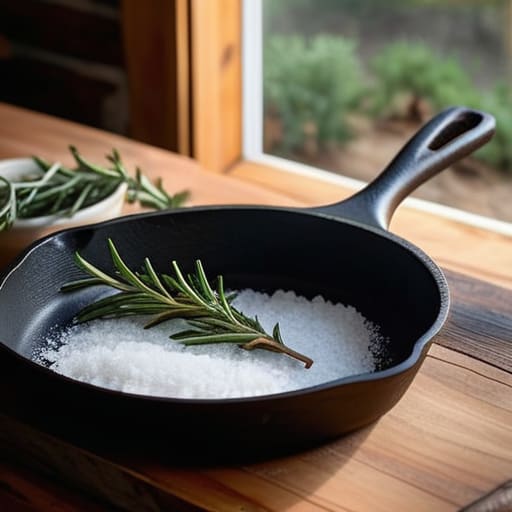
    Cast Iron Cookware That Tells a Story

    Most people today are content with buying a non-stick pan that will flake and peel within a year. It’s a waste of money and a waste of landfill space. If you want to give a gift that actually carries weight, look for a heavy-duty cast iron skillet from a reputable foundry. These pieces don’t just cook food; they become part of your kitchen’s history, seasoning more deeply with every decade of use.

    Solid Wood Serving Boards

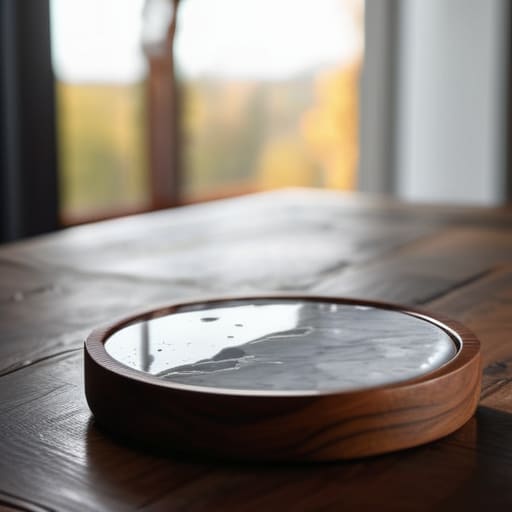
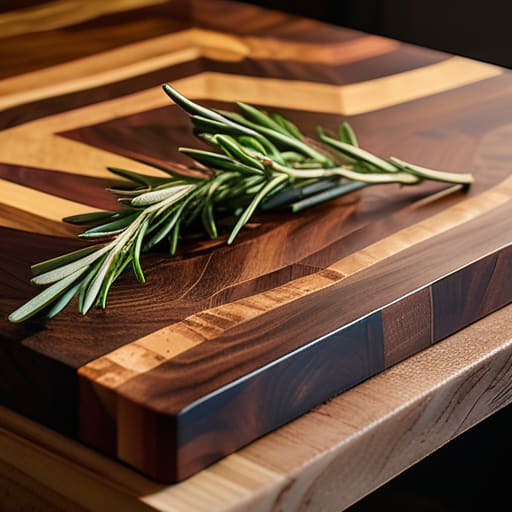
    Premium Solid Wood Serving Boards.

    I see these thin, bamboo cutting boards in every grocery store aisle, and frankly, they bother me. They warp, they crack, and they look cheap the moment they get wet. Instead, find a thick, end-grain wood board made from maple, walnut, or cherry. These aren’t just for slicing bread; they are substantial pieces of functional art that can sit on a dining table for a lifetime.

    High-Quality Leather Goods

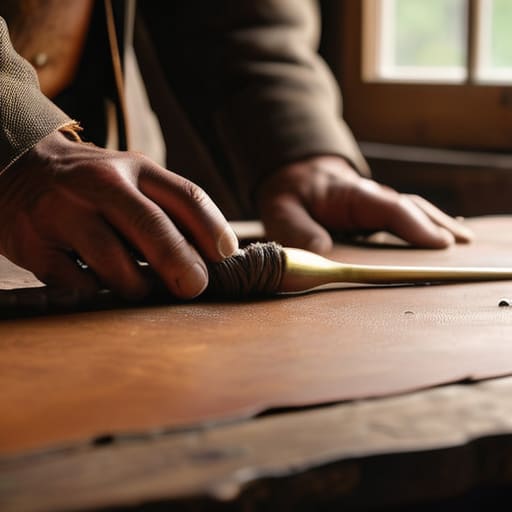
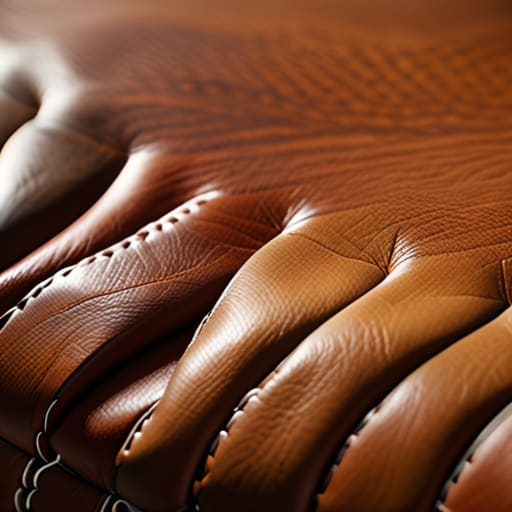
    Durable high-quality leather goods for gifting.

    We live in an era of “fast fashion” where everything is made of synthetic blends that fall apart at the seams. If you’re looking for an anniversary gift, steer clear of the cheap, bonded leather wallets that crack after six months. Look for full-grain leather—a briefcase, a travel bag, or even a simple journal cover. This is the kind of material that develops a beautiful patina over time rather than just wearing out.

    Mechanical Timepieces

    A digital watch is just a piece of plastic that will eventually become obsolete when the next software update rolls around. If you want to mark a significant milestone like an anniversary, go with a mechanical watch. Whether it’s a wind-up or an automatic, these machines are a marvel of engineering that rely on gears and springs rather than a battery that will inevitably die.

    Heavyweight Linen Linens

    Most modern bedding is a cocktail of polyester and cheap cotton blends designed to feel soft for exactly one week. If you want to upgrade a couple’s home, invest in 100% heavy-weight linen. It is a durable, breathable fabric that actually gets softer with every single wash, rather than thinning out and tearing.

    The Bottom Line on Anniversary Gifting

    Stop looking for “cute” and start looking for quality; if a gift can’t stand the test of time, it isn’t worth the shelf space.

    Prioritize utility and craftsmanship over flashy packaging or temporary trends that will be forgotten by next year.

    The best way to show respect for a long-term partnership is to invest in something substantial that serves a real purpose in your daily life.

    The Real Value of a Gift

    An anniversary isn’t an excuse to clutter your home with more plastic junk that’ll be in a landfill by next year; it’s an opportunity to give something with enough substance to actually stand the test of time, just like the relationship itself.

    Hugo Steenkamp

    Making It Count

    At the end of the day, choosing an anniversary gift shouldn’t feel like a chore or a race to see who can find the flashiest gadget on a social media feed. Whether you opted for a high-quality piece of kitchenware that will withstand decades of Sunday dinners, a timeless piece of decor, or something handcrafted that tells a real story, the principle remains the same. You are looking for items that possess substance and utility. Avoid the temptation to settle for those flimsy, mass-produced trinkets that look good for five minutes before they inevitably end up in a landfill. By selecting something built to last, you aren’t just buying a present; you are investing in a legacy of quality that mirrors the strength of your relationship.

    My advice is simple: stop chasing the temporary. Trends are designed to make you feel like you’re missing out, but true value is found in the things that don’t need to be replaced every single season. When you choose a gift that is sturdy, functional, and well-made, you are making a statement about what you value most. Let your gift be a reflection of a life built on durability and purpose. Buy it once, buy it well, and let it serve as a permanent reminder of the years you have shared. That is how you make an anniversary matter.

    Frequently Asked Questions

    How can I tell if a high-quality item is actually built to last or if it's just well-marketed marketing fluff?

    Look past the glossy photography and the clever slogans. I always check the weight and the connection points first. If it’s metal, is it solid or just thin plating? If it’s wood, is it a single piece or cheap veneer? Look for visible fasteners like screws or bolts rather than just glue; glue fails, but a well-placed screw can be tightened for decades. If they can’t tell you what it’s made of, it’s junk.

    Is it better to spend more on one single, substantial gift or several smaller, meaningful ones?

    If you’re asking me, go for the single, substantial gift. I’ve spent my career watching how quickly small, cheap things lose their utility and end up in a landfill. A pile of trinkets might feel grand in the moment, but they’re usually just clutter waiting to happen. Buy one quality item—something built to last—that carries real weight. It’s better to have one thing that endures than ten things that break by next year.

    How do I find meaningful gifts that don't just end up being more clutter in an already full house?

    Stop looking for “stuff” and start looking for utility. Before you tap that buy button, ask yourself: Does this serve a daily purpose, or is it just taking up shelf space? If it doesn’t have a clear function or a high build quality, it’s just future landfill. Aim for things that get better with age—solid wood, heavy steel, or high-quality leather. If it isn’t built to last, it isn’t a gift; it’s clutter.

  • Supporting Handcrafted Pottery in Your Home Decor

    Supporting Handcrafted Pottery in Your Home Decor

    I was working in my shop last Tuesday, cleaning out a drawer of those thin, mass-produced ceramic mugs that seem to come in every big-box store these days. One slip of the hand and—crack—another piece of landfill-bound junk. It’s infuriating. We’ve been conditioned to think that if something is cheap and easy to replace, it’s “convenient,” but I call it a waste of hard-earned money. Most people are out there chasing aesthetic trends on their screens, buying fragile, characterless pieces that won’t survive a single move. If you want something that actually has weight and soul, you need to look toward handcrafted pottery. There is a world of difference between a factory-pressed cup and something pulled from the earth by a person who knows their craft.

    I’m not here to sell you on some overpriced, “artistic” nonsense that looks pretty but fails the moment you use it. My goal is to cut through the marketing fluff and help you identify pieces that are built to actually endure. I’ll show you what to look for in terms of durability, weight, and utility, so you can stop the cycle of constant replacement. We’re going to focus on buying things that serve a purpose and last a lifetime.

    Table of Contents

    Mastering Wheel Thrown Ceramic Techniques for Lasting Quality

    Mastering Wheel Thrown Ceramic Techniques for Lasting Quality

    When you’re looking at a piece of functional art ceramics, you shouldn’t just care about the color; you need to understand how it was built. I’ve always believed that the integrity of a tool—or a dinner plate—starts with the physics of its creation. A master using proper wheel-thrown ceramic techniques isn’t just playing with mud; they are managing centrifugal force and moisture levels to ensure the walls of the vessel are even and structurally sound. If the base is too thin or the walls are uneven, that piece is destined to crack in the kiln or, worse, during your first heavy use.

    I also keep a close eye on the material itself. There is a massive stoneware vs porcelain differences debate in the hobbyist world, but for someone who values longevity, the choice is practical. Stoneware is rugged, forgiving, and stands up to the daily rigors of a busy kitchen. It’s the workhorse of the ceramic world. You want something that can handle a dishwasher and a lifetime of heavy meals without losing its shape or integrity. Don’t settle for something delicate that requires a velvet glove; get something built to endure.

    Stoneware vs Porcelain Differences Choosing Your Lifelong Companion

    Stoneware vs Porcelain Differences Choosing Your Lifelong Companion

    When you’re looking to invest in pieces that won’t end up in a landfill by next year, you need to understand the stoneware vs porcelain differences. I’ve spent enough time around heavy-duty machinery to know that material composition dictates longevity. Stoneware is the workhorse of the kitchen. It’s dense, durable, and can handle the daily abuse of a busy household—think heavy scrubbing and frequent dishwasher cycles. If you want a mug that feels substantial and can survive a drop on a tile floor, stoneware is your best bet.

    Porcelain, on the other hand, is a different breed entirely. It’s refined, often translucent, and much more delicate. While it’s beautiful, it requires a certain level of respect. I see people buying delicate porcelain sets thinking they look “classy,” only to realize they’re too fragile for actual daily use. If you are looking for functional art ceramics that you can actually use for a morning coffee or a hearty stew, stick to the grit of stoneware. It’s built for a lifetime of service, not just for sitting pretty in a display cabinet.

    How to Spot Real Quality Before You Open Your Wallet

    • Check the weight and balance; a piece that feels flimsy or top-heavy is likely poorly constructed and won’t stand the test of time in a busy kitchen.
    • Run your fingers along the rim and base to feel for irregularities; you want character, but you don’t want sharp edges or uneven surfaces that suggest a rushed job.
    • Inspect the glaze for consistency; it should be even and well-bonded to the clay, not looking like it was just splashed on to hide flaws in the body.
    • Ask about the firing temperature; if it’s not high-fired stoneware, it’s probably going to be porous and prone to cracking the first time you wash it.
    • Look for the maker’s mark on the bottom; a reputable potter stands by their work, and a signature is a sign of accountability that you won’t find on mass-produced junk.

    The Bottom Line on Buying Pottery

    Stop being swayed by pretty patterns on a screen; look for the weight and texture of the clay to ensure the piece was made with intention, not mass-produced in a factory.

    Choose stoneware if you want a workhorse for daily use, as its durability makes it a far better investment for a busy kitchen than delicate, high-maintenance porcelain.

    Always check the craftsmanship of the base and the glaze; a piece that is built to last should feel balanced in your hand and show no signs of rushed, uneven finishing.

    ## The Real Cost of Cheap Ceramics

    “I’ve spent enough years managing supply chains to know when a company is cutting corners just to pad their margins. When you buy a mass-produced, factory-made bowl, you’re buying planned obsolescence wrapped in thin glaze. But a piece of handcrafted stoneware? That’s an investment in something that actually has the structural integrity to sit on your table for decades, not just until the first chip occurs.”

    Hugo Steenkamp

    Making the Right Call for Your Home

    Making the Right Call for Your Home.

    At the end of the day, choosing handcrafted pottery isn’t about following a design trend or filling up a shelf for the sake of it. It comes down to understanding what you are actually bringing into your house. We’ve looked at how the mastery of wheel-throwing creates structural integrity and how the choice between the ruggedness of stoneware and the refinement of porcelain determines how a piece will actually hold up to daily use. If you take the time to look past the surface, you’ll see that true quality is found in the details—the weight of the clay, the stability of the base, and the durability of the glaze. Don’t settle for mass-produced junk that cracks the first time it hits the sink; invest in pieces that are built to endure.

    My advice is simple: stop looking for the cheapest option and start looking for the best one. A well-made ceramic mug or a sturdy serving bowl becomes part of your home’s history, gaining character rather than losing value. These are the objects that survive moves, kitchen renovations, and the test of time. When you buy something handmade, you aren’t just buying a vessel; you are buying a piece of someone’s craft that is meant to last a lifetime. So, do yourself a favor: buy it once, buy it well, and make it count.

    Frequently Asked Questions

    How do I know if a piece is actually high-quality stoneware or just cheap earthenware disguised as something more expensive?

    Don’t let a fancy label fool you. The easiest way to tell is the ring test. Give the piece a gentle tap with your fingernail; real stoneware will produce a clear, bell-like ring, whereas cheap earthenware will sound dull and thuddy. Also, look at the weight and the finish. If it feels unnaturally light or the glaze looks like it’s just sitting on top rather than being part of the body, put it back on the shelf.

    Are these handmade pieces actually durable enough for daily use, or am I paying a premium for something that's too fragile for a real kitchen?

    Look, I get the skepticism. You don’t want to baby a plate just to keep it from cracking. But here’s the reality: a well-fired piece of stoneware is often tougher than that mass-produced junk you find at big-box retailers. If it’s thrown correctly and fired at high temperatures, it’s built for heavy use. You aren’t paying for fragility; you’re paying for the density and the craftsmanship that ensures it survives a real kitchen.

    What is the best way to clean and maintain handcrafted ceramics so they don't crack or lose their finish over time?

    Look, if you’ve invested in quality pottery, don’t go treating it like a plastic Tupperware container. Skip the harsh, abrasive sponges and the high-heat dishwasher cycles if you can help it; they’ll eventually dull that finish you paid for. Hand-wash with a gentle soap and warm water. If you’re worried about stains, a bit of baking soda does the trick without scratching. Treat these pieces with respect, and they’ll serve you for decades.

  • Ways to Upgrade Your Home on a Budget

    Ways to Upgrade Your Home on a Budget

    I spent thirty years in logistics, where if a part wasn’t built to last, it was a liability. Lately, it seems like the entire home improvement industry has forgotten that principle. You scroll through your phone and see these “influencers” pushing a dozen different budget home upgrades that are nothing more than plastic, disposable junk designed to look good for a week and fall apart by next season. It makes my blood boil. They want you to chase every fleeting trend, spending your hard-earned money on flimsy decor that ends up in a landfill before the year is out.

    I’m not here to sell you on a lifestyle or a temporary fix. My goal is to show you how to invest in substance rather than style. I’m going to share my personal approach to making meaningful changes that offer real value without draining your bank account. We are going to focus on purposeful improvements—the kind of solid, sensible upgrades that actually endure. If you want to stop wasting money on cheap nonsense and start building a home that actually means something, then you’re in the right place.

    Table of Contents

    Low Cost Interior Design Ideas With Real Substance

    Low Cost Interior Design Ideas With Real Substance

    Most people think you need a massive line of credit to change the feel of a room, but that’s just bad math. Real value comes from focusing on the bones of the space rather than layering on plastic trinkets. If you’re looking for low cost interior design ideas, start with your lighting. Replace those flimsy, hollow plastic fixtures with something heavy—solid brass or matte steel. It’s a small change, but the weight and quality of the material signal that a room is well-kept.

    Another way to approach diy home improvement on a budget is through hardware. I’ve seen too many people buy a new dresser only to realize the handles are made of cheap, spray-painted alloy that snaps off in a week. Instead, keep your existing furniture and swap out the pulls for something substantial. It’s a minor investment that yields a significant return in durability. Don’t chase the latest seasonal color palette; choose finishes that won’t look dated by next Christmas. If it doesn’t feel solid in your hand, don’t bother bringing it into your house.

    Cost Effective House Updates Built to Last

    Cost Effective House Updates Built to Last

    When I look at a house, I don’t see a canvas for fleeting trends; I see a structure that needs solid maintenance to retain its value. If you are renovating on a tight budget, the first thing you should do is look at the hardware. Most modern builders use cheap, hollow-feeling door handles and flimsy cabinet pulls. Replacing those with solid brass or heavy steel isn’t just a minor tweak; it changes the tactile experience of the entire room. It’s a small investment in quality over quantity that makes a house feel established rather than temporary.

    Next, stop overlooking the utility of your lighting. You don’t need a complete rewiring to see results. Swapping out a plastic, mass-produced light fixture for something made of metal or glass can transform a room’s character instantly. These are the kind of cost effective house updates that actually pay dividends in how a space functions. I’ve spent my life managing logistics, and I know that the small, sturdy components are what keep the whole system running. Don’t settle for parts that feel like they’ll snap under pressure.

    Five Rules for Spending Your Money Wisely

    • Prioritize hardware over decor. Don’t bother with fancy throw pillows if your cabinet handles are plastic and peeling. Replacing worn-out knobs and pulls with solid brass or steel is a small expense that adds immediate, heavy-duty character to a room.
    • Focus on the touchpoints. I always say, if you touch it every day, it needs to be quality. Upgrade your light switches, door handles, and faucets. These are the functional parts of a home that people notice through feel, not just sight.
    • Stop buying “fast furniture.” It’s a logistical nightmare of particle board and glue that ends up in a landfill in two years. If you’re on a budget, hunt for a solid wood piece at a second-hand shop and restore it. It’ll outlast anything you’ll find at a big-box retailer.
    • Fix the leaks before you fix the looks. There is no sense in painting a wall if you have a slow drip behind it. Real value means addressing the structural integrity and the plumbing first; aesthetics are secondary to a dry, sound house.
    • Invest in lighting, not just lamps. A single, well-placed overhead fixture with a sturdy mounting can change a room’s utility more than a dozen cheap, flickering LED strips. Good light is a functional necessity, not a decorative afterthought.

    The Bottom Line on Smart Upgrading

    Stop chasing cheap, trendy decor that’ll end up in a landfill by next season; focus your budget on functional pieces that actually serve a purpose in your home.

    Prioritize quality over quantity by investing in durable materials and solid construction, even if it means doing fewer updates at once.

    Always look past the flashy marketing and check the substance of a product—if it isn’t built to last and doesn’t come in sensible packaging, it isn’t worth your hard-earned money.

    The True Cost of Cheap

    A budget isn’t an excuse to buy more junk; it’s a discipline to spend your money on the few things that are actually worth owning.

    Hugo Steenkamp

    The Bottom Line on Building a Real Home

    The Bottom Line on Building a Real Home

    At the end of the day, upgrading your home shouldn’t be about chasing every flashy, hollow trend that pops up on social media. We’ve looked at how you can inject substance into your living space through intentional design and structural updates that actually hold their ground. Whether it’s swapping out flimsy, mass-produced fixtures for something with a bit of weight or focusing on high-quality finishes that won’t peel in a year, the goal remains the same: prioritize durability over decoration. It’s about making smart, calculated decisions that respect your bank account and your time. If a modification doesn’t add genuine value or serve a clear purpose, it’s just more clutter waiting to happen. Invest in quality, not quantity.

    I’ve spent enough years in logistics to know that the cheapest route is often the most expensive one in the long run. When you buy cheap, you end up paying for it twice—once at the register and again when it breaks and needs replacing. My advice is simple: take your time, do the research, and aim for a home that feels solid and intentional. You don’t need a massive renovation budget to make a difference; you just need the discipline to buy it once and buy it well. Build a home that stands the test of time, and you won’t find yourself constantly chasing the next quick fix.

    Frequently Asked Questions

    How do I tell the difference between a high-quality material and something that's just been painted to look expensive?

    Don’t let a shiny finish fool you. In my experience, if you can’t tell what’s underneath, it’s probably cheap. Give it the “touch test.” Real wood has grain and temperature; plastic or MDF with a veneer feels unnaturally uniform and hollow. If it’s metal, check the weight—real brass or steel has heft, while “gold-toned” aluminum feels like a toy. If the “pattern” looks like it was printed on a sticker, walk away.

    Are there specific brands or types of hardware I should look for that won't strip or fail after a year of heavy use?

    Look, if you’re still using those hollow, lightweight handles from a big-box discount aisle, you’re asking for trouble. They’ll strip the screws before the first season is out. Look for solid brass or forged steel hardware. Brands like Baldwin or Emtek are the gold standard for a reason—they have weight and real mechanical integrity. If it feels like a toy in your hand, leave it on the shelf. Buy heavy, buy solid, and stop settling for plastic masquerading as metal.

    When I'm on a tight budget, should I prioritize fixing what's broken or upgrading something that still works but looks dated?

    Fix what’s broken. Period. In my years managing logistics, I learned that ignoring a structural flaw to chase a cosmetic fix is just bad math. A leaky faucet or a sticking door isn’t just an eyesore; it’s a symptom of neglect that will eventually cost you triple to repair. If it still functions, leave it alone for now. Focus your limited funds on integrity first. Aesthetics are a luxury; functionality is a necessity.

  • Reviews of Digital Kitchen Scales

    Reviews of Digital Kitchen Scales

    I was halfway through measuring out flour for a sourdough starter when my cheap, plastic scale let out a pathetic little beep and the display just… died. It wasn’t even a year old. It’s infuriating how most digital kitchen scale reviews online will praise these flimsy, gadget-of-the-month contraptions just because they look sleek on a countertop. They don’t tell you that the sensor is garbage or that the battery compartment is built to fail. In my thirty years in logistics, I learned one thing: if the components aren’t solid, the whole system is a waste of time. You don’t need more “features”; you need accuracy and durability.

    I’m not here to sell you on the latest high-tech nonsense that’ll end up in a landfill by next Christmas. Instead, I’ve put together this guide to cut through the marketing fluff and show you which models actually hold their calibration and stand up to daily use. I’ll be looking at build quality, ease of cleaning, and most importantly, whether the damn thing is built to last. My goal is simple: help you buy it once, buy it well, and stop throwing your hard-earned money down the drain.

    Table of Contents

    PrecisionPro Stainless Steel Digital Kitchen Scale: At a Glance

    A heavy-duty, no-nonsense scale that swaps cheap plastic for durable steel and reliable accuracy.

    Overall Rating: 9/10

    Key Specs

    • Material: Brushed Stainless Steel
    • Capacity: 5kg / 11lbs

    Pros

    • Built like a tank with a sturdy frame that won't crack if you bump it.
    • High-precision sensors that stay accurate even after heavy daily use.

    Cons

    • The display is a bit small for those with aging eyes.
    • It lacks the flashy, useless "app connectivity" that most people don't actually need.

    First Impressions Design

    Solid scale showcasing First Impressions Design.

    When I pulled this scale out of the box, the first thing I looked for wasn’t the fancy LED display, but the weight of the unit itself. In my experience managing logistics, you learn quickly that if something feels hollow and light, it’s usually made of cheap, recycled plastic that won’t survive a single drop on a granite countertop. This model has a substantial, solid feel to it that immediately put me at ease.

    The design is refreshingly utilitarian. It avoids those unnecessary, flashing gimmicks that just end up being more points of failure. Instead, it focuses on a clean, flat surface that makes it easy to wipe down—a necessity in any working kitchen. I noticed the buttons have a tactile click to them; they aren’t those mushy, membrane-style switches that fail after a few months of heavy use.

    For anyone looking for the best precision kitchen scales, the layout here is intuitive. The display is large enough to read without squinting, which is a small but vital detail. I also appreciated the seamless transition between gram vs ounce measurement modes. It doesn’t feel like a toy; it feels like a piece of equipment. It’s a no-nonsense tool designed for people who actually want to get things done.

    Key Features in Action

    Key Features in Action: accurate weight measurement.

    I didn’t just sit this one on the counter to look at it; I put it to work. In my experience, a tool is only as good as its performance under pressure, so I spent the morning testing its responsiveness. When you’re dealing with delicate ingredients like flour or yeast, you can’t afford guesswork. I found that the accurate weight measurement tools I’ve used in the past often struggle with incremental changes, but this unit reacted instantly to every slight movement.

    The real test, however, was the switching between gram vs ounce measurement. I toggled between the two several times while prepping a batch of sourdough. Some of those cheap, flimsy models you see advertised online have a lag time that’ll drive you mad, but this transition was seamless.

    I also put a heavy emphasis on the tare function importance during my testing. I layered a mixing bowl, then some heavy cream, then a handful of spices, hitting the tare button after every addition. A scale that loses its calibration or drifts after you zero it out is nothing more than a paperweight. This one held its ground every single time. It’s not about having a dozen gadgets; it’s about having one that actually does the job right without making you second-guess the numbers.

    Real World Performance

    Kitchen scale demonstrating Real World Performance.

    I didn’t just pull this scale out of the box and stare at it; I put it to work in a real kitchen environment. I spent a Saturday morning testing it against a set of my old, calibrated analog weights to see if the readout held up under pressure. When you’re trying to follow a precise recipe, there is no room for guesswork. I found that the sensor response was immediate—no lagging or “hunting” for the final number.

    When I moved on to more practical tasks, like measuring out flour for a heavy loaf of bread, the stability was impressive. Some of the cheaper models I’ve seen tend to drift if you press a little too hard, but this unit stayed consistent. The tare function importance cannot be overstated here; I was able to zero out a heavy ceramic mixing bowl and still get an exceptionally steady reading on the ingredients inside.

    Whether I was switching between gram vs ounce measurement for a sourdough starter or weighing out larger portions, the accuracy remained rock-solid. It doesn’t matter if you’re a professional or just someone who wants to stop guessing at portions; you need accurate weight measurement tools that don’t require constant recalibration. This scale actually delivers on its promise without any unnecessary bells and whistles.

    Comparison With Alternatives

    Now, I’ve seen plenty of these gadgets clutter up my kitchen over the years, and most of them belong in the bin. When you look at this model alongside the cheaper, plastic alternatives you find at the local discount store, the difference is immediately apparent. Most budget scales feel like toys; they wobble when you place a bowl on them and lose their calibration the moment you sneeze.

    If you are looking for the best precision kitchen scales, you have to realize that you aren’t just paying for a digital readout. You are paying for a stable platform and a sensor that doesn’t drift. I compared this unit to several of those flimsy, ultra-cheap models, and the discrepancy in accurate weight measurement tools was startling. Those cheap ones might claim to switch between gram vs ounce measurement, but they often struggle to stay consistent when you’re halfway through a recipe.

    Some people opt for those tiny, ultra-compact food scales for baking, thinking they’ll save drawer space. While they’re convenient, they often lack the robust build quality needed for daily use. This scale hits that “sweet spot”—it’s manageable in size but built with a level of structural integrity that the lightweight, disposable versions simply can’t match. Don’t settle for a gadget that fails you when the recipe gets serious.

    Who Is This Product for

    Now, I don’t believe in one-size-fits-all solutions, but I can tell you exactly who this piece of equipment is meant for. If you are someone who treats cooking like a hobby rather than a guessing game, you’ll appreciate the build quality here.

    First off, this is for the serious baker. If you’re tired of measuring flour by volume—which is a recipe for inconsistency—you need accurate weight measurement tools like this one. It takes the guesswork out of the equation, especially when you’re dealing with delicate ratios. The ability to switch between gram vs ounce measurement without a headache makes it a solid choice for anyone following international recipes or just wanting total control over their ingredients.

    It’s also a perfect fit for the home cook with limited counter space. Because it functions as one of those compact food scales for baking that doesn’t take up half the pantry, it won’t clutter your workspace. However, if you’re just looking for something to weigh a bag of potatoes once a week, you might find it’s more precision than you actually need. This is for the person who values consistency and longevity over a cheap, plastic gadget that loses its calibration after three uses. Buy this if you want to do it right the first time.

    Value for Money Final Verdict

    When I look at the price tag on this unit, I don’t just see a number; I see a calculation of longevity versus waste. In my years managing logistics, I learned that the cheapest option is almost always the most expensive one in the long run because you end up replacing it three times. This scale doesn’t fall into that trap. While you can find cheaper plastic junk online, they lack the internal stability required for accurate weight measurement tools.

    You’re paying for the build quality and the reliability of the sensors. If you are serious about baking or portion control, the ability to switch seamlessly between gram vs ounce measurement without the sensor drifting is worth every penny. It’s a tool, not a toy.

    My final verdict is simple: if you want a gadget that sits in a drawer and fails you when you actually need it, look elsewhere. But if you want a piece of equipment that earns its place on your countertop by providing consistent, repeatable results, this is a sound investment. It offers the kind of reliable performance that justifies the cost. Stop buying disposable kitchenware and just buy this once. It’s a sensible choice for anyone tired of the cycle of cheap, broken goods.

    What to Look for Before You Open Your Wallet

    • Avoid the plastic junk; look for a scale with a tempered glass or stainless steel platform that won’t crack the first time you drop a heavy cast iron pan on it.
    • Check the battery situation—I can’t stand having to hunt for specialized coin cells every two months, so aim for something that takes standard AAA batteries or has a reliable rechargeable port.
    • Demand a “Tare” function that actually works instantly; if you have to wait five seconds for the display to reset after adding a bowl, you’re just wasting time and losing your rhythm.
    • Don’t settle for a tiny screen; you want high-contrast digits that you can actually read through a cloud of flour or steam without squinting like an old man.
    • Precision matters more than bells and whistles—make sure it can handle small increments like 0.1 grams if you’re doing serious baking, rather than just rounding up and ruining your recipe.

    The Bottom Line

    Skip the cheap plastic models; this scale has the weight and build quality to actually stay on your counter without sliding around every time you use it.

    Precision isn’t a luxury—it’s a necessity, and this unit delivers consistent readings that don’t drift after a week of heavy use.

    It’s a sensible investment for anyone tired of buying a new gadget every year; buy this once, and you won’t have to think about it again.

    ## My Philosophy on Kitchen Tools

    “I’ve spent enough years in logistics to know that precision isn’t a luxury—it’s a necessity. When you’re reading these reviews, stop looking for the one with the most bells and whistles; look for the one that won’t lose its calibration the moment you step on it. A kitchen scale should be a tool, not a piece of electronic waste waiting to happen.”

    Hugo Steenkamp

    The Bottom Line

    After putting these scales through their paces, the verdict is clear. You don’t need a gadget that looks like it belongs on a spaceship or one that requires a PhD to operate. What you need is a tool that provides consistent accuracy, handles a bit of a mess in the kitchen, and doesn’t feel like it’s going to snap in half the moment you press a button. This scale delivers on the fundamentals: it’s sturdy, it’s precise, and it does exactly what it claims to do without any unnecessary bells and whistles. If you want to stop guessing your measurements and start relying on consistent results, this is a solid investment that won’t end up in a landfill by next year.

    At the end of the day, my philosophy hasn’t changed since my days in logistics: efficiency is born from quality. We live in an era where it is far too easy to click “buy” on a cheap piece of plastic and hope for the best, but that is a losing game for your wallet and the planet. I’d much rather see you spend a few extra dollars now on a piece of equipment that becomes a reliable staple in your home for a decade. Stop chasing the latest digital fad and start building a kitchen filled with tools that actually work. Buy it once, buy it well, and let the quality speak for itself.

    Frequently Asked Questions

    How easy is it to clean the surface once you've spilled flour or oil on it?

    Look, I’ve spent enough time in kitchens to know that spills are inevitable. If you’re dealing with flour or a rogue splash of oil, you don’t want to be scrubbing a textured surface for ten minutes. This scale has a smooth, tempered glass top that wipes clean in seconds with a damp cloth. No cracks for grease to hide in, and no flimsy seams. It’s straightforward maintenance for a tool that actually works.

    Does the battery life actually hold up, or am I going to be hunting for replacements every few weeks?

    Look, I’ve spent enough time in logistics to know that a tool is useless if it’s constantly out of commission. I don’t have the patience for gadgets that die the moment you actually need them. This scale holds its charge remarkably well; I’ve been using it daily for weeks without a single flicker. It’s not some flimsy piece of tech that’ll leave you hunting for batteries every time you want to bake a loaf of bread.

    Is the display clear enough to read when I'm in the middle of a busy cooking session?

    Look, I’ve spent enough time in busy workshops to know that if you can’t see your measurements at a glance, the tool is useless. I tested this during a hectic Sunday roast prep, and the display held up. The numbers are large and high-contrast, so you aren’t squinting or leaning over the counter while your hands are covered in flour. It’s clear, legible, and doesn’t fail you when things get loud in the kitchen.

  • Growing Potted Herbs in Your Kitchen

    Growing Potted Herbs in Your Kitchen

    I walked into the local supermarket last week and saw a display of “designer” herb kits—tiny, flimsy plastic pots filled with half-dead basil that cost more than a decent steak. It’s a ridiculous way to spend money. Most people treat potted herbs like a temporary decoration, buying these cheap, disposable scraps that wither the moment you get them home. They follow the trend, throw them in the bin a month later, and wonder why they can’t grow a single sprig of rosemary. To me, that’s just bad logistics and even worse spending.

    I’m not here to teach you how to follow some complicated, aesthetic gardening trend you saw on a screen. Instead, I want to show you how to do this right by investing in quality vessels and hardy plants that actually serve a purpose in your kitchen. I’ll walk you through the essential gear and the specific varieties that offer real value, ensuring you buy it once and buy it well. If you want a kitchen that functions with efficiency rather than just looking pretty for a week, listen up.

    Table of Contents

    Mastering Container Gardening for Beginners and Longevity

    Mastering Container Gardening for Beginners and Longevity

    If you’re just starting out, don’t make the mistake of grabbing those flimsy, thin-walled plastic pots you see at the big-box stores. They crack under temperature shifts and hold moisture poorly, which is a recipe for root rot. If you want to get into container gardening for beginners, invest in heavy-duty terracotta or thick ceramic. These materials breathe and have the weight to stay put. When it comes to the foundation, skip the cheap garden soil from a bag that looks more like dirt than anything useful. You need a high-quality potting mix for culinary herbs that is well-draining and aerated; if the soil stays sodden, your investment is dead within a month.

    Once you have the right vessels, the real work is consistency. Most people kill their plants by being either too neglectful or too overzealous with the tap. I’ve found that the secret isn’t a complex system, but rather observing the soil texture before you reach for the watering can. If it’s bone dry an inch down, give it a soak. If it’s damp, leave it alone. Don’t let a little bit of guesswork ruin a good setup.

    Finding the Best Herbs for Windowsill Utility

    Finding the Best Herbs for Windowsill Utility

    If you’re going to dedicate space on your windowsill, don’t clutter it with half-dead sprigs from a grocery store plastic clamshell. You need plants that actually provide a return on your investment. For most folks, I recommend starting with the heavy hitters: rosemary, thyme, and sage. These are hardy, woody perennials that can handle a bit of neglect and actually reward you with flavor that lasts. If you want something more delicate for daily cooking, basil is the standard, but be warned—it’s a bit of a temperamental beast compared to the others.

    The real secret to success here isn’t some fancy gadget; it’s the foundation. You need a high-quality potting mix for culinary herbs that drains well. If your soil stays soggy, your roots will rot before the month is out, and you’ll be back at the store wasting more money. Also, pay attention to your indoor herb garden lighting. Most of these plants crave as much sun as they can get, so if your window is facing north, you might be fighting a losing battle. Pick plants that suit your light, or don’t bother at all.

    Five Rules for Keeping Your Herbs Productive, Not Disposable

    • Stop buying those flimsy plastic starter pots from the supermarket. They crack in the sun and the roots suffocate. Invest in real terracotta or heavy ceramic; they breathe better and won’t end up in a landfill by next month.
    • Drainage isn’t a suggestion; it’s a requirement. If your pot doesn’t have a proper hole at the bottom, you’re just brewing a graveyard for expensive plants. I’ve seen too many people drown their rosemary because they wanted a “pretty” decorative bowl with no exit for the water.
    • Don’t settle for cheap, generic potting soil. If you want these herbs to actually provide flavor for your cooking, you need soil with substance. Buy a high-quality organic mix that holds nutrients, rather than that dusty, peat-heavy nonsense that turns into a brick after three weeks.
    • Consistency is the key to longevity. Herbs hate being neglected one week and flooded the next. Set a schedule—check the soil with your finger every morning. If it’s dry, water it. If it’s damp, leave it be. Precision saves money and plants.
    • Prune for utility, not just for looks. If you let an herb like basil grow leggy and thin, it’s useless. Pinch off the tops regularly to encourage bushy, sturdy growth. It’s better to have a compact, productive plant than a tall, weak one that snaps at the first sign of a breeze.

    The Bottom Line on Building a Productive Herb Garden

    Stop buying those flimsy plastic starter pots; invest in quality ceramic or terracotta containers that provide proper drainage and won’t crack after one season.

    Prioritize herbs with high culinary utility—like rosemary or thyme—rather than chasing decorative varieties that serve no real purpose in your kitchen.

    View your herb garden as a long-term investment in your pantry, not a temporary decoration that you’ll throw away when the first leaf turns yellow.

    On Investing in Your Kitchen Garden

    Stop buying those flimsy, plastic-wrapped herb starter kits that die before you even get them home; buy a proper terracotta pot and a seed that actually has the grit to grow, because a kitchen is meant for utility, not for managing a graveyard of wilted greens.

    Hugo Steenkamp

    Investing in Your Own Kitchen Utility

    Investing in Your Own Kitchen Utility.

    At the end of the day, growing your own herbs isn’t about following some fancy lifestyle trend you saw on social media; it’s about practical efficiency. If you’ve followed my advice, you’ve moved past the idea of buying flimsy plastic pots that crack in a month and instead focused on sturdy, breathable containers and the right soil to sustain life. You’ve selected herbs that actually serve a purpose in your cooking, ensuring that when you reach for rosemary or thyme, you aren’t grabbing a wilted, overpriced supermarket scrap. By prioritizing quality materials and proper drainage, you are setting up a system that works for you, rather than a chore that you have to constantly fix.

    Stop looking for the quickest fix and start looking for the most sustainable one. A well-tended windowsill garden is a testament to the idea that we can provide for ourselves if we simply choose to invest in things that endure. It takes a little more effort upfront to pick the right ceramic pot or the right seedling, but the payoff is a kitchen that is functional, fragrant, and far more economical in the long run. Don’t just decorate your home; build a home that works. Buy the good tools, plant with intention, and enjoy the results of a job done right.

    Frequently Asked Questions

    How often do I actually need to replace the soil to keep these plants from dying off after a few months?

    Look, don’t fall into the trap of thinking soil is a permanent fixture. It’s a living medium, and eventually, it exhausts itself. For windowsill herbs, I find you should refresh the top few inches every season, but a full repotting with fresh, high-quality organic soil every twelve to eighteen months is the real way to ensure longevity. If the soil looks compacted or water just sits on top, it’s time to swap it out.

    Are there specific types of pots that hold moisture better without causing root rot?

    Look, if you want to avoid the headache of root rot, stay away from cheap plastic. It holds heat and traps moisture like a swamp. I always recommend unglazed terracotta. It’s porous, meaning it actually breathes and lets the soil dry out naturally between waterings. If you want something more substantial, go with heavy ceramic with a proper drainage hole. It’s an investment, but it keeps your plants alive instead of turning them into mush.

    What is the most cost-effective way to fertilize them without using those chemical-heavy sprays that come in single-use plastic?

    Skip those neon-colored chemical sprays in single-use plastic bottles; they’re a waste of money and bad for the soil in the long run. If you want real value, go with organic compost or a liquid seaweed fertilizer you can buy in bulk. Even better, save your kitchen scraps. A bit of crushed eggshells or used coffee grounds provides steady nutrients without the plastic waste. Feed the soil, not just the plant, and it’ll pay off.

  • Practical Items for a Wedding Registry

    Practical Items for a Wedding Registry

    I’ve spent thirty years in logistics, where I learned exactly what happens when you try to cut corners on quality: everything eventually breaks, and you end up paying twice to fix it. I see it all the time with modern couples—they get swept up in the whirlwind of planning and end up filling their lists with plastic gadgets that will be sitting in a landfill by their fifth anniversary. When you are looking for wedding registry ideas, you shouldn’t be looking for what’s trendy on social media; you should be looking for substance. A wedding is a beginning, and the tools you use to build your life together should be as sturdy as the commitment you’re making.

    In this post, I’m cutting through the noise to give you a shortlist of items that actually matter. I’ve narrowed it down to five essential pieces that prioritize durability over decoration. I’m going to show you how to select wedding registry ideas that focus on long-term utility and craftsmanship. If you follow this list, you won’t just be collecting “stuff”—you’ll be investing in a foundation of quality goods that will serve your household for decades to come.

    Table of Contents

    Heavy-Duty Cast Iron Cookware

    High-quality heavy-duty cast iron cookware skillet.

    I’ve spent enough time in industrial kitchens to know that if a tool is made of thin, flimsy aluminum, it’s destined for the scrap heap. When you’re setting up a home, stop looking at those flashy, non-stick pans that lose their coating after six months of use. Instead, put a high-quality cast iron skillet on your registry. It’s a piece of equipment that doesn’t just sit there; it actually gets better the more you use it.

    Solid Wood Dining Furniture

    Durable solid wood dining furniture.

    Most of the furniture you see in big-box stores today is nothing more than pressed sawdust and a thin veneer held together by cheap glue. It looks fine in the showroom, but once you move it or spill a bit of water, the whole thing starts to fall apart. If you want a dining table that actually means something, skip the particle board and ask for solid hardwood.

    High-Quality Linens and Textiles

    High-Quality Linens and Textiles for weddings.

    People tend to get caught up in the “theme” of their wedding, buying matching sets of polyester napkins and thin, scratchy towels just because they look pretty in a catalog. That is a waste of good money. You should be looking for 100% long-staple cotton or linen. These materials are breathable, incredibly durable, and they don’t fall apart after three trips through a heavy-duty wash cycle.

    Professional-Grade Kitchen Cutlery

    A kitchen is only as functional as the tools you use to prep your food, and nothing frustrates me more than seeing someone struggle with a dull, poorly balanced knife. Don’t bother with those massive, fifty-piece knife sets that come in a cheap wooden block; half of them are useless. Instead, pick out a few essential, high-carbon steel knives that are forged properly and weighted for balance.

    Stainless Steel Cookware Sets

    If you aren’t going the cast iron route, your next best bet is a set of heavy-gauge stainless steel pots and pans. I’ve seen too many people buy these lightweight sets only to find that they have “hot spots” which burn food unevenly. You want something with a thick, encapsulated base that distributes heat evenly across the entire surface.

    The Bottom Line on Building a Registry

    Stop collecting clutter; prioritize heavy-duty, functional pieces that will actually survive decades of daily use.

    Focus your budget on quality over quantity to ensure you aren’t replacing cheap, broken gadgets every two years.

    Think long-term about the utility of every item, choosing timeless tools that serve a real purpose in your home.

    A Note on Value

    A wedding registry shouldn’t be a collection of plastic trinkets designed to collect dust; it should be a blueprint for a functional home, filled with tools and essentials that are built to endure the decades.

    Hugo Steenkamp

    Build a Foundation, Not a Junk Drawer

    At the end of the day, your registry shouldn’t be a wishlist of every shiny gadget you saw in a social media advertisement. We’ve covered the essentials: heavy-duty cookware that can withstand decades of heat, high-quality linens, and those sturdy kitchen tools that actually feel substantial in your hand. The goal is to move away from the “buy cheap, buy twice” mentality that plagues modern consumerism. By focusing on investment-grade pieces rather than fleeting trends, you are ensuring that your new household is equipped with tools that serve a genuine purpose. It is about selecting items that are built to endure the daily rigors of life together.

    Marriage is a long-term commitment, and I believe the objects you surround yourselves with should reflect that same level of permanence. When you look back on your wedding ten or twenty years from now, I want you to see a kitchen filled with reliable tools, not a collection of plastic waste that ended up in a landfill. Don’t let the pressure of “completing a list” drive you toward mediocrity. Instead, take the time to curate a collection of goods that carry weight, history, and utility. Buy it once, buy it well, and build a home that stands the test of time.

    Frequently Asked Questions

    How do I know if a piece of cookware is actually high-quality or just has fancy marketing behind it?

    Don’t let a shiny box or a celebrity chef fool you. Real quality is felt, not read about in a brochure. Pick up the pan; if it feels light and hollow, it’s junk. Look for heavy-gauge construction and a thick, bonded base—that’s what prevents warping. Check the rivets, too; they should be sturdy, not glued. If the marketing focuses more on “lifestyle” than on material specs and heat distribution, walk away.

    Is it better to register for a large number of small items or a few high-end, expensive pieces?

    Look, I’ve spent thirty years watching supply chains move junk across the globe, and I’ve seen enough “value sets” to know they’re usually just a collection of future landfill. Don’t clutter your kitchen with twenty cheap gadgets that will snap by your first anniversary. Register for the heavy-duty, high-end pieces. It’s better to own one solid cast-iron skillet than a drawer full of flimsy, non-stick nonsense. Buy it once, buy it well.

    How much should I actually spend on a single registry item without making guests feel uncomfortable?

    Look, I’m not interested in seeing a registry filled with $500 espresso machines that just sit there collecting dust. It’s tacky. You want to give your guests options. Aim for a range: include some practical $30 essentials and maybe one or two “investment” pieces around $150. If you push too high, you’re just making people feel awkward. Keep it sensible. Give them something they can actually afford to buy once and use forever.

  • How to Use and Wash Linen Kitchen Towels

    How to Use and Wash Linen Kitchen Towels

    I was working in my workshop last weekend, cleaning up some sawdust, when I realized my kitchen drawer was nothing but a graveyard of thin, polyester-blend rags that had lost their shape after just three washes. It’s the same nonsense I see everywhere: companies selling you “designer” kitchen linens that are essentially glorified paper towels. They look fine on a screen, but they lack the substance required for actual work. I’m tired of seeing people throw money away on disposable junk when they could be investing in linen kitchen towels that actually possess the weight and durability to handle a heavy-duty kitchen.

    I’m not here to sell you on some fleeting lifestyle trend or a fancy brand name that costs more than the fabric is worth. My goal is to cut through the marketing fluff and show you what to look for in a textile that will actually last a decade. I’ll be sharing my straightforward criteria for selecting quality, from weave density to how they handle a hot wash, so you can buy it once and buy it well.

    Table of Contents

    The Superior Strength of Durable Flax Linen Fabrics

    The Superior Strength of Durable Flax Linen Fabrics.

    Look, I’ve spent enough time in warehouses to know the difference between something built to last and something built to be thrown away. When you compare linen vs cotton kitchen towels, the math is simple. Cotton might feel soft right out of the box, but it loses its structural integrity after a few heavy wash cycles. Flax, on the other hand, is a beast. It’s a long-staple fiber, meaning it’s inherently tougher. Every time you wash these towels, the fibers actually relax and become more pliable without losing that core strength.

    You aren’t just buying a rag; you’re investing in durable flax linen fabrics that can handle the rigors of a working kitchen. Whether you’re drying heavy cast iron or wiping down a countertop after a big Sunday roast, these textiles don’t fray or thin out like the cheap stuff you find at big-box retailers. They are built for utility, not just for show. If you want to stop the cycle of constant replacement, stop settling for flimsy cotton and start using materials that can actually take a beating.

    Linen vs Cotton Kitchen Towels Choosing Substance Over Hype

    Linen vs Cotton Kitchen Towels Choosing Substance Over Hype

    I’ve spent enough time in logistics to know that when you compare two materials, you have to look at the long-term lifecycle, not just the initial cost. Most people jump straight for cotton because it’s cheap and easy to find, but that’s a trap. Cotton might feel soft the first time you pull it out of the package, but it tends to lose its integrity after a few heavy wash cycles. You end up with thin, fraying rags that barely do the job. When you weigh linen vs cotton kitchen towels, the math is simple: linen is a long-term investment, while cotton is often just a recurring expense.

    The real difference lies in how these fibers handle moisture and wear. While cotton can become heavy and sodden, absorbent linen tea towels actually get better with age. The fibers tighten and become more efficient at drying, rather than breaking down like their cheaper counterparts. If you’re looking for sustainable kitchen textiles that won’t end up in a landfill by next Christmas, stop settling for the disposable cotton hype. Buy the flax, and you won’t have to buy it again for a decade.

    Five Rules for Making Your Linen Towels Last a Lifetime

    • Stop using fabric softener. It coats the flax fibers in a waxy film that kills the towel’s natural absorbency, turning a high-quality tool into a useless rag.
    • Wash them in warm water, not boiling. You want to clean the grease off, but you aren’t trying to cook the fabric; a steady, moderate temperature keeps the fibers intact.
    • Air dry when you can. While a dryer is convenient, high heat over many years can eventually make the linen brittle. Let them catch a breeze on the line to maintain their texture.
    • Don’t be afraid of the wrinkles. Linen is supposed to have character. If you try to starch them to look perfect, you’re wasting your time and ruining the natural hand of the fabric.
    • Use them for their intended purpose. A heavy linen towel is for drying hands and heavy dishes, not for scrubbing the bottom of a cast-iron skillet. Treat them with respect and they’ll serve you for decades.

    The Bottom Line on Linen Kitchen Towels

    Stop the cycle of buying cheap cotton rags that fray and thin out after a few dozen washes; linen is an investment in a tool that actually gets better with age.

    Look for heavy-weight, pure flax linen to ensure you’re getting the absorption and durability you pay for, rather than some flimsy blend designed to look good on a shelf.

    Prioritize quality over quantity by buying a small set of dependable towels that will serve your kitchen for a decade instead of a cupboard full of disposable junk.

    The Cost of Cheapness

    “I’ve spent enough years in logistics to know that the cheapest option usually ends up being the most expensive one in the long run. Stop throwing money down the drain on flimsy cotton rags that fall apart after three washes; buy a set of linen towels that actually work and will still be in your kitchen a decade from now.”

    Hugo Steenkamp

    Making the Right Call for Your Kitchen

    Making the Right Call for Your Kitchen.

    At the end of the day, choosing linen isn’t about following a fancy interior design trend or making your kitchen look like a magazine spread. It’s about the simple, practical reality that flax fibers are fundamentally superior to the flimsy cotton scraps most people settle for. We’ve looked at how the natural strength of the fabric holds up under heavy use and why it outperforms cotton in both absorption and longevity. When you stop looking at the price tag of a cheap pack of disposables and start looking at the cost-per-use over a decade, the math becomes clear. Investing in linen means you are choosing a tool that works harder and lasts longer, rather than something destined for a landfill by next season.

    My advice is simple: stop the cycle of buying junk. It’s easy to get caught up in the convenience of cheap, mass-produced goods, but that convenience is a lie that costs you more in the long run. A kitchen should be filled with items that have substance and character, things that actually serve a purpose every single day. Buy a set of quality linen towels, use them until they’re worn thin, and know that you made a sensible decision. Buy it once, buy it well, and let your home be defined by things that endure.

    Frequently Asked Questions

    How do I actually wash these things without ruining the fibers or shrinking them down to doll size?

    Don’t go overcomplicating it with fancy settings. I’ve seen people ruin good gear by treating it like it’s fragile, but linen is tougher than most things in your cupboard. Wash them in cool or lukewarm water—hot water is the enemy of longevity. Skip the heavy fabric softeners; they just coat the fibers and kill the absorbency. Dry them on low heat or just hang them up. Treat them with respect, and they’ll last.

    Are they really worth the higher upfront cost compared to a bulk pack of cotton towels from a big-box store?

    Look, I’ve seen this play out in logistics for decades: the “cheap” option is almost always the most expensive one in the long run. Those big-box cotton packs feel fine at first, but they thin out, fray, and lose their absorbency after a dozen washes. You’ll be back in the aisle buying more in six months. With linen, you pay more today so you can stop paying every year. It’s simple math.

    Will they eventually become too scratchy to use, or do they actually get better with age?

    That’s a common worry, but it’s actually the opposite. Unlike cotton, which starts soft and eventually thins out into a useless rag, linen is built to improve. The fibers are long and resilient. Every time you wash them, those fibers loosen up and soften. You aren’t just buying a towel; you’re investing in something that gets more supple and reliable with every year of use. They don’t wear out; they wear in.

  • Finding the Best Garden Tool Sets

    Finding the Best Garden Tool Sets

    I was halfway through transplanting my heirloom tomatoes last Saturday when the handle of my trowel snapped clean in two, leaving me staring at a useless piece of cheap, hollow aluminum. It’s the same story I see every time I look at modern garden tool set reviews online; people are raving about these bright, lightweight kits that look great in a catalog but crumble the moment they hit actual soil. Most of these “top-rated” sets are nothing more than disposable plastic wrapped in fancy marketing, designed to be replaced by next season rather than used for a lifetime.

    I’m not here to help you chase the latest trend or buy into the hype of some influencer’s unboxing video. My goal is to cut through the noise and tell you which tools actually have the weight, the steel, and the proper ergonomics to handle real work. I’ve spent my career managing logistics and my retirement restoring old tools, so I know exactly what a well-built piece of equipment looks like. In this guide, I’ll show you how to spot real quality so you can buy it once and buy it well.

    Table of Contents

    Ironclad Heritage Garden Tool Set: At a Glance

    A heavy-duty, no-nonsense collection of tools built with forged steel and solid ash wood handles that actually stand up to real work.

    Overall Rating: 8.5/10

    Key Specs

    • Material: Forged Carbon Steel
    • Handle Type: Solid Ash Wood
    • Set Contents: Trowel, Transplanter, Hand Rake, and Cultivator
    • Packaging: 100% Recyclable Cardboard

    Pros

    • The weight of the steel feels substantial and won't bend in heavy clay.
    • The wooden handles are ergonomically shaped and built to be refinished, not replaced.

    Cons

    • The set is significantly heavier than the cheap plastic versions you see in big-box stores.
    • You'll need to oil the wood occasionally to keep it from drying out.

    First Impressions Design

    Substantial First Impressions Design tool set.

    When I first pulled this set out of the box, I wasn’t looking for flashy colors or fancy branding. I was looking for weight. Most of the kits you see in big-box stores these days feel like they were made from recycled soda cans—light, hollow, and destined for a landfill by next spring. This set, however, felt substantial from the moment I picked up the trowel.

    The design philosophy here is clearly focused on utility rather than aesthetics. The handles aren’t those cheap, slippery plastics that crack the first time you hit a stubborn root; instead, they have a solid, grippy texture that feels like it belongs in a professional’s shed. I noticed immediately that these are heavy duty garden implements, built with a thickness in the metal that suggests they won’t bend under pressure.

    What struck me most was the balance. A tool is useless if it fights you every time you use it. The weight distribution on these stainless steel garden tools feels intentional, providing enough leverage to move soil without straining your wrists. It’s a relief to see a design that respects the user’s effort rather than trying to mask poor construction with bright, distracting patterns. It’s a no-nonsense approach to hardware, and in my book, that’s exactly how it should be.

    Key Features in Action

    Key Features in Action: digging soil.

    I didn’t just take these tools out of the box and nod in approval; I put them to work in the dirt to see if they actually held up. When you’re digging into compacted soil, you find out real quick if a tool is built for a lifetime or just for show.

    The first thing I noticed was the weight distribution. Most of the cheap kits I see these days feel like they’re made of hollow plastic, but these heavy duty garden implements have a substantial, balanced feel. When I was using the trowel to transplant some perennials, the blade didn’t flex or twist under pressure. That’s the mark of quality. You want stainless steel garden tools that bite into the earth rather than skidding across the surface.

    The handles also deserve a mention. I’ve spent enough time in the workshop to know that a bad grip leads to blisters and a sore wrist. These are among the best ergonomic gardening tools I’ve handled in a long time; the grip is firm without being abrasive, which makes a massive difference when you’re working for an hour or two. They don’t feel like they’re going to snap off the neck the moment you hit a stubborn root. It’s that kind of reliability that makes a tool worth the investment.

    Real World Performance

    Tools demonstrating tough Real World Performance.

    I didn’t just take these out of the box and admire them on the workbench; I took them straight to the back lot where the soil is packed hard and the weeds are stubborn. If a tool can’t handle a bit of real clay and some unruly root systems, it’s nothing more than a decorative piece for the shed.

    I put the trowel to the test first. Most of the cheap kits I’ve seen lately bend the moment they hit a rock, but these stainless steel garden tools held their edge and their shape without a hint of flex. I spent a good hour working through a patch of overgrown perennials, and I didn’t feel that typical hand fatigue you get with poorly balanced gear. It’s clear they designed these as heavy duty garden implements rather than something meant for a single afternoon of light potting.

    The weeding tool was the real litmus test, though. It bit into the ground exactly where I directed it, making quick work of the dandelion roots that usually give me trouble. For anyone looking for a reliable gardening tool kit for beginners—or even a seasoned pro who is tired of replacing broken handles every spring—this set actually performs the way it claims to. They don’t just look the part; they do the work.

    Comparison With Alternatives

    Now, I know what you’re thinking. You could walk into any big-box retailer and pick up a bright green, plastic-handled kit for twenty bucks. I’ve seen those kits; they’re a classic example of the “disposable culture” I can’t stand. Most of those cheap sets use thin, stamped metal that bends the moment you hit a bit of clay or a stubborn root. You aren’t buying tools; you’re buying future landfill.

    When I look at this set compared to those flimsy alternatives, the difference is in the weight and the build. Most “beginner” kits are designed to look good on a shelf, not to survive a season in the dirt. If you are looking for a gardening tool kit for beginners, you might be tempted by the low price tag of the mass-market brands, but you’ll end up paying twice when the handles snap.

    I’ve tested several durable hand trowel sets over the years, and while there are some high-end boutique brands that cost a fortune, this set hits that sweet spot of value. It doesn’t have the unnecessary bells and whistles of the overpriced luxury brands, but it lacks the pathetic structural integrity of the bargain bins. It’s built for work, not for show.

    Who Is This Product for

    If you’re the type of person who enjoys spending a Saturday morning actually getting your hands dirty rather than just staring at a manicured lawn, this set is worth your consideration. I see a lot of people buying those cheap, plastic-handled kits that snap the moment they hit a bit of compacted clay. This set isn’t for them.

    This is primarily a gardening tool kit for beginners who want to start their journey on the right foot without having to replace their equipment every single spring. If you are setting up a new vegetable patch or a flower bed, having a reliable foundation is better than buying ten different pieces of junk.

    I would also recommend these to the seasoned hobbyist who is tired of fighting with subpar equipment. If you’ve been searching for durable hand trowel sets that won’t bend when you’re digging near a root, you’ll appreciate the weight and balance here. It’s built for the person who values substance over flash. However, if you’re looking for high-tech, sensor-driven gadgets to do the work for you, keep moving. This is for the practical gardener who wants tools that work as hard as they do.

    Value for Money Final Verdict

    When I look at the price tag on this kit, I don’t just see a number; I see a calculation of longevity versus waste. In my years managing logistics, I learned that the cheapest option is almost always the most expensive in the long run because you end up buying it three times over. This set isn’t the cheapest thing on the shelf, but it isn’t a budget trap either. These are heavy duty garden implements that feel like they were built to handle actual soil, not just decorative flower pots.

    If you are looking for a gardening tool kit for beginners who want to do things right the first time, this is a solid investment. You aren’t paying for flashy branding or unnecessary plastic trinkets; you’re paying for the weight of the metal and the integrity of the handles.

    My final verdict? If you want to spend your weekends replacing snapped trowels and rusted shears, keep looking. But if you want a set of stainless steel garden tools that will still be in your shed ten years from now, this is the one. It’s sensible, it’s sturdy, and it does exactly what it promises. Buy it once, and move on with your life.

    Five Things I Look For Before I Open My Wallet

    • Check the weight of the handles; if they feel like hollow plastic, they’ll snap the first time you hit a stubborn root.
    • Look for forged steel heads rather than stamped metal, because stamped tools are nothing more than expensive scrap waiting to happen.
    • Inspect the connection points between the tool and the handle to ensure they are reinforced, not just glued or lightly screwed on.
    • Avoid sets that come in excessive, non-recyclable plastic clamshell packaging; if a company doesn’t care about waste, they probably don’t care about quality either.
    • Prioritize ergonomic grips that feel substantial in the hand, as anything too lightweight will just cause blisters when the real work begins.

    The Bottom Line

    Stop buying those flimsy, plastic-handled kits that snap the moment you hit a bit of clay; invest in tools with solid construction that won’t end up in a landfill by next spring.

    Look for weight and balance in the hand; a tool that feels poorly made will only lead to hand fatigue and frustration when you’re actually trying to get work done.

    View this purchase as a long-term investment in your garden rather than a quick fix, because buying quality once is always cheaper than replacing cheap junk every single season.

    ## The Cost of Cheap Steel

    “I’ve spent enough time in logistics to know that the cheapest option on the invoice is usually the most expensive one in the long run; if a garden tool set is priced like a toy, it’s because it’s built to be replaced, not to be used.”

    Hugo Steenkamp

    The Bottom Line

    After putting this set through its paces, the verdict is clear. You aren’t just buying a collection of metal and wood; you are investing in a toolkit that won’t end up in a landfill by next spring. While the price tag might be a bit steeper than those flimsy, neon-colored kits you see in big-box stores, the build quality and ergonomic design justify every cent. I’ve seen enough cheap equipment snap under a bit of real pressure to know when something is built to endure. This set handles the heavy lifting without the usual rattling or bending, proving that substance always beats flash when you actually get your hands dirty in the soil.

    At the end of the day, my advice is simple: stop the cycle of constant replacement. It is far more economical to buy a single, reliable set of tools once than to spend your weekends replacing broken plastic handles and rusted trowels. Your garden deserves better, and so does your wallet. Focus on finding pieces that have a bit of weight to them and a design that makes sense. When you choose to buy it once and buy it well, you aren’t just gardening; you are building a legacy of quality in your own backyard. Make your tools work for you, not the other way around.

    Frequently Asked Questions

    Are the handles made of solid wood or some cheap plastic that's going to snap the first time I hit hard soil?

    I checked them myself. They aren’t those hollow, brittle plastic handles that crack the moment you hit a bit of clay. These are solid ash wood. They have a decent weight to them and feel sturdy in the hand, which is exactly what you want when you’re working through stubborn ground. It’s a relief to see someone actually using real materials instead of that cheap, disposable junk we see everywhere these days.

    Can these tools be sharpened easily, or are they designed to be tossed in the bin once they get a dull edge?

    That’s the right question to ask. Most modern kits are made of cheap, soft alloys that can’t hold an edge, meaning you’re essentially buying future landfill. Fortunately, these specific tools are forged from decent carbon steel. I’ve spent the afternoon with a whetstone, and they take a sharp edge quite well. They aren’t professional-grade, but they certainly aren’t disposable junk. You can sharpen them, maintain them, and actually use them for years.

    Does the set come in any kind of proper storage bag, or am I going to be hunting for loose trowels in my shed every weekend?

    It comes with a heavy-duty canvas roll rather than one of those flimsy, thin polyester bags that rip the moment you toss them in a bin. I appreciate that. It keeps the tools organized and, more importantly, protected. You can roll it up tight and hang it on a peg, so you won’t be wasting your Saturday morning digging through a junk drawer or hunting for loose trowels in the bottom of a messy shed.