I saw a video the other day of some influencer spending hundreds of dollars on a dozen different shades of pastel plastic bins just to “aestheticize” their kitchen. It frankly made my blood boil. If you think buying a collection of flimsy, colorful containers is the secret to true pantry organization, you are being sold a lie. Most of that stuff is just disposable junk that will crack or stain within a year, leaving you right back where you started—cluttered and out of pocket.
I’m not here to teach you how to make your kitchen look like a showroom for a magazine; I’m here to help you build a system that actually works. Drawing on my years in logistics, I want to show you how to apply some real-world logic to your home. I’ll be sharing my straightforward approach to selecting durable, long-term solutions—think glass, metal, and solid wood—that serve a purpose and endure. We are going to stop chasing the trends and start investing in a pantry that stays organized because it was built to last.
Table of Contents
Kitchen Decluttering Tips for a Mindful Kitchen
Before you even think about buying a single new bin or shelf, you need to clear out the wreckage. Most people treat their kitchen like a graveyard for half-used spice jars and gadgets they haven’t touched since the Bush administration. I’ve seen it a thousand times: clutter masquerading as “necessity.” Take an afternoon to pull everything out. If a tool is chipped, a container is warped, or that bag of flour has been sitting there since last Christmas, get rid of it. You aren’t just cleaning; you are auditing your inventory.
Effective kitchen decluttering tips start with a hard truth: if you don’t use it, it’s just taking up valuable real estate. Once you’ve stripped the shelves down to the bare essentials, you can actually see what you have. This prevents that mindless habit of buying a third bottle of olive oil just because you couldn’t find the first two. I always say, clear the deck first. Only once you have a clean slate can you begin to implement real, lasting systems that actually serve your daily routine instead of just adding to the noise.
Airtight Food Storage Solutions That Actually Endure
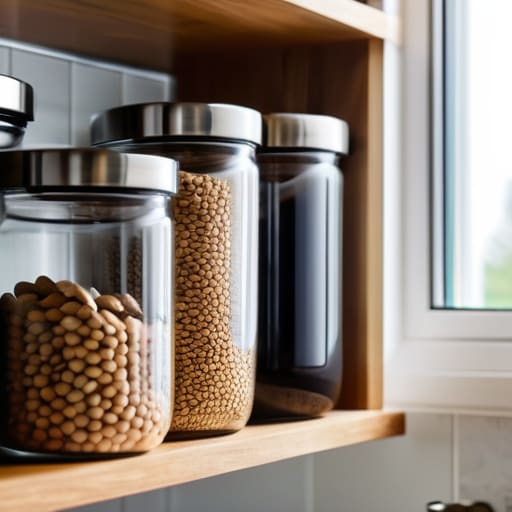
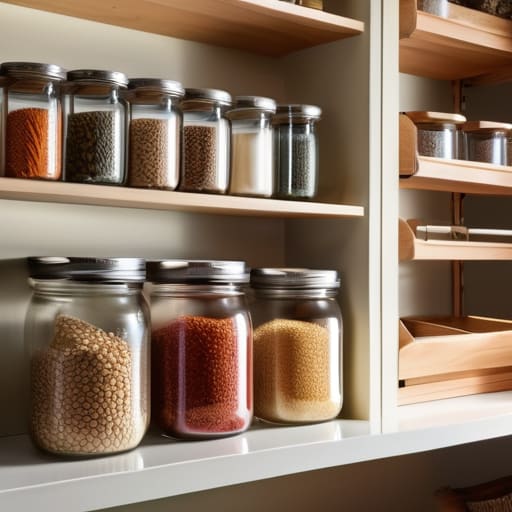
I’ve seen enough flimsy, clear plastic containers to last a lifetime, and frankly, I’m tired of seeing them end up in a landfill because the lid snapped off after three uses. If you want to do this right, you need to look toward glass or heavy-duty stainless steel. Glass is the gold standard here; it doesn’t stain, it doesn’t leach chemicals into your flour or oats, and most importantly, it survives a drop better than those cheap alternatives. When searching for airtight food storage solutions, look for silicone seals that actually grip. There is no point in “organizing” if the seal fails and your expensive bulk grains go stale in a week.
Once you have the right vessels, don’t overcomplicate it. You don’t need a high-tech gadget for every single spice jar. Stick to a uniform set of containers that can be stacked efficiently. This is one of the most effective ways of maximizing small kitchen space without creating a cluttered mess. If you buy in bulk, invest in large, square-shaped canisters. Round containers are a waste of corner space, and in my experience, square footprints are much more efficient for a tight shelf. Get it right the first time, and you won’t be replacing them next year.
Five Practical Rules for a Pantry That Works
- Stop buying matching sets of cheap plastic bins just because they look good in a catalog. Instead, look for heavy-duty glass jars or stainless steel containers. If you can’t see what’s inside, you’ll end up buying duplicates, and that’s just throwing money down the drain.
- Group your goods by how you actually use them, not just by category. Keep your baking essentials—flour, sugar, yeast—in one dedicated zone. There’s no sense in hunting through the whole pantry for a bag of cocoa powder every time you want to bake a loaf of bread.
- Use tiered shelving or sturdy wooden risers to maximize your vertical space. Most people leave the back of their bottom shelves as a graveyard for expired cans. If you can’t see it, you won’t use it, and eventually, it becomes waste.
- Implement a strict “First In, First Out” system. It’s a basic logistics principle, but most people ignore it at home. When you bring new groceries in, move the older stock to the front. It prevents food spoilage and keeps your inventory tight.
- Label everything with a permanent marker or a sturdy tag. Don’t rely on your memory. When things are clearly marked, every member of the household knows exactly where things belong, which keeps the system from falling into chaos two days after you’ve cleaned it.
The Bottom Line on a Functional Pantry
Stop buying sets of cheap, mismatched plastic containers; invest in high-quality glass or heavy-duty metal that won’t crack or warp under pressure.
Prioritize accessibility over aesthetics by using sturdy, pull-out systems that allow you to see exactly what you have before you go buying duplicates.
View your pantry as a logistical system rather than a decoration project—if a storage solution doesn’t serve a clear purpose, it doesn’t belong on your shelves.
The Cost of Disorganization
A disorganized pantry isn’t just a mess; it’s a leak in your budget. When you can’t see what you own, you buy duplicates, you let good food rot in the back, and you waste time searching for what you need. Stop treating your kitchen like a junk drawer and start treating it like the essential supply chain it is.
Hugo Steenkamp
Making the Investment Count
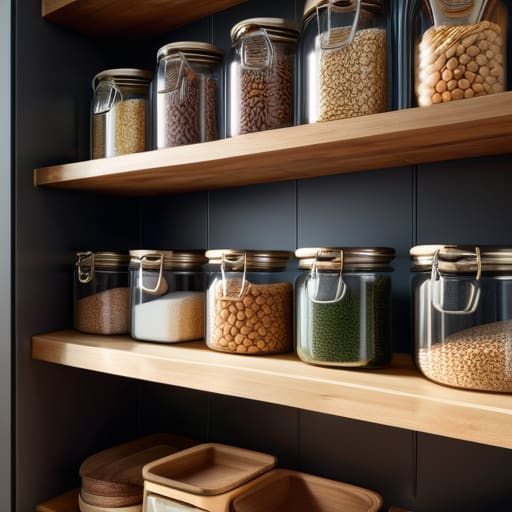
At the end of the day, organizing your pantry isn’t about chasing some aesthetic you saw on a social media feed; it’s about building a system that functions as well in ten years as it does today. We’ve covered the importance of clearing out the clutter, the necessity of using airtight containers that won’t crack, and the value of choosing materials like glass or wood over flimsy, single-use plastics. When you stop buying cheap, disposable organizers and start investing in quality components, you aren’t just tidying a cupboard—you are streamlining your household logistics and eliminating the constant cycle of waste and replacement.
My advice is simple: don’t rush the process. Take the time to do it right the first time so you don’t have to do it again next season. A well-organized pantry is a sign of a well-run home, providing a sense of order that makes daily life just a little bit smoother. Stop settling for the temporary fixes and the “good enough” solutions that inevitably end up in a landfill. Choose items that have weight, substance, and a clear purpose. Buy it once, buy it well, and let your kitchen be a testament to things that are built to last.
Frequently Asked Questions
How do I know if a storage container is actually airtight or just a clever marketing gimmick?
Don’t let a fancy label fool you. If you want to know if a container is truly airtight, look at the seal. I always check for a thick, silicone gasket rather than a cheap plastic rim. Then, do the “pressure test”: close the lid and try to pull it off. If it resists, you’ve got a seal. If it pops off without a fight, it’s just a glorified plastic tub. Buy the seal, not the slogan.
Is it worth spending more on heavy-duty metal shelving, or can I get away with reinforced wood?
Look, I’ve seen enough warehouse collapses to know that “getting away with it” is a dangerous mindset. If you’re storing heavy cans, bulk flour, or glass jars, go with the heavy-duty metal. It won’t bow or warp over time like cheap reinforced wood often does. Wood is fine for light linens, but for a working pantry, metal is a one-time investment that actually holds its integrity. Buy the metal; save yourself the headache.
How can I organize my pantry to ensure I'm actually using what I buy instead of letting things expire in the back?
Stop treating your pantry like a graveyard for forgotten cans. If you can’t see it, you won’t eat it, and that’s just throwing money down the drain. Use a “First In, First Out” system—the same logic I used in logistics. Put your newest groceries in the back and pull the older stock to the front. If you need better visibility, ditch the opaque bins for clear glass. If you can see the expiration date, you’ll actually use it.
