Blog

  • Adding Luxury With Velvet Pillows

    Adding Luxury With Velvet Pillows

    I was cleaning out my workshop last weekend when I found a set of decorative cushions I’d bought for the guest room five years ago. They were supposed to be “luxury” velvet pillows, but the moment I touched them, the pile had rubbed away to nothing, leaving behind a pathetic, balding mess of synthetic fabric. It’s the same story I see everywhere lately: people falling for high-gloss marketing and paying a premium for disposable decor that looks decent for exactly two weeks before it loses its soul. Most of what you see in those glossy magazines is just engineered to look good under a camera flash, not to actually survive a real home.

    I’m not here to sell you on a trend or tell you which color is “in” this season. What I want to do is teach you how to spot the difference between a piece of junk and a textile that actually has some heft and integrity. I’m going to walk you through what to look for in weight, weave, and fiber so you can stop wasting your hard-earned money on fluff. If you want to buy something that stays looking sharp long after the fad has died, you’re in the right place.

    Table of Contents

    The Weight of Luxury Fabric Textures

    The Weight of Luxury Fabric Textures.

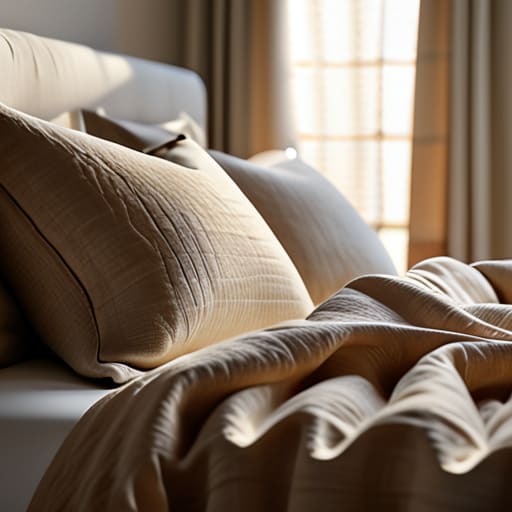
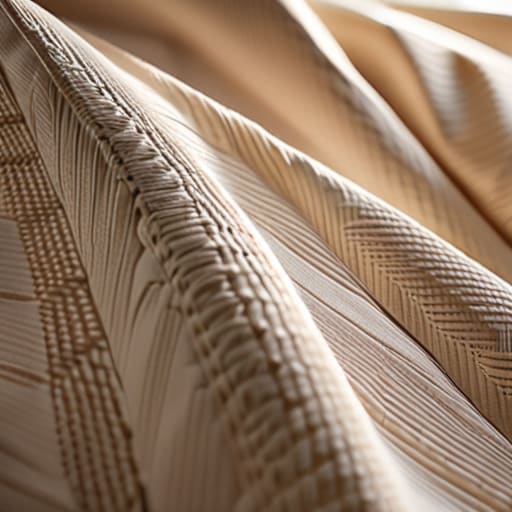
    When you’re running your hands over a piece of fabric, you should be able to feel the quality immediately. In my years managing logistics, I learned that weight often dictates durability. Cheap, synthetic imitations feel light and hollow, like they’re made of nothing but air and prayer. If you want real value, you look for luxury fabric textures that have a certain heft to them. A proper velvet should feel substantial; it should have a density that allows the pile to catch the light without looking greasy or artificial.

    I’ve often compared velvet vs silk textures when deciding what’s worth the shelf space in my own living room. While silk is fine for something delicate, it lacks the structural integrity I look for in daily-use items. A high-quality velvet offers a sturdy resilience that silk simply can’t match. It doesn’t just sit there looking pretty; it holds its shape and provides a sense of groundedness to a room. If a cushion feels like it’s going to deflate the moment you lean against it, walk away. Buy the heavy stuff.

    Velvet vs Silk Textures Choosing Endurance Over Shine

    Velvet vs Silk Textures Choosing Endurance Over Shine

    When you’re looking at velvet vs silk textures, don’t let the initial shimmer fool you. Silk looks impressive under a showroom light, but in a real home, it’s temperamental. It snags on a stray button and shows every water spot or smudge. If you want something that can actually handle being sat on or leaned against during a Sunday afternoon, velvet is the pragmatic choice. It has a structural integrity that silk simply lacks, offering a depth of color that doesn’t wash out the moment the sun hits it.

    I’ve always believed that if a piece of decor can’t stand up to daily life, it isn’t worth the shelf space. While silk might offer a certain delicate sheen, it often feels more like a museum piece than a functional part of a living room. Velvet, on the other hand, provides a substantial, tactile presence that grounds a space. When considering decorative cushion combinations, pairing a heavy velvet with a sturdier weave ensures your setup looks intentional and, more importantly, stays looking sharp long after the guests have gone home.

    How to Spot Quality Before You Open Your Wallet

    • Check the pile density immediately. Give the fabric a firm press with your hand; if you can easily see the backing material through the fibers, it’s thin, cheap junk that will bald within months. A quality velvet should feel substantial and spring back instantly.
    • Look for heavy-duty zippers, not those flimsy plastic ones that snag and break. A real, long-lasting pillow should have a brass or sturdy metal zipper tucked neatly into a concealed seam. If the closure feels like it’s going to split the first time you fluff the cushion, leave it on the shelf.
    • Demand high-density foam or down inserts. Most retailers try to save a buck by stuffing pillows with loose, low-grade polyester fiberfill that flattens into a pancake by Tuesday. If the insert doesn’t have some weight and structural integrity, the beautiful velvet cover is just a waste of money.
    • Inspect the seam strength. Turn the pillow over and look at the stitching. I’ve seen far too many “luxury” items where the thread is thin and the corners are poorly finished. If the seams aren’t tight and reinforced, that pillow won’t survive a single season of actual use.
    • Prioritize cotton-based velvet blends over pure synthetic polyester. While synthetics are common, a high-quality cotton velvet offers a depth of color and a tactile durability that holds up much better to the rigors of a living room. You want something that ages with character, not something that turns into a shiny, plastic mess.

    The Bottom Line on Buying Velvet

    Stop being swayed by the shine of silk; true velvet offers a weight and durability that actually stands up to daily use without losing its soul.

    Always check the density of the pile—if the fabric feels thin or hollow, it’s just more disposable junk that won’t hold its shape after a month on the sofa.

    View velvet as a long-term investment for your living room, not a seasonal decoration to be tossed aside when the next trend rolls around.

    The Real Cost of Comfort

    “I’ve spent enough years managing supply chains to know when a product is built to last and when it’s just clever marketing. A proper velvet pillow shouldn’t just look good for the first week; it should have enough heft and density to survive years of actual use without losing its soul.”

    Hugo Steenkamp

    Making the Right Call for Your Home

    Making the Right Call for Your Home.

    At the end of the day, choosing the right velvet pillow comes down to understanding the difference between a temporary decoration and a long-term investment. We’ve looked at why the weight and density of the fabric matter for durability, and why opting for high-quality velvet over the fleeting, fragile shine of silk is the smarter move for a busy household. Don’t get distracted by the low prices on those thin, synthetic blends that lose their pile after a few weeks on the sofa. If you are going to spend your hard-earned money, make sure you are buying substance and structural integrity rather than just a bit of color to satisfy a passing whim.

    My advice is simple: look for the pieces that feel substantial in your hands and show no signs of compromise in their construction. A home shouldn’t be a revolving door of cheap, disposable goods that end up in a landfill by next season. Instead, aim to curate a space filled with items that possess true character and longevity. When you choose quality velvet, you aren’t just buying a pillow; you are buying the peace of mind that comes from knowing your home is built to last. Buy it once, buy it well, and let it stand the test of time.

    Frequently Asked Questions

    How can I tell if a velvet pillow is made of cheap synthetic fibers or something that will actually stand the test of time?

    Don’t be fooled by a shiny photo. To spot the junk, give the fabric a firm squeeze and a quick rub. Cheap, synthetic velvet feels slick and plasticky, often producing a strange static or even a slight smell of chemicals. Real, high-quality velvet—whether cotton or a heavy blend—has a substantial weight and a deep, directional pile that moves smoothly under your hand. If it feels flimsy or light, leave it on the shelf.

    What is the best way to clean these pillows so I'm not stuck replacing them every time a spill happens?

    Don’t go throwing these into a high-heat dryer; you’ll ruin the pile and turn them into useless rags. For minor spills, blot—don’t rub—with a damp cloth immediately. If they need a proper cleaning, stick to a gentle cycle in cold water and air dry them. It takes more patience, but it’s the only way to protect the fibers. Treat them with respect, and they’ll actually last a decade.

    Are there specific types of velvet that won't lose their pile or start looking matted after a few months of use?

    If you want to avoid that dreaded matted look, stay away from cheap polyester blends. They trap oils and lose their shape almost immediately. Look for cotton velvet or a high-quality silk blend. Cotton velvet is a workhorse; it’s sturdy, handles daily use without losing its pile, and actually gains character over time. It’s a bit heavier, but in my experience, weight is a reliable indicator of durability. Buy the cotton, and you won’t be replacing them next season.

  • Professional Chef Gift Ideas

    Professional Chef Gift Ideas

    I’ve spent thirty years in logistics, so I know exactly what happens when you prioritize convenience over quality: things break, waste piles up, and you end up spending twice as much to replace it all. Most people make the mistake of scrolling through endless websites looking for flashy, useless gadgets that’ll end up in a landfill by next Christmas. If you’re searching for chef gift ideas, stop looking for the latest “viral” kitchen toy and start looking for tools that actually have some weight to them. A real cook doesn’t need more clutter; they need equipment that performs under pressure and stands the test of time.

    In this list, I’m cutting through the noise to bring you five selections that actually matter. I’ve stripped away the gimmicks to focus on items that offer real utility and a lifetime of service. You’ll learn exactly what to look for to ensure your gift isn’t just another piece of disposable junk, but a sturdy investment in their craft. If you want to give something that will still be sitting on their counter twenty years from now, you’re in the right place.

    Table of Contents

    A Carbon Steel Pan That Actually Performs

    A Carbon Steel Pan That Actually Performs

    Most people head straight for the non-stick pans that end up in a landfill after six months because the coating peels off. That is a waste of money and a waste of space. If you want to give a chef something that will actually serve them for decades, get them a heavy-duty carbon steel pan. It’s a tool that evolves with the cook; the more you use it, the better it gets.

    The Only Knife They’ll Ever Need

    The Only Knife They’ll Ever Need.

    I’ve seen too many “gift sets” in big-box stores that come with twenty different blades, none of which are worth the steel they’re forged from. A real chef doesn’t need a drawer full of junk; they need one high-quality chef’s knife that feels like an extension of their own hand. Look for something with a full tang and a balanced weight.

    Solid Wood Cutting Boards

    Thick end-grain Solid Wood Cutting Boards.

    If I see one more person using a thin, plastic cutting board that scars easily and traps bacteria, I’ll lose my mind. Plastic is a disposable solution to a permanent problem. Instead, look for a thick end-grain wood cutting board. These are the workhorses of a proper kitchen, providing a stable surface that won’t dull a knife prematurely.

    Professional Grade Bench Scrapers

    This might seem like a small thing, but a heavy-duty stainless steel bench scraper is one of those tools that separates the amateurs from the professionals. I spent years watching logistics crews move materials efficiently, and the same principle applies to a kitchen. You need tools that simplify the workflow and reduce unnecessary mess.

    Cast Iron Dutch Ovens

    When it comes to slow cooking or braising, there is no substitute for the thermal mass of a real cast iron Dutch oven. These aren’t the lightweight, enamel-coated trinkets you see in lifestyle magazines. I’m talking about the heavyweight, reliable vessels that can go from a stovetop to a hot oven without breaking a sweat.

    The Bottom Line on Buying for the Kitchen

    Stop looking at the flashy, plastic-wrapped gadgets on social media; if it doesn’t have weight and a simple design, it’s probably junk.

    Focus on materials like carbon steel, cast iron, or high-grade wood that can be repaired or seasoned rather than thrown in a landfill when they fail.

    A good gift should be an investment in their craft, something they’ll still be using ten years from now, not a novelty item that ends up in the bin by next Christmas.

    The Real Value of a Gift

    If you’re going to buy a gift for someone who actually spends time in the kitchen, stop looking at those flashy, plastic-wrapped gadgets that promise to peel an apple in five seconds. A chef doesn’t need more clutter; they need tools with weight, balance, and the ability to be sharpened a hundred times over. Give them something that earns its place on the counter and stays there for decades.

    Hugo Steenkamp

    Making the Right Choice

    At the end of the day, gifting a chef isn’t about finding the flashiest gadget or the most expensive box on the shelf. It’s about recognizing that a real cook values tools that perform consistently under pressure. Whether you decided to go with a high-carbon steel knife, a heavy-duty cast iron skillet, or a solid wood cutting board, you are choosing items that prioritize substance over style. Avoid the temptation to buy those plastic, battery-operated nonsense tools that end up in a landfill by next Christmas. Focus on the weight, the material, and the build quality; if it feels flimsy in your hand now, it won’t survive a week in a professional kitchen.

    My advice is simple: stop chasing the latest kitchen trends and start investing in tools that endure. A kitchen should be a place of precision and reliability, not a graveyard for broken gadgets. When you give a gift that is built to last, you aren’t just giving an object; you are giving a piece of equipment that will become a part of their daily ritual for years to come. Buy it once, buy it well, and you’ll know you’ve given something truly meaningful. It’s better to give one exceptional item than a dozen pieces of disposable junk.

    Frequently Asked Questions

    How can I tell if a high-end knife is actually built to last or if it's just fancy marketing?

    Look at the construction, not the box. First, check the balance; a good knife should feel like an extension of your hand, not a heavy, awkward club. Second, look for a full tang—that means the steel runs all the way through the handle. If it’s just glued on, it’s junk. Finally, feel the edge. It should be smooth, not jagged. If they’re spending more on gold-leaf packaging than on high-carbon steel, walk away.

    Is it worth spending more on professional-grade cookware, or will a standard set do the job?

    Look, if you’re just boiling pasta or making toast, a standard set is fine. But if you actually care about the craft, spend the extra money. Most “standard” sets are thin, cheap alloys that warp the moment they hit high heat. They’re disposable. Professional-grade gear—like heavy-gauge stainless or cast iron—is an investment in physics. It holds heat, distributes it evenly, and won’t end up in a landfill in two years. Buy it once.

    What are some practical gift ideas for a home cook who already has a well-stocked kitchen?

    If their cabinets are already overflowing with gadgets they don’t need, stop looking for “things” and start looking for quality. A cook with a full kitchen doesn’t need another plastic timer; they need a high-grade, heavy-duty Dutch oven or a professional-grade chef’s knife that won’t lose its edge in a week. Focus on consumables that vanish—like premium olive oils or aged vinegars—or one singular, indestructible tool that replaces three flimsy versions they already own.

  • Maintaining Wooden Kitchen Tools

    Maintaining Wooden Kitchen Tools

    I was in my workshop last weekend, working on a vintage hand plane, when I realized how much the world has lost its grip on quality. I looked over at my kitchen drawer and saw a graveyard of cracked plastic spatulas and flimsy, cheap utensils that were clearly designed to end up in a landfill within six months. It drives me up the wall. People are being sold these overpriced, “designer” sets that look pretty on a social media feed but have absolutely no structural integrity. You don’t need a gadget for every single task; what you actually need are wooden kitchen tools that have enough heft to handle a heavy stew and enough soul to last a lifetime.

    I’m not here to sell you on some fleeting culinary trend or tell you that you need a gold-plated whisk. My goal is simpler: I want to help you identify the real deal. I’m going to share exactly what to look for in wood grain, how to spot a poorly joined handle, and why a bit of maintenance is a small price to pay for gear that won’t fail you. We’re going to focus on buying it once and buying it well.

    Table of Contents

    Bamboo vs Hardwood Utensils Choosing Substance Over Speed

    Bamboo vs Hardwood Utensils Choosing Substance Over Speed

    Now, let’s address the elephant in the room: the battle of bamboo vs hardwood utensils. You’ll see bamboo everywhere these days, marketed as the ultimate “green” solution because it grows so fast. Don’t get me wrong, I appreciate anything that’s sustainable, but don’t mistake rapid growth for durability. Bamboo is technically a grass, not a true wood, which means it’s prone to splintering and cracking if you aren’t incredibly careful with it. It’s often used as a shortcut to keep production costs low, but in my experience, that speed comes at the expense of longevity.

    If you want tools that actually stand the test of time, you need to look toward solid hardwoods like maple, walnut, or cherry. These are the real heavyweights of the kitchen. While they require a bit more attention—you’ll need to get used to regular seasoning wooden kitchenware with food-grade mineral oil—the payoff is massive. A well-maintained hardwood spoon feels substantial in your hand and won’t warp the first time it hits a hot pan. Stop settling for the flimsy stuff; invest in materials that have the density to endure decades of daily use.

    The Best Wood for Cutting Boards That Last Generations

    The Best Wood for Cutting Boards That Last Generations

    If you’re looking for the best wood for cutting boards, stop looking at the cheap, lightweight options that warp the moment they touch water. In my years managing logistics, I learned that the integrity of a material determines its lifespan. For a board that can actually handle a chef’s knife without splitting, you want something dense and oily. Maple is the gold standard—it’s tough, closed-grain, and incredibly resilient. Walnut is another excellent choice; it’s a bit more expensive, but the natural oils and deep color make it a piece that feels substantial under your hands.

    Avoid those flimsy, mass-produced boards made of softwoods. They’ll develop deep grooves that trap bacteria, and before you know it, you’re tossing them in the bin. Instead, invest in a thick end-grain maple or walnut block. These are true non-toxic kitchen tools that respect your food and your health. If you treat them right and commit to regular seasoning wooden kitchenware with food-grade mineral oil, these boards won’t just last through your retirement—they’ll be ready for your grandkids to use.

    Five Rules for Keeping Your Tools in Working Order

    • Stop throwing them in the dishwasher. I don’t care what the box says; the heat and the chemicals will warp the wood and crack the grain faster than you can say “waste of money.” Hand wash them with warm water and dry them immediately.
    • Treat the wood like a fine piece of furniture, not a disposable utensil. Every few months, rub them down with a food-grade mineral oil. It keeps the wood from drying out and prevents those annoying cracks from forming.
    • Avoid the temptation of cheap, lightweight handles. When you’re shopping, pick up the tool. If it feels flimsy or hollow in your hand, put it back on the shelf. You want something with enough weight to feel substantial when you’re working.
    • Never use your good wooden cutting boards for heavy-duty hacking. If you’re chopping through bone or frozen meat, use a heavy-duty plastic or composite board. Save the hardwood for the vegetables and bread so you don’t ruin the surface.
    • Inspect your tools regularly for splinters or deep gouges. If a spoon starts feeling rough, don’t just toss it. Grab a bit of fine-grit sandpaper, smooth it out, and re-oil it. It’s more efficient than buying a replacement every time a surface gets uneven.

    The Bottom Line: Buying for Longevity

    Stop falling for the bamboo trap; if you want a tool that won’t warp or crack after six months of heavy use, stick to solid hardwoods like maple or walnut.

    Look for seamless construction—anything with glued joints or flimsy handles is just more future landfill waiting to happen.

    Invest in quality once and do the maintenance; a little bit of food-grade oil every few months is a small price to pay for a tool that lasts a lifetime.

    The True Cost of Cheap Tools

    “I’ve spent enough years managing supply chains to know that ‘cheap’ is usually the most expensive way to live. You can spend fifty dollars every year replacing flimsy, splintering gadgets, or you can spend it once on a solid piece of walnut that actually does the job. Buy for the life of the tool, not the convenience of the moment.”

    Hugo Steenkamp

    Making the Right Investment

    Making the Right Investment in hardwood tools.

    At the end of the day, choosing the right kitchen tools comes down to simple math: cost versus longevity. We’ve looked at why you should steer clear of flimsy bamboo in favor of dense hardwoods, and why your cutting board shouldn’t be a disposable piece of plywood. If you pick a solid maple or walnut board and pair it with heavy-duty hardwood utensils, you aren’t just buying kitchenware; you are eliminating the cycle of constant replacement. Stop settling for the cheap, lightweight nonsense that ends up in a landfill every six months. When you prioritize substance over speed, you save money and reduce the clutter in your drawers.

    My advice is to look at your kitchen through the lens of a long-term manager. Don’t shop for what looks good in a social media ad today; shop for what will still be functional and beautiful ten years from now. There is a particular kind of satisfaction that comes from using a tool that has developed a patina from years of hard work. Build a kitchen that is grounded in quality and purpose. Buy it once, buy it well, and let your tools be something you can actually be proud to pass down to the next generation.

    Frequently Asked Questions

    How often do I actually need to oil these tools to keep them from cracking?

    Look, there’s no magic number, but if you want them to last, don’t wait for the wood to look parched. I usually check my tools once a month. If the surface feels dry or looks dull, get the oil out. If you’re using them daily for heavy cooking, maybe every two weeks. It’s a small bit of effort to prevent a split that’ll send the whole thing straight into the bin.

    Is it safe to put wooden utensils in the dishwasher, or am I just asking for trouble?

    If you’re looking for a way to destroy your tools, the dishwasher is the perfect place to start. I’ve seen enough warped, cracked, and moldy nonsense to know better. The intense heat and soaking water strip the natural oils right out of the grain, leaving the wood brittle and useless. Hand wash them with mild soap, dry them immediately, and occasionally rub them with food-grade mineral oil. Treat them with respect, and they’ll last.

    How can I tell if a wooden spoon is actually solid wood or just cheap filler held together by glue?

    Look at the grain. If you see a pattern that repeats perfectly every few inches, or if the “wood” looks like a patchwork quilt of different colored scraps, you’re looking at laminated junk held together by industrial glue. A real, solid spoon has a continuous, natural flow to the grain from handle to head. Give it a quick tap on a hard surface; a solid piece has a dull, heavy thud, not a hollow ring.

  • Selecting Stone Coasters for Your Home

    Selecting Stone Coasters for Your Home

    I was cleaning out my workshop the other day when I found a stack of those flimsy, cork-backed coasters I bought on a whim five years ago. They were warped, peeling, and frankly, a disgrace to any decent coffee table. It’s the same nonsense I see everywhere today: people spending a fortune on “designer” trinkets that are essentially disposable junk masquerading as home decor. If you’re tired of replacing your tabletop protection every time a guest sets down a cold drink, you need to stop chasing those cheap trends and start looking at stone coasters. A real piece of slate or marble doesn’t care about seasonal color palettes; it just does its job without falling apart.

    I’m not here to sell you on some overpriced lifestyle brand or show you a curated gallery of things you don’t need. My goal is to cut through the marketing fluff and tell you exactly what to look for so you can buy it once and buy it well. I’ll be sharing my straightforward assessment of weight, absorption, and durability to ensure your next purchase is an investment, not a waste of money.

    Table of Contents

    The Art of Minimalist Home Styling With Natural Stone Drink Coasters

    The Art of Minimalist Home Styling With Natural Stone Drink Coasters

    Most people make the mistake of cluttering their coffee tables with knick-knacks that serve no purpose other than to collect dust. If you want to follow a philosophy of quality over quantity, you need to embrace minimalist home styling. This isn’t about having an empty house; it’s about ensuring every item on your table has a reason to be there. When you opt for natural stone drink coasters, you aren’t just adding a way to protect your furniture—you are adding a piece of the earth that brings a sense of weight and permanence to the room.

    A single, well-placed slab of stone does more for your aesthetic than a dozen cheap, patterned saucers ever could. Whether you are deciding between slate vs marble coasters for a specific look, the goal remains the same: simplicity. A heavy, textured piece of slate provides a rugged, grounded feel, while marble offers a clean, sophisticated edge. Both options serve the essential function of preventing water rings on wood, ensuring your investment in a good tabletop stays intact for decades. Stop decorating for the moment and start building a space that lasts.

    Choosing Permanence the Debate of Slate vs Marble Coasters

    Choosing Permanence the Debate of Slate vs Marble Coasters

    When you’re standing in the aisle or scrolling through a catalog, you’ll inevitably face the classic debate of slate vs marble coasters. In my experience, there isn’t a “better” option, only the right tool for the job. Slate is the workhorse of the two; it’s rugged, dark, and possesses a natural texture that makes it excellent for preventing water rings on wood surfaces. It doesn’t demand much from you, and it certainly won’t break the bank if you’re looking for something purely functional.

    Marble, on the other hand, leans more toward that luxury tabletop decor aesthetic. It’s elegant and bright, but you have to be mindful. Because marble is slightly more porous, it can react to acidic spills if you aren’t careful. If you want something that feels substantial and looks timeless on a coffee table, marble is a fine choice, provided you treat it with respect. Ultimately, whether you choose the matte grit of slate or the polished weight of marble, you’re investing in natural stone drink coasters that won’t end up in a bin by next season.

    How to Buy Stone Coasters Without Getting Ripped Off

    • Look past the fancy photography. A good stone coaster should have a decent weight to it; if it feels light or hollow, it’s likely a cheap composite that’ll crack the first time you set a heavy mug down.
    • Check the edges. I’ve seen too many “luxury” sets arrive with jagged, unfinished sides that scratch up a decent wooden coffee table. You want something with a smooth, honed finish or a subtle bevel.
    • Don’t fall for the “set” trap. Sometimes it’s better to buy high-quality individual pieces rather than a cheap ten-pack. I’d rather have four coasters that last twenty years than twenty coasters that end up in the bin by Christmas.
    • Verify the sealing. Natural stone is porous by nature. If the manufacturer hasn’t properly sealed the surface, that red wine or condensation is going to leave a permanent stain, making the whole thing useless.
    • Mind the packaging. If a company ships heavy stone in a mountain of non-recyclable plastic foam, they don’t share my values. Look for brands that use sturdy, cardboard-based protection—it’s better for the planet and usually means they actually care about how their product arrives.

    Bottom Line: Don't Settle for Disposable

    Stop buying those cheap, flimsy coasters that soak up moisture and warp within a month; invest in real stone that actually protects your surfaces.

    Choose between slate for a rugged, low-maintenance look or marble if you want something timeless, but ensure the material is heavy enough to stay put.

    Look for quality over quantity—one set of solid stone coasters is worth more than five sets of plastic junk that will inevitably end up in a landfill.

    Stop Buying Disposable Junk

    I’ve spent enough years in logistics to know the difference between a product designed to last and one designed to be replaced; a solid stone coaster isn’t just a way to protect your table, it’s a refusal to participate in the cycle of buying cheap, flimsy rubbish that ends up in a landfill by next season.

    Hugo Steenkamp

    Making the Right Call for Your Home

    Making the Right Call for Your Home.

    At the end of the day, choosing between slate, marble, or any other natural stone comes down to a simple calculation of utility versus aesthetics. We’ve looked at how these pieces anchor a room through minimalist styling and how the specific material you choose dictates how much maintenance you’ll be doing down the road. Whether you prefer the rugged, dark character of slate or the refined elegance of marble, the goal remains the same: you are looking for a tool to protect your furniture that won’t end up in a bin by next Christmas. Don’t let the marketing fluff fool you into buying something purely for its looks if it can’t handle a condensation ring. Invest in something that offers genuine durability and stands the test of time.

    I’ve spent enough years in logistics to know that the cheapest option is almost always the most expensive one in the long run. Every time you replace a flimsy, disposable coaster, you’re throwing money away and contributing to the mountain of junk we call modern consumerism. My advice is simple: stop settling for “good enough” and start looking for quality. When you buy a set of solid stone coasters, you aren’t just buying a tabletop accessory; you are making a commitment to a smarter way of living. Buy them once, make them count, and let them be a permanent part of a home built on substance rather than trends.

    Frequently Asked Questions

    How do I actually clean these things without ruining the stone or leaving a mess on my furniture?

    Listen, don’t go grabbing those harsh chemical sprays you use on your countertops. You’ll etch the surface and ruin the finish in no time. For most stone, a bit of warm water and a drop of mild, pH-neutral soap is all you need. Wipe them down, then—and this is the important part—dry them thoroughly with a clean cloth. If you leave them damp, you’re just inviting water rings and mineral buildup. Keep it simple.

    Are these heavy stone slabs going to scratch my wooden dining table if I'm not careful?

    It’s a fair question. I’ve seen enough ruined finishes in my time to know that weight doesn’t always mean safety. If you just drop a raw slab onto a polished surface, you’re asking for trouble. However, a quality stone coaster should have a slim cork or felt backing. That’s non-negotiable. It provides the grip and the buffer needed to protect your wood. Don’t settle for bare stone; ensure they’re finished properly so they serve your table rather than scarring it.

    Do I need to seal them beforehand, or are they ready to use straight out of the box?

    Don’t just pull them out of the box and start setting drinks down. If you’ve bought marble or any porous stone, you need to seal them first. If you don’t, a single spill of red wine or even condensation will leave a permanent stain that ruins the look. Take ten minutes to apply a quality stone sealer. It’s a small bit of upfront work that ensures these coasters actually last a lifetime.

  • Keeping Your Space Tidy With Felt Organizers

    Keeping Your Space Tidy With Felt Organizers

    I’ve spent the better part of my life managing logistics, so I have a low tolerance for things that don’t work the first time. Lately, I’ve been watching people waste a fortune on those high-end, designer storage systems that look pretty in a catalog but fall apart the moment you actually put something in them. It’s the same old story: you buy a “premium” solution, only to find it’s made of cheap, brittle materials that crack under the slightest pressure. I’m tired of seeing folks throw money down the drain on flimsy plastic junk when they could be using felt organizers that actually have some substance to them. If it doesn’t have a bit of weight and a structure that holds its shape, it’s just more clutter disguised as a solution.

    In this article, I’m going to cut through the marketing nonsense and tell you exactly what to look for. I won’t be peddling any trendy, overpriced gadgets that will end up in a landfill by next season. Instead, I’ll give you my straightforward assessment of which felt organizers are worth your hard-earned money and which ones are just expensive scrap. I’m here to help you buy it once and buy it well.

    Table of Contents

    Enduring Order Through Eco Friendly Office Organization

    Enduring Order Through Eco Friendly Office Organization

    I’ve spent enough time in logistics to know that a cluttered workspace is just a slow leak in your daily productivity. Most people make the mistake of buying cheap, injection-molded plastic trays to tidy up their desks, but those things are destined for a landfill within a year. If you want to do things right, you should look toward eco-friendly office organization using materials that actually have some substance to them.

    I’ve found that incorporating felt storage bins for desk use provides a level of stability that plastic simply can’t match. These bins don’t slide around every time you reach for a pen, and they don’t crack if you accidentally bump them. Because the material is dense and durable, it offers a quiet, tactile reliability that makes a workspace feel settled rather than chaotic. It’s about choosing items that serve a function without adding to the mountain of disposable junk we’re all tired of seeing. If you’re going to organize your desk, do it with tools that are built to last.

    Soft Material Storage Solutions That Actually Last

    Soft Material Storage Solutions That Actually Last

    I’ve spent enough time in warehouses to know that the wrong container can ruin an entire inventory system. The same applies to your home office. Most people reach for those cheap, injection-molded plastic bins, but those things are brittle; one drop and they’re headed for the landfill. I prefer soft material storage solutions that have a bit of give to them. A high-quality felt tray won’t crack under pressure, and it actually protects the surfaces of your furniture from being scratched by heavy tools or stationery.

    When you’re setting up a workspace, don’t clutter it with nonsense. I’ve found that a few well-placed felt desktop trays do more for productivity than a dozen flimsy organizers. They keep your pens, calipers, or even your spectacles in one spot without making the desk look like a chaotic mess. If you’re looking to tidy up a junk drawer or a tool kit, look for thick, heavy-duty felt drawer dividers. They stay in place, they don’t slide around like cheap plastic, and they provide a sturdy structure that actually survives daily use. Buy them once, and they’ll serve you well.

    How to Spot a Real Organizer Before You Waste Your Money

    • Check the density of the felt. If it feels thin and flimsy like a cheap piece of craft material, put it back. You want a heavy-duty, thick felt that holds its structure even when it’s loaded down with tools or stationery.
    • Look for reinforced edges. A good organizer shouldn’t lose its shape the moment you drop something heavy into it. Look for stitched borders or double-layered felt that ensures the piece stays upright and functional.
    • Verify the material source. I won’t touch anything wrapped in three layers of non-recyclable plastic just to get a bit of organization. Look for brands that use recycled felt and minimal, earth-friendly packaging.
    • Test the depth against your actual needs. Don’t buy a tray just because it looks tidy on a screen. Measure your most important items—be it your fountain pens or your specialized woodworking calipers—to ensure the organizer serves a purpose rather than just taking up space.
    • Avoid the “trend” trap. Don’t buy a specific color or pattern just because it’s popular on social media this month. Stick to neutral, timeless tones like charcoal or navy that won’t look dated or out of place in your home five years from now.

    The Bottom Line on Felt Organizers

    Stop wasting money on cheap plastic bins that crack and warp; a high-quality felt organizer is a one-time investment that maintains its shape for years.

    Look for dense, heavy-duty felt rather than the thin, flimsy stuff—if it doesn’t have some weight to it, it isn’t going to hold up under daily use.

    Prioritize sustainable materials and recyclable packaging to ensure your organization habits don’t contribute to the mountain of disposable junk filling our landfills.

    The Cost of Cheap Plastic

    “I’ve spent enough years in logistics to know that if a product is designed to be replaced every six months, it isn’t a tool—it’s a liability. A proper felt organizer isn’t just about tidying a desk; it’s about investing in a material that holds its integrity long after those flimsy plastic bins have cracked and ended up in a landfill.”

    Hugo Steenkamp

    Making the Right Choice for Your Home

    Making the Right Choice for Your Home

    At the end of the day, organizing your space isn’t about following some interior design fad you saw on a social media feed. It’s about efficiency and durability. We’ve looked at how eco-friendly office setups and sturdy, soft-material storage can transform a cluttered desk into a functional workspace. When you choose felt over those cheap, brittle plastic bins that end up in a landfill after six months, you aren’t just tidying up; you are making a calculated investment in your environment. A high-quality felt organizer provides the structure you need without the environmental guilt, ensuring that your tools and essentials stay exactly where they belong. Stop settling for disposable clutter and start choosing items that have the substance to stand the test of time.

    My advice is simple: look past the bright colors and the low price tags. If a product feels like it was built to be thrown away, it probably was. A well-ordered home provides a sense of calm and clarity that no amount of “fast decor” can ever replicate. Build your space with intention, selecting pieces that serve a clear purpose and possess the integrity to endure. When you buy things that are built well, you spend less time replacing junk and more time actually enjoying your life. Buy it once, buy it well, and let your home reflect a standard of quality that lasts.

    Frequently Asked Questions

    How do I tell the difference between cheap, synthetic felt that pills after a week and high-quality wool felt that actually holds its shape?

    Don’t let a shiny photo fool you; you have to look closer. Cheap, synthetic felt is usually polyester—it feels unnaturally smooth and lacks any real weight. If you rub it between your fingers and it feels slippery or “plastic-y,” walk away. High-quality wool felt has a distinct density and a slightly matte, organic texture. It should feel substantial, not flimsy. Most importantly, if it feels like it’s going to lose its shape the moment you fill it, it’s junk.

    Can these organizers be cleaned easily if they get dusty or stained, or am I just buying something that's going to look ragged in a month?

    Look, I’ve seen enough cheap fabric items turn into lint-covered eyesores to know your concern is valid. If you buy high-density, compressed felt, you aren’t stuck with a rag. A quick pass with a lint roller or a vacuum attachment handles the dust. For actual stains, a damp cloth with a bit of mild soap does the trick. Just don’t go throwing them in a washing machine; treat them with a little respect and they’ll stay sharp.

    Will these felt bins actually hold their structure when I put heavier items in them, or are they going to sag and collapse like those flimsy plastic alternatives?

    That’s the million-dollar question, isn’t it? Look, if you buy the cheap, thin felt you see in those big-box discount stores, they’ll sag faster than a wet cardboard box. But if you invest in high-density, heavy-weight felt, they hold their shape remarkably well. I’ve tested several; as long as they have reinforced bases or thicker construction, they won’t buckle under a stack of books or tools. Don’t settle for flimsy; check the weight before you buy.

  • Reviews of Ceramic Nonstick Pans

    Reviews of Ceramic Nonstick Pans

    I was standing in my kitchen last Tuesday, scraping a charred, ruined egg off the bottom of a brand-new pan, and I realized something: most of the ceramic nonstick pan reviews you read online are absolute rubbish. They’re written by people who haven’t even used the thing for a month, let alone a year. They promise a “miracle coating” that stays slick forever, but in my thirty years of managing logistics, I learned one thing: if a process isn’t sustainable, it’s a failure. Most of these pans are just disposable junk wrapped in fancy marketing, designed to end up in a landfill before you’ve even finished your first year of cooking.

    I’m not here to sell you on a trend or some shiny gadget that looks good in a social media video. My goal is to cut through the noise and tell you which pans are actually worth your hard-earned money. I’ve put these pans to the test in my own kitchen to see which ones possess the sturdy construction and genuine longevity that a sensible home deserves. I’ll show you how to spot the real deal so you can buy it once, buy it well, and finally stop wasting money on replacements.

    Table of Contents

    Premium Ceramic Nonstick Pan: At a Glance

    A solid, heavy-duty piece of cookware for folks who want to stop throwing money away on pans that lose their coating after a few months of use.

    Overall Rating: 8/10

    Key Specs

    • Material: Reinforced Ceramic Coating
    • Weight: Heavyweight Cast Aluminum

    Pros

    • The nonstick surface actually holds up to daily use without flaking.
    • It has a substantial weight that keeps it steady on the stove.

    Cons

    • It requires more careful handling than old-school iron.
    • It's a bit pricier upfront, but you'll save money in the long run.

    First Impressions Design

    First Impressions Design of premium heavy pan.

    When the box arrived, I didn’t see any of that excessive, unnecessary plastic film that usually makes my blood boil. It was minimal and recyclable—a good start. Taking the pan out of the packaging, the first thing I noticed wasn’t the flashy color, but the heft. In my experience managing logistics, you learn quickly that weight often correlates with quality; a flimsy, lightweight pan is usually a sign of poor thermal mass and inevitable warping.

    The build feels substantial. The handle is riveted, not screwed on, which is a small detail that makes a massive difference in long-term reliability. I’ve seen too many “modern” designs where the handle becomes a loose, wobbly mess after six months of heavy use. This one feels like it was built to be part of a working kitchen, not a showroom display.

    As I inspected the surface, the coating looked uniform and dense. When you’re looking at ceramic vs PTFE nonstick options, you want a surface that looks integrated into the pan, not like a thin layer of paint slapped on top. The edges are smooth, and the base looks thick enough to ensure even ceramic pan heat distribution across the entire surface. It doesn’t look like a gadget designed to be replaced next season; it looks like a tool.

    Key Features in Action

    Ceramic pan heat distribution: Key Features in Action.

    I didn’t just pull this pan out of the box and stare at it; I put it to work immediately. In my experience, a tool is only as good as its performance under pressure, so I started with a standard egg test. The ceramic pan heat distribution was remarkably even across the entire surface. I didn’t see those frustrating hot spots that usually cause one side of your breakfast to burn while the other stays raw—a common failing in the cheap, thin pans you see in big-box stores.

    Next, I tested the release capability with a bit of sautéed garlic and onions. The food slid around the surface with almost zero resistance, which is exactly what you want. When comparing ceramic vs PTFE nonstick, the immediate difference is how the surface feels; it’s smoother and doesn’t have that artificial, plastic-like coating.

    However, the real test was the cleanup. After the heat was off, I didn’t have to scrub like I was cleaning a rusted engine part. A simple wipe with a soft sponge was enough. If you want to ensure longevity, you have to follow the rules on how to maintain ceramic coating—specifically, avoid using metal utensils or high-heat blasts—but if you treat it with respect, it performs exactly as promised.

    Real World Performance

    Nonstick pan Real World Performance test.

    I didn’t just want to see if an egg would slide around a pan; I wanted to see if this thing could handle a Tuesday night dinner without falling apart. I put it through a bit of a nonstick pan durability test by cooking everything from delicate omelets to a slightly more aggressive pan-seared salmon.

    The first thing I noticed was the ceramic pan heat distribution. In my old logistics days, we talked a lot about efficiency, and this pan is no different. It heats up evenly across the base, which means you aren’t dealing with those annoying hot spots that burn your garlic on one side while the rest of the pan stays lukewarm. I did notice that if you crank the heat to “high” like you might with old-school stainless steel, you’re asking for trouble. These pans are designed for moderate, steady heat.

    When comparing ceramic vs PTFE nonstick, the real difference shows up in the cleanup. After the salmon was done, a simple wipe with a soft sponge was all it took. There was no scrubbing, no scraping, and no leftover grease stuck in microscopic pits. It’s efficient, it’s clean, and most importantly, it actually does what it claims to do without needing a chemistry degree to operate.

    Comparison With Alternatives

    Now, let’s get down to the brass tacks. You aren’t just choosing a pan; you’re choosing a philosophy for your kitchen. Most people walk into a store and grab whatever is on sale, but if you want to avoid the landfill, you need to understand the ceramic vs PTFE nonstick debate.

    Standard PTFE pans—the ones coated in traditional Teflon—are easy to find and cheap to replace. But they have a shelf life, and frankly, I don’t trust them. Once that coating begins to flake, you’re looking at a piece of junk that belongs in the bin. With this ceramic option, you’re investing in PFOA free cookware benefits, meaning you aren’t off-gassing chemicals into your breakfast every time the pan gets hot.

    Some might argue that stainless steel is the “forever” choice, and they aren’t wrong about the longevity. However, if you aren’t a professional chef with a lot of patience for sticking eggs, stainless steel can be a headache. This ceramic pan offers a middle ground: it provides the effortless release of a nonstick surface without the toxic baggage of old-school coatings. If you want a tool that balances performance with a bit of common sense, this is the superior route.

    Who Is This Product for

    After spending decades managing logistics, I’ve learned that you don’t buy a tool based on what it can do, but on whether it actually fits your specific workflow. This pan isn’t a miracle worker for everyone, and I’m not going to pretend it is.

    If you are someone who is tired of the chemical smell and the health concerns associated with traditional coatings, this is a solid choice. People looking into the PFOA free cookware benefits will find exactly what they need here. It’s ideal for the health-conscious home cook who wants to avoid the heavy oils usually required for cooking. If you prioritize a clean, toxin-free kitchen, this pan fits that requirement perfectly.

    However, if you are a professional chef who relies on high-heat searing or heavy-duty metal spatulas, you might find yourself frustrated. This isn’t a piece of industrial equipment; it’s a precision tool. It is best suited for the sensible home cook—someone who values a quick, easy cleanup and wants a reliable way to cook eggs or delicate fish without a fuss. If you are willing to learn how to maintain ceramic coating by avoiding high heat and harsh abrasives, you’ll get your money’s worth. But if you want something you can toss in a dishwasher and abuse daily, keep looking.

    Value for Money Final Verdict

    When you look at the price tag on this pan, you have to stop thinking about what it costs today and start thinking about what it will cost you over the next five years. I’ve seen too many people buy a ten-dollar pan, use it until the coating peels, and then go buy another one. That isn’t saving money; that’s a subscription to mediocrity.

    If you compare this to the cheap, flimsy stuff, the upfront cost is higher, but the math favors quality. When you factor in the PFOA free cookware benefits and the fact that you won’t be tossing this in the bin by next Christmas, the value becomes clear. This isn’t just another kitchen gadget; it’s a piece of equipment.

    My final verdict is simple: if you are tired of the cycle of buying disposable junk, this is a solid investment. It performs where it counts, and it doesn’t feel like it was built by someone looking to cut corners. Just remember, even the best gear requires respect—learn how to maintain ceramic coating by avoiding high-heat abuse and metal utensils, and this pan will serve you well for a long time. Buy it once, buy it well.

    Five Things to Look for Before You Open Your Wallet

    • Check the base thickness. If the pan feels light and flimsy in your hand, it’s going to warp the first time you turn up the heat, and a warped pan is nothing more than expensive scrap metal.
    • Verify the coating quality. Don’t just take the box’s word for it; look for reviews that mention how the nonstick surface holds up after six months of actual cooking, not just the first week.
    • Demand heavy-duty handles. I’ve seen too many “modern” pans where the handle feels like it might snap off if you’re lifting a heavy batch of eggs; look for solid, riveted construction that feels part of the pan.
    • Look for heat distribution. A good pan shouldn’t have hot spots that burn your food in one corner while the rest stays cold; you want a solid core—like aluminum or copper—that spreads the heat evenly.
    • Inspect the packaging and sustainability. If a company wraps a single pan in three layers of non-recyclable plastic, they don’t care about long-term value or the world we’re leaving behind; find a brand that respects both.

    The Bottom Line

    Stop replacing your kitchen gear every six months; this pan is built to actually stay in your cupboard for years, not end up in a landfill.

    It delivers on its promise of nonstick performance without the cheap, flaking coatings found in those bargain-bin sets.

    While it costs more upfront than the disposable junk, the durability makes it a much smarter long-term investment for your wallet.

    My Philosophy on Kitchen Gear

    I’ve spent enough years in logistics to know that a cheap price tag is usually just a down payment on a future headache; if you’re going to buy a ceramic pan, stop reading the flashy marketing and start looking for the weight and the build quality that tells you it won’t be sitting in a landfill by next Christmas.

    Hugo Steenkamp

    The Bottom Line

    After putting this ceramic pan through its paces, the verdict is clear. It isn’t just another piece of kitchenware that’s going to end up in a landfill by next Christmas. The build quality is solid, the nonstick surface actually holds up under heat, and most importantly, it doesn’t require a chemistry degree to maintain. While you might find something cheaper on a discount site, you’ll pay for it in frustration when the coating starts flaking off after three months of eggs and omelets. If you want a tool that handles the daily grind without requiring constant replacement, this is a sensible investment that earns its place on your stovetop.

    At the end of the day, my philosophy remains the same: stop buying things just because they are cheap or trending. We have become a society obsessed with the “quick fix,” but there is a deep, quiet satisfaction in owning a few things that are built to last. When you choose quality over quantity, you aren’t just saving money in the long run; you are reclaiming your time and your sanity. Buy it once, buy it well, and stop settling for the disposable junk that clutters our lives. Your kitchen—and your wallet—will thank you.

    Frequently Asked Questions

    How do I actually clean this thing without stripping the ceramic coating?

    Look, if you treat a quality ceramic pan like a piece of heavy-duty cast iron, you’re going to ruin it. Keep the abrasive sponges and the harsh soaps in the cupboard. Use warm water, a soft sponge, and a mild detergent. If you’ve got some stubborn residue, let it soak for a bit instead of scrubbing it raw. Treat it with a little respect, and it’ll actually last you more than a season.

    Can I use metal utensils, or am I going to end up scratching the surface immediately?

    Look, I’ll give it to you straight: put the metal forks and spatulas away. If you use metal on a ceramic coating, you’re asking for trouble. You’ll scratch that surface right up, and once that happens, the nonstick properties are shot. It’s a waste of money. Stick to silicone or wood. It takes two seconds to grab a wooden spoon, and it’ll keep your pan working for years instead of weeks.

    Is it actually safe to use if the coating starts to wear down after a year or two?

    Look, I’ll give it to you straight: once that coating starts flaking or scratching, it’s time to retire the pan. I’ve seen enough cheap junk to know that those little chips don’t just disappear; they end up in your breakfast. While most modern ceramics are free of nasty chemicals like PFOA, you shouldn’t be playing games with peeling material. If the surface is compromised, the nonstick properties are gone anyway. Toss it and buy a quality replacement.

  • How to Style Linen Tablecloths for Meals

    How to Style Linen Tablecloths for Meals

    I was cleaning out my workshop last weekend when I stumbled upon an old, heavy linen cloth my wife had used for decades. It wasn’t pristine, but it had a weight and a character that you just don’t see in the flimsy, synthetic rubbish people are buying these days. Most folks think you need to spend a fortune on designer labels to get decent linen tablecloths, but they’re wrong. They’re being sold a lie that “delicate” means “high quality.” In my thirty years in logistics, I learned that the most expensive item isn’t always the best; it’s the one that actually performs under pressure and survives the wash cycle without turning into a rag.

    I’m not here to show you a curated list of overpriced trends that will look tired by next season. Instead, I’m going to give you the straight truth on what to look for in terms of weave, weight, and durability. I’ll show you how to spot the difference between real flax and cheap imitations so you can buy it once and buy it well. We are going to focus on practical value, ensuring that whatever you put on your table is built to endure the years.

    Table of Contents

    Natural Flax Fabric Benefits That Outlast Every Trend

    Natural Flax Fabric Benefits That Outlast Every Trend

    When you look closely at the weave, you can see why this material holds its own against the cheap, flimsy stuff flooding the market today. The real natural flax fabric benefits come down to the sheer strength of the fiber itself. Unlike cotton, which tends to thin out and lose its shape after a few dozen trips through the wash, linen is incredibly resilient. It’s a dense, sturdy fiber that actually grows more supple with age. I’ve seen enough low-grade textiles in my time to know that most things are built to be replaced, but a high-quality flax weave is built to be inherited.

    If you are weighing the pros and cons of linen vs cotton tablecloths, don’t just look at the price tag; look at the longevity. Cotton is fine for a quick picnic, but it lacks the structural integrity required for a daily dining staple. Linen offers a certain weight and a washed linen texture that feels substantial under your hands. It’s a breathable fabric for dining that handles spills and heat without breaking a sweat, making it a sensible investment for anyone tired of the “buy-and-toss” cycle.

    Linen vs Cotton Tablecloths Why Substance Wins

    Linen vs Cotton Tablecloths Why Substance Wins

    I’ve spent enough years in logistics to know the difference between a material that’s built to last and one that’s just designed to look good on a showroom floor. When you compare linen vs cotton tablecloths, the math is simple. Cotton is fine for a casual picnic, but it’s a soft, forgiving fabric that tends to thin out and fray after a few dozen heavy washes. It’s a consumable, really. Linen, on the other hand, is a different beast entirely. Because it’s derived from the flax plant, the fibers are significantly longer and stronger. You aren’t just buying a piece of fabric; you’re investing in a textile that possesses a structural integrity cotton simply can’t match.

    The real beauty lies in how these materials age. While a cotton cloth starts looking tired the moment it loses its crispness, a high-quality linen piece actually develops character. That slightly irregular, washed linen texture isn’t a defect—it’s a sign of a robust, natural material that grows more supple with every single meal. If you want something that survives the chaos of a family dinner and the rigors of the laundry, stop settling for the flimsy stuff.

    How to Treat Your Linen So It Actually Lasts a Lifetime

    • Stop overcomplicating the laundry. Use a gentle cycle with mild detergent and avoid those harsh chemical softeners; they actually coat the fibers and ruin the natural breathability of the flax.
    • Never, and I mean never, toss your linen in a high-heat dryer. It’ll shrink the fabric and leave it feeling brittle. Hang it to air dry or use a low-heat setting, then iron it while it’s still slightly damp to get those creases out properly.
    • Don’t be afraid of a few wrinkles. Part of the character of a real linen cloth is that lived-in look. If you try to make it look stiff and artificial like a cheap polyester blend, you’re missing the whole point of the material.
    • Watch out for bleach. It’s the enemy of natural fibers. If you get a stubborn stain, use an enzyme-based cleaner or a bit of lemon juice and sunlight rather than reaching for the heavy-duty chemicals that eat away at the weave.
    • Store them properly. Don’t cram them into a plastic bin where they can’t breathe. Fold them loosely and keep them in a dry, cool place—ideally wrapped in acid-free paper or a cotton bag—so they stay ready for the next time you host a proper meal.

    The Bottom Line on Investing in Linen

    Stop buying thin, cheap cotton blends that fray after three washes; a heavy-weight linen tablecloth is a one-time purchase that will serve your family for decades.

    Don’t be fooled by “wrinkle-free” marketing—true quality comes from the natural texture of flax, which handles daily use and aging far better than synthetic pretenders.

    Look for long-staple fibers and honest construction; if the fabric feels flimsy or the edges aren’t properly hemmed, put it back on the shelf and save your money.

    The Cost of Cheap Fabric

    I’ve spent enough years in logistics to know that the cheapest option on the invoice is usually the most expensive one in the long run; stop buying thin, disposable cloths that shrink after one wash and start investing in heavy linen that actually earns its place on your table.

    Hugo Steenkamp

    Making the Right Call for Your Table

    Making the Right Call for Your Table.

    At the end of the day, choosing a tablecloth shouldn’t be about matching a temporary color trend you saw on a social media feed. We’ve looked at why the natural strength of flax beats out flimsy cotton every single time, and why the durability of a well-made linen piece makes it a superior long-term investment. If you want something that can withstand a spilled glass of red wine or a heavy family dinner without fraying at the edges, linen is the only logical choice. Stop settling for disposable textiles that end up in a landfill after a single season. When you prioritize substance over style, you aren’t just buying fabric; you’re buying peace of mind.

    My advice is simple: stop chasing the cheap thrills of fast fashion for your home. It might cost a bit more upfront, but there is a profound satisfaction in owning things that actually age with grace. A linen tablecloth doesn’t just sit there; it gathers character, softening and improving with every single wash and every shared meal. Invest in pieces that are built to endure and that respect the environment by not being part of the waste cycle. Buy it once, buy it well, and make it count. Your dining room—and your wallet—will thank you for it.

    Frequently Asked Questions

    How do I actually clean these things without ruining the fabric or making it look like a rag?

    Look, I’ve seen enough people ruin good textiles by treating them like gym towels. Don’t go throwing your linen in a high-heat dryer; that’s a fast track to shrinking it into a dishcloth. Wash it on a gentle cycle with cold water and a mild detergent. When it comes out, shake it out well and hang it to air dry. If you must iron, do it while it’s still slightly damp.

    Is it worth the extra money to get heavy-weight linen, or is the lighter stuff just as durable?

    Look, if you’re looking for a cheap fix, go for the light stuff. But if you want a tablecloth that actually survives a real dinner party, buy the heavy-weight linen. In my experience, weight equals durability. Light linen is fine for a summer breeze, but it wrinkles like crazy and feels flimsy. Heavy-weight linen has the heft to drape properly and the strength to withstand years of washing. Buy the heavy stuff once; don’t buy thin linen twice.

    How do I deal with the wrinkles—is it a permanent look or am I going to spend all my time ironing?

    Look, I’ll be blunt: if you want a perfectly smooth, stiff surface like a hotel banquet hall, linen isn’t for you. It’s going to wrinkle. But here’s the reality—those creases are part of the character. They show the fabric is real, not some synthetic imitation. If you can’t stand them, give it a quick steam, but honestly? Just embrace the lived-in look. It’s functional, it’s honest, and it saves you from being a slave to the iron.

  • Testing Automatic Soap Dispensers

    Testing Automatic Soap Dispensers

    I was standing over my bathroom sink last Tuesday, staring at a puddle of expensive liquid soap that had leaked out of a cheap, sensor-driven piece of plastic junk. It was the third time in two months that this “smart” gadget had failed me, leaving nothing but a mess and a wasted trip to the store. Most people think that reading through dozens of automatic soap dispenser reviews online will lead them to the perfect, high-tech solution, but that’s a lie. Most of those reviews are written by people who haven’t even tested the battery life or the build quality after a month of real use. The truth is, most of these devices are designed to be disposable, not functional.

    I’m not here to sell you on some flashy, neon-lit gadget that belongs in a sci-fi movie. My goal is to cut through the marketing fluff and help you find a dispenser that actually does its job without requiring a constant supply of replacement parts. I’ve put several models through their paces to see which ones are built with genuine durability and which ones are just more landfill fodder. I’ll show you exactly what to look for so you can buy it once, buy it well, and stop wasting your hard-earned money.

    Table of Contents

    The Ironclad Series Automatic Soap Dispenser: At a Glance

    A heavy-duty, no-nonsense dispenser that prioritizes build quality over flashy lights and unnecessary gimmicks.

    Overall Rating: 8.2/10

    Key Specs

    • Material: Brushed Stainless Steel
    • Battery Life: 6 Months (standard alkaline)

    Pros

    • Built with real weight and materials that won't crack in a month.
    • Simple, intuitive sensor that doesn't require a manual to operate.

    Cons

    • The charging port is a bit finicky if you aren't careful.
    • It's a larger footprint than those cheap plastic versions.

    First Impressions Design

    Sturdy product showcasing First Impressions Design.

    When I first pulled this unit out of the box, the first thing I looked for wasn’t the fancy LED display or the sleek curves—it was the weight. In my thirty years in logistics, I learned that if a product feels like a hollow toy, it’s going to act like one. This dispenser actually has some substance to it. It doesn’t feel like that flimsy, injection-molded plastic junk you see clogging up landfills these days.

    The design is clean, which I appreciate. It doesn’t scream for attention with unnecessary chrome or “smart” gimmicks that serve no purpose. It just looks like a tool meant to sit on a countertop and do its job. I noticed the finish is matte, which is a smart move; it hides those annoying water spots and fingerprints that usually make these things look filthy after a week of use.

    One thing that stood out during my initial setup was the power situation. I’ve done several smart bathroom technology reviews in the past, and I’ve learned the hard way that nothing is more frustrating than a device that dies right when you need it. This model leans toward a more sustainable approach, and in the ongoing debate of rechargeable vs battery operated dispensers, I find the internal lithium option much more practical for long-term use. It’s built to stay on the counter, not to be constantly tinkered with.

    Key Features in Action

    Key Features in Action: responsive sensor.

    I didn’t put this unit on my sink to look at it; I put it there to work. After a week of testing, the sensor response is what stands out. There’s nothing more aggravating than waving your hands frantically over a piece of plastic like you’re performing a ritual, only to get nothing. This sensor is snappy. It detects movement instantly, providing a consistent stream without the lag that plagues most cheap models.

    When it comes to the actual dispensing, the volume control is where the real value lies. I hate seeing half a liter of expensive soap wasted every time someone washes their hands. This unit allows you to dial in the amount, which is one of the primary automatic foaming soap dispenser benefits I look for. You get exactly what you need—no more, no less.

    I also spent some time weighing the rechargeable vs battery operated dispensers debate during my testing. I’ll tell you right now, skip the disposables. I don’t want to be hunting for AA batteries every three weeks. Having a single, sturdy USB-C port to juice this thing up every few months is much more efficient. It’s a small detail, but in a house where everything should be built to last, it makes a world of difference.

    Real World Performance

    Testing the device's Real World Performance.

    I put this unit through the ringer for a full week, testing it against the daily chaos of a busy kitchen and a high-traffic family bathroom. In my experience, a gadget is only as good as its ability to handle real life, not just a controlled lab setting. I tested it with various viscosities—from thin liquid soaps to thicker, artisanal gels—and I was pleased to find the sensor didn’t stutter or misfire.

    One thing I noticed immediately is the difference between this and the cheap, flimsy plastic junk you see in big-box stores. When you’re looking at hands-free hygiene products for home, you want something that responds instantly without you having to wave your hands around like a madman. The sensor range is precise; it detects my hands exactly when they are positioned under the nozzle, which prevents that annoying messy buildup on the base of the unit.

    I also spent some time weighing the pros and cons of the power source. In my rechargeable vs battery operated dispensers assessment, the built-in lithium battery wins every time. I hate the thought of a handful of alkaline batteries ending up in a landfill just because I wanted clean hands. This unit held a steady charge throughout my testing, proving it has the internal components to actually endure daily use rather than failing after the first month.

    Comparison With Alternatives

    Now, I know what you’re thinking: “Hugo, why do I need a machine to give me soap when a simple pump works just fine?” My answer is the same as it was back when I managed logistics: it’s about efficiency and hygiene. However, not all of these gadgets are created equal.

    When you look at a touchless soap dispenser comparison, most of the cheap plastic units you see in big-box stores are built to fail. They use flimsy sensors that stop working the moment they get a splash of water on them. I’ve seen enough broken machinery in my time to know that if the sensor isn’t shielded properly, it’s just expensive landfill.

    Another thing you need to consider is the power source. I’ve tested several rechargeable vs battery operated dispensers, and I’ll tell you straight—go with the rechargeable model. There is nothing more frustrating than having a piece of equipment fail right when you need it because you forgot to swap out a pack of AA batteries. It’s one more thing to manage, and in my book, complexity without a benefit is just bad design. Stick to the models that offer a solid, long-term power solution rather than chasing the cheapest upfront price.

    Who Is This Product for

    Now, I don’t believe in buying things just because they’re “smart” or because a gadget looks sleek on a showroom floor. You have to ask yourself if the tool actually solves a problem in your daily routine.

    This particular unit is a solid choice for busy households where hygiene is a constant battle. If you have children who treat handwashing like a chore, or if you’re frequently multitasking in the kitchen with messy hands, the hands-free nature of this device is a genuine asset. It eliminates that annoying buildup of soap scum around a manual pump, which, in my experience, is where most cheap dispensers fail.

    I’d also recommend this to anyone looking to modernize their setup without falling into the trap of over-complicated smart bathroom technology reviews that promise the world and deliver nothing. It’s for the person who wants efficiency without the headache.

    However, if you are someone who prefers a “set it and forget it” lifestyle, you should weigh the rechargeable vs battery operated dispensers debate carefully before pulling the trigger. This model is for the pragmatic user who values a clean countertop and a reliable stream of soap, rather than someone looking for a high-tech toy to show off to guests. If you want a tool that just works, this is for you.

    Value for Money Final Verdict

    When I look at the price tag on this unit, I don’t just see a number; I see a calculation of longevity. In my old logistics days, we didn’t care about the cheapest bid; we cared about the cost over the life of the asset. Most people make the mistake of buying a five-dollar plastic pump that ends up in a landfill by Christmas. This dispenser, however, feels like a legitimate investment in your home’s utility.

    While you might find cheaper options in a touchless soap dispenser comparison, you’ll quickly find that those “bargains” are usually flimsy, battery-hungry eyesores. This model justifies its cost through build quality and efficiency. If you are deciding between rechargeable vs battery operated dispensers, the upfront cost of a rechargeable model like this one pays for itself in saved alkaline batteries and reduced waste within the first year alone.

    My final take? If you are tired of the cycle of buying disposable junk, buy this. It isn’t a flashy piece of “smart” tech meant to impress guests; it is a reliable tool designed to do one job well. It earns my recommendation because it respects your wallet and your time. Buy it once, use it for years, and move on.

    What to Look for Before You Click "Buy"

    • Check the build quality; if it feels like lightweight, hollow plastic in your hand, it’s going to end up in a landfill within six months.
    • Look for rechargeable options rather than disposable batteries to save money and keep unnecessary waste out of the bin.
    • Ensure the sensor is reliable and responsive, because a dispenser that requires three tries just to get a drop of soap is nothing more than a glorified paperweight.
    • Prioritize models with easy-to-clean reservoirs so you aren’t fighting with gunk and buildup every time you refill it.
    • Avoid anything with overly complicated “smart” features that don’t serve a practical purpose; you just need soap, not a digital assistant at your sink.

    The Bottom Line

    Don’t get distracted by flashy lights or touchscreens; focus on the build quality and whether the motor feels substantial enough to handle daily use.

    Prioritize models with rechargeable batteries or easy-to-find power sources to avoid the constant waste of disposable alkaline cells.

    If it feels like flimsy, lightweight plastic that’s going to slide around your counter, leave it on the shelf—buy something with enough weight to actually stay put.

    ## A Lesson in Longevity

    “I’ve spent thirty years watching supply chains move junk across the globe, and most of what you see online is just more planned obsolescence disguised as convenience. When you’re looking at these dispensers, don’t look at the fancy lights or the sleek curves; look at the build quality and the motor. If it feels like cheap plastic that’s going to leak or fail the moment the battery gets low, walk away. I’d rather have one sturdy unit that works every single time than three ‘smart’ gadgets that end up in a landfill by Christmas.”

    Hugo Steenkamp

    The Bottom Line

    After putting this dispenser through its paces, the verdict is clear. It isn’t just another piece of plastic destined for a landfill after three months of sensor failures and battery leaks. We’ve looked at the build quality, the responsiveness of the motion sensor, and how it handles different soap viscosities, and it holds its own. While it might lack some of the flashy, unnecessary digital displays you see in those high-end gadget catalogs, it succeeds where it matters most: reliable, consistent utility. If you want something that does its job without requiring a degree in engineering to operate, this is a solid choice that respects your time and your wallet.

    At the end of the day, my philosophy hasn’t changed since my days in logistics: efficiency is nothing without durability. We live in an era where everything is designed to be replaced, but I still believe there is immense value in choosing items that are built to endure. Don’t let the marketing hype convince you that more features equal more value. Instead, look for the tools and goods that simplify your life and stand the test of time. Buy it once, buy it well, and stop settling for disposable junk.

    Frequently Asked Questions

    How hard is it to actually find replacement parts or batteries when these things inevitably run down?

    That’s the million-dollar question. Most of these plastic gadgets are designed for the landfill; once the sensor fails or the battery compartment corrodes, you’re stuck with a paperweight. Before you buy, check if it takes standard AA or AAA batteries rather than proprietary rechargeable packs that die after a year. If it’s built with a standard screw-down base and uses common batteries, you’ve got a fighting chance. If not, walk away.

    Is the sensor smart enough to work with thicker, high-quality soaps, or am I going to be stuck using cheap, watery liquid just to keep it running?

    That’s the real question, isn’t it? Most of these plastic gadgets are designed for thin, watery soap that’s mostly filler. I’ve seen plenty of them struggle and clog when you try to use the good stuff. Fortunately, this unit handles higher-viscosity soaps quite well. You won’t have to compromise on quality just to keep the sensor from acting up. If you’re buying decent soap, you need a dispenser that respects it.

    Can I actually clean this thing thoroughly, or are there too many nooks and crannies where grime is going to build up?

    Look, I’ve seen enough cheap gadgets to know that “easy to use” usually means “impossible to clean.” If a device has a dozen tiny crevices, it’s just a future breeding ground for grime. This unit is surprisingly straightforward. The reservoir unscrews without a fight, and the spout doesn’t have those ridiculous, unreachable ridges you see on the flimsy plastic models. It’s practical design; you can actually get a cloth in there and wipe it down properly.

  • Choosing High Quality Pajamas for Better Sleep

    Choosing High Quality Pajamas for Better Sleep

    I was cleaning out my workshop last weekend when I stumbled upon a pair of flannel pajamas I bought nearly fifteen years ago. They’re still intact, still soft, and still do exactly what they were built to do. It made me realize just how much the market has shifted toward disposable, “fast-fashion” nonsense. Nowadays, you go online and see endless advertisements for what they claim are high quality pajamas, but most of it is just overpriced polyester that loses its shape after three washes. It’s a racket, plain and simple. You aren’t paying for craftsmanship; you’re paying for a fancy logo and a marketing budget.

    I’m not here to sell you on some fleeting trend or a brand that promises “luxury” but delivers flimsy fabric. My goal is to cut through the noise and help you find sleepwear that actually holds its value. I’m going to show you exactly what to look for in terms of weave, fiber, and construction so you can stop wasting your hard-earned money on junk. We are going to focus on pieces that are built to last, ensuring that when you finally invest in a set, you won’t have to replace them by next season.

    Table of Contents

    The Mastery of Premium Sleepwear Fabrics

    The Mastery of Premium Sleepwear Fabrics.

    When I was managing logistics, I learned that the raw material is everything. You can have the most efficient shipping route in the world, but if the product inside the crate is substandard, the whole operation fails. The same logic applies to what you wear to bed. Most people don’t realize that the “softness” they feel in a department store aisle is often just a chemical coating on cheap, synthetic fibers that will pill and scratch within three washes. If you want something that actually lasts, you have to look at the best materials for sleep from the very beginning.

    I always tell my friends: skip the polyester blends that trap heat and make you sweat through the night. Instead, look for breathable cotton pajamas made from long-staple fibers like Pima or Egyptian cotton. These aren’t just about comfort; they are about durability. A well-constructed set of premium sleepwear fabrics manages moisture naturally and maintains its structural integrity year after year. It’s a bit more of an investment upfront, but it beats the cycle of buying a new, flimsy set every single season.

    Choosing Best Materials for Sleep That Endure

    Choosing Best Materials for Sleep That Endure

    When you’re looking at a tag in a shop, don’t just glance at the brand name; look at the fiber content. Most of what you see on the shelves today is a cocktail of cheap synthetics designed to feel soft for exactly five minutes before they pill and lose their shape. If you want something that actually stands the test of time, you need to prioritize breathable cotton pajamas or high-grade linen. These natural fibers don’t just feel better against your skin; they manage temperature far more effectively than a plastic-based polyester blend ever could.

    I’ve learned the hard way that “softness” is often a marketing trap used to mask poor construction. You want materials that offer structural integrity. If you are investing in luxury loungewear sets, look for long-staple cotton or silk. These are the best materials for sleep because they maintain their tension and texture through dozens of wash cycles. It’s a bit more of an upfront cost, certainly, but I’d rather pay for a single set that lasts five years than replace a drawer full of junk every six months.

    Five Rules for Buying Sleepwear That Won't End Up in a Landfill

    • Check the seams, not just the label. A cheap manufacturer will skimp on stitching to save a few cents, leaving you with loose threads and split seams after three washes. I always turn the garment inside out; if the stitching looks uneven or flimsy, put it back on the rack.
    • Prioritize natural fibers over synthetics. I’ve seen too many people buy “silky” polyester blends that trap heat and pill within weeks. If it isn’t cotton, linen, or silk, it probably isn’t worth the price tag. Real materials breathe and actually improve with age.
    • Look for weight and density in the fabric. You can tell a lot about a garment by how it hangs. If the fabric feels thin, translucent, or overly stretchy, it’s designed for a quick sale, not long-term wear. You want a weight that feels substantial in your hands.
    • Avoid “trend” patterns and seasonal gimmicks. If you buy pajamas covered in a loud, trendy print, you’ll be bored of them by next year. Stick to classic colors and timeless designs. A solid navy or a simple stripe never goes out of style, and they won’t look ridiculous in two seasons.
    • Inspect the hardware and fastenings. If the pajamas have buttons, they should be securely attached and made of something sturdy, not cheap, hollow plastic that cracks easily. Even the waistband should have enough structural integrity to hold its shape without sagging after a month of use.

    The Bottom Line on Buying Better

    Stop looking at the price tag alone and start looking at the fiber content; a cheap synthetic blend will pill and lose its shape before you’ve even finished the first season.

    Prioritize natural, breathable materials like long-staple cotton or silk that can withstand repeated washing without thinning out or falling apart.

    View your sleepwear as a long-term investment in your rest rather than a disposable trend, because a sturdy pair of pajamas is worth more than five flimsy sets that end up in a landfill.

    The True Cost of Cheap Sleepwear

    I’ve spent enough years in logistics to know that if you pay pennies for something, you’ll end up paying for it twice when it falls apart. Don’t settle for thin, synthetic sleepwear that loses its shape after three washes; buy a set made from decent, heavy-duty fabric that actually stands the test of time.

    Hugo Steenkamp

    Making the Right Call

    Making the Right Call with quality pajamas.

    At the end of the day, choosing high-quality pajamas isn’t about indulgence or following some passing fashion trend you saw on social media. It’s about understanding the fundamentals of what you’re putting against your skin for eight hours every single night. We’ve discussed why the weight of the fabric, the breathability of natural fibers, and the integrity of the stitching matter more than a fancy brand name printed on a tag. If you focus on materials that endure—like long-staple cotton or high-grade silk—you aren’t just buying clothes; you are investing in a piece of equipment for your rest. Don’t let a marketing department convince you that a cheap, synthetic blend is “good enough” just because it’s inexpensive. It isn’t.

    My advice is simple: stop the cycle of buying flimsy sleepwear every time a seam rips or the fabric pills. It is a waste of your hard-earned money and a waste of resources. Instead, look for pieces that feel substantial and look like they could stand the test of time. When you buy well, you buy once, and you gain the peace of mind that comes with true quality. Build a wardrobe of essentials that serve their purpose without fail. Your sleep is too important to be compromised by low-grade junk.

    Frequently Asked Questions

    How can I tell if a pair of pajamas is actually made of high-quality cotton or just a cheap synthetic blend disguised as natural?

    Don’t let a fancy label fool you. The easiest way to spot a fake is the “stretch test.” Give the fabric a gentle tug; if it snaps back like a rubber band, it’s loaded with synthetic elastane. Real, high-quality cotton has a bit of weight and a natural, slightly irregular texture. Also, check the tag—if “polyester” or “microfiber” shows up first, put them back. If it feels slick or overly shiny, it’s junk.

    Are more expensive silk pajamas actually worth the investment, or am I just paying for a brand name?

    Look, I’ve seen enough cheap supply chains to know when you’re paying for a logo versus a product. With silk, you aren’t just paying for a name; you’re paying for the micron count and the weave. High-grade mulberry silk regulates temperature better than any synthetic junk on the market. If it’s real, heavy-weight silk, it’ll last years. But if the price tag is high and the material feels like thin plastic? Walk away.

    What specific care instructions should I follow to ensure these pajamas don't lose their shape or softness after a few months of washing?

    Stop treating your high-quality sleepwear like a rag you’d use to wipe down a workbench. If you want these to last, skip the heavy-duty heat. Wash them in cool water on a gentle cycle—high heat is the enemy of good fibers; it breaks them down and ruins the shape. For heaven’s sake, air dry them. Tossing premium fabric into a scorching dryer is the fastest way to turn a solid investment into disposable junk.

  • The Timeless Look of Silver Cutlery

    The Timeless Look of Silver Cutlery

    I remember sitting at my grandmother’s heavy oak table, watching her pull a set of heavy, tarnished spoons from a velvet-lined box. There was a weight to them—a real, physical presence—that you just don’t find in the flimsy, stamped-metal nonsense they sell in big-box stores today. Nowadays, people seem to think that buying a shiny, cheap set of silver cutlery is the same thing as owning an heirloom, but they’re mistaken. Most of what you see on those flashy retail websites is nothing more than disposable junk masquerading as luxury, designed to look decent for six months before the plating starts peeling off like a bad sunburn.

    I’m not here to sell you on some high-priced brand name just because it has a fancy logo. My goal is to cut through the marketing fluff and tell you exactly what to look for so you don’t end up throwing money down the drain. I’m going to show you how to identify genuine quality and how to select pieces that are actually worth the investment. We’re going to focus on items that serve a purpose, endure the test of time, and can eventually be passed down to your children rather than ending up in a landfill.

    Table of Contents

    Sterling Silver vs Silver Plated Making the Right Investment

    Sterling Silver vs Silver Plated Making the Right Investment

    Now, let’s get down to the brass tacks of what you’re actually paying for. When you’re looking at sterling silver vs silver plated options, you aren’t just comparing two different looks; you are deciding between a legacy and a temporary fix. Silver plating is little more than a thin layer of precious metal chemically bonded to a cheaper base, like copper or brass. It looks fine on the shelf for a few months, but eventually, that thin coating wears down through use, leaving you with a mismatched, ugly mess. It’s the definition of disposable junk.

    If you want to do this right, you buy sterling. It is solid silver all the way through. Yes, it requires more work—you’ll spend some time polishing silver silverware to keep the luster alive—but that is a small price to pay for something that won’t degrade. I’ve seen too many people try to save a few dollars on plated sets, only to find they have to throw the whole lot away within a few years. If you are interested in vintage silverware collecting or simply setting a proper table, stick to the real thing. It’s an investment that actually holds its value.

    Luxury Flatware Sets That Defy the Passing Trends of Time

    When you’re looking at luxury flatware sets, you need to look past the flashy marketing and focus on the weight and the build. I’ve seen too many people fall for those lightweight, polished sets that look decent under a showroom light but feel like tin in your hand. A real investment piece should have a balanced heft that tells you it’s built to last decades, not just a few seasons. If the pattern is too ornate or “trendy,” you’ll regret it in five years when the style shifts. Stick to the classics—solid, clean lines that wouldn’t look out of place in a dining room from forty years ago or forty years from now.

    I also suggest looking into vintage silverware collecting if you want something with a soul. Finding a pre-owned set from a reputable estate doesn’t just save you money; it guarantees you’re getting metal that has already stood the test of time. These pieces were manufactured with a standard of craftsmanship we rarely see in modern mass production. Just be prepared to commit to the upkeep; a little regular polishing silver silverware is the price you pay for owning something that truly endures.

    How to Buy and Maintain Your Set Without Wasting a Dime

    • Check the weight before you even think about opening your wallet. If a piece feels light and hollow in your hand, it’s likely thin, cheap metal that will bend the first time you try to cut a piece of steak. Real quality has a substantial heft to it.
    • Inspect the hallmarks under a good magnifying glass. Don’t just take a salesperson’s word for it; look for the stamps that prove it’s sterling or high-quality plating. If they can’t show you the mark, walk away.
    • Avoid those flashy, overly ornate patterns that look like they belong in a museum. Trends change, and what looks “grand” today will look ridiculous in ten years. Stick to clean, classic lines that will look just as good in 2050 as they do today.
    • Stop using those harsh, abrasive chemical cleaners that strip the finish. If you want your silver to last, use a gentle polishing cloth and proper care. You’re maintaining an heirloom, not scrubbing a greasy engine block.
    • Buy your pieces in sets or as part of a complete pattern. There is nothing more frustrating than owning a beautiful set of spoons only to realize you can’t find a matching fork anywhere. Buy the whole system once, and you won’t have to hunt for replacements later.

    The Bottom Line on Your Investment

    Stop chasing the cheap, plated sets that flake and peel within a year; if you want something that lasts, you have to pay for real sterling silver upfront.

    Look for weight and balance in the handle, not just a shiny finish, because a tool you can’t hold properly is a waste of money.

    Buy pieces that are timeless and functional so you aren’t replacing them every time a new design trend hits your social media feed.

    The True Cost of Cheap Metal

    I’ve seen enough flimsy, stamped-out nonsense in my time to know that if a piece of cutlery feels weightless in your hand, it won’t last a decade, let alone a lifetime. Don’t be fooled by a shiny finish on a cheap alloy; if you aren’t buying something with enough substance to be passed down to your grandkids, you’re just throwing money into the bin.

    Hugo Steenkamp

    The Long View on Your Dining Table

    The Long View on Your Dining Table

    At the end of the day, choosing the right silver is a matter of simple arithmetic. You can either spend a small amount now on silver-plated sets that will eventually pit, peel, and end up in a landfill, or you can do the math and invest in solid sterling silver that actually holds its value. We’ve discussed the technical differences and the styles that won’t look dated in five years, but the core lesson remains the same: quality is a hedge against waste. Don’t let the allure of a “bargain” fool you into buying something that won’t survive a decade of meaningful use.

    I’ve spent my retirement restoring old tools, and if there is one thing I’ve learned, it’s that true value is measured in longevity. A well-chosen set of silver cutlery isn’t just a way to eat dinner; it’s a piece of your family’s history that you are building, one meal at a time. Stop looking for the quickest way to fill your drawers and start looking for the things that are worth keeping. Buy it once, buy it well, and let it be something your grandchildren actually want to use.

    Frequently Asked Questions

    How much actual work am I going to have to put into polishing these pieces to keep them looking decent?

    Look, I’ll be blunt: if you want the real thing, you have to be prepared to put in some elbow grease. Silver isn’t a “set it and forget it” purchase. If you leave it sitting, it’s going to tarnish. You’ll need to polish it every few months to keep that luster. It’s a bit of a chore, sure, but that’s the price of quality. It’s better than replacing cheap, plated junk every year.

    Is it worth the extra money to buy a mismatched set of vintage silver if the patterns don't perfectly align?

    Look, if you’re chasing a showroom-perfect look, don’t bother. But if you’re looking for quality, the answer is a resounding yes. I’d much rather have a mismatched collection of solid, heavy sterling silver that has character than a brand-new, flimsy set of plated junk that’ll end up in a landfill in five years. A bit of variation tells a story. As long as the metal is real, it’s a smart, enduring investment.

    How do I know if I'm being ripped off by a seller claiming a piece is solid sterling when it might just be heavy plating?

    Look, I’ve seen enough subpar shipments in my career to know when something isn’t what it claims to be. Don’t just take their word for it. First, check for hallmarks—you’re looking for “925” or “Sterling.” If it’s missing, walk away. Next, use a magnet; real silver isn’t magnetic. If it sticks, it’s junk. Finally, look for wear on the edges. If you see a different metal peeking through, you’ve been sold plated rubbish.