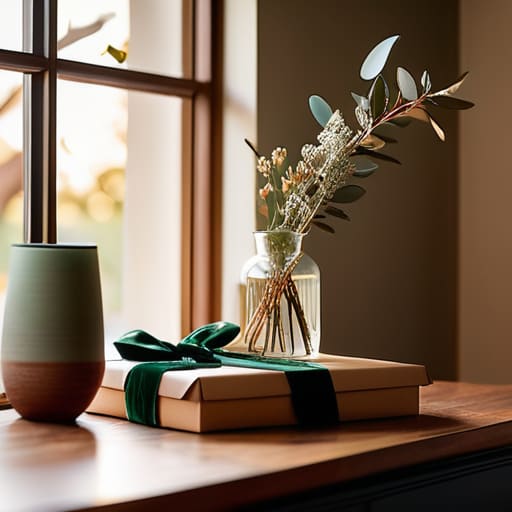
I’ve spent thirty years in logistics, where I learned that if a part isn’t built to last, it’s just future landfill. I find it’s the exact same story when it comes to social graces. Too many people show up to a dinner party clutching some flimsy, over-packaged gadget or a cheap candle that smells like a chemical factory, thinking they’ve done their duty. Honestly, most of those host gift ideas you see floating around the internet are just more disposable junk that ends up in a junk drawer before the host even finishes the dishes. If you’re going to bring something into someone else’s home, it should have some weight to it—both literally and figuratively.
In this list, I’m cutting through the noise to give you five selections that actually respect the person receiving them. I’ve narrowed it down to items that are functional, sturdy, and won’t be tossed out by next Tuesday. You’re going to learn how to select gifts that serve a real purpose and reflect a bit of genuine character. Stick with me, and I’ll show you how to buy it well so your gesture actually leaves a lasting impression.
Table of Contents
A Heavyweight Cast Iron Skillet
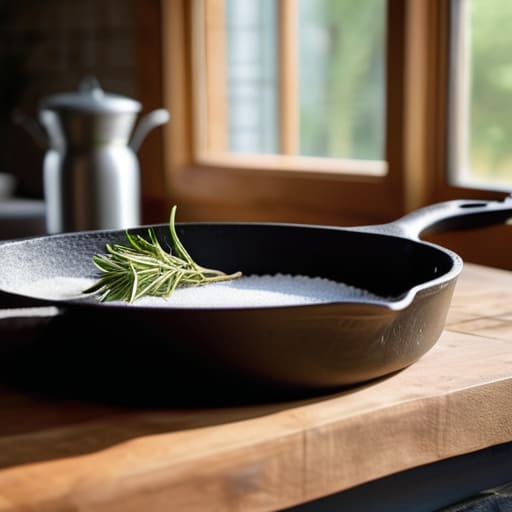
Most people today are content with thin, non-stick pans that flake off into their food after six months of use. If you want to show a host you actually respect their kitchen, bring them a piece of solid cast iron. It’s a tool that doesn’t care about trends; it only cares about heat retention and durability.
High-Quality Linen Kitchen Towels
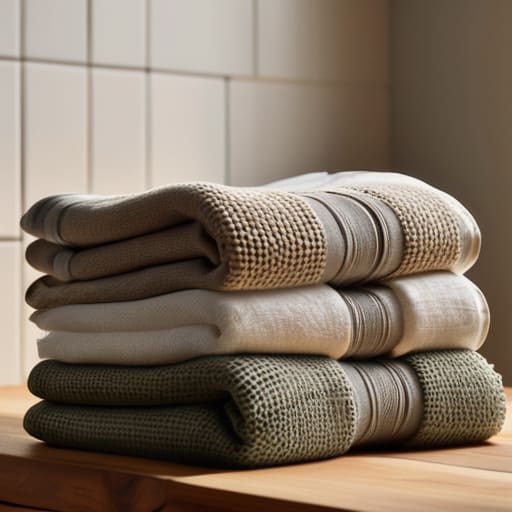
I see people buying those cheap, microfiber cloths that look fine on the shelf but turn into useless rags the moment they get wet. Instead, look for heavy-duty linen kitchen towels. They are absorbent, they dry quickly, and they don’t fall apart after three trips through the laundry.
A Solid Wood Cutting Board
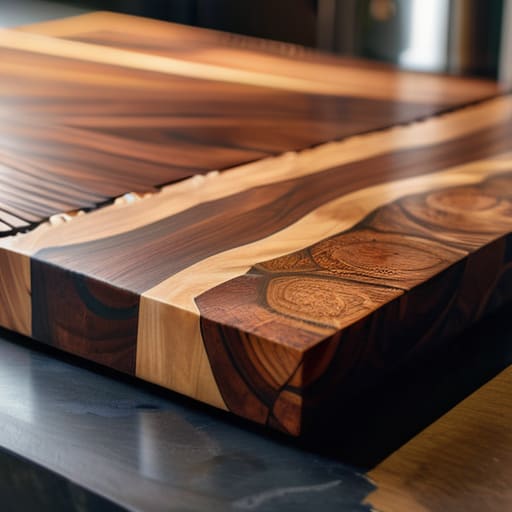
If you’re going to give something for the kitchen, make sure it isn’t made of bamboo or some flimsy composite. A thick, end-grain wood cutting board is the only way to go. It protects the knife blades and provides a stable surface that won’t warp the moment it sees a drop of water.
Locally Sourced Honey or Preserves
If you feel the need to bring something edible, steer clear of the mass-produced, sugary nonsense found in the big-box aisles. Find a local producer who sells their goods in glass jars. It’s a way to support the local economy while providing something that actually tastes like real food.
A Heavyweight Ceramic Serving Bowl
I’ve always believed that if something is meant to be used, it should be built to last. A thick, handcrafted ceramic bowl is a perfect example. It’s sturdy enough to handle a heavy salad or a large batch of stew without fear of chipping or cracking under pressure.
The Bottom Line on Better Gifting
Stop looking for “cute” and start looking for “useful.” If a gift doesn’t have a clear purpose in a household, it’s just more clutter waiting to happen.
Quality beats quantity every single time. I’d much rather give one well-made kitchen tool that lasts a decade than a basket full of cheap, disposable nonsense.
Consider the footprint. A gift that comes wrapped in layers of non-recyclable plastic is just adding to the problem; aim for something substantial that respects both the host and the planet.
The Philosophy of Giving
When you’re heading to someone’s home, stop looking for something flashy to impress them for five minutes. Look for something sturdy and useful—something that won’t be in a landfill by next season, but will sit on their counter for years as a reminder of a good evening.
Hugo Steenkamp
Making It Count
At the end of the day, choosing a host gift isn’t about how much you spent or how flashy the packaging looks. It’s about the intention behind the object. Whether you opted for a heavy-duty wooden serving board, a high-quality linen tea towel, or a bottle of something truly exceptional, you’ve avoided the trap of buying disposable nonsense. You’ve selected items that serve a functional purpose and possess the structural integrity to stay in that household long after the party is over. A good gift should be built to last, much like the friendships you are celebrating by showing up in the first place.
My advice is simple: stop scrolling through those endless feeds of cheap, plastic trinkets that promise to be “the next big thing.” Those things are just clutter waiting to happen. Instead, lean into the classics. When you give something substantial and well-made, you aren’t just giving a gift; you are providing a piece of quality that respects the recipient’s home and their time. Buy it once, buy it well, and let your generosity be measured by the durability of your choices. If it doesn’t have a soul or a sense of utility, leave it on the shelf.
Frequently Asked Questions
How do I know if a gift is actually high-quality or just fancy packaging hiding something cheap?
Look past the gold foil and the heavy box. In my experience, fancy packaging is often just a distraction from subpar materials. If you’re looking at kitchenware, check the weight and the seams; if it feels hollow or flimsy, put it back. For textiles, feel the weave—it should be dense, not thin and scratchy. If the manufacturer won’t tell you exactly what it’s made of, they’re likely hiding something cheap.
Is it better to bring something consumable like wine, or something permanent they can keep?
Look, if you’re asking me, it depends on how well you know them. A good bottle of wine is a safe bet—it’s enjoyed and then it’s gone, leaving no clutter behind. But if you want to actually make an impression, bring something permanent. A solid wooden serving board or a heavy stoneware pitcher doesn’t end up in a landfill. Buy something that has some weight to it; something they’ll reach for every time they host.
What’s the right etiquette for bringing a gift if I'm only staying for a quick dinner?
Look, don’t overthink it. If you’re only there for a quick bite, you aren’t expected to show up with a grand gesture. A heavy, unnecessary gift can actually feel like a burden to your host. Keep it simple: a decent bottle of something they actually drink or a small, high-quality pantry staple is plenty. Just bring something useful that doesn’t require them to find a permanent spot on a shelf. Keep it low-maintenance.
