I’ve spent three decades managing logistics, so I know a thing or two about how things move from point A to point B. One thing I’ve noticed lately is that most people approach travel with a suitcase full of cheap, plastic junk that’s destined for a landfill before the trip is even over. When you’re looking for travel gift ideas, the temptation to grab some flimsy, trend-driven gadget is high, but that’s a mistake. Most of those items are nothing more than expensive clutter that fails you the moment a real journey gets demanding.
I’m not interested in helping you waste money on disposables. Instead, I’ve put together a list of five essentials that actually serve a purpose and are built to endure the rigors of the road. I’m going to show you how to pick items that offer real value—things that you can buy once and rely on for years to come. If you want to learn how to invest in quality over quantity, then these five selections will ensure your next gift is something that truly lasts.
Table of Contents
A Solid Leather Passport Holder
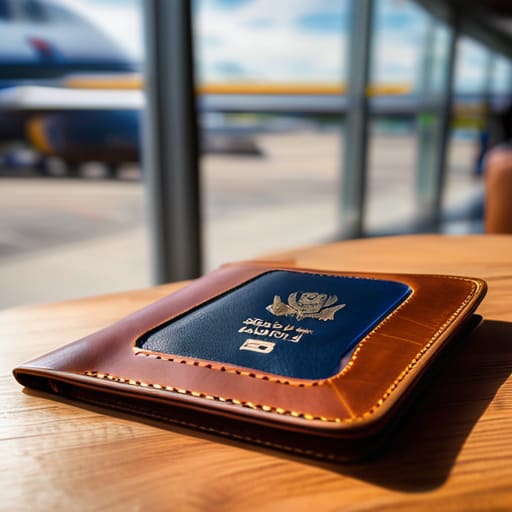
Most people I see at the airport are fumbling with flimsy plastic sleeves that tear within a month of heavy use. It’s a waste of money and a headache when you’re trying to navigate a busy terminal. If you’re going to buy someone a gift, get them a full-grain leather passport holder. It shouldn’t just look good; it needs to be thick enough to actually protect the documents inside from the wear and tear of constant handling.
Heavy-Duty Canvas Weekender Bags
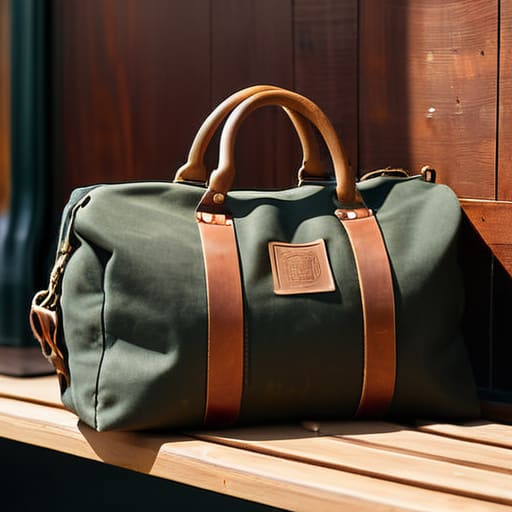
I see these nylon, brightly colored duffel bags everywhere these days, and frankly, they look like trash after three trips. They are designed for the “disposable” era, meant to be replaced the moment a zipper fails or a seam splits. Instead, look for a heavy-duty waxed canvas weekender. Canvas is a material that understands hard work, and when it’s paired with reinforced stitching, it becomes a reliable companion for any trip.
Stainless Steel Insulated Flasks

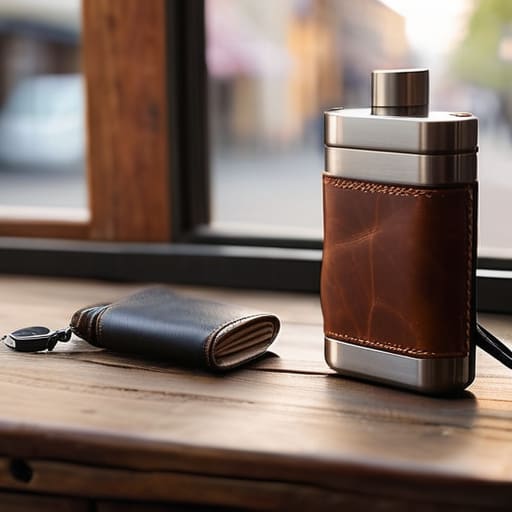
Stop buying those thin, single-use plastic water bottles that end up cluttering the ocean. It’s inefficient and, quite frankly, bad logistics. A high-quality double-walled stainless steel flask is a much smarter way to travel. It keeps your coffee hot through a long train ride or your water cold during a humid afternoon in a foreign city, all while being virtually indestructible.
Mechanical Travel Clocks or Watches
In a world where everyone is glued to a glowing smartphone screen, we’ve lost the appreciation for things that work independently of a battery. A well-made, analog travel timepiece is a wonderful gift for someone who appreciates precision engineering. Whether it’s a sturdy wristwatch or a small, mechanical desk clock for a hotel room, these items provide a sense of permanence that a digital device simply cannot match.
Wool Travel Blankets
Most “travel blankets” you find in gift shops are made of cheap synthetic fleece that feels like plastic and holds onto odors. They are the definition of junk. If you want to give something that actually provides warmth and comfort, go with a 100% merino wool blanket. Wool is a natural, breathable fiber that regulates temperature far better than any man-made substitute.
The Bottom Line on Travel Gifts
Stop buying cheap, plastic gadgets that end up in a landfill after one trip; if it isn’t built to endure, it isn’t worth the money.
Focus on quality over quantity—one solid, well-made leather item is worth more than a dozen flimsy trinkets.
A good gift should serve a practical purpose and stand the test of time, not just follow a passing trend.
The Cost of Convenience
Most people treat travel gifts like party favors—cheap trinkets meant to be used once and tossed in a bin. If you’re going to give something, give something that can survive a hundred departures and a thousand miles; anything less isn’t a gift, it’s just more future landfill.
Hugo Steenkamp
Buy Once, Travel Better
When you’re looking for a gift for someone about to head out on a journey, it’s easy to get distracted by those bright, plastic gadgets that promise the world but deliver nothing but a trip to the landfill. We’ve covered the essentials here: from a rugged leather passport holder that develops character over time to a solid, dependable travel kit that doesn’t fall apart at the first sign of a zipper snag. The common thread in everything I’ve suggested is a commitment to substance over novelty. If you invest in items that are built to withstand the rigors of transit, you aren’t just giving a gift; you are providing a tool that will serve them faithfully through every airport, train station, and cobblestone street they encounter.
At the end of the day, travel is about the experiences we gather and the stories we bring home, not the clutter we accumulate along the way. Don’t contribute to the cycle of disposable consumerism by gifting something that will be forgotten in a junk drawer by next season. Instead, choose something that carries weight, something that feels right in the hand, and something that is designed to endure. When you buy well, you respect the recipient and the journey they are embarking upon. Make it count, choose quality, and let them focus on the destination rather than their gear.
Frequently Asked Questions
How can I tell if a piece of luggage is actually built to last or just looks good in the showroom?
Don’t let a shiny finish fool you. I always look at the hardware first—if the zippers feel flimsy or the pulls are plastic, walk away. Real quality lies in the details: heavy-duty YKK zippers, reinforced corner guards, and high-density nylon or genuine leather. Check the handles; they should be sturdy, not wobbly. If it feels lightweight because it’s made of cheap, thin materials, it’s just more junk destined for a landfill.
Is it worth spending more on high-end travel accessories, or am I just paying for a brand name?
Look, I’ve spent thirty years in logistics; I know exactly how much a cheap component costs versus a quality one. If you’re buying a designer logo, you’re wasting your money. But if you’re paying for reinforced stitching, heavy-duty YKK zippers, or high-grade leather, you’re investing in durability. Don’t pay for the name on the bag—pay for the construction. Buy the gear that won’t fail you when you’re halfway across the world.
What are some practical gift ideas for someone who travels frequently for work rather than just for leisure?
If someone is living out of a suitcase for work, they don’t need more trinkets; they need tools that reduce friction. Skip the novelty items. Instead, look for a heavy-duty, ballistic nylon tech organizer to keep cables from becoming a tangled mess, or a high-quality, noise-canceling headset that actually holds up through constant flights. These are investments in sanity. When you’re traveling for business, efficiency is the only thing that matters.
