I’ve spent thirty years in logistics, so I know exactly how much time and money is wasted on items that are designed to fail. Most people treat shopping like a game of musical chairs, grabbing whatever flashy gadget catches their eye on a screen, only to have it end up in a landfill six months later. When it comes to selecting kitchen gifts, I see far too many people making the mistake of buying disposable junk that lacks any real substance. A kitchen shouldn’t be a graveyard for cheap plastic and flimsy electronics; it should be a workspace equipped with tools that actually perform.
In this list, I’m cutting through the marketing noise to bring you five selections that actually earn their place on a countertop. I’m not interested in trends or “must-have” gimmicks that break the moment you put them to work. Instead, I’m going to show you how to identify kitchen gifts that are built with integrity and durability in mind. If you want to give something that will still be functioning long after the novelty has worn off, you’re in the right place.
Table of Contents
Cast Iron Skillets That Outlive Us All
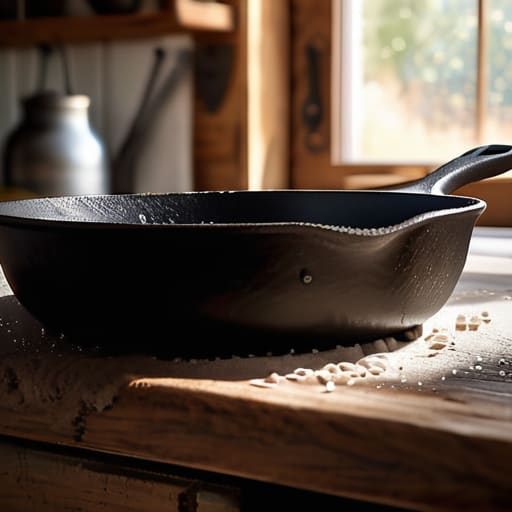
Most people today are too afraid of a little weight to appreciate a proper cast iron skillet. They want something lightweight and “non-stick” that will end up in a landfill the moment the coating starts flaking off. I’ve spent my retirement restoring old tools, and I can tell you that nothing beats the thermal mass of a heavy, well-seasoned pan. If you’re looking for a gift, find a brand that focuses on the foundry process rather than fancy marketing.
Heavy-Duty Mortar and Pestle
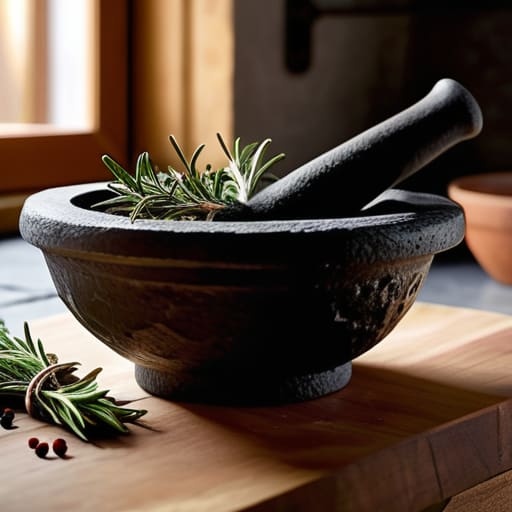
I see these flimsy plastic grinders in every kitchen aisle, and frankly, they drive me up the wall. They’re designed to break just as soon as the warranty expires. If you want to give a gift that actually honors the art of cooking, get a solid granite or marble mortar and pestle. There is a mechanical advantage to using stone that a motorized gadget simply cannot replicate.
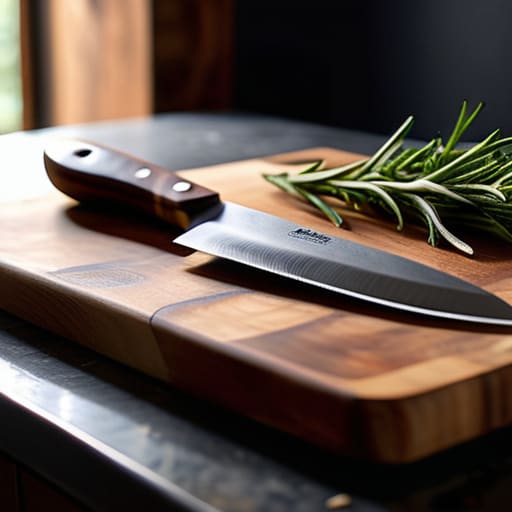
High-Carbon Steel Chef's Knives
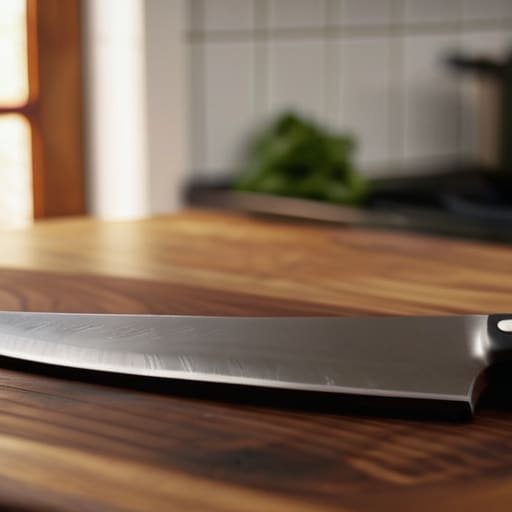
Everyone seems to think they need a block of twenty different knives to make a decent meal. That’s nonsense. In my experience managing logistics, I learned that efficiency comes from having the right tools, not the most tools. A single, high-quality chef’s knife made of high-carbon steel is worth more than an entire set of cheap, stamped-metal junk.
Solid Wood Cutting Boards
I’ve seen far too many people using thin, plastic cutting mats that warp and scar after a few weeks of use. Not only are they bad for your knives, but they are also a waste of money. If you are buying a gift for someone who actually spends time at the stove, get them a thick, end-grain wood cutting board. It’s a sturdy foundation for any culinary task.
Stainless Steel Cookware Sets
If you must buy a set of pots and pans, steer clear of anything with “ceramic” or “non-stick” in the name. Those coatings are temporary by design. Instead, look for multi-ply stainless steel. It’s the gold standard for a reason: it handles high heat, it’s incredibly durable, and it won’t react with acidic foods. It’s built for utility, not for looks.
The Bottom Line on Kitchen Gifting
Stop looking at the price tag and start looking at the materials; a heavy cast iron skillet or a solid wood board is worth more than ten plastic gadgets that will end up in a landfill by next year.
If a gift doesn’t have a clear, functional purpose in a daily cooking routine, it’s just more clutter taking up space in a drawer.
Aim for items that gain character with age rather than those that degrade; you want to give a gift that can be passed down, not something that needs replacing in six months.
On Gifting with Purpose
A kitchen gift shouldn’t be a piece of plastic destined for a landfill by next Christmas; if you aren’t giving something that can be passed down to the next generation, you aren’t giving a gift, you’re just giving more clutter.
Hugo Steenkamp
Stop Gifting Junk
At the end of the day, choosing a kitchen gift shouldn’t be about finding the most colorful gadget or the one with the flashiest box. Whether you opted for a heavy-duty cast iron skillet, a precision knife, or a solid wood cutting board, the goal remains the same: you are providing a tool that will actually get better with age. I’ve spent enough years in logistics to know that the most expensive item isn’t always the best, but the most durable one always wins. If the item you choose can’t survive a decade of daily use, it’s not a gift; it’s just more clutter waiting for the landfill.
My advice is simple: look past the marketing fluff and the seasonal trends. When you give a gift that is built to endure, you aren’t just handing over an object; you are passing on a sense of stability and quality. We live in a world obsessed with the “new,” but there is a profound satisfaction in owning things that actually work. Stop chasing the disposable and start investing in the essential. Buy it once, buy it well, and give a gift that will still be sitting on their countertop long after the trend has died.
Frequently Asked Questions
How can I tell if a piece of cookware is actually high-quality or just fancy marketing?
Don’t let a shiny box or a celebrity endorsement fool you. To find real quality, look at the weight and the construction. High-quality cookware—like heavy-gauge stainless steel or thick cast iron—should feel substantial in your hands, not flimsy. Check the rivets; they should be solid, not glued. If the manufacturer can’t tell you exactly what metal they’re using or how it’s built, they’re selling you marketing, not a tool.
Is it worth spending more on a single heavy-duty tool rather than a large set of cheaper items?
Look, I’ve seen this mistake a thousand times in logistics: you try to save a buck by buying volume, and you end up paying twice. Those cheap, multi-piece sets are usually nothing more than glorified landfill fodder. One heavy-duty tool with proper weight and build quality will outwork five flimsy ones every single time. Spend the extra money upfront. It’s not an expense; it’s an investment in something that actually works.
What are some kitchen essentials that are practical for someone who doesn't cook very often?
If someone isn’t cooking every night, they don’t need a drawer full of specialized gadgets that just collect dust. Stick to the fundamentals. A single, high-quality chef’s knife and a heavy-duty cast iron skillet will do more for them than any electric slicer ever could. These tools are versatile, easy to clean, and—most importantly—they won’t end up in a landfill when a cheap motor burns out. Buy quality, keep it simple.
