
I’ve spent thirty years in logistics, watching shipments move from factories to doorsteps, and if there is one thing I’ve learned, it’s that most of what we buy today is designed to fail. We’ve fallen into this trap of buying cheap, plastic junk just because it’s convenient or looks good for five minutes on a screen. When it comes to holidays or birthdays, people tend to panic and grab whatever is easiest, but that’s a recipe for clutter and waste. Instead of contributing to the mountain of landfill, we should be looking for sustainable gift ideas that actually hold their weight. A gift shouldn’t just be a momentary distraction; it should be something that actually serves a purpose long after the wrapping paper is tossed.
In this list, I’m cutting through the noise to bring you five items that meet my standards for durability and value. I’m not interested in flashy gadgets that will be obsolete by next Christmas; I’m looking for things built to last. I will show you how to select pieces that respect both your wallet and the planet by focusing on quality over quantity. By the time you finish reading, you’ll know exactly how to choose gifts that endure for years rather than weeks.
Table of Contents
Cast Iron Cookware That Outlives Us All
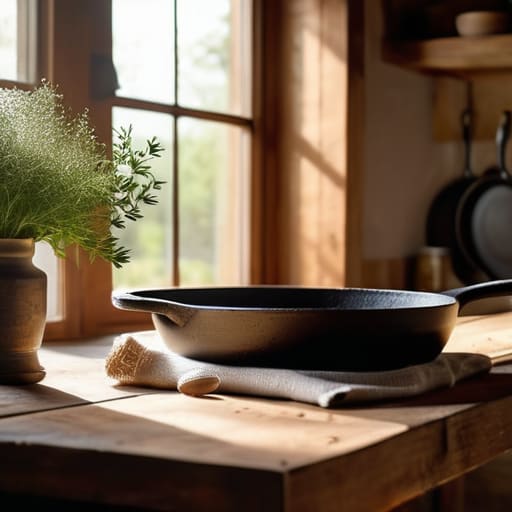
Most people today are perfectly happy buying a thin, non-stick pan that loses its coating after six months of heavy use. It’s a waste of money and a waste of resources. If you want to give a gift that actually matters, get them a heavy-duty cast iron skillet. It’s a tool that doesn’t rely on chemical coatings to function; it relies on heat and a bit of seasoning.
Solid Wood Cutting Boards
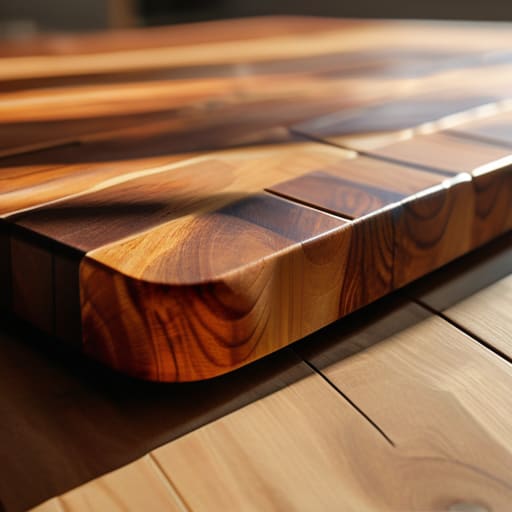
I see far too many plastic cutting boards in modern kitchens. They scratch easily, trap bacteria in the grooves, and eventually end up in a landfill when they get too worn down. Instead, look for a thick, end-grain hardwood cutting board. It’s a substantial piece of equipment that provides a stable, reliable surface for any cook.
High-Quality Wool Blankets

We live in an era of “fast fashion” where blankets are made from cheap synthetic fibers that pill and shed after a single season. If you’re looking for something meaningful, skip the polyester and find a 100% wool throw. Wool is a natural, renewable resource that regulates temperature far better than any plastic-based fabric ever could.
Heirloom-Quality Leather Goods
I have a low tolerance for “genuine leather” labels that turn out to be nothing more than bonded scraps glued together. If you are going to gift a wallet or a belt, make sure it is full-grain leather. It’s thicker, tougher, and it actually develops a characterful patina over time rather than cracking and peeling like cheap imitation stuff.
Reusable Glass and Stainless Steel Containers
The sheer amount of single-use plastic being shoved into homes these days is frankly ridiculous. If you want to give a gift that helps someone streamline their life, go with a set of heavy-duty glass containers with stainless steel lids. They don’t stain, they don’t retain odors, and they won’t leach chemicals into food like plastic does.
The Bottom Line on Buying Better
Stop looking for the lowest price tag; look for the highest quality. A gift that lasts a decade is far cheaper than buying three cheap replacements in the same timeframe.
If the packaging is a mountain of non-recyclable plastic, it isn’t a good gift. Real value shouldn’t come at the cost of creating more landfill waste.
Prioritize utility over novelty. If a gift doesn’t serve a practical purpose in someone’s daily life, it’s just more clutter waiting to happen.
The Real Cost of Convenience
A gift isn’t truly a gift if it’s designed to be thrown away. Stop filling your drawers with plastic junk that’s destined for a landfill; give something with enough character and quality to actually stay in the family.
Hugo Steenkamp
Making It Count
At the end of the day, giving a gift shouldn’t be about checking a box or following some seasonal fad you saw on a social media feed. Whether you opted for high-quality kitchenware, a sturdy tool that can be passed down, or something locally crafted, the principle remains the same: you are choosing substance over clutter. We’ve looked at how a thoughtful selection—focused on durability and minimal waste—can actually save the recipient money and space in the long run. It’s about moving away from that cycle of buying cheap, plastic junk that breaks before the holiday lights are even taken down, and instead focusing on items that serve a purpose.
I know it takes a bit more effort to hunt for these kinds of things. It requires you to slow down, do a little research, and occasionally pass on a “bargain” that is clearly built to fail. But I promise you, the satisfaction of handing someone a gift that will still be in use ten years from now is worth the extra legwork. Let’s stop treating our homes like temporary storage units for disposable goods. If we all commit to buying better and buying less, we can finally start building lives filled with meaningful possessions rather than just more noise. Buy it once, buy it well, and let it last.
Frequently Asked Questions
How can I tell if a product is actually built to last or if it's just "greenwashed" marketing?
Look past the green leaves on the box. Marketing departments are experts at slapping a “natural” label on cheap, flimsy junk to charge you a premium. If you want the truth, check the materials and the construction. Is it solid wood or particle board covered in a thin veneer? Is it heavy-duty metal or hollow plastic? If the company can’t tell you exactly what it’s made of or how to repair it, it’s greenwashing.
Is it worth paying a higher upfront price for sustainable goods, or am I just being taken for a ride?
Look, I’ve spent thirty years looking at cost-per-unit in supply chains, so I know a markup when I see one. If you’re paying more for a fancy label and a “green” logo, you’re being taken for a ride. But if that higher price means better materials—solid wood instead of particle board, or heavy-duty steel instead of plastic—then it’s not an expense; it’s an investment. Buy the quality stuff once, and you won’t be buying it again next year.
What should I look for in packaging to ensure I'm not just buying more waste wrapped in a "natural" label?
Don’t let a “natural” label fool you; that’s often just marketing fluff. I look for two things: simplicity and material integrity. If it’s wrapped in layers of unnecessary cardboard or some flimsy, unrecyclable composite, I’m putting it back. Look for single-material packaging—plain paper, glass, or metal—that can actually go into a bin and get reused. If the packaging is more complicated than the product itself, it’s just more junk for the landfill.
