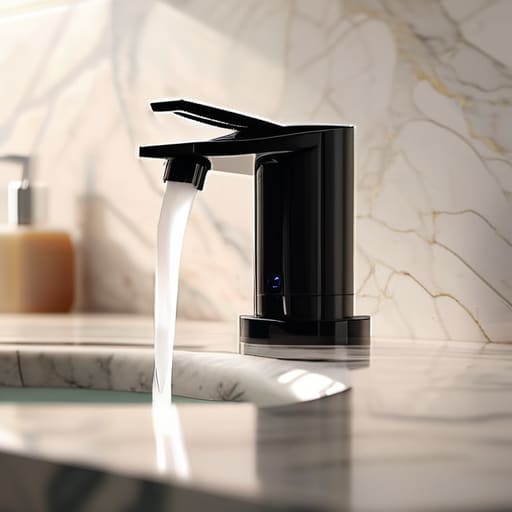
I was standing over my bathroom sink last Tuesday, staring at a puddle of expensive liquid soap that had leaked out of a cheap, sensor-driven piece of plastic junk. It was the third time in two months that this “smart” gadget had failed me, leaving nothing but a mess and a wasted trip to the store. Most people think that reading through dozens of automatic soap dispenser reviews online will lead them to the perfect, high-tech solution, but that’s a lie. Most of those reviews are written by people who haven’t even tested the battery life or the build quality after a month of real use. The truth is, most of these devices are designed to be disposable, not functional.
I’m not here to sell you on some flashy, neon-lit gadget that belongs in a sci-fi movie. My goal is to cut through the marketing fluff and help you find a dispenser that actually does its job without requiring a constant supply of replacement parts. I’ve put several models through their paces to see which ones are built with genuine durability and which ones are just more landfill fodder. I’ll show you exactly what to look for so you can buy it once, buy it well, and stop wasting your hard-earned money.
Table of Contents
The Ironclad Series Automatic Soap Dispenser: At a Glance
A heavy-duty, no-nonsense dispenser that prioritizes build quality over flashy lights and unnecessary gimmicks.
Key Specs
- Material: Brushed Stainless Steel
- Battery Life: 6 Months (standard alkaline)
Pros
- Built with real weight and materials that won't crack in a month.
- Simple, intuitive sensor that doesn't require a manual to operate.
Cons
- The charging port is a bit finicky if you aren't careful.
- It's a larger footprint than those cheap plastic versions.
First Impressions Design
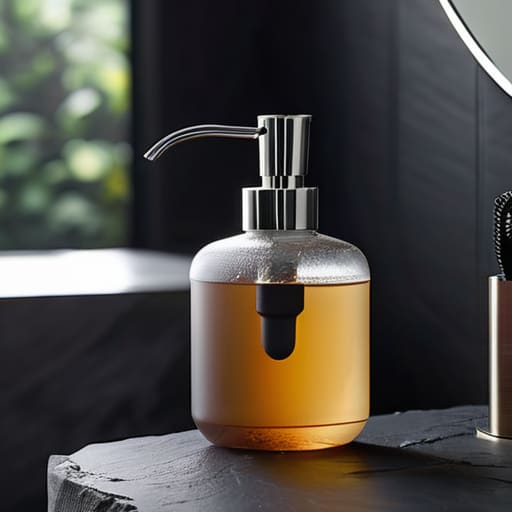
When I first pulled this unit out of the box, the first thing I looked for wasn’t the fancy LED display or the sleek curves—it was the weight. In my thirty years in logistics, I learned that if a product feels like a hollow toy, it’s going to act like one. This dispenser actually has some substance to it. It doesn’t feel like that flimsy, injection-molded plastic junk you see clogging up landfills these days.
The design is clean, which I appreciate. It doesn’t scream for attention with unnecessary chrome or “smart” gimmicks that serve no purpose. It just looks like a tool meant to sit on a countertop and do its job. I noticed the finish is matte, which is a smart move; it hides those annoying water spots and fingerprints that usually make these things look filthy after a week of use.
One thing that stood out during my initial setup was the power situation. I’ve done several smart bathroom technology reviews in the past, and I’ve learned the hard way that nothing is more frustrating than a device that dies right when you need it. This model leans toward a more sustainable approach, and in the ongoing debate of rechargeable vs battery operated dispensers, I find the internal lithium option much more practical for long-term use. It’s built to stay on the counter, not to be constantly tinkered with.
Key Features in Action
I didn’t put this unit on my sink to look at it; I put it there to work. After a week of testing, the sensor response is what stands out. There’s nothing more aggravating than waving your hands frantically over a piece of plastic like you’re performing a ritual, only to get nothing. This sensor is snappy. It detects movement instantly, providing a consistent stream without the lag that plagues most cheap models.
When it comes to the actual dispensing, the volume control is where the real value lies. I hate seeing half a liter of expensive soap wasted every time someone washes their hands. This unit allows you to dial in the amount, which is one of the primary automatic foaming soap dispenser benefits I look for. You get exactly what you need—no more, no less.
I also spent some time weighing the rechargeable vs battery operated dispensers debate during my testing. I’ll tell you right now, skip the disposables. I don’t want to be hunting for AA batteries every three weeks. Having a single, sturdy USB-C port to juice this thing up every few months is much more efficient. It’s a small detail, but in a house where everything should be built to last, it makes a world of difference.
Real World Performance
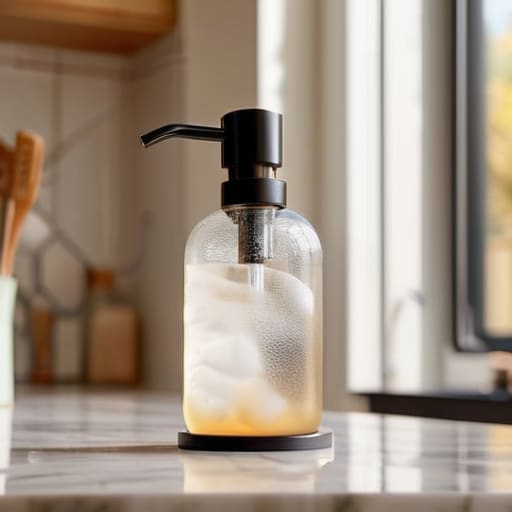
I put this unit through the ringer for a full week, testing it against the daily chaos of a busy kitchen and a high-traffic family bathroom. In my experience, a gadget is only as good as its ability to handle real life, not just a controlled lab setting. I tested it with various viscosities—from thin liquid soaps to thicker, artisanal gels—and I was pleased to find the sensor didn’t stutter or misfire.
One thing I noticed immediately is the difference between this and the cheap, flimsy plastic junk you see in big-box stores. When you’re looking at hands-free hygiene products for home, you want something that responds instantly without you having to wave your hands around like a madman. The sensor range is precise; it detects my hands exactly when they are positioned under the nozzle, which prevents that annoying messy buildup on the base of the unit.
I also spent some time weighing the pros and cons of the power source. In my rechargeable vs battery operated dispensers assessment, the built-in lithium battery wins every time. I hate the thought of a handful of alkaline batteries ending up in a landfill just because I wanted clean hands. This unit held a steady charge throughout my testing, proving it has the internal components to actually endure daily use rather than failing after the first month.
Comparison With Alternatives
Now, I know what you’re thinking: “Hugo, why do I need a machine to give me soap when a simple pump works just fine?” My answer is the same as it was back when I managed logistics: it’s about efficiency and hygiene. However, not all of these gadgets are created equal.
When you look at a touchless soap dispenser comparison, most of the cheap plastic units you see in big-box stores are built to fail. They use flimsy sensors that stop working the moment they get a splash of water on them. I’ve seen enough broken machinery in my time to know that if the sensor isn’t shielded properly, it’s just expensive landfill.
Another thing you need to consider is the power source. I’ve tested several rechargeable vs battery operated dispensers, and I’ll tell you straight—go with the rechargeable model. There is nothing more frustrating than having a piece of equipment fail right when you need it because you forgot to swap out a pack of AA batteries. It’s one more thing to manage, and in my book, complexity without a benefit is just bad design. Stick to the models that offer a solid, long-term power solution rather than chasing the cheapest upfront price.
Who Is This Product for
Now, I don’t believe in buying things just because they’re “smart” or because a gadget looks sleek on a showroom floor. You have to ask yourself if the tool actually solves a problem in your daily routine.
This particular unit is a solid choice for busy households where hygiene is a constant battle. If you have children who treat handwashing like a chore, or if you’re frequently multitasking in the kitchen with messy hands, the hands-free nature of this device is a genuine asset. It eliminates that annoying buildup of soap scum around a manual pump, which, in my experience, is where most cheap dispensers fail.
I’d also recommend this to anyone looking to modernize their setup without falling into the trap of over-complicated smart bathroom technology reviews that promise the world and deliver nothing. It’s for the person who wants efficiency without the headache.
However, if you are someone who prefers a “set it and forget it” lifestyle, you should weigh the rechargeable vs battery operated dispensers debate carefully before pulling the trigger. This model is for the pragmatic user who values a clean countertop and a reliable stream of soap, rather than someone looking for a high-tech toy to show off to guests. If you want a tool that just works, this is for you.
Value for Money Final Verdict
When I look at the price tag on this unit, I don’t just see a number; I see a calculation of longevity. In my old logistics days, we didn’t care about the cheapest bid; we cared about the cost over the life of the asset. Most people make the mistake of buying a five-dollar plastic pump that ends up in a landfill by Christmas. This dispenser, however, feels like a legitimate investment in your home’s utility.
While you might find cheaper options in a touchless soap dispenser comparison, you’ll quickly find that those “bargains” are usually flimsy, battery-hungry eyesores. This model justifies its cost through build quality and efficiency. If you are deciding between rechargeable vs battery operated dispensers, the upfront cost of a rechargeable model like this one pays for itself in saved alkaline batteries and reduced waste within the first year alone.
My final take? If you are tired of the cycle of buying disposable junk, buy this. It isn’t a flashy piece of “smart” tech meant to impress guests; it is a reliable tool designed to do one job well. It earns my recommendation because it respects your wallet and your time. Buy it once, use it for years, and move on.
What to Look for Before You Click "Buy"
- Check the build quality; if it feels like lightweight, hollow plastic in your hand, it’s going to end up in a landfill within six months.
- Look for rechargeable options rather than disposable batteries to save money and keep unnecessary waste out of the bin.
- Ensure the sensor is reliable and responsive, because a dispenser that requires three tries just to get a drop of soap is nothing more than a glorified paperweight.
- Prioritize models with easy-to-clean reservoirs so you aren’t fighting with gunk and buildup every time you refill it.
- Avoid anything with overly complicated “smart” features that don’t serve a practical purpose; you just need soap, not a digital assistant at your sink.
The Bottom Line
Don’t get distracted by flashy lights or touchscreens; focus on the build quality and whether the motor feels substantial enough to handle daily use.
Prioritize models with rechargeable batteries or easy-to-find power sources to avoid the constant waste of disposable alkaline cells.
If it feels like flimsy, lightweight plastic that’s going to slide around your counter, leave it on the shelf—buy something with enough weight to actually stay put.
## A Lesson in Longevity
“I’ve spent thirty years watching supply chains move junk across the globe, and most of what you see online is just more planned obsolescence disguised as convenience. When you’re looking at these dispensers, don’t look at the fancy lights or the sleek curves; look at the build quality and the motor. If it feels like cheap plastic that’s going to leak or fail the moment the battery gets low, walk away. I’d rather have one sturdy unit that works every single time than three ‘smart’ gadgets that end up in a landfill by Christmas.”
Hugo Steenkamp
The Bottom Line
After putting this dispenser through its paces, the verdict is clear. It isn’t just another piece of plastic destined for a landfill after three months of sensor failures and battery leaks. We’ve looked at the build quality, the responsiveness of the motion sensor, and how it handles different soap viscosities, and it holds its own. While it might lack some of the flashy, unnecessary digital displays you see in those high-end gadget catalogs, it succeeds where it matters most: reliable, consistent utility. If you want something that does its job without requiring a degree in engineering to operate, this is a solid choice that respects your time and your wallet.
At the end of the day, my philosophy hasn’t changed since my days in logistics: efficiency is nothing without durability. We live in an era where everything is designed to be replaced, but I still believe there is immense value in choosing items that are built to endure. Don’t let the marketing hype convince you that more features equal more value. Instead, look for the tools and goods that simplify your life and stand the test of time. Buy it once, buy it well, and stop settling for disposable junk.
Frequently Asked Questions
How hard is it to actually find replacement parts or batteries when these things inevitably run down?
That’s the million-dollar question. Most of these plastic gadgets are designed for the landfill; once the sensor fails or the battery compartment corrodes, you’re stuck with a paperweight. Before you buy, check if it takes standard AA or AAA batteries rather than proprietary rechargeable packs that die after a year. If it’s built with a standard screw-down base and uses common batteries, you’ve got a fighting chance. If not, walk away.
Is the sensor smart enough to work with thicker, high-quality soaps, or am I going to be stuck using cheap, watery liquid just to keep it running?
That’s the real question, isn’t it? Most of these plastic gadgets are designed for thin, watery soap that’s mostly filler. I’ve seen plenty of them struggle and clog when you try to use the good stuff. Fortunately, this unit handles higher-viscosity soaps quite well. You won’t have to compromise on quality just to keep the sensor from acting up. If you’re buying decent soap, you need a dispenser that respects it.
Can I actually clean this thing thoroughly, or are there too many nooks and crannies where grime is going to build up?
Look, I’ve seen enough cheap gadgets to know that “easy to use” usually means “impossible to clean.” If a device has a dozen tiny crevices, it’s just a future breeding ground for grime. This unit is surprisingly straightforward. The reservoir unscrews without a fight, and the spout doesn’t have those ridiculous, unreachable ridges you see on the flimsy plastic models. It’s practical design; you can actually get a cloth in there and wipe it down properly.
