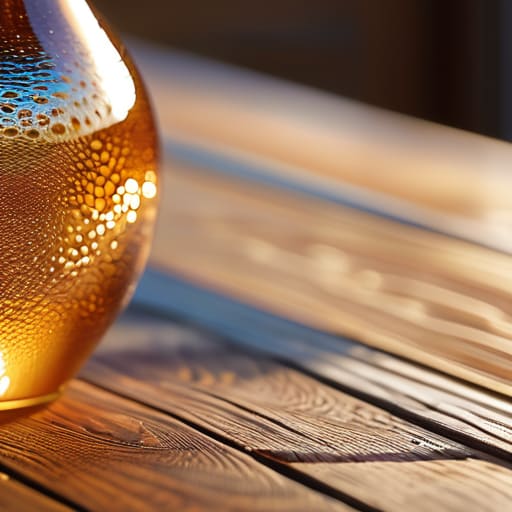
I was cleaning out my old workshop last weekend when I stumbled upon a set of heavy, hand-blown tumblers I bought nearly thirty years ago. They’ve survived three house moves, a dozen dinner parties, and more than a few accidental bumps against the granite countertop. It made me think about the absolute rubbish you see in big-box stores today—thin, fragile things that feel like they’ll shatter if you even look at them wrong. People are being sold a lie that “luxury” means a high price tag and a fancy logo, but real quality isn’t about the brand; it’s about the weight and the craftsmanship of true artisan glassware. If it feels hollow and cheap in your hand, it’s just more disposable junk destined for a landfill.
I’m not here to sell you on some overpriced lifestyle trend or tell you that you need a crystal collection to be sophisticated. My goal is simple: I want to help you identify the pieces that are actually worth your hard-earned money. I’ll be sharing what to look for in terms of durability, thickness, and construction so you can buy it once and buy it well.
Table of Contents
The Soul of Blown Glass Artistry
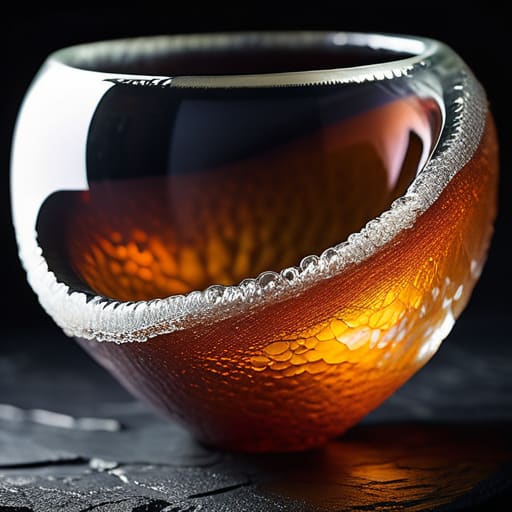
When you look at a piece of mass-produced glass, you’re looking at a machine’s output—perfectly identical, perfectly soulless, and ultimately disposable. But when you step into the world of blown glass artistry, you’re seeing the result of human intent. There is a physical weight to a piece that has been shaped by breath and heat. You can see the slight, intentional variations in the rim or the way the light catches a tiny, natural bubble trapped within the walls. These aren’t defects; they are the fingerprints of the maker.
I’ve spent enough time in logistics to know that efficiency often comes at the cost of character, but bespoke glassware design refuses to compromise. It’s about the connection between the person who made it and the person who holds it. A well-made glass doesn’t just sit on your table; it has a presence. It feels substantial, it balances correctly in your grip, and it carries a sense of history that a factory line simply cannot replicate. That is the difference between something you use and something you keep.
Bespoke Glassware Design Over Fleeting Trends
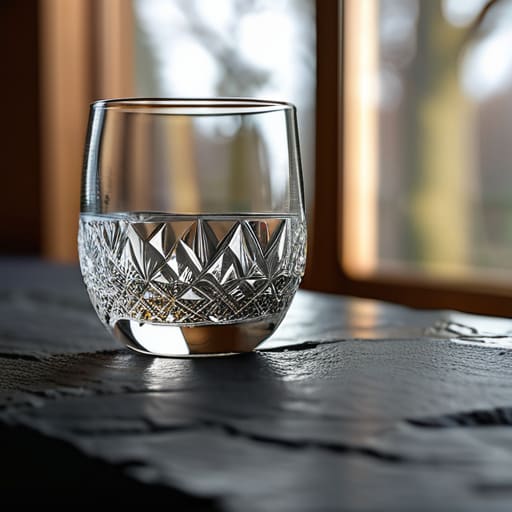
I see it every time I walk into a modern kitchen: rows of identical, thin-walled glasses that look like they were stamped out of a machine by the thousands. They follow whatever color or shape is currently trending on social media, but they have no character and even less staying power. That’s not decorating; that’s just filling space. When you opt for bespoke glassware design, you aren’t just following a fad. You are choosing pieces that possess a weight and a presence that mass-produced junk simply cannot replicate.
The real value lies in the subtle imperfections that come from handcrafted glass aesthetics. A machine can’t replicate the slight variation in a rim or the way light hits a hand-shaped base. These pieces are built to be part of your home for decades, not just until the next season’s catalog arrives. If you are looking for unique glassware for entertaining, stop looking for what’s “in” and start looking for what is substantial. A piece that feels good in your hand and tells a story is worth ten times more than a dozen trendy items that will end up in a landfill by next year.
How to Spot Real Value Before You Open Your Wallet
- Check the weight and balance. If a glass feels feather-light and hollow, it’s likely mass-produced junk. Real artisan glass has a certain heft and a balanced center of gravity that tells you it was shaped by a human, not a machine.
- Look for the subtle imperfections. I’m not talking about cracks or chips—I’m talking about the tiny variations in the rim or a slight ripple in the base. Those marks are the signature of the maker, and they’re proof that the piece isn’t just another identical unit off a factory line.
- Inspect the clarity and color. Cheap glassware often has a greenish or grayish tint caused by impurities in low-grade sand. High-quality artisan glass should be clear and vibrant, showing off the true color of the material without that murky, artificial look.
- Prioritize durability over “the look.” Don’t get distracted by a trendy shape that makes the glass impossible to clean or too fragile for daily use. If you can’t use it for a Tuesday night dinner, it’s just a dust collector, and I don’t have room for dust collectors.
- Demand transparency in the sourcing. A real craftsman should be able to tell you where their materials come from and how they’re made. If the salesperson can’t give you a straight answer about the production process, walk away—you’re being sold a marketing story, not a piece of art.
The Bottom Line on Quality Glass
Stop wasting money on mass-produced, thin-walled glass that shatters the moment it hits a granite countertop; look for weight and substance instead.
Prioritize character and craftsmanship over “perfect” factory finishes, because a piece with a bit of soul is far more durable than a disposable trend.
View artisan glassware as a long-term investment for your home, not a seasonal decoration that you’ll be throwing in the bin by next year.
## The Cost of Cheap Glass
“I’ve spent enough years managing supply chains to know exactly why those mass-produced glasses are so cheap: they’re designed to be replaced, not kept. When you hold a piece of artisan glassware, you aren’t just holding a vessel; you’re holding something with enough weight and character to actually survive a lifetime of use.”
Hugo Steenkamp
Making the Right Choice for Your Table

At the end of the day, choosing artisan glassware isn’t about following a design trend or filling a cabinet just for the sake of it. It’s about recognizing the difference between a mass-produced piece of thin, fragile glass and a vessel that has been crafted with intention. We’ve discussed how the artistry of the blowpipe adds character, and why choosing bespoke designs over those seasonal, disposable styles is the only way to ensure your investment holds its value. When you stop looking for the cheapest option and start looking for substance and durability, you stop participating in the cycle of waste that defines modern consumerism.
My advice is simple: look at your table and ask yourself if the items there will still be worth using ten years from now. If the answer is no, you’re just managing clutter, not building a home. Invest in pieces that feel substantial in your hand and tell a story every time you set them down. Don’t settle for the flimsy, “good enough” junk that ends up in a landfill after a single holiday season. Buy it once, buy it well, and surround yourself with things that are actually built to last.
Frequently Asked Questions
How do I tell if this is actual hand-blown glass or just mass-produced junk masquerading as "artisan"?
Look, don’t let a fancy label fool you. If the glasses look identical—like they rolled off a high-speed assembly line—they aren’t artisan. Real hand-blown glass has character. Look for slight, intentional variations in thickness or tiny air bubbles trapped inside. Pick one up; it should have a weight and a balance that mass-produced junk lacks. If it feels suspiciously light and uniform, put it back on the shelf. You’re paying for soul, not symmetry.
Is high-end glassware actually durable enough for daily use, or is it just something meant to sit in a cabinet gathering dust?
Look, I’ve seen enough flimsy, mass-produced junk to know the difference between “delicate” and “weak.” High-end glassware isn’t fragile; it’s just refined. When you buy a piece with real substance, you’re paying for better tempering and structural integrity. It’s not meant to sit behind glass gathering dust—it’s meant to be used. If it’s well-made, it’ll handle your Tuesday night dinner just fine. Buy quality, and you won’t be babying it.
What kind of maintenance does real artisan glass require to ensure it doesn't crack or cloud up after a few washes?
Look, if you’ve invested in real glass, don’t treat it like a plastic tumbler. Stop shoving it in the dishwasher; those high-heat cycles and harsh detergents are exactly what cause that cloudy film you can’t scrub off. Hand-wash them in warm, soapy water with a soft sponge. If you see mineral buildup, a quick soak in a bit of white vinegar will clear it right up. Treat them with respect, and they’ll last.
