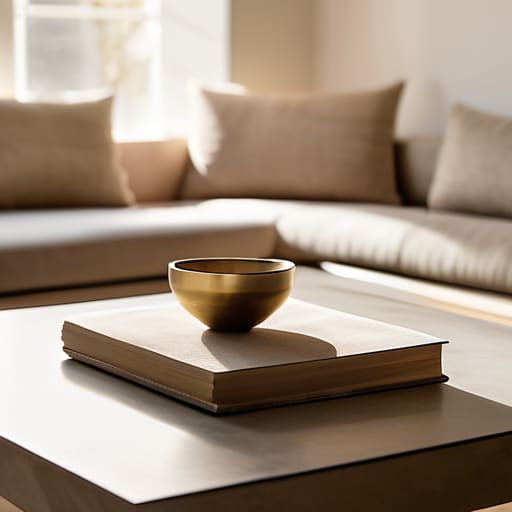
I was cleaning out my old workshop last weekend when I found a stack of those flimsy, glossy magazines people try to pass off as decor. It reminded me of how much nonsense is out there lately; you walk into a high-end boutique and see these overpriced, thin-papered “coffee table books” that feel like they’ll fall apart if you even breathe on them too hard. It drives me mad. Most of these modern publications are nothing more than disposable landfill fodder wrapped in a fancy jacket, designed to look good for five minutes on a social media feed before the spine cracks and the pages curl.
I’m not interested in helping you decorate a showroom; I want to help you build a home. In this guide, I’m going to cut through the marketing fluff and show you how to identify substance over style. I’ll be sharing my criteria for selecting books that feature heavy paper stock, durable binding, and actual subject matter worth revisiting decade after decade. If you’re tired of wasting money on temporary trends and want to invest in pieces that actually endure, you’ve come to the right place.
Table of Contents
Choosing Luxury Hardcover Books That Endure
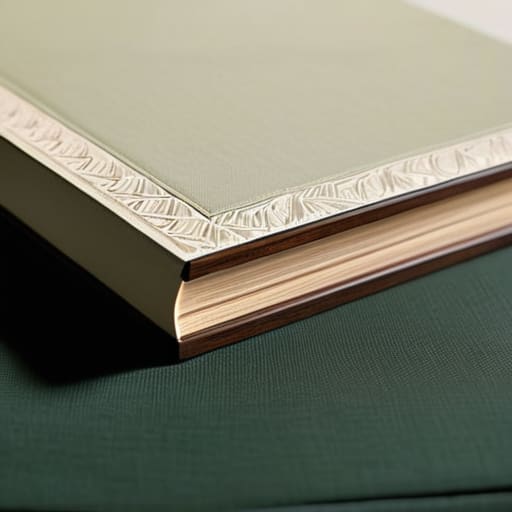
When you’re looking at luxury hardcover books, don’t let a flashy cover fool you. I’ve seen too many people buy these based on a single bright image, only to realize the binding is flimsy and the paper feels like newsprint. If you want something that actually adds value to your space, you need to check the weight of the binding and the quality of the cloth or leather. A real piece of art and photography books should feel substantial in your hands—something that won’t fall apart the moment a guest flips through it.
I’m not interested in flimsy paperbacks masquerading as decor. If you are curating home libraries, you have to look for publishers that prioritize longevity. Look for Smyth-sewn bindings; they allow the book to lay flat without cracking the spine. This is the difference between a temporary trend and true interior design inspiration. When you buy a book that is built with structural integrity, it ceases to be a mere object and becomes a permanent part of your home’s character.
Art and Photography Books Worth the Investment
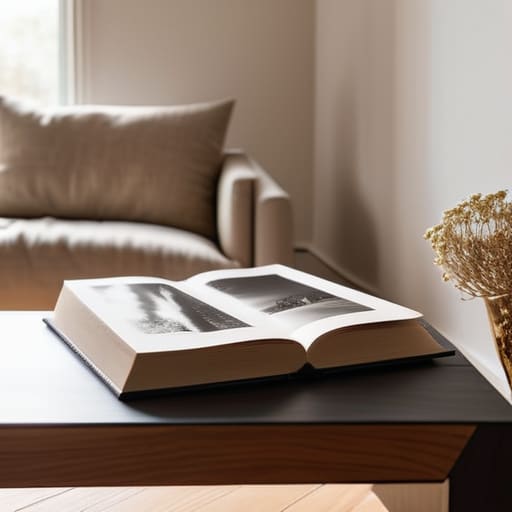
When you’re looking at art and photography books, don’t be fooled by a flashy cover that hides mediocre printing. I’ve seen too many “coffee table books” that look decent from six feet away but fall apart the moment you actually turn a page. If you want real value, look for publishers that treat the book as an object of craft. You want heavy, acid-free paper and ink that doesn’t bleed, ensuring the images stay crisp for decades. A high-quality monograph on a master photographer isn’t just something to glance at; it’s a piece of interior design inspiration that should sit in your home as long as you do.
I treat curating home libraries much like I treated managing a warehouse: everything must have a reason for being there. If you’re buying a book on Renaissance art or modern landscape photography, make sure it has the weight and substance to justify its spot. These shouldn’t be flimsy paperbacks you pick up at an airport. Invest in volumes that serve as anchors for your living room decor ideas, providing a sense of permanence in a world that’s increasingly obsessed with the temporary.
Five Rules for Buying Books That Aren't Just Paper Weight
- Check the binding before you reach for your wallet. A cheap glue binding will crack and shed pages within a year of being opened. Look for sewn bindings; they’re built to handle being flipped through without falling apart at the seams.
- Avoid the glossy, flimsy paper found in big-box retailers. You want heavy, acid-free stock that won’t yellow or warp the moment the sun hits your living room. If the paper feels like a magazine, put it back on the shelf.
- Buy for subject matter, not just for the cover design. A book that looks “trendy” today will look like clutter in three years. Pick a topic—be it architecture, history, or classic machinery—that actually holds your interest.
- Mind the scale of the book. A coffee table book should have some heft to it, but it shouldn’t be so oversized that it becomes a logistical headache to move or store. It needs to be a centerpiece, not an obstacle.
- Prioritize reputable publishers over mass-market imprints. Companies that specialize in fine art or monographs understand that a book is a physical object meant to endure, not a disposable piece of media.
The Bottom Line on Building a Real Library
Stop treating books like disposable decor; if the binding feels flimsy or the paper is thin, leave it on the shelf.
Look for substance over style by prioritizing high-quality photography and historical depth that will still be relevant ten years from now.
View every purchase as a long-term investment in your home’s character rather than a quick fix for a blank surface.
## Substance Over Show
“Most people treat coffee table books like disposable wallpaper, buying whatever looks flashy for a week before it gathers dust. But if you’re going to claim space on your table, don’t waste it on flimsy paperbacks; find a heavy, well-bound volume that actually holds weight, both in quality and in knowledge.”
Hugo Steenkamp
Final Thoughts on Building a Real Library

At the end of the day, selecting a coffee table book shouldn’t be about following some fleeting interior design trend you saw on a social media feed. We’ve covered why you need to prioritize heavy, high-quality hardcovers over those flimsy paperbacks, and why investing in genuine art or photography editions is a better use of your hard-earned money. It comes down to the material quality—the weight of the paper, the durability of the binding, and the integrity of the subject matter. If you’re going to give a piece of media a permanent home on your table, make sure it is something that actually deserves the space it occupies.
Don’t let your living room become a graveyard for cheap, disposable trinkets that lose their luster in a week. A well-chosen book is more than just a conversation starter; it is a testament to your interests and a piece of history that you can pass down. I’ve spent my life managing logistics and seeing how much waste goes into the world, and I refuse to see my own home cluttered with junk. Stop settling for the mediocre and start curating a collection that has substance and soul. Buy it once, buy it well, and let your home tell a story that actually matters.
Frequently Asked Questions
How can I tell if a book's binding is actually sturdy enough to survive being moved or handled frequently?
Don’t just look at the cover; you need to feel the spine. Open the book and check the binding—if it’s a cheap glued binding, you’ll see the pages pulling away as soon as you flex it. I look for sewn bindings, where the pages are actually stitched together. Give it a gentle tug. If it feels like one solid unit that moves with the cover rather than fighting it, it’ll survive being moved.
Are there specific publishers known for using high-quality, archival-grade paper that won't yellow in a few years?
If you want to avoid the heartbreak of seeing your collection turn brittle and yellow, look for names like Taschen, Phaidon, or Assouline. These publishers don’t cut corners; they use acid-free, archival-grade paper designed to stand the test of time. In my experience, if a book feels flimsy or the paper smells like cheap newsprint, put it back. You’re looking for weight and substance, not something destined for the recycling bin in five years.
Is it worth paying a premium for oversized editions, or am I just paying for extra shipping and wasted shelf space?
Look, I’ve spent enough time in logistics to know that “extra” usually means wasted overhead. But with books, size isn’t just about bulk; it’s about the scale of the work. If you’re buying a collection of architectural sketches or sweeping landscapes, a standard-sized book does the subject a disservice. You aren’t just paying for paper and shipping; you’re paying for the ability to actually see the detail. Buy the oversized edition if the art demands it. Otherwise, don’t waste the shelf space.
