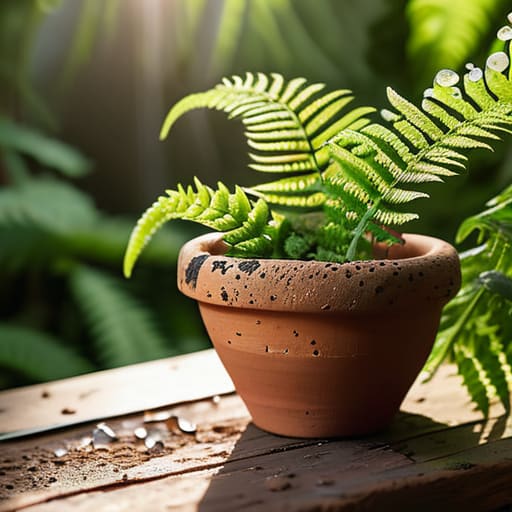
I was out in the shed last Saturday, cleaning some old chisels, when I looked over at the corner of my patio and saw a graveyard of cracked, faded plastic planters. It’s a sight I see far too often: people spending a fortune every single spring on cheap, colorful containers that turn brittle under the sun and end up in a landfill by autumn. It’s a ridiculous cycle of waste. If you want to do things right, you need to stop chasing those seasonal trends and get back to basics with terracotta pots. There is a reason my grandfather used the same clay vessels for decades; they actually breathe, and they don’t fall apart the moment the temperature shifts.
I’m not here to sell you on some fancy, designer brand that costs more than the plant inside it. My goal is to give you the straight truth on how to select, maintain, and actually make use of quality clay. I’ll show you how to spot the difference between a piece of junk and a vessel that will last a lifetime. We’re going to focus on durability and value, because if you’re going to buy something, you might as well buy it once.
Table of Contents
Breathable Clay Pottery Benefits Over Disposable Plastic Planters
I’ve spent enough years in logistics to know that the cheapest option in the supply chain is usually the one that ends up in a landfill first. That is exactly what happens when you opt for those cheap, colorful plastic planters. They trap moisture like a sealed coffin, suffocating the roots and inviting rot. When you look at terracotta vs plastic planters, it isn’t even a fair fight. Because the material is porous, it allows for natural air circulation. These breathable clay pottery benefits mean the soil can actually “breathe,” preventing that stagnant, soggy mess that kills most houseplants.
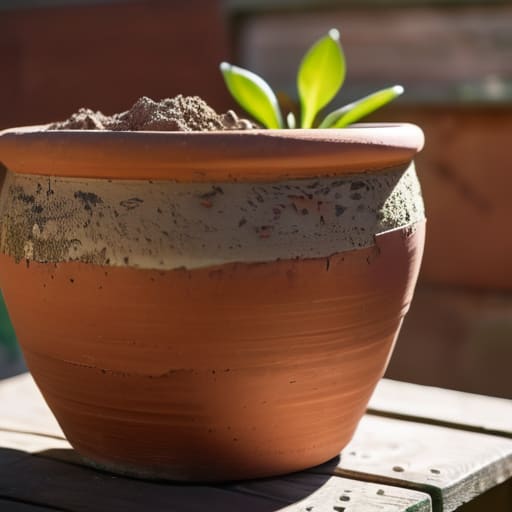
Furthermore, plastic is a dead end; it degrades under the sun and eventually cracks or fades into something unsightly. Terracotta, on the other hand, is a long-term investment. As the years pass, you’ll notice a beautiful patina on aged terracotta that gives your garden a sense of history and character. It doesn’t look like a piece of junk; it looks like it belongs there. If you want a home that feels grounded and intentional, stop buying disposables and start buying things that actually work with nature.
The Best Plants for Clay Containers That Truly Endure
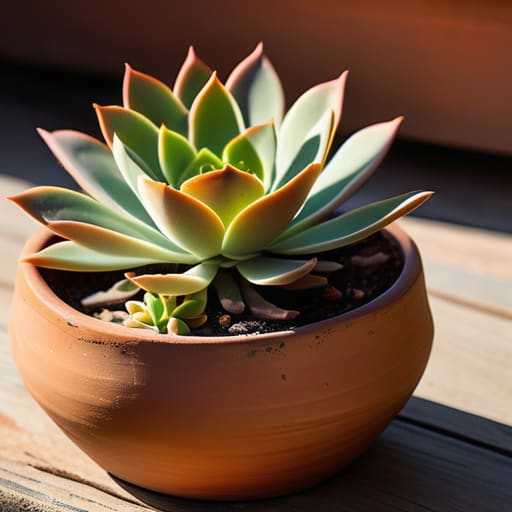
Since these vessels allow air and moisture to move through the walls, you shouldn’t just throw any plant in there. If you want to see the real value of this material, look toward succulents, cacti, or even lavender. These varieties thrive when the soil can dry out naturally between waterings, which is exactly where the breathable clay pottery benefits shine. Unlike a sealed plastic pot that traps moisture and invites root rot, these clay containers keep the environment balanced.
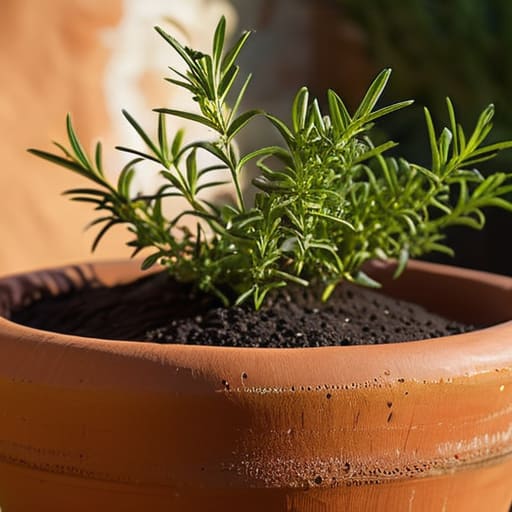
For those who prefer a bit more greenery, Mediterranean herbs like rosemary or thyme are excellent choices. They demand good drainage and airflow, making them perfect companions for heavy clay. I’ve found that as these plants grow, they contribute to a beautiful patina on aged terracotta, giving your garden a sense of history rather than looking like a collection of cheap, store-bought trinkets. Just remember that because the soil dries faster, you’ll need to be more attentive to your watering schedule. Stick to plants that respect the medium, and you won’t find yourself constantly replacing dead greenery every few months.
How to Make Your Terracotta Last a Lifetime
- Seal the inside, not the outside. If you want to prevent salt buildup from your fertilizer from staining the clay, use a food-safe sealer on the interior only. Leave the exterior porous so the pot can still breathe like it’s supposed to.
- Watch your drainage. A pot is only as good as its exit strategy. Never buy a terracotta pot that doesn’t have a substantial drainage hole at the bottom; otherwise, you’re just creating a stagnant bathtub that will rot your roots in a week.
- Mind the frost. I’ve seen too many people leave their good clay pots out in a hard freeze only to find them shattered on the patio. If you live in a climate that gets real winters, bring your prized pots into the shed or garage.
- Don’t skimp on weight. When you’re at the garden center, pick up the pot. If it feels light and hollow, it’s likely low-quality, thin-walled clay that will crack under the slightest pressure. You want something with some heft to it.
- Clean them properly. If you’re reusing an old pot, don’t just rinse it. Scrub it with a stiff brush and some plain water to clear out old mineral deposits and pathogens. It’s a simple bit of maintenance that keeps your plants healthy and your collection looking sharp.
The Bottom Line on Clay
Stop treating your garden like a landfill; skip the cheap plastic that cracks in the sun and invest in terracotta that actually works with nature.
Match your plants to the right pot—use the breathability of clay to your advantage to prevent root rot and keep things living longer.
Remember that true value isn’t found in the lowest price tag, but in buying a single, sturdy container that survives the seasons instead of replacing a dozen flimsy ones.
Stop Buying Trash for Your Plants
“I’ve spent enough years managing supply chains to know when a product is designed to fail; most plastic planters are just future landfill, but a heavy terracotta pot is an investment that actually works with nature instead of fighting it.”
Hugo Steenkamp
The Long-Term Investment
At the end of the day, choosing terracotta isn’t just about picking a color for your patio; it’s about making a sensible decision for your plants and your wallet. We’ve looked at how the natural breathability of the clay prevents the root rot that plagues those cheap, non-porous plastic bins, and we’ve identified the hardy species that thrive in these conditions. When you stop looking at gardening as a series of seasonal replacements and start seeing it as a long-term setup, you realize that quality beats quantity every single time. Don’t fall for the trap of buying five flimsy plastic pots that will end up in a landfill by next autumn; stick to the tried-and-true methods that actually work.
My advice is simple: stop chasing the latest seasonal trends and start building a collection of things that actually last. There is a certain satisfaction in watching a well-made clay pot develop a patina over the years, aging alongside the greenery it holds. It’s a testament to the idea that if you buy something right the first time, you won’t have to spend your weekends replacing junk. Buy it once, buy it well, and let your garden become a place of permanence rather than a revolving door of disposable waste. It’s time to invest in things that endure.
Frequently Asked Questions
How do I stop the terracotta from cracking if I live in a climate with harsh winters?
Listen, if you live somewhere where the frost bites hard, you can’t just leave your pots out on the patio like they’re part of the landscape. When water gets trapped in the clay and freezes, it expands, and that’s when you hear that dreaded snap. My rule is simple: bring them into the garage or shed for the winter. If they must stay out, keep them elevated on bricks to ensure drainage. Don’t let moisture sit.
Is there a way to seal the inside of the pot to keep moisture in without ruining the breathability?
Look, I get the urge to trap that moisture, but be careful. If you slather the inside with heavy chemical sealants, you’re essentially turning a breathable clay pot into a plastic one, defeating the whole purpose. If you must, use a thin, specialized masonry sealer only on the exterior. For the inside, just focus on your watering schedule. It’s better to learn the rhythm of your plants than to sabotage the clay.
How can I tell if a pot is high-quality clay or just cheap, mass-produced junk masquerading as real terracotta?
Don’t let a smooth finish fool you; mass-produced junk often looks too “perfect” to be real. Pick the pot up. If it feels unnaturally light, it’s likely low-density filler. A quality terracotta pot should have some heft to it. Also, check the bottom. If it’s perfectly uniform and lacks a bit of character, walk away. You want something with a bit of grit and weight—something that feels like it was actually made, not just molded by a machine.
