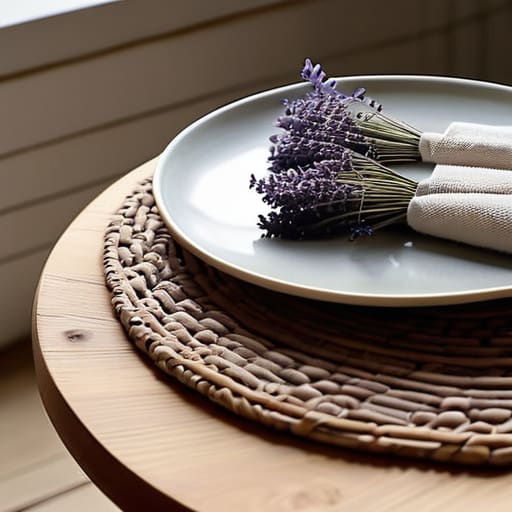
I was sitting in my workshop last Tuesday, cleaning a set of vintage chisels, when I realized how much of modern home decor is just expensive landfill in waiting. I see these shops online pushing “designer” woven placemats that look decent in a filtered photo but unravel the moment a heavy ceramic mug touches them. It drives me up the wall. People are being sold the idea that style requires constant replacement, but in my thirty years in logistics, I learned one thing: if it isn’t built to withstand the daily grind, it’s a waste of your hard-earned money.
I’m not here to show you which patterns are trending on social media this week. Instead, I’m going to help you identify the materials and weaves that actually stand the test of time. I’ll tell you which ones can handle a spilled glass of red wine and which ones will fall apart after a single wash. My goal is simple: to help you find high-quality woven placemats that serve a purpose and actually last for years, so you can stop chasing trends and start investing in your home.
Table of Contents
The Enduring Charm of Handwoven Seagrass Decor
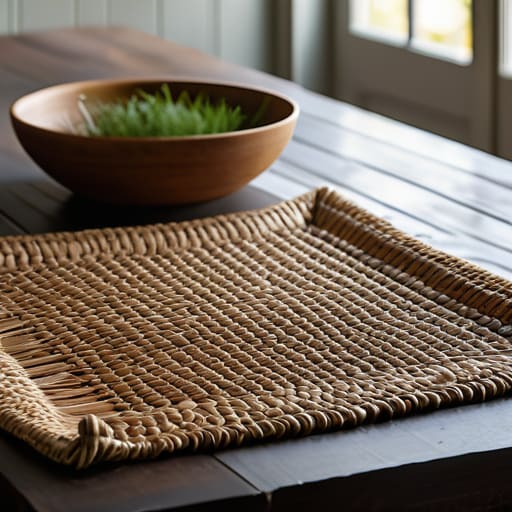
I’ve spent enough time in logistics to know that if a material isn’t sourced responsibly, it’s a waste of resources from the start. That’s why I’ve always gravitated toward handwoven seagrass decor. Unlike those mass-produced plastic imports that feel like they’ll crack the first time they hit a hot plate, seagrass has a natural resilience. It’s a tough, fibrous material that handles the daily rigors of a working kitchen without losing its integrity. It’s the kind of stuff that actually feels substantial under your hands.
There is a certain honesty in a piece that shows its texture. When you’re setting the table, you don’t need flashy, overpriced centerpieces that end up in a landfill by next Christmas. A few well-made pieces of rattan table accessories or seagrass mats provide a grounded, purposeful aesthetic that works just as well for a Tuesday night dinner as it does for a holiday gathering. You aren’t just buying a way to protect your tabletop; you’re investing in a texture that won’t go out of style when the next digital trend fades away.
Why Sustainable Jute Placemats Outlast Plastic Fads
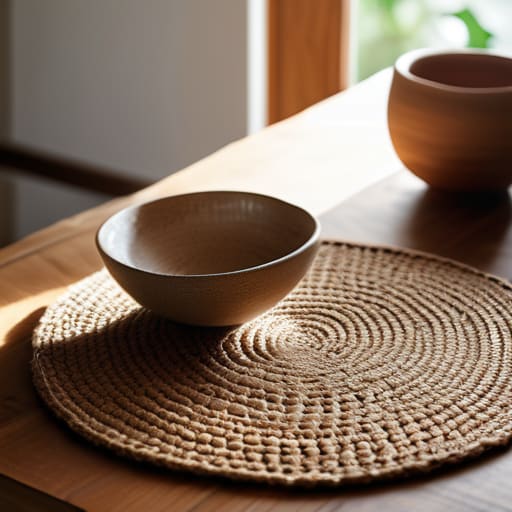
I’ve spent enough years in logistics to know that “cheap” is often the most expensive way to shop. I see it all the time—people buying those bright, flimsy plastic mats because they’re easy to find and even easier to toss in the bin when they inevitably crack or stain. It’s a cycle of waste that makes no sense. If you want something that actually stands the test of time, you need to look toward natural fibers. Sustainable jute placemats aren’t just a passing trend; they are a practical investment in durability. Unlike plastic, which degrades and ends up in a landfill, jute is a sturdy, hardworking material that handles the rigors of daily meals without losing its integrity.
When you opt for natural textures, you aren’t just following a design whim; you’re choosing longevity. Whether you are leaning into a rustic dinnerware presentation or just want something that doesn’t feel like a disposable piece of junk, these fibers provide a substance that synthetic materials simply cannot mimic. They age with character rather than breaking down into useless scraps. Stop chasing the temporary shine of plastic and start building a table with items that are actually built to last.
How to Pick Mats That Won't End Up in a Landfill Next Month
- Check the weave density before you buy; if you can see gaps large enough to let a spill soak straight through to your table, leave them on the shelf.
- Avoid anything with synthetic blends or plastic coatings that claim to be “easy clean” but will just fray and peel within a few months of real use.
- Look for natural fibers like seagrass, jute, or cotton that can be properly maintained and won’t shed microplastics every time you set down a plate.
- Test the weight of the item; a quality woven mat should have some heft to it, signifying a tight, sturdy construction rather than a flimsy, hollow weave.
- Stick to neutral, earthy tones that complement your existing furniture rather than chasing a seasonal color trend that will make your dining room look dated by next year.
The Bottom Line on Quality Table Linens
Stop wasting money on plastic or synthetic mats that fray after three washes; natural fibers like seagrass and jute are built to endure real daily use.
Look for tight, consistent weaves that offer structural integrity rather than loose patterns that lose their shape the moment you set a plate down.
Prioritize materials that are both functional and sustainable, ensuring your purchase serves your home for years without ending up in a landfill.
Stop Chasing the Disposable
I’ve spent enough years in logistics to know the difference between a product built to last and one built to be replaced. A good woven placemat isn’t just a piece of decor; it’s a rejection of that cheap, plastic culture that treats our homes like temporary holding cells. Buy something with actual substance, something that feels real under your hands, and you won’t be reaching for your wallet again for a long time.
Hugo Steenkamp
Making the Right Choice for Your Table
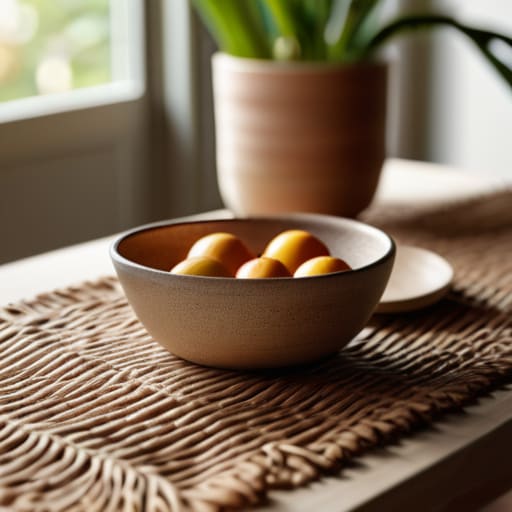
At the end of the day, choosing the right woven placemats comes down to looking past the superficial shine of modern, mass-produced goods. Whether you decide to go with the rugged durability of seagrass or the dependable, long-lasting nature of jute, you are making a decision based on substance rather than style alone. We’ve looked at how these natural fibers provide a level of texture and resilience that a plastic or cheap synthetic mat simply cannot match. By opting for these materials, you aren’t just decorating a table; you are investing in quality that can actually withstand the daily rigors of a real household without falling apart after a few washes.
I’ve spent enough years in logistics to know that the most expensive item is often the one you have to replace every six months. Don’t fall into the trap of buying into a cycle of constant replacement just because a new pattern caught your eye on a social media feed. Instead, focus on building a home filled with items that have a sense of permanence. Choose pieces that feel good in your hands and look better with age. When you buy it once and buy it well, you reclaim your time, your money, and your peace of mind. Make your next purchase count.
Frequently Asked Questions
How do I actually clean these without ruining the fibers or causing them to fray?
Look, I’ve seen enough people ruin good natural fibers by tossing them in a washing machine like they’re cheap rags. Don’t do that. If you spill something, blot it immediately with a damp cloth—don’t scrub, or you’ll fray the weave. For a deeper clean, use a soft brush and a tiny bit of mild soap in lukewarm water. Once they’re clean, lay them flat to air dry. Avoid the heat, or you’ll warp them.
Are these placemats sturdy enough for daily family meals, or are they strictly for special occasions?
Look, I’ve spent enough time in logistics to know the difference between something built for show and something built for work. If you’re talking about high-quality jute or seagrass, they aren’t just for holiday dinners. They’re tough. As long as you wipe them down after a spill rather than scrubbing them like a maniac, they’ll handle the daily grind of a family breakfast just fine. Buy them for utility, not just for decoration.
How can I tell if I'm buying genuine natural fibers versus some cheap synthetic imitation that's just going to fall apart?
Look, don’t let a glossy photo fool you. To spot the real deal, use your hands. Genuine seagrass or jute has a distinct, earthy scent—if it smells like a chemical factory, put it back. Run your fingers over the weave; natural fibers have slight, honest irregularities. If it feels unnaturally uniform or has a weirdly plastic sheen, it’s a synthetic imitation. Real materials have weight and character; cheap synthetics just feel hollow.
