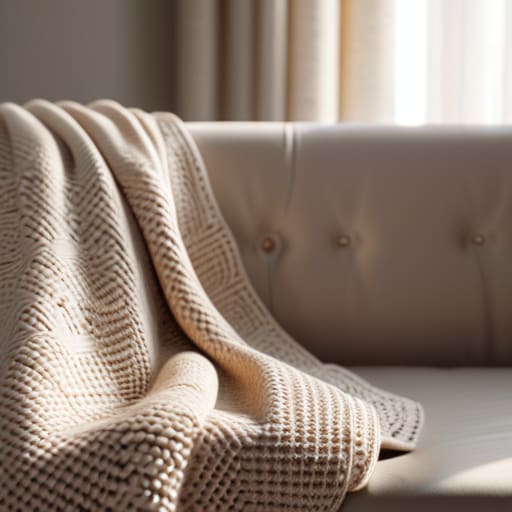
I walked into a big-box home store last week and nearly walked right back out. The aisles were overflowing with these flimsy, synthetic “throws” that felt more like cheap plastic than actual fabric. They’re all bright colors and even brighter marketing, but if you pull on a single thread, the whole thing starts to unravel. It’s a racket, plain and simple. People are being sold these disposable scraps under the guise of “cozy decor,” but most of those mass-produced items won’t survive a single trip through the washing machine without looking like a rag. If you’re looking for real cotton throw blankets that actually hold their shape and weight, you have to learn how to spot the difference between genuine quality and clever packaging.
I’m not here to tell you which colors are trending on social media or how to stage a photo for a magazine. My goal is to give you the straight truth based on years of looking at how things are actually built. I’m going to show you exactly what to look for in a weave, how to test the weight of the cotton, and how to ensure you’re buying it once so you don’t have to replace it next season.
Table of Contents
The Superiority of Breathable Cotton Weaves
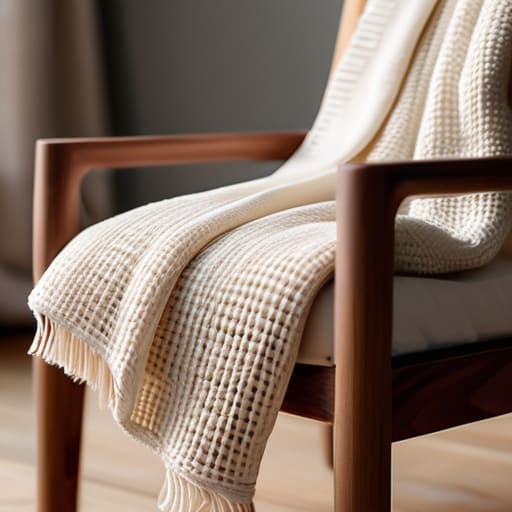
Most people make the mistake of buying thick, heavy synthetics thinking they’re getting more “warmth,” but they’re actually just buying a sweat trap. When you’re looking for something that works year-round, you need to look closely at the construction. I’ve always found that breathable cotton weaves are the only way to go if you want a piece that doesn’t leave you feeling stifled in the middle of the night. A well-constructed weave allows for airflow, meaning it regulates your temperature instead of fighting against it.
I don’t care much for fancy marketing fluff, but I do care about material integrity. If you opt for organic cotton home textiles, you aren’t just doing the right thing for the environment—which, as you know, is a non-negotiable for me—you’re also getting a fiber that is inherently more durable. These natural fibers hold their shape and texture long after the cheap polyester blends have started pilling and looking like rags. It’s about choosing a material that respects the physics of comfort and actually stands the test of time.
Investing in Organic Cotton Home Textiles
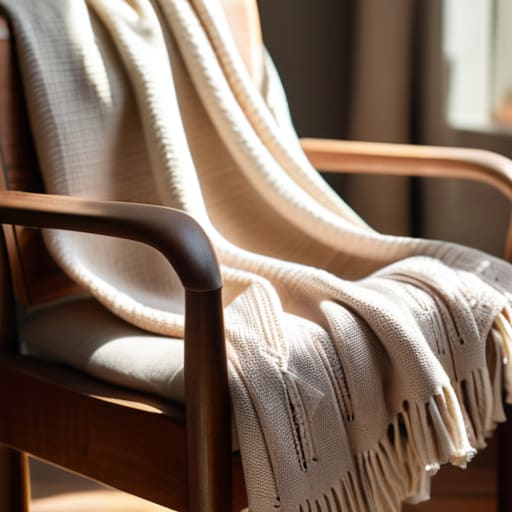
Now, I know what you’re thinking—is “organic” just another marketing buzzword designed to inflate the price tag? In my experience with supply chains, you learn quickly that you get exactly what you pay for. When it comes to organic cotton home textiles, you aren’t just paying for a label; you are paying for the integrity of the fiber itself. Conventional cotton is often treated with a cocktail of pesticides and harsh chemicals that can leave your skin irritated and the fabric feeling stiff and lifeless. Organic fibers, grown without those synthetic shortcuts, maintain a natural strength that holds up through years of use.
If you want to do things right, look for pieces that prioritize natural fiber home decor. These textiles have a weight and a drape that cheap, chemically-treated alternatives simply cannot replicate. I’ve spent enough time in my workshop to know that the quality of your raw materials dictates the lifespan of the finished product. By choosing organic, you are investing in a material that stays soft, handles being laundered without thinning out, and actually respects the environment. It’s about buying something once and knowing it won’t end up in a landfill by next season.
Five Rules for Buying a Blanket That Won't End Up in a Landfill
- Check the weight before you buy. A blanket that’s too light feels like a cheap sheet, and one that’s too heavy will just make you sweat. You want a substantial weave that has some heft to it without being a burden.
- Look past the fancy patterns and check the edges. If the hem looks flimsy or the stitching is uneven, put it back on the shelf. A well-constructed edge is the first thing to go when a cheap blanket starts to unravel.
- Avoid the “microfiber” trap. I see these synthetic blends everywhere lately, and they’re nothing but glorified plastic. They don’t breathe, they trap heat, and they pill after three washes. Stick to pure cotton.
- Test the texture for durability, not just softness. Some blankets feel incredibly soft in the store because they’ve been treated with chemicals, but that softness vanishes the moment it hits the laundry. You want a natural, honest texture.
- Don’t get distracted by seasonal colors. If you buy a bright, trendy shade just because it’s “in” this year, you’ll be looking for a replacement in twelve months. Stick to neutral, timeless tones that won’t clash with your home as the years go by.
The Bottom Line on Cotton Throws
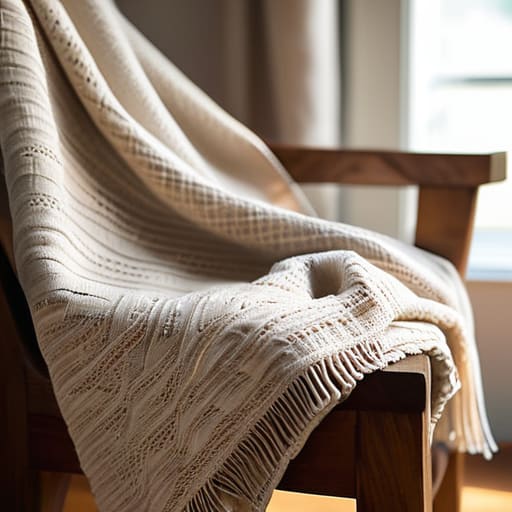
Stop looking at the price tag alone; a cheap synthetic blend will pill and lose its shape after three washes, whereas a heavy-weight cotton weave is built to endure years of use.
Prioritize natural fibers over “fast fashion” home decor to ensure your living space stays breathable and avoids that nasty chemical smell common in mass-produced disposables.
Treat your purchase as a long-term investment rather than a seasonal trend—buy one high-quality piece that serves a purpose instead of cluttering your home with five mediocre ones.
## Stop Buying Disposable Textiles
I’ve spent enough years in logistics to know that if a product is built cheap, it’s destined for a landfill; don’t settle for a synthetic rag that loses its shape after one wash when a proper cotton throw can serve your family for a decade.
Hugo Steenkamp
The Bottom Line on Cotton Throws
At the end of the day, choosing a throw blanket shouldn’t be about matching a color swatch you saw on a social media feed for five minutes. We’ve looked at why the weave matters, why breathability keeps you comfortable instead of sweaty, and why opting for organic cotton is a sensible move for both your skin and the planet. If you skip the synthetic, polyester-heavy junk and focus on high-quality natural fibers, you aren’t just buying a piece of fabric; you are investing in a functional tool for your home. It’s about recognizing that true value lies in durability, not in how many cheap items you can pile onto your sofa before they start shedding or pilling.
My advice is simple: stop the cycle of constant replacement. It is far more satisfying to own a single, well-made cotton throw that ages gracefully with your home than to spend your hard-earned money on a rotating door of disposable textiles. When you buy something built to last, you reclaim your time and your peace of mind. Build a home filled with things that actually serve a purpose and stand the test of time. Buy it once, buy it well, and let your home reflect a standard of quality that doesn’t need to shout to be noticed.
Frequently Asked Questions
How can I tell the difference between a high-quality heavy weave and a cheap, thin imitation just by looking at it?
Don’t let a fancy photo fool you; you have to look at the structure. Hold the blanket up to the light. If you can see right through it like a cheap veil, it’s junk. A quality heavy weave will have a tight, consistent pattern with no loose, wandering threads. Look for weight and “drape”—a real cotton throw should feel substantial in your hands, not flimsy and flyaway like a piece of tissue paper.
Is it actually worth the extra money to go for organic cotton, or is that just marketing fluff?
Look, I’ve seen enough “greenwashed” marketing to last a lifetime, but organic cotton isn’t just fluff. When you buy organic, you aren’t just paying for a label; you’re paying for a cleaner, more robust fiber. Conventional cotton is often treated with heavy pesticides that can weaken the thread over time. Organic fibers tend to be more resilient and hold their shape better after a hundred washes. It’s an investment in durability, not just a trend.
What’s the best way to wash these so they don't shrink or lose their shape after the first few months?
Listen, if you treat a quality cotton throw like a piece of heavy-duty machinery, it’ll serve you well for years. Stop using that scalding hot water; it’s the quickest way to ruin the fibers and shrink the weave. Wash it in cold water on a gentle cycle with a mild, eco-friendly detergent. Most importantly, skip the high-heat dryer. Air dry it flat if you can. It takes a bit more patience, but it keeps the shape intact.
