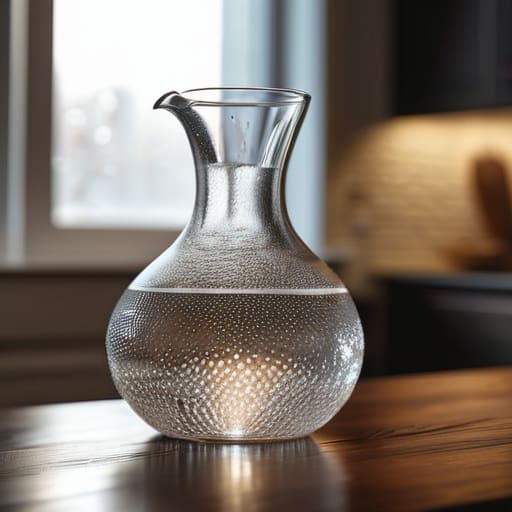
I was sitting in my workshop last Tuesday, cleaning a set of vintage chisels, when I realized just how much junk we’ve allowed into our homes lately. I saw a neighbor unboxing some flimsy, designer-labeled “lifestyle” set, and it hit me: people are being sold a bill of goods. They’ll spend fifty dollars on a decorative glass carafe that’s so thin you’re afraid to even pour water into it, let alone wash it without it shattering. It’s a ridiculous waste of money. We’ve traded substance for style, and frankly, it makes my blood boil to see people paying premiums for items that aren’t built to endure.
I’m not here to show you the prettiest thing on a showroom floor or tell you what’s trending on social media. My goal is to help you find a glass carafe that actually has some weight to it—something that feels substantial in your hand and won’t end up in a landfill by next Christmas. I’m going to walk you through exactly what to look for in terms of thickness, heat resistance, and build quality so you can buy it once and buy it well.
Table of Contents
Why Borosilicate Glass Drinkware Outlasts Flimsy Trends
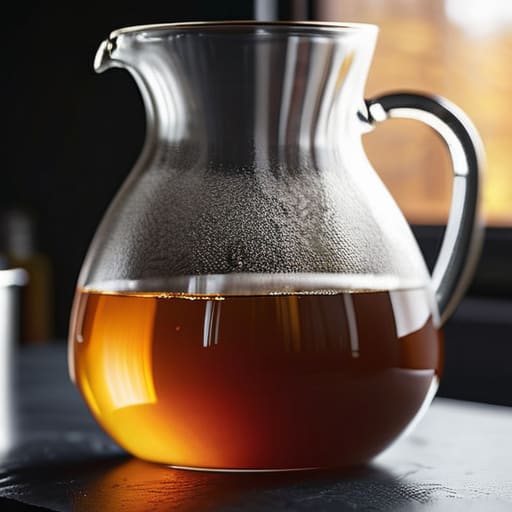
Most people walk into a big-box store and grab the first piece of glassware they see because it looks shiny and costs next to nothing. That’s a mistake. Most of that cheap soda-lime glass is brittle; one slight temperature change and you’re left cleaning up a mess of shards. If you want something that actually survives the rigors of a real kitchen, you need to look for borosilicate glass drinkware. Unlike the flimsy stuff, borosilicate contains boron trioxide, which makes it incredibly resistant to thermal shock. I’ve seen people ruin perfectly good sets by pouring hot tea into a cold vessel, but a quality piece won’t crack under the pressure.
Investing in these tougher materials isn’t just about durability; it’s about sensible long-term value. When you choose a sturdy, refillable water pitcher made from this material, you aren’t just following a fleeting design trend—you’re building a collection of tools that work. It fits perfectly into any minimalist kitchen decor because it doesn’t need flashy, unnecessary ornamentation to look good. It just looks solid. Stop buying disposables and start buying things that are built to endure.
Elevating Minimalist Kitchen Decor With Purposeful Objects
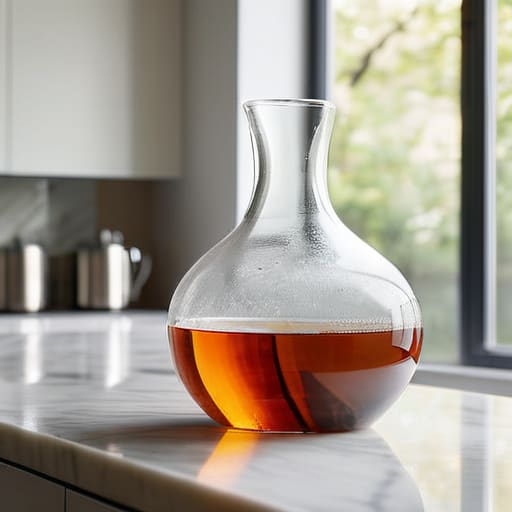
Most people clutter their countertops with gadgets that serve one purpose and then sit gathering dust. That’s not how you build a home; that’s how you create a warehouse of junk. If you’re looking into minimalist kitchen decor, the secret isn’t about having fewer things, but about having the right things. A single, well-crafted vessel does more for a room than a dozen plastic organizers ever could.
When I set a table, I don’t want to see a sea of mismatched, cheap containers. I want items that have weight and intention. Using a high-quality refillable water pitcher instead of reaching for a plastic bottle or a flimsy jug changes the entire feel of a meal. It’s one of those simple beverage presentation tips that makes a house feel like a home. It’s about choosing functional elegance—objects that look just as good sitting on your sideboard as they do during a Sunday roast. When you invest in pieces that are built to endure, you aren’t just decorating; you’re curating a space that values quality over quantity.
How to Choose a Carafe That Won't End Up in a Landfill
- Check the weight and thickness of the glass. If it feels light and hollow like a cheap soda bottle, put it back on the shelf; you want something with enough heft to feel substantial when you pour.
- Look for a seamless construction. I’ve seen too many cheap models with messy seams that act as stress points, making them prone to cracking the moment they hit a temperature change.
- Inspect the lid design closely. A poorly fitted lid is useless; ensure it sits flush and stays secure so you aren’t constantly fighting with it every time you want a drink.
- Prioritize easy-to-clean shapes. Avoid anything with overly intricate carvings or narrow, winding necks that require specialized brushes to clean, or you’ll find yourself abandoning it for a plastic pitcher within a month.
- Verify the thermal tolerance. If you plan on using it for hot tea or iced water, make sure the specs explicitly state it can handle temperature shifts without shattering—don’t take a gamble on unverified glass.
The Bottom Line on Buying Better
Stop buying cheap, thin glass that cracks the first time you pour something cold; invest in borosilicate so you only have to buy it once.
A single, sturdy carafe serves more purposes and takes up less space than a cupboard full of plastic nonsense that ends up in a landfill.
Look for weight and substance in your glassware—if it feels flimsy in your hand, it won’t last a season, let alone a lifetime.
The Cost of Cheapness
I’ve spent enough years managing supply chains to know that when a product is priced too low, you aren’t saving money—you’re just pre-paying for its replacement. Stop cluttering your cabinets with flimsy glass that cracks the moment things get serious; invest in a proper carafe that has enough weight to feel permanent and enough quality to actually stay on your table for decades.
Hugo Steenkamp
The Bottom Line on Your Next Purchase
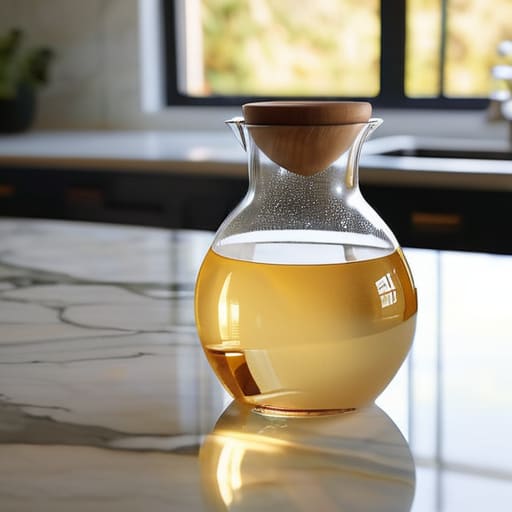
At the end of the day, choosing a glass carafe isn’t about following some kitchen design trend you saw on social media; it’s about making a smart, logistical decision for your home. We’ve covered why you should steer clear of thin, fragile glass and instead opt for the thermal resilience of borosilicate. We’ve also looked at how a single, well-designed piece can clear the clutter off your countertops and replace it with something that actually serves a purpose. When you stop buying those cheap, disposable items that end up in the landfill after three uses, you realize that investing in quality isn’t just a way to save money in the long run—it’s a way to simplify your life.
My advice is simple: stop settling for mediocrity just because it’s convenient or cheap. Whether you are serving water at the breakfast table or decanting a drink in the evening, the tools you use should feel substantial and reliable. A good carafe should be a permanent fixture in your kitchen, something that works just as well ten years from now as it does today. Don’t just fill your house with stuff; fill it with things that have integrity and staying power. Buy it once, buy it well, and make it count.
Frequently Asked Questions
Is borosilicate glass actually more resistant to thermal shock, or is that just marketing talk?
It’s not just marketing fluff; it’s basic physics. In my years managing logistics, I saw plenty of “innovative” products that were nothing more than clever labels, but borosilicate is the real deal. Because it has a much lower coefficient of thermal expansion, it doesn’t expand or contract violently when you hit it with hot water. You can pour boiling tea into it without the whole thing shattering in your hand. It’s built to endure.
How do I know if a carafe is built to last or if it's just thin, cheap glass disguised as high-end?
You can’t just look at the shine; you have to feel the weight. Pick it up. If it feels feather-light and skittish in your hand, it’s junk. Real, high-quality glass—especially borosilicate—has a substantial, balanced heft to it. Check the rim, too. It should be smooth and uniform, not jagged or uneven. If the glass looks thin enough to crack just by looking at it, put it back on the shelf.
Are these glass carafes easy to clean, or am I going to struggle with narrow necks and hard-to-reach spots?
Look, I’ve spent enough time cleaning out old industrial containers to know that a narrow neck is a recipe for frustration. If you buy a carafe that’s too slim, you’ll spend your afternoons wrestling with a bottle brush and half-hearted rinses. Aim for a design with a wider opening. It’s not about aesthetics; it’s about utility. If you can’t get a brush in there easily, it’s not a tool—it’s a chore.
