
I was in my workshop last Tuesday, trying to hang a simple set of heavy-duty brackets, when I looked at the “modern” kit I’d picked up from a big-box retailer. It was nothing but thin, hollow-core junk and flimsy plastic fasteners that felt like they’d snap if you looked at them wrong. It’s the same nonsense I see everywhere lately: people spending hundreds of dollars on trendy, lightweight wall shelving that looks decent in a catalog but bows and sags the moment you put a real book or a ceramic vase on it. We’ve become a society obsessed with disposable aesthetics, buying things that are designed to fail just so we can replace them in a year.
I’m not here to sell you on some fleeting interior design fad or show you how to make your living room look like a showroom. My goal is to help you identify materials and mounting methods that actually hold their weight. I’m going to walk you through how to select sturdy, permanent solutions that prioritize structural integrity over style. We’ll talk about load capacities, real wood versus engineered nonsense, and how to install things so you only have to do the job once.
Table of Contents
Beyond Fleeting Modern Wall Decor Ideas
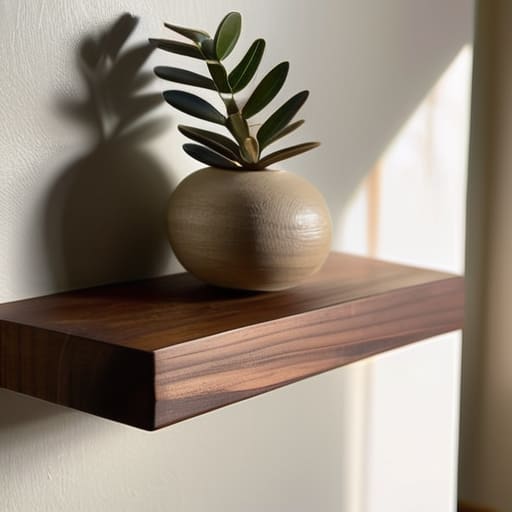
I see it every time I walk into a friend’s house: a collection of those flimsy, lightweight plastic accents that look fine in a catalog but feel like nothing in your hands. People get swept up in those endless modern wall decor ideas they see scrolling past on their phones, chasing a look that will be outdated by next season. It’s a cycle of consumption that serves no one. If you’re going to clear some space on your walls, don’t just aim for “aesthetic”—aim for utility.
Instead of cluttering your space with trinkets that serve no purpose, look toward space saving organization that actually works. A well-placed, solid timber plank supported by proper heavy duty shelf brackets does more for a room than any mass-produced piece of plastic ever could. It provides a place for your books, your tools, or your heirlooms. When you choose materials that have some weight to them, you aren’t just decorating; you’re building a foundation for a home that feels settled and permanent.
The Strength of Heavy Duty Shelf Brackets
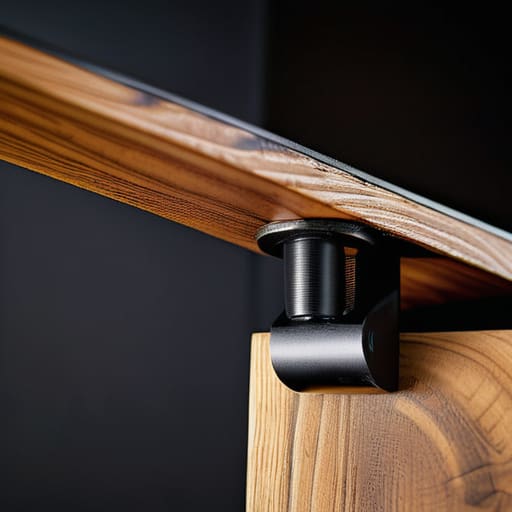
Most people make the mistake of looking at a shelf and thinking about the wood first. That is backwards. If you want to avoid the heartbreak of a collapsed pile of books or kitchenware, you need to look at the hardware. I’ve seen far too many people try to implement space saving organization using those flimsy, stamped-metal brackets you find in the bargain bin at big-box stores. They might look fine in a photo, but they’ll bow under the slightest pressure.
If you are serious about building something that lasts, you invest in heavy duty shelf brackets made of solid steel. There is no substitute for weight and gauge. Whether you are mounting heavy toolboxes in a workshop or thick oak planks in a pantry, the bracket is the backbone of the entire structure. Don’t get distracted by flashy, thin minimalist shelving design that prioritizes aesthetics over structural integrity. A shelf is only as good as the metal holding it to the wall; buy the steel that can actually handle the load.
Five Rules for Shelving That Won't Fail You
- Stop relying on drywall alone; if you aren’t anchoring your brackets directly into a solid wooden stud, you’re just asking for a pile of broken glass and ruined books on your floor.
- Avoid the temptation of cheap particle board; it looks fine in the showroom, but once it absorbs a bit of humidity or carries a decent load, it bows and disintegrates like wet cardboard.
- Measure your depth before you buy; a shelf that sticks out too far is just a target for someone walking by to snag with their hip, and a shelf that’s too shallow is a waste of wall space.
- Check the weight capacity on the packaging—and I mean the actual rated capacity, not the optimistic guess printed on a colorful marketing flyer—because physics doesn’t care about your aesthetic.
- Prioritize real materials like solid timber or powder-coated steel over plastic composites; they might cost more upfront, but they won’t need to be replaced in two years when the cheap stuff snaps.
The Bottom Line on Shelving
Stop looking for “aesthetic” fixes that fail under pressure; prioritize material density and weight capacity over how a shelf looks in a filtered photo.
Invest in heavy-duty hardware and solid timber rather than cheap particle board, because the cost of replacing flimsy junk twice is always higher than buying quality once.
Build for utility and longevity by selecting modular, sturdy components that can serve your home for decades, not just until the next trend changes.
The Cost of Cheap Materials
“I’ve spent enough years in logistics to know that a ‘bargain’ is often just a delayed expense; if you’re buying flimsy shelving that bows under the weight of a few books, you aren’t saving money, you’re just paying twice for the same problem.”
Hugo Steenkamp
Making the Right Investment
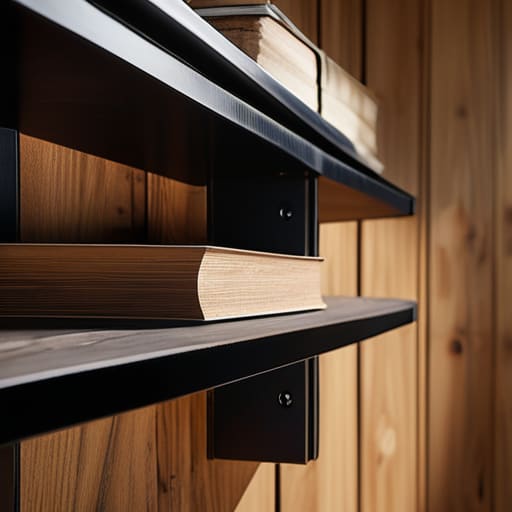
At the end of the day, choosing wall shelving isn’t about following a design catalog or matching a color palette that will be out of style by next Christmas. It’s about the fundamentals: selecting materials that won’t warp under pressure and choosing hardware that is actually rated for the load you intend to carry. I’ve seen enough flimsy, mass-produced units collapse under the weight of a few heavy books to know that skimping on the basics is a fool’s errand. If you invest in solid timber and heavy-duty steel brackets now, you won’t be standing in a hardware store three months from now replacing a broken unit. Buy for durability, not for the aesthetic alone.
Your home is your sanctuary, and it should be filled with things that have substance. Every time you install a piece of shelving that feels substantial and looks timeless, you are making a stand against the culture of disposability that seems to be everywhere these days. Stop treating your living space like a temporary showroom and start treating it like a home built to last. When you choose quality, you aren’t just organizing a room; you are curating a space that endures. Do it right the first time, and you won’t have to do it again.
Frequently Asked Questions
How do I know if my wall can actually handle the weight of solid timber without cracking the plaster?
Before you go mounting heavy timber, you need to stop guessing. If you’re dealing with old plaster and lath, you can’t just slap a screw into the wall and hope for the best. You must find the studs. Use a decent stud finder—don’t skimp on the tool—and ensure your brackets are anchored directly into the wood framing, not just the plaster. If you can’t hit a stud, you’re just asking for a heap of broken glass and splinters.
Is it worth paying the extra money for metal brackets, or will standard steel do the job?
Look, if you’re just hanging a few framed photos, standard steel is fine. But if you’re planning on loading those shelves with books, kitchenware, or tools, don’t cut corners. I’ve seen too many “budget” steel brackets bend under a moderate load, turning a tidy shelf into a disaster. Pay the extra bit for high-grade metal brackets. It’s a small upfront cost to ensure you aren’t replacing the whole setup in six months.
What's the best way to mount shelving so it stays level and doesn't sag over time?
If you want to avoid the headache of a sagging shelf, stop relying on those little plastic anchors. They’re useless. You need to find the studs. Use a stud finder to locate the timber framing behind your drywall, and drive your screws directly into those. If your layout doesn’t line up with the studs, use heavy-duty toggle bolts—not the cheap screw-in kind. Do it right the first time, or you’ll be fixing it twice.
